
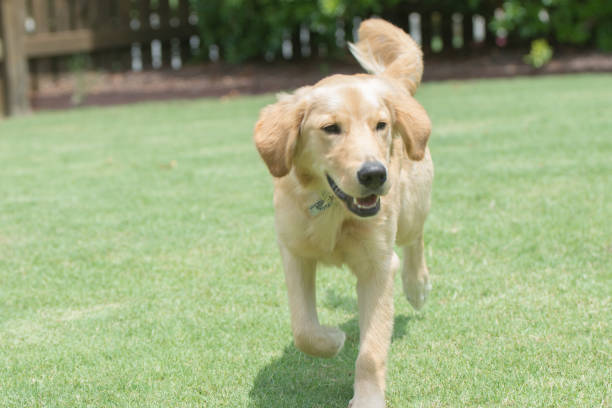
The kidneys are vital organs in our canine companions, responsible for filtering waste products from the blood, regulating blood pressure, producing essential hormones, and maintaining proper hydration. When kidney function deteriorates, it can lead to a cascade of health problems, significantly impacting a dog’s quality of life and lifespan. While genetics, diet, and age play a role, moderate, consistent exercise is a surprisingly potent tool in supporting and maintaining optimal canine kidney health.
This guide will delve into the multifaceted importance of moderate exercise for your dog’s kidneys, exploring the mechanisms behind its benefits, the types of exercises that are most beneficial, and practical considerations for implementing an exercise regimen.
Understanding the Kidney’s Role and How Exercise Intervenes
Before we explore the benefits, let’s briefly understand how the kidneys function:
- Filtration: Blood flows through the kidneys, where specialized structures called nephrons filter out waste products like urea and creatinine.
- Reabsorption: Essential nutrients and water are reabsorbed back into the bloodstream.
- Hormone Production: Kidneys produce erythropoietin (EPO), which stimulates red blood cell production, and renin, which helps regulate blood pressure.
- Fluid and Electrolyte Balance: Kidneys maintain the delicate balance of water and electrolytes (like sodium and potassium) in the body.
Now, let’s see how moderate exercise positively impacts these functions:
The Multifaceted Benefits of Moderate Exercise for Canine Kidney Health:
- Improved Blood Circulation and Blood Pressure Regulation:
- Mechanism: Regular exercise strengthens the cardiovascular system, leading to more efficient blood flow throughout the body, including the kidneys. This better circulation ensures that the kidneys receive a consistent supply of oxygen and nutrients.
- Impact on Kidneys: Hypertension (high blood pressure) is a significant risk factor for kidney disease. Moderate exercise helps to naturally lower and regulate blood pressure, reducing the strain on the delicate kidney tissues. This can slow the progression of existing kidney disease and act as a preventative measure.
- Enhanced Waste Product Removal:
- Mechanism: Exercise increases metabolic rate, leading to the breakdown of cellular waste products. The improved blood flow to the kidneys facilitates their ability to efficiently filter and excrete these metabolic byproducts, such as urea and creatinine, from the bloodstream.
- Impact on Kidneys: For dogs with compromised kidney function, efficient waste removal is crucial. Exercise can help the kidneys manage the build-up of toxins, potentially alleviating symptoms and improving overall well-being.
- Maintained Hydration and Electrolyte Balance:
- Mechanism: While exercise can lead to water loss through panting, it also encourages dogs to drink more, aiding in hydration. Furthermore, well-conditioned muscles are more efficient at utilizing and retaining water and electrolytes.
- Impact on Kidneys: Proper hydration is paramount for kidney function. When a dog is well-hydrated, the kidneys have sufficient fluid to efficiently filter waste without becoming concentrated. Maintaining electrolyte balance is also crucial for overall organ function.
- Reduced Inflammation:
- Mechanism: Chronic inflammation can damage kidney cells. Moderate exercise has been shown to have anti-inflammatory effects, helping to reduce systemic inflammation.
- Impact on Kidneys: By mitigating inflammatory processes, exercise can protect kidney tissue from further damage and support the healing and regenerative capabilities of the kidneys.
- Weight Management and Reduced Obesity:
- Mechanism: Exercise is a cornerstone of weight management. Excess body fat, particularly abdominal fat, can put pressure on internal organs, including the kidneys, and contribute to systemic inflammation and metabolic issues.
- Impact on Kidneys: Maintaining a healthy weight reduces the overall metabolic burden on the body and can prevent conditions like diabetes and Cushing’s disease, which are often linked to kidney problems.
- Improved Immune System Function:
- Mechanism: Regular exercise can boost the immune system, making dogs more resilient to infections.
- Impact on Kidneys: Kidney infections or other systemic infections can exacerbate or contribute to kidney disease. A stronger immune system provides a vital defense against these threats.
- Muscle Strengthening and Joint Health:
- Mechanism: Moderate exercise builds and maintains muscle mass and strengthens joints. This is important because as dogs age or experience illness, they can become more prone to muscle loss and mobility issues.
- Impact on Kidneys: While not directly impacting kidney cells, maintaining mobility allows dogs to continue engaging in exercise for longer, thus indirectly supporting kidney health. It also contributes to their overall quality of life, which is intrinsically linked to their ability to engage in activities they enjoy.
Defining “Moderate” Exercise for Your Canine Companion
The term “moderate” is key. Overtraining or strenuous exercise can actually be detrimental, especially for dogs with pre-existing kidney conditions. Moderate exercise is characterized by activities that elevate your dog’s heart rate and breathing slightly, but they should still be able to hold a conversation (i.e., pant comfortably) and not become overly fatigued.
Signs of moderate exercise include:
- Slightly increased panting.
- A noticeable but not excessive increase in heart rate.
- The ability to engage in short bursts of play or sustained walking.
- The dog is still interested and willing to participate.
- No signs of excessive fatigue, limping, or discomfort after the activity.
Types of Moderate Exercise Beneficial for Kidney Health:
The best type of exercise will vary depending on your dog’s breed, age, fitness level, and any existing health conditions. However, some excellent options include:
- Leash Walks: Daily walks are fundamental. Aim for consistent durations and paces that are challenging but not exhausting. Varying routes can keep things interesting.
- Gentle Fetch or Tug-of-War: Short, engaging play sessions in a safe, controlled environment.
- Swimming: An excellent low-impact exercise that provides a great cardiovascular workout without stressing joints. Many dogs naturally enjoy water.
- Canine Agility (Modified): For dogs in good physical condition, modified agility courses with gentle obstacles can be beneficial. Focus on controlled movements and avoid high jumps.
- Interactive Play with Other Dogs: Supervised play with well-matched canine companions can provide excellent physical and mental stimulation.
- Nose Work and Scent Games: While primarily mental stimulation, these activities can involve moderate physical exertion as dogs explore and search.
Practical Considerations and When to Consult Your Veterinarian:
- Start Gradually: If your dog is new to exercise or recovering from illness, begin with short, low-intensity sessions and gradually increase duration and intensity as their fitness improves.
- Listen to Your Dog: Always observe your dog for signs of fatigue, pain, or distress. Stop the activity immediately if you notice any concerning symptoms.
- Hydration is Crucial: Ensure fresh, clean water is always available before, during, and after exercise.
- Consider the Environment: Avoid exercising in extreme heat or cold, which can put undue stress on the body.
- Consistency is Key: Aim for daily exercise, even if it’s just a shorter walk on some days. Regularity is more beneficial than sporadic, intense bursts of activity.
- Breed and Age Considerations: High-energy breeds will require more exercise than lower-energy breeds. Puppies and senior dogs will need modified routines.
- Pre-existing Conditions: This is the most critical point. If your dog has been diagnosed with kidney disease or any other health condition, always consult your veterinarian before starting or altering an exercise program. Your vet can provide tailored recommendations based on your dog’s specific needs and limitations. They can advise on the ideal type, duration, and intensity of exercise, and help you identify any potential risks.
- Monitor for Changes: Be attentive to any changes in your dog’s behavior, energy levels, or physical condition. Report any concerns to your veterinarian promptly.
The Role of Exercise in Managing Kidney Disease:
For dogs already diagnosed with kidney disease, moderate exercise plays a crucial supportive role in management. It can help:
- Slow Disease Progression: By improving circulation and reducing inflammation, exercise can help protect remaining kidney function.
- Manage Symptoms: Enhanced waste removal and better hydration can alleviate some of the clinical signs of kidney disease, such as lethargy and poor appetite.
- Improve Quality of Life: Maintaining mobility and engagement in enjoyable activities significantly enhances a dog’s overall well-being, even with a chronic condition.
Conclusion:
Moderate, consistent exercise is not merely about maintaining a healthy weight or boosting mood; it’s a vital component of holistic canine health, with a significant positive impact on kidney function. By promoting healthy blood circulation, aiding in waste removal, supporting hydration, and reducing inflammation, regular physical activity can help prevent kidney issues, slow the progression of existing disease, and ultimately contribute to a longer, happier, and healthier life for your beloved canine companion.
Remember, always prioritize open communication with your veterinarian. They are your best resource for creating a safe and effective exercise plan tailored to your dog’s individual needs. By embracing the power of moderate exercise, you are investing in the long-term health and vitality of your dog’s essential kidneys.







Add comment