
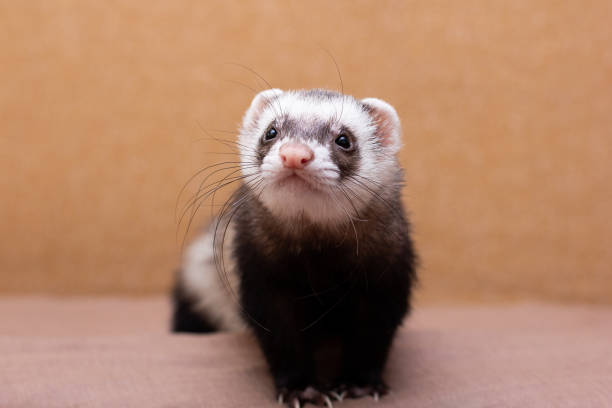
Ferrets (Mustela putorius furo) have become beloved companions worldwide, yet their physiological quirks make them uniquely vulnerable to a set of diseases that can progress rapidly if left unchecked. Unlike cats or dogs, ferrets have a short natural lifespan (5–10 years on average) and a high metabolic rate, which means that pathological changes often become evident only after they have already caused substantial organ damage.
A yearly veterinary examination functions as a preventive health “checkpoint.” It provides:
- Early detection of hidden or sub‑clinical illnesses (e.g., adrenal gland disease, insulinoma).
- Baseline data (weight, body condition score, hematology, biochemistry) that allows the vet to notice subtle trends over time.
- Opportunity for vaccinations, parasite control, and dental cleaning—all essential for preventing secondary complications.
- Owner education about diet, handling, and environmental enrichment, reducing stress‑related illnesses.
Because ferrets hide pain and discomfort better than many other pets, owners often underestimate how serious a seemingly minor issue can become. Routine veterinary visits create a proactive health culture rather than a reactive “wait‑until‑they’re‑sick” approach.
2. What a Yearly Veterinary Exam Looks Like
2.1 Pre‑Visit Preparation
| Step | Owner’s Action |
|---|---|
| Medical History Update | Bring a written list of any recent weight changes, appetite shifts, behavior alterations, or previous diagnoses. |
| Medication & Supplement Log | Include dosages, frequency, and any over‑the‑counter products. |
| Fasting (if recommended) | Some clinics ask owners to withhold food for 8–12 h before blood work. |
2.2 In‑Clinic Examination
| Procedure | Purpose |
|---|---|
| Physical Exam (inspection of skin, eyes, ears, nose, mouth, palpation of abdomen, lymph nodes, and musculoskeletal system) | Detect external parasites, skin lesions, dental disease, organ enlargement, or pain. |
| Weight & Body Condition Scoring (BCS) | Track trends; ferrets are prone to obesity or cachexia. |
| Dental Check & Prophylaxis | Ferrets develop severe dental tartar and periodontal disease quickly; scaling may be performed under anesthesia. |
| Vaccination Review | Core vaccines (e.g., rabies, canine distemper) are recommended based on local regulations; booster intervals are typically 1–3 years. |
| Parasite Prevention | Fecal flotation for intestinal parasites, ectoparasite inspection, and heartworm testing where endemic. |
| Blood Work (CBC + Biochemistry) | Baseline values for red/white blood cells, liver enzymes, kidney function, glucose, electrolytes, and adrenal hormone panels. |
| Urinalysis | Detect urinary tract infections, crystals, or early renal disease. |
| Imaging (optional) | Abdominal ultrasound or radiographs can screen for adrenal hyperplasia, gastrointestinal foreign bodies, or cardiac silhouette changes. |
| Behavioral Assessment | Evaluate stress levels and environmental enrichment; chronic stress can precipitate adrenal disease. |
The exam typically lasts 30–45 minutes for the physical, plus additional time for anesthesia and laboratory processing if blood work or imaging is performed. Most veterinarians recommend a full health screen (blood work + urinalysis + fecal exam) at least once a year for adult ferrets, with bi‑annual or more frequent assessments for geriatric individuals or those with known disease.
3. Common Ferret Health Problems Detected Early
| Condition | Prevalence in Domestic Ferrets | Why Early Detection Matters |
|---|---|---|
| Adrenal Disease (Hyperadrenocorticism) | 15–30 % of adult ferrets (especially neutered males) | Can cause hair loss, alopecia, vulvar enlargement; may lead to organ failure if untreated. |
| Insulinoma (Pancreatic β‑cell Tumor) | 10–15 % of ferrets > 3 years | Rapidly progressive hypoglycemia; early surgical or medical management extends survival. |
| Dental Disease (Tartar, Periodontitis, Tooth Resorption) | > 70 % of ferrets > 2 years | Painful, can cause anorexia, secondary infections, and systemic inflammation. |
| Gastrointestinal (GI) Stasis, Obstruction, or Foreign Bodies | 5–10 % of emergencies | Early identification prevents necrosis and perforation. |
| Cardiomyopathy & Congestive Heart Failure | Under‑studied but increasingly reported in older ferrets | Regular auscultation and echocardiography can catch early murmurs or arrhythmias. |
| Lymphoma & Other Neoplasia | 5–8 % of ferrets over 4 years | Early staging improves chemotherapy outcomes. |
| Urinary Tract Disease (UTI, Crystalluria, Obstruction) | 10–20 % of adult ferrets | Prompt treatment prevents renal damage. |
| Skin Parasites (Mites, Fleas, Sarcoptic Mange) | Common in young or outdoor ferrets | Early control avoids secondary infections. |
| Vaccination‑Preventable Viral Illnesses (Distemper, Rabies) | Rare with proper vaccination but severe if contracted | Annual boosters maintain herd immunity. |
4. Causes, Signs & Symptoms of Major Conditions
4.1 Adrenal Disease
Causes
- Chronic stimulation of the adrenal cortex by gonadotropins after early neutering/spaying.
- Genetic predisposition—certain breeding lines display higher incidence.
Typical Signs
| Sign | Description |
|---|---|
| Hair loss (alopecia) | Symmetrical, starts on the flank or tail and spreads. |
| Vulvar enlargement (in females) | May appear “swollen” or “bloated.” |
| Prostate enlargement (in males) | Can lead to urinary obstruction. |
| Increased aggression or roaming | Hormonal changes affect behavior. |
| Weight loss despite normal appetite | Catabolic effect of excess cortisol. |
4.2 Insulinoma
Causes
- Neoplastic transformation of pancreatic β‑cells; idiopathic.
Typical Signs
| Sign | Description |
|---|---|
| Seizure‑like activity (tremors, collapse) | Result of hypoglycemia. |
| Weakness, lethargy | Often after fasting or excitement. |
| Weight loss | Due to chronic catabolism. |
| Polyphagia (increased appetite) | Paradoxical; ferrets may eat more but still lose weight. |
| Hepatic lipidosis | Secondary to prolonged hypoglycemia. |
4.3 Dental Disease
Causes
- Rapid plaque formation from high‑protein diet and short chewing cycles.
- Genetic predisposition to tooth resorption.
Typical Signs
| Sign | Description |
|---|---|
| Drooling or foamy saliva | Indicates oral pain. |
| Bad breath (halitosis) | Bacterial overgrowth. |
| Reluctance to eat hard foods | Preference for soft or soaked diets. |
| Swollen gums | Gingivitis or periodontitis. |
| Visible tartar or loose teeth | Often observed on intra‑oral exam. |
4.4 Gastrointestinal Issues
Causes
- Ingestion of non‑food items (plastic, fabric).
- Dietary sudden changes leading to dysbiosis.
- Parasites (e.g., coccidia, giardia).
Typical Signs
| Sign | Description |
|---|---|
| Vomiting or regurgitation | May be intermittent. |
| Diarrhea (bloody or mucoid) | Suggests inflammation or obstruction. |
| Decreased stool frequency | Indicates GI stasis. |
| Abdominal distension | Possible obstruction or gas accumulation. |
| Pain on palpation | Tender abdomen. |
4.5 Urinary Tract Disease
Causes
- Urolithiasis (bladder stones) – often calcium oxalate.
- Bacterial infection – less common but possible.
- Obstructive prostate (in males with adrenal disease).
Typical Signs
| Sign | Description |
|---|---|
| Straining to urinate | May produce only a few drops. |
| Blood in urine | Hematuria visible. |
| Frequent attempts | Indicating irritation. |
| Lethargy | Systemic signs of infection. |
| Abdominal pain | Palpable bladder enlargement. |
4.6 Skin Parasites & Dermatologic Conditions
Causes
- Sarcoptic mange (Sarcoptes scabiei) – highly contagious.
- Cheyletiella (fur mites) – “walking dandruff.”
- Flea infestation – uncommon but possible in mixed‑species homes.
Typical Signs
| Sign | Description |
|---|---|
| Intense itching (pruritus) | Leads to self‑trauma. |
| Hair loss (alopecia) | Often patchy. |
| Scaly or crusted lesions | Especially around ears, neck, and tail. |
| Redness, erythema | Inflammation. |
| Secondary bacterial infection | Pustules or ulceration. |
5. Diagnostic Toolbox Used by Veterinarians
| Modality | What It Detects | Sample/Procedure | Typical Findings in Ferrets |
|---|---|---|---|
| Physical Examination | External parasites, dental disease, organ enlargement | Hands‑on exam, otoscope, ophthalmoscope | Enlarged adrenal glands (palpable in some cases) |
| Complete Blood Count (CBC) | Anemia, infection, leukemia | Venipuncture (cranial vena cava or jugular) | Elevated neutrophils (infection), low lymphocytes (stress) |
| Serum Biochemistry Panel | Liver, kidney, pancreas, electrolytes | Same blood sample | Elevated ALT/AST (liver), high BUN/creatinine (renal), low glucose (insulinoma) |
| Adrenal Hormone Assay (ACTH Stimulation) | Hyperadrenocorticism | Blood drawn before and after synthetic ACTH | Exaggerated cortisol rise > 2‑fold |
| Abdominal Ultrasound | Adrenal tumors, pancreatic masses, organ size | Transabdominal probe (under light sedation) | Hyperechoic adrenal nodules, pancreatic hypoechoic lesions |
| Radiography (X‑ray) | Skeletal abnormalities, GI obstruction, cardiac silhouette | Sedated or awake (depending on cooperation) | Enlarged heart, gas-filled stomach, radiopaque foreign bodies |
| Fecal Flotation & Direct Smear | Giardia, coccidia, helminths | Fresh feces collected by owner | Oocysts (coccidia), cysts (Giardia) |
| Urinalysis (dipstick + microscopic) | Crystals, infection, protein loss | Cystocentesis (needle aspiration) | Crystalluria (calcium oxalate), bacteriuria |
| Dental Radiographs | Tooth root resorption, alveolar bone loss | Under anesthesia, bite‑wing view | Radiolucent zones around tooth apex |
| Fine‑Needle Aspiration (FNA) / Biopsy | Neoplastic cells, inflammatory infiltrates | Ultrasound‑guided or palpation | Malignant lymphocytes (lymphoma), pleomorphic cells (carcinoma) |
Interpretation Note: Ferrets have species‑specific reference intervals. For instance, normal fasting glucose ranges 80–120 mg/dL, whereas a value < 50 mg/dL is highly suggestive of insulinoma. Veterinarians compare current results to previous exams to spot trends that may be invisible on a single snapshot.
6. Treatment Options & Management Strategies
6.1 Adrenal Disease
| Approach | Details | Pros | Cons |
|---|---|---|---|
| Surgical Adrenalectomy | Removal of affected gland(s) – open or laparoscopic. | Potential cure; removes source of hormone excess. | High peri‑operative risk, especially in older ferrets; expensive. |
| Medical Management (Leuprolide, Melatonin, Cabergoline) | GnRH analogues or dopamine agonists suppress gonadotropin release, reducing adrenal stimulation. | Non‑invasive; improves clinical signs; affordable. | Requires lifelong administration; may not fully normalize hormone levels. |
| Hormone Replacement (e.g., Prednisone) | Used for adrenal insufficiency after surgery. | Maintains cortisol balance. | Long‑term steroid side effects (immune suppression, weight gain). |
Monitoring: Quarterly adrenal hormone assays and abdominal ultrasounds are recommended to gauge treatment efficacy.
6.2 Insulinoma
| Approach | Details | Pros | Cons |
|---|---|---|---|
| Surgical Resection | Partial pancreatectomy to remove tumor. | Can prolong survival (12‑24 months median). | High anesthesia risk; tumor recurrence common. |
| Medical Therapy | Diazoxide (stabilizes glucose), prednisone (counteracts hypoglycemia), glucagon injections, and frequent feeding. | Improves quality of life; less invasive. | Does not eradicate tumor; requires strict dosing schedule. |
| Nutritional Support | High‑protein, high‑fat meals every 2–3 hours; glucose‑rich “emergency” treats. | Reduces hypoglycemic episodes. | Labor‑intensive for owners. |
Prognosis: Median survival with combined surgical and medical therapy is 12–18 months; supportive care can extend life further.
6.3 Dental Disease
| Procedure | Details | Frequency |
|---|---|---|
| Professional Scaling & Polishing (under anesthesia) | Removes plaque, reduces bacterial load. | Every 6–12 months. |
| Tooth Extraction | Indicated for advanced periodontitis or root resorption. | As needed; often once per tooth. |
| Home Care (dental chews, brushing with ferret‑safe toothpaste) | Reduces plaque formation between visits. | Daily or several times weekly. |
6.4 GI Obstructions & Stasis
| Approach | Details |
|---|---|
| Emergency Surgery | Removal of foreign body or correction of volvulus. |
| Medical Management | Fluid therapy, pro‑kinetic drugs (e.g., metoclopramide), and soft diet. |
| Preventive | Offer only ferret‑safe toys, avoid string/cloth, monitor diet changes gradually. |
6.5 Urinary Tract Disorders
| Condition | Treatment |
|---|---|
| Urolithiasis | Surgical cystotomy or urethral catheterization; dietary dissolution (if appropriate). |
| Bacterial UTI | Culture‑guided antibiotics (e.g., amoxicillin‑clavulanate). |
| Prostatic Enlargement | GnRH analogues (same as adrenal disease) or surgical prostatectomy in severe cases. |
6.6 Skin Parasites
| Parasite | Therapy |
|---|---|
| Sarcoptic Mange | Ivermectin (oral or injectable) 0.2 mg/kg weekly for 2–3 weeks, plus environmental decontamination. |
| Cheyletiella | Lime sulfur dips, ivermectin, and thorough cleaning of bedding. |
| Fleas | Spot‑on products approved for ferrets (e.g., selamectin). |
6.7 Nutrition‑Based Management
| Issue | Nutritional Adjustment |
|---|---|
| Obesity | Reduce caloric density, switch to high‑protein, low‑fat formulas; limit treats to < 10 % of daily calories. |
| Cachexia | Provide calorie‑dense “soft” foods (e.g., canned ferret diet, meat‑based baby food without additives). |
| Renal Disease | Low‑phosphorus, moderate‑protein diet with added omega‑3 fatty acids. |
| Diabetes/Hypoglycemia | Frequent small meals; avoid high‑carbohydrate foods. |
7. Prognosis, Complications & Long‑Term Outlook
| Condition | Expected Survival with Treatment | Common Complications |
|---|---|---|
| Adrenal Disease (medical management) | 1–2 years (quality of life often good) | Hormone rebound, tumor recurrence, surgical wound infection if operated. |
| Insulinoma (combined surgery + meds) | 12–24 months median; occasional survivors > 3 years | Recurrent hypoglycemia, pancreatitis, hepatic lipidosis. |
| Dental Disease (regular care) | Normal lifespan if managed | Chronic pain, facial swelling, bacterial sepsis. |
| GI Obstruction (surgical removal) | 80 % survive to discharge; long‑term normal if no adhesions | Adhesive bowel disease, postoperative ileus. |
| Urinary Stones | 70–80 % long‑term remission with diet & occasional surgery | Recurrence, renal insufficiency. |
| Mange | 100 % cure with proper treatment | Secondary bacterial infection, dermal scarring. |
Key Takeaway: Timely veterinary intervention dramatically improves survival and quality of life. Ferrets deteriorate quickly; a delay of even a few weeks can shift a curable condition into a chronic, life‑limiting state.
8. Prevention Strategies & the Role of the Annual Exam
- Vaccination Protocol
- Rabies – mandated in many regions; booster every 1–3 years.
- Canine Distemper (CDV) – core vaccine; booster at 3 years, then every 2–3 years.
- Parasite Control
- Heartworm preventatives (e.g., selamectin) in endemic areas.
- Routine fecal exams (quarterly).
- Environmental Enrichment
- Daily playtime with tunnels, toys, and safe chew items minimizes stress‑induced adrenal spikes.
- Temperature‑controlled housing (70–80 °F) reduces respiratory infections.
- Dietary Management
- Feed high‑quality, ferret‑specific commercial diets (≥ 35 % protein, ≤ 15 % fat).
- Avoid sugary treats, dairy, and raw eggs (risk of salmonella).
- Dental Care Routine
- Weekly dental chews and periodic teeth brushing with a ferret‑safe toothbrush.
- Regular Screening (the annual exam)
- Early lab work identifies subclinical adrenal or pancreatic disease before overt signs emerge.
- Weight/BCS monitoring catches obesity or cachexia early.
- Owner Education
- Understanding normal ferret behavior (e.g., “dooking” or “weasel‑talk”) vs. pain‑related vocalizations.
- Recognizing subtle changes (slight weight loss, decreased play) as triggers for prompt vet contact.
By integrating these preventive measures with a yearly comprehensive health review, owners can keep their ferrets thriving well beyond the average lifespan.
9. Nutrition & Dietary Recommendations for Optimal Health
| Nutrient | Recommended Level | Why It Matters for Ferrets |
|---|---|---|
| Protein | ≥ 35 % of metabolizable energy (ME) | Ferrets are obligate carnivores; protein provides essential amino acids for muscle maintenance and immune function. |
| Fat | 18–25 % ME | Primary energy source; supports skin & coat health. |
| Carbohydrate | ≤ 5 % ME | Ferrets lack amylase; excess carbs can cause glucose spikes and contribute to insulinoma risk. |
| Taurine | ≥ 100 mg/kg diet | Essential for cardiac and retinal health; deficiency leads to dilated cardiomyopathy. |
| Vitamin A | 5,000–10,000 IU/kg diet | Supports vision and epithelial integrity; deficiency causes night blindness. |
| Calcium:Phosphorus Ratio | 1.3:1 to 1.5:1 | Prevents renal mineralization and helps bone health. |
| Fiber | Minimal (≤ 2 % DM) | Ferrets have short GI transit; high fiber can cause impaction. |
9.1 Commercial Ferret Diets
| Brand | Formula Type | Key Features |
|---|---|---|
| WholeLife | Dry kibble | 40 % protein, 20 % fat, grain‑free, added pre‑biotics. |
| Merrick | Wet pâté | High animal protein, low carb, includes omega‑3s. |
| Mazuri | Classic | Low‑carb, high‑protein, formulated for digestive health. |
| Raw Diet (if chosen) | Frozen or fresh meat | Must be balanced with supplements (taurine, calcium, vitamins). |
Feeding Guidelines:
- Adults (1–3 years): 2–3 % of body weight per day, divided into 2–3 meals.
- Seniors (> 4 years): 1.5–2 % of body weight; consider softer foods for dental issues.
- Pregnant/Lactating: Increase to 4–5 % of body weight with additional protein and calories.
9.2 Treats & Supplements
| Item | Safe? | Frequency |
|---|---|---|
| Cooked chicken breast (no skin, no seasoning) | Yes | Daily small pieces as part of total calories. |
| Hard‑boiled egg | Yes (in moderation) | 1–2 per week; rich in protein and biotin. |
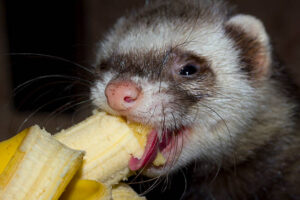
| Fruit (banana, apple slices) | Not recommended – high sugar; occasional very small pieces if ferret tolerates. | |
| Vitamin/mineral supplements | Only if prescribed (e.g., extra taurine for cardiac disease). | Follow vet dosage. |
Hydration: Ferrets have a low thirst drive. Provide fresh water at all times, and consider adding water‑rich foods (e.g., canned ferret diet) to encourage intake.
10. Zoonotic Risks: Ferrets, Humans, and Disease Transmission
| Zoonotic Agent | Transmission Route | Risk to Humans | Typical Prevention |
|---|---|---|---|
| Salmonella spp. | Fecal–oral (handling contaminated feces, raw meat diets) | Gastroenteritis (especially in immunocompromised, children, elderly) | Hand‑washing after handling; avoid feeding raw meat without proper hygiene. |
| Giardia duodenalis | Fecal–oral | Diarrhea, abdominal cramps | Regular fecal exams; keep housing clean; avoid contaminated water. |
| Ringworm (Dermatophytes) | Direct skin contact, contaminated bedding | Itchy, ring‑shaped skin lesions | Routine grooming, keep environment dry; treat affected ferrets promptly. |
| Influenza A (H1N1) | Respiratory droplets (rare) | Mild flu‑like symptoms | Limit exposure to sick humans; vaccinate humans; keep ferret isolated during owner illness. |
| Rabies | Bite or scratch from infected ferret | Fatal encephalitis | Mandatory vaccination; avoid contact with wild animals. |
| Staphylococcus aureus (MRSA) | Skin contact | Skin infections, pneumonia | Maintain clean cages; avoid sharing grooming tools; treat any skin lesions promptly. |
Key Preventive Measures for Owners:
- Hand Hygiene – Wash hands with soap and water for at least 20 seconds after handling ferrets, cleaning cages, or disposing of waste.
- Protective Clothing – Wear disposable gloves when cleaning litter boxes or handling feces, especially if the ferret is ill.
- Environmental Disinfection – Use a 1:10 dilution of bleach solution (0.5 % sodium hypochlorite) for cage surfaces weekly.
- Vaccination & Health Screening – Keep ferret vaccinations up‑to‑date; schedule regular veterinary exams for both the animal and the owner’s health checks.
- Avoid Raw Meat for High‑Risk Humans – If an immunocompromised household member is present, feed a commercially prepared ferret diet rather than raw foods.
11. Practical Tips for Preparing Your Ferret for the Exam
| Tip | Why It Helps |
|---|---|
| Acclimate to a Carrier | Reduces stress; easier handling for the vet. |
| Fast 8–12 h before blood draw (if instructed) | Improves accuracy of glucose and triglyceride measurements. |
| Bring a Sample of Current Diet | Allows the vet to assess nutritional adequacy. |
| Record a “Health Diary” (daily activity, appetite, stool) for at least 2 weeks prior | Gives the vet a timeline for any subtle changes. |
| Schedule Early Morning Appointments | Ferrets are most active then, making anesthesia induction smoother. |
| Keep a Calm Environment (soft voice, minimal sudden movements) | Lowers cortisol spikes that could interfere with lab results. |
12. Frequently Asked Questions (FAQs)
| Question | Answer |
|---|---|
| How often should my ferret see a vet if it’s healthy? | At least once a year for a comprehensive exam. Senior ferrets (> 4 years) benefit from semi‑annual visits. |
| Can I skip the blood work if my ferret seems fine? | No. Many serious diseases (adrenal hyperplasia, insulinoma) are asymptomatic early on and only detectable through lab tests. |
| Is anesthesia safe for ferrets? | Modern protocols using short‑acting agents (e.g., isoflurane) carry low risk. Pre‑anesthetic blood work and a thorough physical exam further reduce complications. |
| What if my ferret is allergic to a vaccine? | Discuss alternative schedules or sub‑unit vaccines with the vet; pre‑medication (antihistamines) may be used. |
| Can I give my ferret human medications? | Never. Many human drugs (e.g., acetaminophen) are toxic to ferrets. Always consult a veterinarian before giving any medication. |
| My ferret refuses to eat after an exam—what should I do? | Offer a favorite soft food or a small amount of canned ferret diet. If anorexia persists > 12 h, contact your vet immediately. |
13. Final Thoughts & Call to Action
Ferrets are vibrant, inquisitive companions that thrive on routine, attentive care. Their unique physiology—high metabolic demands, proclivity for endocrine disorders, and rapid disease progression—makes yearly veterinary examinations an indispensable pillar of responsible ownership.
Remember:
- Prevention beats treatment—regular exams catch silent diseases before they become life‑threatening.
- Nutrition is medicine—a balanced diet supports immune function, organ health, and overall vitality.
- Owner vigilance matters—small changes in behavior, appetite, or coat condition can be the first clue that something is amiss.
Investing in an annual check‑up not only extends your ferret’s lifespan but also enriches the bond you share. Schedule that appointment today, keep a health journal, and enjoy many more playful, inquisitive moments with your furry friend.
Your ferret’s health is a journey—let’s walk it together.
#FerretHealth, #FerretCare, #YearlyVetCheck, #FerretWellness, #FerretNutrition, #FerretDiet, #FerretDental, #AdrenalDisease, #Insulinoma, #PetPrevention, #FerretVaccination, #FerretParasites, #FerretZoonosis, #FerretLifestyle, #FerretLovers, #FerretCommunity, #FerretOwners, #FerretTips, #HappyFerrets, #FerretLife, #FerretMedical, #FerretVeterinarian, #FerretExams, #FerretSafety, #FerretDietTips, #FerretDentalCare, #FerretWellbeing, #FerretObesityPrevention, #FerretSeniorCare, #FerretHealthCheck

Add comment