
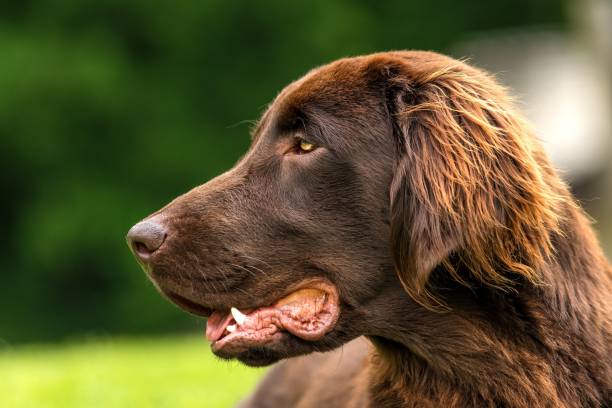
The growl. It’s a sound that often sends shivers down a pet owner’s spine, a primal vocalization that can instantly trigger alarm. For many, a growl is synonymous with aggression, a direct threat that signals danger. However, to truly understand our canine companions, we must look beyond this simplistic interpretation. A growl is, in fact, one of the most honest and intricate forms of communication in a dog’s repertoire, a multifaceted signal capable of conveying a spectrum of emotions and intentions, ranging from playful exuberance to profound fear, and yes, sometimes genuine aggression.
Misinterpreting a growl can have serious consequences. Punishing a warning growl can strip a dog of their ability to communicate their discomfort, forcing them to escalate to a bite without preamble. Conversely, mistaking a serious warning growl for play can put both humans and other animals at risk. The key to harmonious living with dogs lies in becoming fluent in “dog speak,” and decoding the growl is a critical lesson in this language.
This comprehensive guide aims to demystify the dog growl, offering an in-depth exploration of its various meanings within the context of dog training and behavior. We will delve into the nuanced body language that accompanies different types of growls, explore the underlying emotions and triggers, and, crucially, provide actionable, positive reinforcement-based strategies for responding safely and effectively to each scenario. Our goal is to empower dog owners, trainers, and enthusiasts to listen to their dogs, understand their needs, and foster a relationship built on trust, respect, and clear communication.
The Anatomy of a Growl: More Than Just a Sound
From a purely physiological standpoint, a growl is a low-frequency, guttural vocalization produced by the vibration of a dog’s vocal cords as air is expelled from the lungs. However, its true essence lies not just in the sound itself, but in the entire package of signals a dog presents. A growl is rarely, if ever, an isolated event. It is almost always accompanied by a rich tapestry of body language, facial expressions, and contextual cues that together paint a complete picture of the dog’s internal state.
Think of the growl as a sentence, and the body language as the punctuation and emphasis. Just as “Go!” can mean something entirely different depending on whether it’s shouted in excitement or fear, a growl’s meaning is profoundly shaped by the accompanying non-verbal signals.
Key Principles for Interpreting Growls:
- Context is King: The situation in which the growl occurs is paramount. Is the dog playing? Eating? Resting? Meeting a stranger?
- Full Body Language Scan: Look at the dog’s eyes, ears, mouth, tail, posture, hackles, and overall muscle tension. Every part of the body contributes to the message.
- Vocal Nuances: While harder to describe, the pitch, intensity, duration, and rhythm of the growl can offer clues. A short, choppy growl might differ from a sustained, deep rumble.
- Individual Differences: Each dog is an individual. What one dog expresses with a growl, another might express with a bark or a mere stiffening of their body. Learning your own dog’s unique communication style is vital.
Understanding these principles forms the bedrock of accurate growl interpretation. Now, let’s dive into the various meanings a growl can convey.
Decoding the “Warning” Growl: A Cry for Space and Safety
Perhaps the most critical growl to understand is the warning growl. This is a dog’s way of saying, “Stop,” “Back off,” or “I’m uncomfortable/afraid, and I need space.” It is a vital communication tool that, when respected, can prevent escalation to more severe behaviors, such as snapping or biting. Punishing a warning growl effectively teaches the dog that their communication attempts are unwelcome, forcing them to skip this crucial step and potentially bite without any prior notice.
Warning growls can stem from various underlying emotions and situations, often overlapping.
1. Resource Guarding Growl
Definition: Resource guarding, also known as possessive aggression, occurs when a dog feels the need to protect valuable items (food, toys, chews, beds, specific people, or even locations) from perceived threats. The growl serves as a clear signal to keep away from their treasured possession.
Body Language Cues:
- Stiffness/Freezing: The dog will often become rigid, sometimes freezing over the resource.
- Direct Stare: Intense, unblinking eye contact directed at the perceived threat.
- Tensed Mouth/Lips: Lips may be pulled back, revealing teeth, or muzzle may be wrinkled.
- Lowered Head: Often guarding the object with their head down, sometimes with an exaggerated arch over the item.
- Guarding Posture: Body turned towards the resource, sometimes hunching over it or placing a paw on it.
- Tight Tail: Tail may be held stiffly, either low or tucked, with minimal or no wagging.
- Ears Back/Flattened: Sign of apprehension or defensive posture.
Common Triggers:
- Approaching a dog while they are eating their food or a high-value chew.
- Attempting to take a toy or object away from them.
- Entering their personal space (e.g., bed, crate) while they are resting with a resource.
- Another dog or person approaching their chosen human.
Training Approach (Positive Reinforcement Focus): The goal is to change the dog’s emotional association with others approaching their resources from negative (“threat”) to positive (“good things happen”).
- Management: Prevent rehearsal of the behavior. Feed dogs separately, remove high-value items when guests are present, or use tethers/crates. Avoid approaching your dog while they’re eating or chewing.
- Desensitization & Counter-Conditioning (DCC):
- “Trade Up”: Teach your dog that giving up an item results in an even better one. Start with low-value items and gradually work up. Say “trade,” offer a super high-value treat (e.g., chicken), and when they release the item, give them the treat. Then immediately give back the original item (or a similar one). This builds trust.
- “It’s Yer Choice”: For food guarding, stand a safe distance away from the dog’s food bowl. Toss a higher-value treat near the bowl. Repeat, gradually moving closer. The dog learns that your presence means good things, not threats.
- Positive Interrupters: Teach a “come” or “touch” cue that reliably gets your dog to move away from a resource for a reward, allowing you to safely retrieve it if necessary.
- Crucial: Do NOT punish your dog for growling during resource guarding. This will only suppress the warning, making a bite more likely without notice. This is a distress signal, not an act of defiance.
2. Fear/Defensive Growl (including Pain-Induced)
Definition: This growl arises when a dog feels threatened, overwhelmed, or perceives a situation as dangerous. Their primary instinct is often to create distance or escape. If escape is not possible, or if the perceived threat continues to advance, the dog may growl as a last-ditch effort to prevent confrontation. A specific subcategory, the pain-induced growl, stems from physical discomfort or injury, making the dog more sensitive and wary of touch.
Body Language Cues:
- Cowering/Shrinking: Body lowered, trying to make themselves smaller.
- Averted Gaze/Whale Eye: Avoiding direct eye contact, or showing the whites of their eyes (whale eye) while staring at the perceived threat.
- Lip Licking/Yawning: Stress signals.
- Tail Tucked: Tucked tightly between the legs, often with stiff, rapid wagging, or no wagging at all.
- Trembling/Shaking: A clear sign of high anxiety or fear.
- Attempting to Flee: Dog tries to back away, hide, or escape. The growl occurs if escape is prevented.
- Hackles Raised: Hair on the back of the neck and spine may stand up, indicating arousal and often fear.
- Ears Flattened Back: Pinned tightly against the head.
- Mouth Tense: Lips may be tightly drawn, sometimes with bared teeth, but often a more defensive, rather than offensive, posture.
Common Triggers:
- Strangers, especially those who approach too quickly or directly.
- Children, whose unpredictable movements and high-pitched voices can be alarming.
- Novel objects, loud noises, or unfamiliar environments.
- Veterinary visits, grooming, or handling by strangers.
- Being cornered or having personal space invaded.
- Touching an injured or sensitive part of the body.
Training Approach (Positive Reinforcement Focus): The goal is to help the dog feel safe, build confidence, and change negative associations into positive ones.
- Veterinary Check (for pain-induced growls): If a growl appears suddenly or is triggered by touch, the absolute first step is a vet visit to rule out pain, injury, or underlying medical conditions. Many behavioral changes, including aggression, have a medical component.
- Create Safe Spaces: Provide a den-like crate, a comfortable bed in a quiet room, or another designated safe zone where the dog can retreat and not be disturbed.
- Build Confidence: Engage in positive reinforcement training, teaching new tricks, and providing puzzle toys to boost self-esteem.
- Controlled Exposure (DCC):
- Identify the trigger: What specifically causes the fear?
- Start at a distance: Expose the dog to the trigger from a distance where they are calm and not reacting.
- Positive Association: Pair the presence of the trigger (even if far away) with high-value treats and praise. The goal is “Trigger predicts treats!”
- Gradual Approach: Slowly, over many sessions, decrease the distance or increase the intensity of the trigger, always staying below the dog’s threshold for fear.
- Teach “Look At That”: Reward the dog for calmly looking at the trigger, then looking back at you for a treat.
- Teach “Leave It” and “Go To Your Place”: These cues provide the dog with clear, safe alternatives when they feel overwhelmed.
- Crucial: Never force a fearful dog to confront their fears. This will only intensify their fear and can lead to heightened aggression. Avoid punishment, as it will only increase fear and distrust.
3. Territorial Growl
Definition: Territorial growling occurs when a dog perceives a threat to their established territory (e.g., their home, yard, car). It’s a “stay out” signal, aimed at warding off perceived intruders.
Body Language Cues:
- Alertness: Ears forward, focused gaze on the perceived intruder.
- Stiff Posture: Body often tense, sometimes leaning forward or standing tall.
- Hackles Raised: Can be very prominent.
- Barking: Often accompanies growling, sometimes escalating to lunging or barking at windows/fences.
- Tail: Can be held high and stiff, or flag-like, rigid but moving quickly in short arcs.
Common Triggers:
- Mail carriers, delivery people, strangers walking by the house.
- Other dogs passing by the yard or window.
- Unfamiliar noises outside.
Training Approach (Positive Reinforcement Focus): The goal is to reduce the perceived threat and change the dog’s emotional response to “intruders.”
- Management:
- Block visual access: Use window film, curtains, or privacy fencing to prevent the dog from seeing triggers.
- Manage access to doors: Keep the dog away from the front door during peak delivery times.
- Use white noise or music: To mask outdoor sounds.
- Desensitization & Counter-Conditioning:
- Identify triggers: What specifically sets your dog off?
- Start far away: Use recordings of trigger sounds or stage scenarios from a safe distance where the dog remains calm.
- Positive Association: Pair the sight/sound of the trigger with high-value treats. “Mail carrier = yummy treats!”
- “Quiet” Command: Teach your dog to be quiet on cue, rewarding silence.
- “Go To Your Place”: Train your dog to go to a designated spot (e.g., bed) when someone approaches the door, rewarding them for staying calm.
- Crucial: Again, avoid punishment. The dog is responding out of instinct to protect their perceived territory. Punishment will only add stress and frustration.
Decoding the “Play” Growl: A Sound of Joy and Engagement
Not all growls are warnings! A play growl is a common, perfectly normal, and healthy part of canine communication, signaling enjoyment and engagement in playful interactions. It’s often the context and accompanying body language that clearly distinguish it from a warning growl.
Definition: A vocalization during play that indicates excitement, mock aggression, or engagement in rough-and-tumble games. It’s an invitation to continue and escalate the fun.
Body Language Cues:
- Loose, Wiggly Body: The dog’s muscles are relaxed, not tense.
- Play Bow: Front end down, rear end up, tail wagging – the universal invitation to play.
- Relaxed Mouth: Often open in a “happy” grin, sometimes with floppy jowls. Teeth may be visible, but not bared in a snarl.
- Bouncing/Exaggerated Movements: Playful, light-footed movements.
- Soft Eyes: Pupils may be dilated from excitement, but the overall expression is soft, not hard or intense.
- “Happy” Tail Wag: A loose, wide, often circular wag.
- Mouth Wrestling/Biting: Often accompanied by mock fighting, gentle nips, or “alligator rolls,” but without true force or intent to harm.
- Often Mixed with Play Barks or Whines: Part of a symphony of playful sounds.
Context:
- During wrestling or chase games with other dogs or humans.
- During tug-of-war.
- When excited by a toy or anticipating play.
How to Differentiate from a Warning Growl: The most significant difference is the overall body tension. A play growl occurs within a relaxed, fluid, and often exaggerated play posture. A warning growl is accompanied by stiffness, tension, and defensive or offensive postures. If you’re ever unsure, err on the side of caution and gently disengage or re-evaluate the situation.
Training Approach:
- Encourage Healthy Play: Provide opportunities for safe, supervised play with other well-socialized dogs.
- Teach Appropriate Bite Inhibition: For puppies, allow them to play with you, but if they bite too hard, yelp and withdraw attention. This teaches them to moderate their bite.
- Monitor Play Intensity: While play growls are normal, watch for escalation. If play becomes too rough, or one dog seems genuinely distressed, intervene calmly. A “break” is often helpful.
- Supervise Children: Teach children how to interpret play signals versus warning signals, and never leave them unsupervised with a playing dog, especially during intense games.
Decoding the “Frustration” Growl: Unmet Needs and Overstimulation
A frustration growl signals that a dog is feeling agitated, thwarted, or unable to achieve a desired outcome. This growl is often mixed with other vocalizations and can sometimes escalate if the frustration is not addressed.
Definition: A vocalization that occurs when a dog is unable to get what they want, is overstimulated, or is experiencing conflict between two desires (e.g., wants to go meet a dog but is on a leash).
Body Language Cues:
- High Arousal: Dog may appear agitated, restless, or overexcited.
- Whining Mixed with Growl: Often a combination of sounds, indicating distress or impatience.
- Pacing/Pulling: Restless movement, pulling on the leash.
- Barking: Can accompany the growl, especially if directed at a trigger they can’t reach.
- Jumping Up: Trying to get attention or reach something.
- Redirected Behaviors: May mouth or nip at the leash, or jump on the handler out of frustration.
- Tense, But Not Necessarily Aggressive: The body may be tense and focused on the source of frustration, but less likely to show the defensive stiffness of a fear growl or the offensive stiffness of a true aggression growl (though it can escalate if the frustration becomes too intense).
Common Triggers:
- Leash Reactivity: Seeing another dog or person they want to greet, but are restrained by a leash.
- Lack of Access: Wanting to go through a closed door, reach a toy they can see but not touch, or get attention they aren’t receiving.
- Insufficient Stimulation/Exercise: Underexcited or bored dogs can become frustrated.
- Overtraining/Fatigue: Too much training, or being asked to perform beyond their current capability, can lead to frustration.
Training Approach (Positive Reinforcement Focus): The goal is to teach impulse control, meet the dog’s needs, and provide appropriate outlets for energy and frustration.
- Identify the Source of Frustration: What is the dog unable to achieve?
- Meet Needs: Ensure your dog is getting adequate physical exercise, mental stimulation (puzzle toys, training), and appropriate social interaction.
- Teach Impulse Control:
- “Sit to Say Please”: Teach your dog that sitting calmly is the way to earn things (food, attention, going out).
- “Wait” or “Stay” at Thresholds: Practice having your dog sit and wait at doors before being released.
- “Leave It”: For things they shouldn’t have or can’t reach.
- Desensitization & Counter-Conditioning (for Leash Reactivity): Similar to fear growls, this involves gradually exposing the dog to the trigger (e.g., other dogs) from a safe distance, pairing it with high-value treats, and rewarding calm behavior.
- Provide Appropriate Outlets: Chew toys, flirt poles, fetch games, and structured walks can help release pent-up energy.
- Crucial: Understand that frustration comes from an internal state of conflict. Yelling or punishing will only increase stress and potentially lead to emotional shutdown or displaced aggression.
The “Attention-Seeking” Growl (Often Paired with Demand)
While less common than other growl types, some dogs learn that growling can elicit a human response, especially if previous attempts at polite communication (like a nudge or a bark) have been ignored. This is often a learned behavior mixed with an element of frustration or demand.
Definition: A growl used by a dog to get a specific response from a human, often attention, interaction, or access to something desired.
Body Language Cues:
- Direct Gaze: Often staring intently at the person.
- Persistent: May continue to growl or escalate if the demand is not met.
- Can Vary: Body language might be loose if it’s a playful demand for attention, or slightly tense if it’s born of frustration.
- Often Combined with Nudging, Pawing, or Barking: Part of a broader range of “demand” behaviors.
Common Triggers:
- Dog wants petting but humans are busy.
- Dog wants to play but humans are unavailable.
- Dog wants to go outside.
- Dog wants a specific toy or treat.
Training Approach:
- Identify the Reward: What is the dog getting by growling (even negative attention is attention)?
- Extinction (Careful Application): If the growl is purely for attention and not escalating to aggression, try to ignore the growl. This means turning away, walking into another room, or sitting down and avoiding eye contact until the growling stops. Crucially, this must be done safely and without putting anyone at risk. If there’s any risk of escalation to aggression, do not ignore it.
- Reward Polite Behavior: As soon as the growling stops, or if the dog offers a polite alternative (e.g., sits, lies down calmly), immediately reward them with attention, play, or whatever they were seeking. The goal is to teach them that polite requests work, growling does not.
- Teach an “Off Switch”: Train a cue like “enough” or “quiet” that signals the end of demanding behavior, followed by a reward for compliance.
- Proactive Engagement: Ensure your dog is getting enough appropriate attention and interaction throughout the day to reduce their need to resort to demanding behaviors.
What NOT to Do When Your Dog Growls: The Dangers of Punishment
This point cannot be stressed enough: NEVER punish a dog for growling.
Why Punishment is Harmful:
- Suppresses the Warning: Punishment teaches your dog that growling (their warning signal) is unacceptable. They learn to suppress this communication, but the underlying fear, pain, or frustration remains. The next time, they may skip the growl and go straight to a bite, which is far more dangerous.
- Damages Trust: Punishment erodes the bond of trust between you and your dog. Your dog will learn to fear you rather than respect you as a safe and reliable leader.
- Doesn’t Address the Cause: Punishment only addresses the symptom (the growl), not the root cause (fear, pain, guarding, frustration). The dog’s negative emotional state persists and often intensifies.
- Increases Fear and Anxiety: A dog who is punished for trying to communicate their distress will become more anxious and fearful, potentially leading to an increase in aggressive behaviors.
- Risk of Bites: When a dog’s warning system is deactivated through punishment, they are left with fewer options. The growl is a gift; it tells you something is wrong. Take that gift away, and you leave your dog with only one recourse: a bite.
Instead of punishing, shift your mindset to investigation and solution-finding. A growl is a plea for help or a request for space. Listen to it.
How to Respond Safely and Effectively When Your Dog Growls
When you hear your dog growl, your immediate reaction might be fear or anger. Suppress that instinct and approach the situation calmly and methodically.
- Assess the Situation Immediately:
- Context: What is happening right now? Is the dog eating? Playing? Approaching a stranger? Being touched?
- Body Language: Quickly scan your dog’s entire body. Is it loose and fluid (play)? Or stiff, tense, with hard eyes (warning/fear)? Are hackles raised? Is the tail tucked?
- Triggers: What was the immediate precipitating event?
- Create Distance and Safety (If it’s a Warning Growl):
- Give Space: If your dog is growling as a warning, immediately create distance from the trigger. Back away slowly and calmly. Do NOT push closer or physically dominate.
- Remove the Trigger: If possible and safe to do so, remove the object or person that is causing the growl. For example, if it’s resource guarding a toy, calmly walk away, then later use a “trade up” strategy. If it’s a stranger, politely ask the person to stop approaching.
- Remain Calm: Your dog will pick up on your stress. A calm demeanor will help your dog de-escalate.
- Identify the Underlying Cause:
- Once the immediate situation is safe, reflect on what truly caused the growl. Was it fear? Pain? Resource guarding? Frustration? Boredom? This understanding is crucial for long-term solutions.
- Do NOT Punish: Reiterate this point mentally. No yelling, no alpha rolls, no physical corrections.
- Consult a Professional (When Necessary):
- For any consistent or escalating warning growling, fear-based growling, or aggressive growling, it is absolutely essential to seek professional help.
- Certified Professional Dog Trainer (CPDT-KA): Can help with behavior modification using positive reinforcement for issues like resource guarding, fear, and frustration.
- Veterinary Behaviorist (DACVB): A veterinarian with specialized training in animal behavior. They can rule out medical causes, prescribe medication if necessary (in conjunction with behavior modification), and develop comprehensive behavior plans.
- Do not rely on YouTube videos or unqualified advice for serious behavioral issues. An in-person assessment by a qualified professional is invaluable.
Prevention and Proactive Training: Building a Foundation of Trust
The best way to manage growling is to prevent problematic growls from developing in the first place, or to equip your dog with better communication tools and coping mechanisms.
- Early and Positive Socialization: Expose puppies (and adult dogs, carefully) to a wide variety of sights, sounds, people, and other dogs in a positive and controlled manner. The goal is positive experiences, not just exposure. Ensure interactions are always safe and enjoyable for the dog.
- Foundation Obedience Training (Positive Reinforcement): Teach essential cues like “sit,” “stay,” “come,” “leave it,” and “drop it.” These cues provide communication pathways and give your dog alternatives to growling.
- Teaching Polite Greetings: Train your dog to “four on the floor” (all paws on the ground) for greetings, and patiently wait for people to approach rather than rushing them.
- Enrichment and Adequate Exercise: A tired dog is a good dog. Provide sufficient physical exercise tailored to their breed and age, as well as mental stimulation through puzzle toys, sniff walks, and training games. Boredom and pent-up energy can lead to frustration and unwanted behaviors.
- Regular Veterinary Check-ups: Ensure your dog is healthy and pain-free. As mentioned, many behavioral changes have underlying medical causes.
- Build a Strong, Trusting Relationship: Positive reinforcement training, consistent routines, and mutual respect foster a strong bond. Your dog needs to feel safe and understood by you.
- Respect Your Dog’s Boundaries: Learn to recognize stress signals before a growl occurs (lip licking, yawning, whale eye, averting gaze). Give your dog space when they need it. Don’t force interactions.
- Practice Gentle Handling: Throughout your dog’s life, practice gently touching them all over their body, rewarding them with treats. This can help them become more comfortable with handling for vet visits or grooming.
Conclusion: A Growl is a Gift – Listen to It
The growl is not inherently “bad” or “aggressive.” It is a vital, honest, and complex form of canine communication. By taking the time to understand the many meanings behind a growl – whether it’s a warning, an invitation to play, or an expression of frustration – we gain invaluable insight into our dog’s inner world.
A dog who growls is not being disobedient; they are communicating a need, an emotion, or a boundary. Punishing a growl is akin to taping a child’s mouth shut when they cry for help. It silences the immediate sound but amplifies the underlying distress and removes a critical line of defense.
Instead, let us embrace the growl as a gift. It’s an early warning system, a plea for understanding, a signal that our dog needs something from us. By listening, observing, and responding with empathy and appropriate positive reinforcement strategies, we can transform potentially alarming situations into opportunities for deeper connection, enhanced training, and a safer, more harmonious life for both ourselves and our beloved canine companions. Become fluent in “dog speak,” and you’ll unlock a richer, more profound relationship with your best friend.
#DogGrowl #DogBehavior #DogTrainingTips #CanineCommunication #UnderstandingDogs #PositiveReinforcement #ForceFreeTraining #DogSafety #GrowlMeaning #ResourceGuarding #FearfulDog #PlayfulPup #FrustratedDog #LeashReactivity #DogBodyLanguage #AskADogTrainer #VetBehaviorist #HappyDogHappyLife #DogOwnerTips #PetEducation #DoNotPunish #ListenToYourDog #DogLove #DogPsychology #TrainYourDog







Add comment