
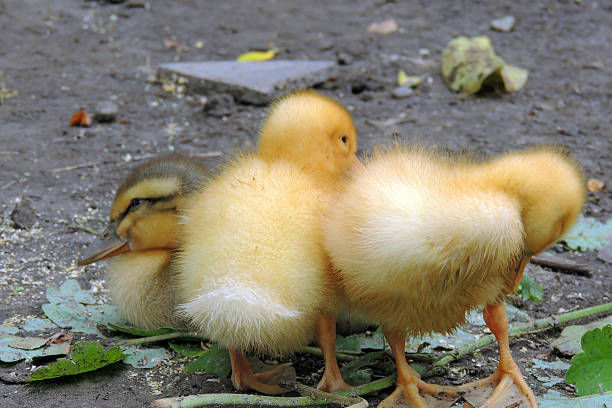
Culturally, ducks have symbolised prosperity (Chinese waterfowl art), faithfulness (Western folklore of the “two‑duck” motif), and purity (the white Pekin in ceremonial settings). These narratives elevate their visual appeal, turning an ordinary farm bird into a living work of art.
2. How to Judge “Beauty” in Ducks
Before diving into breed profiles, let’s set a framework for assessment. Beauty is subjective, yet enthusiasts converge on four measurable criteria:
- Plumage Color & Luster – Depth of hue, presence of iridescence, and overall sheen.
- Pattern Complexity – Spots, bars, lacing, and feather arrangement that create a “signature” look.
- Silhouette & Proportions – Body length, neck curvature, and leg placement influence the bird’s graceful lines.
- Movement & Posture – The elegance of a duck’s stride, swimming glide, and courtship display adds a kinetic dimension to its aesthetics.
A breed excelling in three or more categories often earns the “show‑stopper” label among fanciers. Throughout this guide, each breed is rated on a 1‑5 star scale for those four pillars, followed by a brief justification.
3. The Iconic Classics
3.1. Pekin (Domestic White Duck)
- Origin: China, 1870s (exported to the West via the U.S.)
- Plumage: Snow‑white, soft, with a faint yellow wash on the head.
- Color/Luster: ★★★★★ – The pure white reflects light like a silk drape, creating a spectacular sheen when sunlight hits the bill.
- Pattern: ★★☆☆☆ – Uniform coloration, no pattern.
- Silhouette: ★★★★☆ – Broad body, short neck, robust stance; a classic “bill‑and‑body” silhouette.
- Movement: ★★★☆☆ – Sturdy waddles; not the most graceful swimmer but commands a regal presence.
Why it’s a Classic: The Pekin is the breed most people picture when they think “duck.” Its pristine plumage has made it a staple in show rings, photography, and commercial farms.
3.2. Aylesbury (British White Duck)
- Origin: Aylesbury, Buckinghamshire, England (mid‑1800s).
- Plumage: Bright white with a creamy pinkish tinge on the head; a subtle “powder‑puff” effect.
- Color/Luster: ★★★★★ – The soft, downy covering gives a cloud‑like texture.
- Pattern: ★★☆☆☆ – Uniform, but the slight pink hue adds nuance.
- Silhouette: ★★★★★ – Long neck, elegant curve, and a slender, elongated body—often compared to a swan in miniature.
- Movement: ★★★★☆ – Graceful gliders on water; smooth, almost ballet‑like waddles on land.
Why it’s a Classic: The Aylesbury’s aristocratic lineage, once prized by Victorian aristocracy, makes it a symbol of refined beauty.
3.3. Rouen (French Heavy Duck)
- Origin: France, early 20th century (selective breeding from the Mallard).
- Plumage: Deep copper‑brown head, black rump, white breast, and a bold “saddle” pattern.
- Color/Luster: ★★★★☆ – Metallic bronze sheen on head and neck.
- Pattern: ★★★★☆ – Contrasting black and white creates an eye‑catching “mask.”
- Silhouette: ★★★★☆ – Larger than a Pekin, with a long neck and a proud carriage.
- Movement: ★★★☆☆ – Heavy on land, but glides majestically in water.
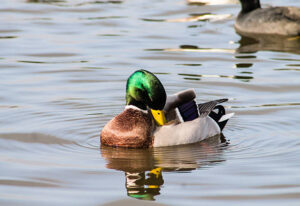
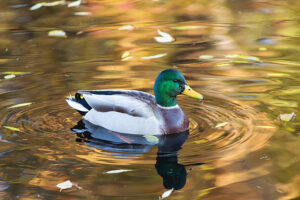
Why it’s a Classic: Rouen is essentially a domestic Mallard on steroids, possessing the wild‑type coloration with amplified size, making it a favourite for both show and ornamental pond‑scapes.
3.4. Muscovy (Cairina moschata)
- Origin: South‑America (Brazil, Peru) – wild ancestors still roam the Amazon.
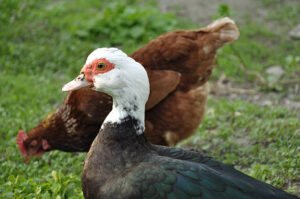
- Plumage: Deep black with iridescent green and purple highlights; a feathered “hood” over the head.
- Color/Luster: ★★★★★ – The black feathers reflect a midnight‑blue iridescence, especially under low‑angle light.
- Pattern: ★★☆☆☆ – Uniform; the intrigue lies in the sheen.
- Silhouette: ★★★★☆ – Tall, slender body, long neck, and a distinctive “candle‑like” posture.
- Movement: ★★★★☆ – Graceful and silent flyers; on water they create ripples like a black silk sheet.
Why it’s a Classic: Muscovy’s exotic origins and striking black plumage make it a dramatic centerpiece for any avian collection.
4. The Exotic Showstoppers
4.1. Indian Runner (Decoy/Utility Duck)
- Origin: India (exported via England, 1800s).
- Plumage: Wide palette – white, black, brown, blue, and the celebrated “buff” (golden‑tan).
- Color/Luster: ★★★★☆ – Bright, glossy feathers that shine in the sun.
- Pattern: ★★★☆☆ – Usually solid, but some individuals exhibit “lace” feather edging.
- Silhouette: ★★★★★ – Upright, slender, with a long, straight neck reminiscent of a standing duck statue.
- Movement: ★★★★★ – The hallmark running gait (hence the name) is both functional and aesthetically mesmerizing.
Why it’s a Showstopper: The Indian Runner’s vertical posture creates a striking visual contrast against more horizontal ducks, making it a favorite in “action” photography.
4.2. Khaki Campbell (Egg‑Laying Powerhouse)
- Origin: United Kingdom, early 1900s (cross‑breeding of Khaki and Campbell).
- Plumage: Subtle khaki‑green body with a darker, almost black head; a faint “breast‑spot” in some lines.
- Color/Luster: ★★★★☆ – Earthy tones blend harmoniously, especially amid natural pond foliage.
- Pattern: ★★☆☆☆ – Uniform, but the muted palette creates a “camouflaged elegance.”
- Silhouette: ★★★★☆ – Slightly elongated with a gentle curve, giving a sleek, streamlined look.
- Movement: ★★★★☆ – Fast walkers and strong swimmers; the breed’s agility adds to its appeal.
Why it’s a Showstopper: Though primarily valued for egg production, the Khaki Campbell’s subtle, natural coloration makes it look like a wild‑type duck that has been gently domesticated.
4.3. Mandarin (Chinese Crested Duck)
- Origin: China, centuries‑old ornamental breed.
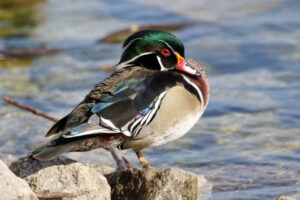
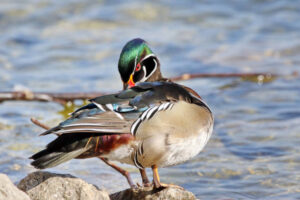
- Plumage: Vivid orange‑red head, emerald green back, and bright blue “sail‑like” wings.
- Color/Luster: ★★★★★ – The vivid primary colors are almost fluorescent, especially under midday light.
- Pattern: ★★★★☆ – Distinctive “sail” wing pattern, white belly, and a black “mask.”
- Silhouette: ★★★★☆ – Medium size, short neck, and a compact, compact body that emphasizes the flamboyant head.
- Movement: ★★★☆☆ – Less graceful in water but a charismatic waddler on land.
Why it’s a Showstopper: The Mandarin’s rainbow‑like palette makes it the “fireworks” of any flock. Photographers love the contrast of its bright head against a muted pond background.
4.4. Call Duck (Miniature Waterfowl)
- Origin: Netherlands, 16th‑century water fowls, later refined in England.
- Plumage: Wide variety – white, black, blue, chocolate, and tricolor (white‑blue‑black).
- Color/Luster: ★★★★☆ – Small, dense feathers reflect a crisp, glossy finish.
- Pattern: ★★★★☆ – The tricolor “pied” pattern is especially striking.
- Silhouette: ★★★★☆ – Petite body with a compact “pocket‑size” silhouette that’s perfect for close‑up portraiture.
- Movement: ★★★★★ – Agile and lively; their rapid footwork creates a blur of beauty.
Why it’s a Showstopper: The Call duck’s tiny size paired with dramatic color varieties yields a “micro‑beauty” that’s ideal for indoor aviaries and high‑resolution macro photography.
5. The Pattern‑Perfect Performers
5.1. Welsh Harlequin
- Origin: Wales, early 1900s (cross‑breeding of Rouen, Aylesbury, and Call).
- Plumage: Glossy black head, white chest, and striking silver‑gray body with a black “saddle.”
- Color/Luster: ★★★★☆ – The black‑white contrast creates a high‑contrast visual pop.
- Pattern: ★★★★★ – The Harlequin pattern (black‑white “checkered” body) is one of the most elaborate among domestics.
- Silhouette: ★★★★☆ – Medium size, elegant neck curve.
- Movement: ★★★★☆ – Graceful both on land and water, the pattern appears to “dance” as the duck preens.
Why it’s a Pattern‑Perfect Performer: Its bold, graphic design lends itself to striking black‑and‑white photography, reminiscent of classic portrait art.
5.2. Black East Indian
- Origin: India, 19th‑century imports to the West.
- Plumage: Deep, glossy black with a subtle metallic green sheen on the head and neck.
- Color/Luster: ★★★★★ – The black is richer than most domestic breeds, reflecting a midnight‑blue iridescence.
- Pattern: ★★☆☆☆ – Uniform, but the luster itself becomes the pattern.
- Silhouette: ★★★★☆ – Compact body, short neck—resembles a miniature Muscovy.
- Movement: ★★★★☆ – Silky swimmers; on land they glide with an almost floaty quality.
Why it’s a Pattern‑Perfect Performer: The uniform black is a canvas for light‑play, ideal for silhouette shots at dusk or sunrise.
5.3. Crested (Crested Duck)
- Origin: United Kingdom, 1900s (spontaneous mutation of the Call).
- Plumage: Typically white or black with a distinct feather crest atop the head.
- Color/Luster: ★★★★☆ – The crest adds depth, catching light like a feathered crown.
- Pattern: ★★★★☆ – The crest is a living ornament, making each bird unique.
- Silhouette: ★★★★★ – The crest gives an unusual silhouette that stands out instantly.
- Movement: ★★★★☆ – Quick, energetic; the crest bobs with every stride, adding kinetic flair.
Why it’s a Pattern‑Perfect Performer: The crest transforms an ordinary duck into a “feathered royalty”, a favorite among fanciers who love individuality.
6. The Subtle Elegants
6.1. Swedish (Blue Swedish, Black Swedish, White Swedish)
- Origin: Sweden, late 1800s (selection for utility and looks).
- Plumage: Blue Swedish – Metallic steel‑blue body with a black head; Black Swedish – Deep black with a glossy sheen; White Swedish – Pure white with a small black “saddle.”
- Color/Luster: ★★★★☆ – The blue metallic shade is especially mesmerizing under water.
- Pattern: ★★★☆☆ – The black “saddle” or head pattern adds subtle contrast.
- Silhouette: ★★★★☆ – Long neck, slender body, giving a graceful elongated line.
- Movement: ★★★★☆ – Smooth swimmers; the blue reflects the sky, creating a mirror effect.
Why they’re Subtle Elegants: Their soft, muted tones blend harmoniously with natural surroundings, making them look like ghosts of the pond.
6.2. Saxony (German Heavy Duck)
- Origin: Germany, early 1900s (from the Mallard and Rouen).
- Plumage: Rich mahogany chest, black tail, and a white belly—a sophisticated “two‑tone” look.
- Color/Luster: ★★★★☆ – The dark chest exhibits a warm, amber glow.
- Pattern: ★★★★☆ – Contrasting white belly acts as a visual break.
- Silhouette: ★★★★☆ – Robust body, long neck, regal carriage.
- Movement: ★★★☆☆ – Heavy on land, but glides with noble poise in water.
Why it’s a Subtle Elegant: The balance of warm and cool tones gives a sophisticated presence without overwhelming flashiness.
6.3. Blue Swedish (Special Mention)
- The blue is actually a dilution of black pigment—this creates a pearl‑like sheen that changes from teal to deep navy with viewing angle, a phenomenon known as structural coloration.
Photographer’s Tip: Capture Blue Swedish ducks during the “golden hour”; the plumage will appear liquid sapphire.
6.4. Call Duck (Mini‑Marvels) – Re‑highlighted for subtle beauty
- While the Call’s dramatic patterns are obvious, many enthusiasts cherish the soft, downy down of the white and pastel varieties. The down catches light like cotton fluff, ideal for macro shots.
7. Rare & Regional Gems
| Breed | Origin | Distinctive Feature | Visual Rating (⭐/5) |
|---|---|---|---|
| Ancona | Italy | Speckled “salt‑and‑pepper” plumage | ★★★★☆ |
| Magpie (German Magpie Duck) | Germany | Black‑white “magpie” pattern with a bright orange bill | ★★★★★ |
| German Pekin | Germany | Darker, richer brownish‑gold plumage compared to the white Pekin | ★★★★☆ |
| Chinese Spot‑Billed | China | Small size, distinctive spotted bill, slate‑gray body | ★★★☆☆ |
| Muscovy (Crested Muscovy) | Brazil/Peru | Rare crest on a classic Muscovy body | ★★★★★ |
| Shetland Duck | Scotland (Shetland Isles) | Heavy, rounded body; deep coppery head | ★★★★☆ |
These breeds often escape mainstream show circuits, making them prized by collectors who enjoy uncovering under‑the‑radar beauty.
8. Choosing the Right Breed for Your Yard
| Consideration | Best Match | Reason |
|---|---|---|
| Limited Space (≤ 200 sq ft) | Call Duck, Mandarin, Khaki Campbell (mini lines) | Small body, low vertical space requirement |
| Warm, Humid Climate | Muscovy, Indian Runner, Khaki Campbell | Heat‑tolerant skin and efficient evaporative cooling |
| Cold, Snowy Winters | Aylesbury, Swedish, Pekin | Dense down and sturdy bodies retain heat |
| Family‑Friendly (Children) | Pekin, Call Duck, Welsh Harlequin | Docile temperament, easy handling |
| Egg Production Focus | Khaki Campbell, Indian Runner | Highest Laying rates (up to 300 eggs/yr) |
| Show‑Ring Aspirations | Rouen, Mandarin, Magpie, Welsh Harlequin | Recognized standards, high visual impact |
| Aquatic Pond Aesthetic | Mandarin, Muscovy, Swedish (blue) | Bold water‑friendly colors and graceful swimming |
When making a decision, balance aesthetics with practicality. A spectacularly patterned duck that can’t thrive in your region will quickly turn from a visual delight into a maintenance nightmare.
9. Housing, Nutrition & Health Basics
9.1. Housing Essentials
- Coop Size – Minimum 4 sq ft per duck for standing room; 2–3 sq ft per duck for nesting boxes.
- Ventilation – Ducks need fresh air to prevent respiratory issues. Install adjustable vents at both low and high points.
- Water Access – Provide deep water (≥12 in) for bathing; ducks submerge their heads to clean feathers.
- Predator Proofing – Use hardware cloth with ≤½‑inch mesh; secure doors with latch bolts.
- Bedding – Straw, wood shavings, or sand work; replace weekly to avoid mold.
9.2. Nutritional Guidelines
| Nutrient | Source | Daily Requirement (per duck) |
|---|---|---|
| Protein | Soybean meal, fish meal, insects | 16% for layers, 20% for growing ducklings |
| Calcium | Limestone, oyster shells | 4 g for laying hens; 2 g for non‑layers |
| Vitamins | Green leafy veggies, fortified pellets | A, D, E, K for feather health |
| Energy | Corn, wheat, barley | 2,800–3,200 kcal/kg feed |
Feeding Tip: Offer fresh greens (dandelion, lettuce) and water plants (duckweed) to mimic natural foraging and improve plumage sheen.
9.3. Common Health Issues
| Issue | Symptoms | Prevention |
|---|---|---|
| Bacterial Enteritis | Diarrhea, lethargy | Clean water, rotate feed containers |
| Muscovy Duck “Muscovy Disease” (Mycoplasma) | Respiratory distress | Quarantine new birds, vaccinate if available |
| Duckling Pox | Scabs on unfeathered areas | Biosecurity, avoid contact with wild birds |
| Egg‑Binding (in layers) | Straining, no eggs laid | Proper calcium, ensure enough space for laying |
| Feather Molting Problems | Patchy, dull feathers | Balanced diet, reduce stress during molt |
Regular vet checks (twice a year) and biosecurity drills (foot baths, hand washing) keep your flock picture‑perfect.
10. Photographing Feathered Works of Art
10.1. Gear & Settings
| Gear | Recommended Specs |
|---|---|
| Camera | DSLR or mirrorless with APS‑C or full‑frame sensor |
| Lens | 70‑200 mm f/2.8 (portrait) or 24‑70 mm f/2.8 (environment) |
| Tripod | Light carbon‑fiber for stability on water banks |
| Polarizing Filter | Reduces glare on water and enhances plumage colors |
| External Flash | Diffused with softbox for subtle fill light |
Settings: Shoot in RAW, ISO 200–400 (or lower if daylight), aperture f/4‑f/5.6 for depth-of-field control, shutter speed ≥1/500 s to freeze movement.
10.2. Lighting Techniques
- Golden Hour (30 min after sunrise / before sunset) – Warm light accentuates golden reds (Mandarin) and bronze iridescence (Muscovy).
- Backlighting – Place the sun behind the duck; the feathers become silhouettes with glowing edges—perfect for Black East Indian or Ancona.
- Side‑Lighting – Highlights texture on the duck’s breast and wing feathers; ideal for showcasing the Crested’s feather crown.
10.3. Composition Rules
- Rule of Thirds – Keep the duck’s eye on a intersecting line for engaging portraits.
- Leading Lines – Use pond reeds or dock rails to guide the viewer’s eye toward the bird.
- Negative Space – Let the duck breathe within the frame; a white Pekin against a blue sky exemplifies clean minimalism.
- Dynamic Motion – Capture a running Indian Runner mid‑stride; use burst mode (10‑15 fps).
10.4. Post‑Processing
- Color Balance – Adjust temperature to retain natural feather tones; avoid oversaturation.
- Clarity & Sharpness – Apply localized sharpening to the head and wing edges; keep the background soft.
- Noise Reduction – Minimal; preserve feather detail.
- Water Reflections – Use clone stamp or layer mask to remove unwanted reflections if they distract.
11. Show‑Ring Preparation & Presentation
- Pre‑Show Grooming – Daily preening sessions (soft brush) for 7 days prior.
- Feather Conditioning – Apply a light spray of water followed by a fine mist of vitamin‑E oil to boost shine (use sparingly).
- Body Condition Scoring – Ideal body weight: 4.5–5 lb for Pekin, 5.5–6 lb for Rouen, 2.5–3 lb for Mandarin.
- Ring‑Ready Attire – Ensure the bird’s feet are clean; trim over‑grown foot feathers (the “sock” over the claw).
- Handling Techniques – Support the breast and hindquarters; avoid squeezing the wings to prevent feather damage.
- Scoring Categories –
- General Appearance: overall health, posture.
- Plumage: color, luster, pattern adherence.
- Structure: body shape, conformation to breed standard.
- Behavior: calmness, response to handler.
Tip: Practice “ring walk” in your yard before the show; this reduces stress and steadies the bird’s posture.
12. Conservation & Ethical Breeding
- Heritage Lines – Preserve original genetic pools (e.g., original Mandarins from Zhejiang Province).
- Avoid Inbreeding Depression – Maintain a minimum effective population size of 30 unrelated individuals per breed.
- Health Screening – Test for Mycoplasma, Avian Influenza, and Duck Circovirus before breeding.
- Sustainable Feather Trade – If selling feathers for crafts, ensure they are molted naturally and not harvested from live birds.
- Adopt‑Not‑Buy – Many rescue farms house abandoned ornamental ducks needing homes.
By fostering genetic diversity and responsible stewardship, enthusiasts ensure that tomorrow’s visual feasts are as vibrant as today’s.
13. Frequently Asked Questions
| Q | A |
|---|---|
| Can I keep a Mandarin in a temperate climate? | Yes, but provide indoor shelter during winter; Mandarins are sensitive to prolonged cold. |
| Do Call Ducks make good pets for children? | Absolutely; they’re small, friendly, and enjoy handling. Supervise to avoid accidental feather pulling. |
| How many eggs does a Khaki Campbell lay per year? | Up to 300 eggs under optimal conditions (good nutrition, 14‑hour light cycle). |
| Do Muscovies need a water source for bathing? | They prefer shallow water for cleaning but are also comfortable dust‑bathing. |
| Is it legal to sell ducklings online? | Varies by country/state; always check local livestock regulations and ensure sellers comply with animal welfare standards. |
14. Closing Thoughts – The Never‑Ending Palette
The world of ornamental ducks is a living gallery, constantly evolving as breeders experiment with new color dilutions, pattern recombinations, and cross‑continental genetics. From the blazing Mandarin to the subtle Swedish, each breed offers a unique brushstroke on the canvas of avian beauty.
Whether you’re a backyard hobbyist, a professional photographer, or a show‑ring competitor, the breeds highlighted here provide infinite inspiration. Keep exploring, stay curious, and remember: the most beautiful duck is the one that thrives in health, happiness, and harmony with its environment.
Happy feather‑watching!
#BeautifulDucks, #OrnamentalDucks, #DuckPhotography, #ShowRingDucks, #MandarinDuck, #IndianRunner, #KhakiCampbell, #PekinDuck, #AylesburyDuck, #MuscovyDuck, #WelshHarlequin, #BlackEastIndian, #CrestedDuck, #SwedishDuck, #SaxonyDuck, #CallDuck, #RouenDuck, #BackyardPoultry, #FeatheredArt, #DuckPlumage, #DuckLovers, #WaterfowlPhotography, #DuckBreeds, #RareDucks, #DuckConservation, #DuckHealth, #DuckHousing, #DuckNutrition, #DuckBreeding, #AvianBeauty, #FeatheredFriends, #PondLife, #DuckEnthusiasts, #FlockManagement, #DuckShowPrep, #DuckPattern, #DuckSilhouette, #DuckMovement, #DuckTemperament, #HeritageDucks, #DuckHistory, #DuckOrigins, #DuckLifestyle, #FeatheredPalette, #DuckAesthetics, #DucksOfInstagram, #DucksOfYouTube, #DuckVideos, #DuckPhotoTips, #DuckCareGuide, #DuckEnthusiastCommunity, #DuckLoversClub, #BirdWatching, #NaturePhotography, #WildlifeArt, #DomesticDucks, #DuckLife, #FeatheredFriendsClub
Add comment