
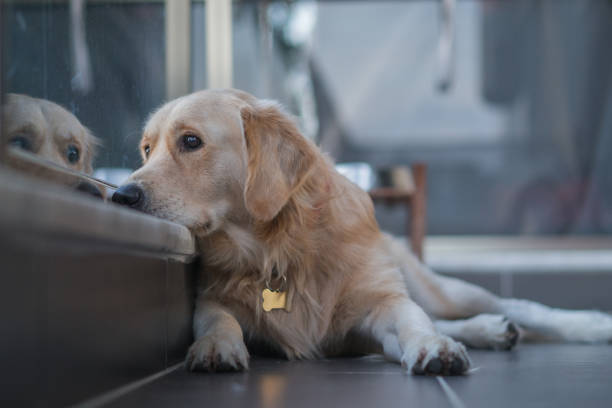
It’s wonderful that you’re looking for ways to keep your less mobile dog mentally stimulated! Play is crucial for their well-being, and even with physical limitations, there are many enriching games you can introduce. This guide will explore the power of play for less mobile dogs and offer a variety of mental games to keep their minds sharp and spirits high.
The Power of Play for Less Mobile Dogs
For any dog, play is more than just fun; it’s a vital component of their physical and mental health. For less mobile dogs, it takes on an even greater significance:
- Combats Boredom and Destructive Behavior: When dogs have limited physical outlets, boredom can set in quickly, leading to anxiety and potentially destructive behaviors like chewing, excessive barking, or pacing. Mental stimulation provides an alternative and productive outlet for their energy.
- Maintains Cognitive Function: Just like humans, dogs benefit from mental exercise. Keeping their minds active can help slow cognitive decline, especially in senior or less mobile dogs.
- Strengthens the Human-Animal Bond: Engaging in interactive games together creates positive experiences and reinforces the bond between you and your dog. It shows them you are invested in their happiness and well-being.
- Reduces Stress and Anxiety: Play can be a great de-stressor. It releases endorphins, which have mood-boosting effects and can help alleviate anxiety stemming from their limitations.
- Provides a Sense of Purpose and Accomplishment: Successfully solving a puzzle or completing a task in a game gives your dog a sense of achievement, boosting their confidence and self-esteem.
- Adaptable to Physical Limitations: The beauty of mental games is that they can be tailored to suit a dog’s individual physical abilities. You can modify the difficulty and the physical demands to ensure safety and enjoyment.
Essential Considerations Before You Begin
Before diving into games, it’s important to consider your dog’s specific needs and limitations:
- Consult Your Veterinarian: Always discuss any new activities or intense mental exercises with your veterinarian, especially if your dog has underlying health conditions. They can advise on what’s safe and appropriate.
- Understand Your Dog’s Capabilities: Be realistic about what your dog can and cannot do physically. Avoid games that require excessive jumping, running, or strenuous movement if they are not capable.
- Observe for Fatigue and Frustration: Pay close attention to your dog’s body language. If they seem tired, stressed, or frustrated, it’s time to take a break or simplify the game.
- Keep Sessions Short and Sweet: Mental exercise can be just as tiring as physical exercise. Start with short sessions (5-10 minutes) and gradually increase the duration if your dog shows interest and stamina.
- Positive Reinforcement is Key: Always use positive reinforcement, such as praise, treats, or gentle petting, to reward successes. Avoid punishment, which can create anxiety and hinder learning.
- Safety First: Ensure all toys and puzzle feeders are safe, durable, and appropriate for your dog’s size and chewing habits. Remove any damaged items.
- Patience and Consistency: Some dogs take time to learn new games. Be patient and consistent with your training, and celebrate small victories.
Mental Games to Keep Your Less Mobile Dog Engaged
Here’s a comprehensive list of mental games, categorized by their primary focus, that you can adapt for your less mobile companion:
1. Scent Work & Nose Games (Highly Recommended for All Dogs)
Scent work is incredibly rewarding and taps into a dog’s most powerful sense, requiring minimal physical exertion.
- The “Find It” Game (Simple Version):
- How to Play: Start by showing your dog a high-value treat. Let them sniff it. Then, place the treat on the floor a very short distance away (e.g., a foot) and say “Find it!” Let them eat it. Gradually increase the distance and hide the treat in increasingly obvious places (under a rug, behind a cushion).
- Adaptation: For dogs with severe mobility issues, you can place the treat just a few inches away or even hand-feed it after giving the cue. You can also hide treats on elevated surfaces within their reach if they can stand or reach.
- The “Shell Game” (Three Cup Monte):
- How to Play: You’ll need three opaque cups or bowls. Place a treat under one of them while your dog is watching. Shuffle the cups slowly. Then, point to the cup you want them to choose. If they choose correctly, they get the treat. Start with a very obvious reveal and gradually make it more challenging.
- Adaptation: Use bowls with wider openings that are easy for them to nudge or paw at. You can also place the cups on a non-slip mat for stability.
- Scent Trails:
- How to Play: Start with a simple trail of treats leading from their bed to a favorite toy or feeding area. As they progress, you can make the trail more complex, using scent articles (like your sock) along with treats.
- Adaptation: Keep the trails short and in areas where they can easily navigate without falling or straining.
- DIY Scent Boxes:
- How to Play: Use a cardboard box and place several smaller containers or toilet paper rolls inside. Put a few treats in some of the containers. Your dog’s job is to figure out how to get the treats out by nudging, pawing, or tipping the containers.
- Adaptation: Use shallow containers that are easy to access. You can also leave one end of the box open for easier entry.
2. Puzzle Feeders & Treat-Dispensing Toys
These toys are designed to make dogs “work” for their food or treats, providing mental stimulation and slowing down their eating.
- KONG Toys:
- How to Play: Stuff a KONG (or similar hollow toy) with kibble, wet food, a bit of peanut butter, or yogurt. Freeze it for a more challenging and long-lasting treat.
- Adaptation: Ensure the KONG is stable and won’t roll away uncontrollably. You can place it on a towel or in a corner to keep it in place. For dogs with very limited paw dexterity, you might need to hold it for them initially.
- Snuffle Mats:
- How to Play: Hide kibble or small treats within the fabric strips of a snuffle mat. Your dog uses their nose to forage for the food.
- Adaptation: Snuffle mats are generally low-impact and ideal for less mobile dogs. Ensure the mat is placed on a non-slip surface.
- Interactive Puzzle Toys:
- How to Play: There are many commercially available puzzle toys with sliding parts, spinning elements, or compartments that your dog needs to manipulate to get treats. Start with the easiest level and progress as they learn.
- Adaptation: Choose puzzles appropriate for their dexterity. Some dogs might do better with paw-operated puzzles, while others can use their noses. Ensure they can reach these toys comfortably.
3. Training & Learning New Skills
Even with physical limitations, training can be incredibly beneficial. Focus on skills that don’t require extensive movement.
- Trick Training (Adapted):
- How to Play: Teach simple tricks like “shake,” “bang” (play dead), “speak” (if they can bark easily), “spin” (a small turn), or “touch” (touching your hand with their nose).
- Adaptation: Break down tricks into tiny steps. Reward any approximation of the desired behavior. For “play dead,” you might simply reward them for lying down and remaining still for a moment.
- Name Recognition & Object Association:
- How to Play: Teach your dog the names of their toys. Place a few toys out and ask them to “fetch [toy name].”
- Adaptation: Start with one or two toys and very short distances. Reward them for looking at or nudging the correct toy.
- Target Training:
- How to Play: Teach your dog to touch a target (like the end of a chopstick or your finger) with their nose. This can be a foundation for other tricks.
- Adaptation: This requires very little movement and can be done from a comfortable resting position.
- “Stay” and “Wait” Commands:
- How to Play: Reinforce or teach solid “stay” and “wait” commands. This builds impulse control and can be useful for managing their environment.
- Adaptation: Practice these commands while they are lying down or in a stable standing position.
4. Sensory Enrichment
Engage their senses beyond scent and taste.
- Listening Games:
- How to Play: Play different sounds (nature sounds, calming music, squeaky toys) at varying volumes and see how they react. You can also play recordings of their favorite sounds.
- Adaptation: This requires no physical movement and can be done while they are resting.
- Tactile Exploration:
- How to Play: Offer them different textures to interact with. This could be a new soft blanket, a bumpy mat, or even a bag of crinkly paper (supervised, of course!).
- Adaptation: Place these items within their reach and let them explore at their own pace.
- Visual Stimulation:
- How to Play: If your dog is visually stimulated, you can use a laser pointer (used cautiously and never shone directly in their eyes, with breaks so they can “catch” a treat) or hanging toys that move gently.
- Adaptation: Ensure their vision is good enough to track moving objects or that they enjoy watching things. Always end laser pointer play by having them “catch” a treat to avoid frustration.
5. Interactive (Gentle) Play
Even if they can’t chase a ball, there are ways to play interactively.
- Tug-of-War (Modified):
- How to Play: Use a sturdy rope toy. Have your dog hold one end while you gently tug. Let them win often.
- Adaptation: Ensure your dog is in a stable position and not straining their neck or back. Keep the tugging gentle. If they can’t grip well, this might not be suitable.
- Gentle “Chase” with a Toy:
- How to Play: Gently drag a toy slowly on the floor in front of them. See if they will reach out and grab it or give it a nudge.
- Adaptation: This is best for dogs who have some limb function but can’t chase.
- Buddy Games (with another dog, if applicable):
- How to Play: If you have another well-matched dog, they can engage in gentle play. Supervise closely to ensure the less mobile dog isn’t overwhelmed.
- Adaptation: Ensure the play is balanced and the more mobile dog is aware of their companion’s limitations.
Creating a Play Schedule & Making it Fun
- Consistency is Key: Incorporate short play sessions into your daily routine.
- Variety is the Spice of Life: Rotate through different games to keep things interesting and prevent boredom.
- Follow Your Dog’s Lead: Pay attention to what your dog enjoys most and tailor their play activities accordingly.
- Celebrate Successes: Every small step and achievement is worth celebrating with praise and rewards.
- Don’t Force It: If your dog isn’t in the mood, don’t push them. There will be other opportunities.
- Involve the Whole Family: Encourage other family members to participate in playtime.
When to Seek Professional Help
If you’re unsure about how to adapt games, your dog is showing signs of stress or aggression during play, or you’re struggling to find suitable activities, consider consulting:
- Your Veterinarian: For any health concerns or advice on physical limitations impacting play.
- a Certified Professional Dog Trainer (CPDT-KA or CPDT-KSA): Especially one with experience in canine behavior or rehabilitation. They can offer personalized guidance and demonstrate techniques.
- a Certified Applied Animal Behaviorist (CAAB) or Veterinary Behaviorist: For more complex behavioral issues related to their reduced mobility.
Conclusion
The power of play extends far beyond physical activity. For your less mobile dog, mental games are a lifeline to a fulfilling and happy life. By understanding their limitations and creatively adapting activities, you can provide them with essential cognitive stimulation, strengthen your bond, and ensure they continue to thrive, one engaging game at a time. Your dedication to their mental well-being will be rewarded with a happier, more contented companion.






Add comment