
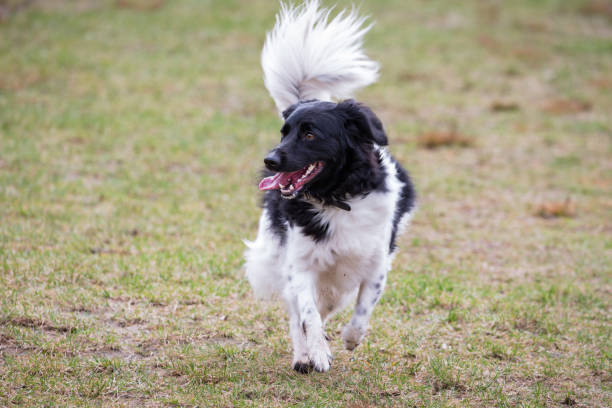
Potty training a new dog or puppy is a monumental rite of passage for any pet owner. It’s a period fraught with anticipation, frequent trips outdoors, copious amounts of praise, and, inevitably, a few frustrating accidents. In the vast landscape of potty training methods, one tool frequently surfaces as both a savior and a source of confusion: the humble potty pad. Also known as pee pads, training pads, or puppy pads, these absorbent squares promise convenience and a cleaner home, but their role in effective house-training is a subject of ongoing debate among trainers, veterinarians, and pet parents alike.
This comprehensive guide aims to dissect the multifaceted nature of potty pads, offering an exhaustive exploration of their advantages and disadvantages. We will delve deep into various scenarios where they might be beneficial, alongside the potential pitfalls and behavioral challenges they can introduce. Our goal is to equip you with the knowledge necessary to make an informed decision: are potty pads the right choice for your dog, your lifestyle, and your specific training goals? By understanding the nuances of this popular training aid, you can navigate the potty training journey with greater confidence and set your canine companion up for long-term success.
Understanding Potty Pads: What Are They and How Do They Work?
Before we weigh the pros and cons, it’s crucial to understand what potty pads are and their intended function. At their core, potty pads are absorbent mats designed to provide an indoor designated spot for dogs to relieve themselves. They typically consist of several layers: a waterproof plastic backing to protect floors, an absorbent core (often made of super-absorbent polymers, similar to those found in baby diapers) to trap liquid and odor, and a soft, often quilted top layer.
Types of Potty Pads:
- Basic Disposable Pads: The most common type, offering simple absorbency and a waterproof barrier.
- Scented Pads: Infused with an “attractant” scent (often ammonia-like or pheromone-based) to encourage dogs to use them.
- Activated Charcoal Pads: Designed for enhanced odor absorption, beneficial in smaller spaces or when pads cannot be changed immediately.
- Reusable Pads: Made of washable, multiple-layered fabric, offering an eco-friendly and cost-effective alternative to disposables. They still provide absorbency and a waterproof layer.
- Synthetic Grass/Turf Pads: These mimic the feel of real grass and often come with a tray system that collects urine, providing a more “natural” indoor potty experience, usually easier to transition from to outdoor elimination.
How They Work (Theoretically): The primary mechanism behind potty pads is to offer a consistent, designated indoor spot for elimination. The attractant scents, if present, are meant to draw the dog to the pad. Once the dog uses the pad, the absorbency locks away moisture and often some odor, preventing messes on floors. From a training perspective, the idea is to teach the dog that “this spot is for potty,” which can then, theoretically, be generalized to “potty outside.”
A Common Misconception: Many new pet owners view potty pads as a permanent solution to indoor elimination, especially for small breeds or apartment dwellers. However, for most dogs and owners, they are best utilized as a transitional tool or a contingency plan, rather than the ultimate goal of potty training. Failing to distinguish between these two approaches is often where challenges arise.
Let’s now dive into the detailed exploration of their advantages and disadvantages.
The Pros of Potty Pads: A Convenient Aid for Specific Scenarios
Potty pads, when used judiciously and with a clear understanding of their role, can offer significant benefits for both dogs and their owners in a variety of situations. They are not universally bad, but rather a tool whose utility depends heavily on context and implementation.
1. Convenience for Owners and Management of Busy Lifestyles
One of the most frequently cited advantages of potty pads is the unparalleled convenience they offer, particularly for owners with demanding schedules or specific living situations.
- Busy Schedules and Long Hours: For individuals who work long hours, have unpredictable schedules, or are frequently away from home for extended periods, potty pads can be a lifeline. A young puppy, or even an adult dog, cannot hold its bladder for 8-10 hours. Potty pads provide a legitimate indoor relief option, preventing accidents and the associated stress and cleanup. This system means the dog doesn’t have to “hold it” uncomfortably or resort to secretly soiling a rug. It allows owners to leave their pet without extreme guilt and come home to a potentially cleaner environment.
- Bad Weather Alternatives: Imagine torrential rain, heavy snow, freezing temperatures, or oppressive heat and humidity. These extreme weather conditions are not only uncomfortable but can be dangerous for some dogs, especially very young puppies, seniors, or small breeds that are more susceptible to hypothermia or heatstroke. Potty pads provide a safe, dry, and temperature-controlled indoor alternative when outdoor potty breaks are impractical or unsafe. This avoids exposing your dog to harsh elements, cold paws, or slick surfaces.
- Late-Night and Early-Morning Relief: Puppies, elderly dogs, and dogs with medical conditions often need to relieve themselves much more frequently, including multiple times during the night. Waking up every few hours to take a puppy outside, especially if you live in a multi-story building or have limited outdoor access, is exhausting. Potty pads offer a designated spot near the dog’s sleeping area, allowing them to relieve themselves without disturbing the entire household or waiting for an owner to get dressed and go outside. This promotes better sleep for both dog and owner.
- Apartment and High-Rise Living: For residents of high-rise apartments or sprawling complexes, simply getting outside for a quick potty break can be a significant ordeal. It often involves elevators, long hallways, and navigating common areas. Potty pads eliminate this logistical challenge, providing an immediate and accessible indoor option. This can be particularly valuable during the critical early weeks of a puppy’s life when frequent potty breaks (every 20-30 minutes for a young pup) are essential.
- Temporary Solutions During Travel: When traveling with your dog, whether for a short trip or an extended vacation, potty pads can be incredibly useful. Hotel rooms, unfamiliar environments, or long car rides might not always offer immediate or suitable outdoor potty spots. Pads can provide a safe and controlled area for your dog to relieve themselves, reducing stress for the dog and ensuring hotel cleanliness rules are respected.
2. Health and Safety Considerations
Potty pads aren’t just about convenience; they can play a vital role in safeguarding a dog’s health and safety, particularly during vulnerable life stages or medical situations.
- Protection for Unvaccinated Puppies: One of the most critical uses for potty pads is protecting young, unvaccinated puppies from contagious diseases. Before a puppy has completed its full series of vaccinations (typically around 16 weeks of age), their immune system is highly vulnerable to illnesses like Parvovirus, Distemper, and Leptospirosis, which can be present in public outdoor spaces where other dogs have eliminated. Potty pads allow puppies to learn proper elimination habits indoors without risking exposure to harmful pathogens. This is an indispensable tool for responsible puppy ownership.
- Post-Surgery or Illness Recovery: Dogs recovering from surgery, injury, or severe illness often have restricted mobility. They might be unable to navigate stairs, walk long distances, or even go outside independently. Potty pads provide an accessible, low-effort solution, allowing them to relieve themselves close to their resting area without putting strain on their healing body. This promotes faster recovery and reduces the risk of complications from overexertion.
- Elderly or Arthritic Dogs: Senior dogs often experience a decline in bladder and bowel control, develop arthritis, or suffer from other age-related mobility issues. They may struggle to hold their urine for extended periods, have difficulty getting up and down stairs, or find it painful to walk far. Potty pads offer a compassionate solution, allowing these beloved companions to maintain their dignity and relieve themselves indoors when frequent outdoor trips become impossible or uncomfortable. This significantly improves their quality of life in their golden years.
- Small Breeds and Their Unique Needs: Smaller dog breeds generally have smaller bladders and metabolisms, requiring more frequent potty breaks. They are also more susceptible to cold weather due to their lower body mass and can struggle to navigate rough terrain or deep snow. For these breeds, potty pads can be a practical and often necessary tool, especially during harsh weather or if they are prone to “potty strikes” in uncomfortable conditions.
3. A Transitional Tool in the Training Process
When used strategically, potty pads can act as an effective bridge in the journey towards full outdoor house-training, rather than a permanent destination.
- Establishing a Designated Potty Spot Indoors: For a young puppy, the concept of “potty outside” is entirely new. Potty pads can help establish the foundational concept of a designated potty spot. By consistently directing the puppy to the pad and rewarding them for using it, you teach them that elimination should occur in a specific, acceptable area, rather than randomly throughout the house. This initial understanding of a “potty zone” can then be gradually transitioned outdoors.
- Gradual Introduction to Outdoor Training: The transition from pads to outdoor elimination can be managed incrementally. Once a dog consistently uses the pad, the pad can be slowly moved closer to the door, then just outside the door, and eventually removed entirely. This systematic approach helps dogs generalize the learned behavior to a new location. It prevents the sudden, abrupt change that can confuse some dogs and may reduce anxiety associated with outdoor elimination.
- Reducing Anxiety for Shy or Fearful Dogs: Some dogs, especially those from rescue situations or with limited early socialization, can be fearful or anxious about going outside, particularly in noisy, busy, or unfamiliar environments. They might be overwhelmed by the sights, sounds, and smells, making them reluctant to relieve themselves. Potty pads offer a low-stress, controlled indoor environment where they can comfortably eliminate, building confidence before gradually introducing them to the outdoor world.
4. Managing Specific Behavioral Issues
While not a cure, potty pads can sometimes help manage specific elimination-related behavioral challenges.
- Submissive or Excitement Urination: Some dogs, especially puppies, may urinate involuntarily when overly excited (e.g., when a guest arrives) or when feeling submissive (e.g., when being greeted or scolded). While the root cause needs to be addressed through training and behavior modification, strategically placed potty pads can help contain these accidents, protecting floors and reducing cleanup stress, while the underlying issues are worked on.
5. Hygiene and Damage Control
Potty pads are fundamentally designed to contain messes, offering practical benefits in terms of home hygiene and property protection.
- Protecting Floors, Carpets, and Furniture: This is perhaps the most obvious benefit. Accidents directly on hardwood floors can cause staining and warping, while carpet accidents lead to deep-seated odors and can be incredibly difficult to clean thoroughly. Potty pads absorb urine and act as a barrier, preventing damage to expensive flooring, rugs, and upholstery. This saves homeowners significant cleaning time, repair costs, and frustration.
- Easier Cleanup: Cleaning up a soiled potty pad is generally much simpler and quicker than scrubbing urine out of a carpet or mopping up a puddle on hard floors. You simply fold the pad, dispose of it, and replace it. This convenience significantly reduces the “ick” factor and the labor involved in managing accidents, making the entire potty training process less daunting.
- Odor Control: Many modern potty pads come with specific features designed to neutralize or minimize urine odors, such as activated charcoal layers or baking soda ingredients. While no pad can completely eliminate all odor indefinitely, these features can help maintain a fresher indoor environment, especially in homes where pads are used regularly or for longer periods between changes.
In summary, when faced with specific constraints related to time, weather, health, or living arrangements, potty pads can be an invaluable, compassionate, and practical tool. However, their utility is often tied to temporary or specific circumstances, and their unsupervised or prolonged use can introduce a host of challenges.
The Cons of Potty Pads: Potential Pitfalls and Training Challenges
While potty pads offer undeniable advantages in specific scenarios, their unsupervised, prolonged, or incorrectly implemented use can introduce significant challenges, often prolonging the very training they are meant to assist. Understanding these downsides is crucial for making an informed decision.
1. Prolonging and Confusing Outdoor Training
This is arguably the most significant drawback of potty pads. They can inadvertently create a “two-potty-spot” system that confuses dogs and hinders the ultimate goal of consistent outdoor elimination.
- Mixed Signals and Confusion: Dogs learn by association. If a dog is taught that it’s acceptable to eliminate on a soft, absorbent surface indoors (the potty pad), it becomes challenging for them to understand why going on a rug, bath mat, or even a pile of clothes is not acceptable. The distinction between the “right” soft surface and the “wrong” soft surface is lost on many dogs, leading to “misses” or using other household items. It fundamentally teaches the dog that indoor elimination is sometimes okay, which directly contradicts the goal of full house-training.
- Delaying Full House Training: The more a dog relies on potty pads, the longer it takes for them to grasp the concept that all elimination should happen outdoors. Owners may become complacent, relying on the pads instead of consistently taking the dog outside. This can create a “pad dependency,” where the dog actively prefers to go indoors on a pad, even when given the opportunity to go outside. The longer this indoor-only habit persists, the harder it is to break.
- Difficulty Transitioning Outdoors: The transition from pads to grass can be problematic. Dogs, especially those exclusively trained on pads, may develop a strong surface preference for the pad material. When taken outdoors, they might sniff around, hold it, and then rush back inside to relieve themselves on their familiar pad. They may be uncomfortable or unsure how to eliminate on a different texture (grass, dirt, concrete) or in a more open, stimulating environment. This mental barrier can be frustrating for both dog and owner.
2. Developing Unwanted Habits and Behavioral Issues
Potty pads can inadvertently lead to a range of undesirable behaviors beyond just prolonged training.
- “Missing the Pad” Syndrome: It’s common for dogs, especially puppies, to develop a habit of going near the pad but not on it. They might go half-on, or just off the edge, leaving a puddle on your floor despite the pad being present. This can be due to poor aim, an aversion to a soiled pad, or simply confusion. This undermines the pad’s primary purpose of containing messes and can be just as frustrating as a full-blown accident.
- Chewing and Shredding: Many dogs, particularly puppies during their teething phase or those experiencing boredom/anxiety, will chew on and shred potty pads. This not only defeats the purpose of the pad but can also be a significant health hazard. Ingesting pieces of plastic backing or absorbent material can lead to gastrointestinal blockages, requiring expensive veterinary intervention. This problem necessitates constant supervision and removal of soiled pads.
- Reinforcing Indoor Elimination: Every time a dog successfully uses a potty pad, and is perhaps even praised for it, the behavior of “pottying indoors” is reinforced. While the intention is good (to praise for using the designated spot), the underlying message can be misinterpreted by the dog as “it’s good to potty inside.” This makes it much harder to later teach them that all indoor elimination is undesirable.
- Superficial Cleaning and Lingering Odors: While pads contain the liquid, synthetic pads do not always contain the odor completely. If pads are not changed immediately after use, especially in warmer temperatures, urine odors can permeate the air, and even sink into nearby carpets or walls. This lingering smell can attract the dog back to the same general area, even if on a new pad, or worse, encourage them to mark other spots.
3. Environmental and Financial Costs
The widespread use of disposable potty pads comes with both environmental implications and a recurring financial burden.
- Environmental Impact: Disposable potty pads contribute to landfill waste. The plastic backing is not biodegradable, and the absorbent polymers can take a very long time to break down. For owners who use multiple pads a day, this can amount to a significant ecological footprint over the lifespan of a dog. While reusable pads offer an alternative, their production and washing also consume resources.
- Ongoing Cost: The expense of continually buying disposable potty pads can add up surprisingly quickly, especially for a large breed puppy or a dog that needs frequent changes. This can become a substantial, recurring line item in a pet owner’s budget. While potentially cheaper per use than cleanup chemicals or floor repairs, the cost is persistent and often underestimated.
4. Aesthetic and Hygiene Concerns
Living with potty pads, particularly soiled ones, can present aesthetic and practical hygiene challenges within a home.
- Unpleasant Sight: A soiled potty pad, no matter how absorbent, is rarely an appealing sight in one’s living space. They can detract from the cleanliness and overall aesthetic of a home, especially if visible to guests.
- Attracting Pests: If soiled pads are left out for too long, or if a dog misses the pad and leaves residue, the scent can attract insects or other pests into the home, creating additional hygiene problems.
- Risk of Tracking: Even with absorbent pads, a dog’s paws can sometimes get soiled, leading to tracked paw prints or urine residue onto floors and carpets, spreading the very mess the pads are meant to contain.
5. Socialization and Outdoor Exposure Deficits
Over-reliance on potty pads, especially during a puppy’s critical socialization period, can negatively impact their development and comfort in the outside world.
- Limited Outdoor Exposure: Puppies who exclusively potty indoors on pads miss out on crucial early exposure to the outdoors. This includes experiencing different weather conditions, various outdoor textures (grass, concrete, dirt), and the natural sights, sounds, and smells of the environment. This sensory deprivation can lead to fear, anxiety, or overstimulation when they are eventually introduced to the outside world for walks and potty breaks.
- Lack of Socialization Opportunities: Outdoor potty breaks are not just for elimination; they are also prime opportunities for socialization. Encountering other people, dogs, cars, and ambient noises in a controlled way helps puppies develop into well-adjusted adults. If all potty breaks happen indoors, these vital socialization windows are missed, potentially leading to a more fearful or reactive adult dog.
6. Misinterpretation by the Dog
Dogs don’t understand human logic perfectly. Their interpretation of potty pads can sometimes be different from what we intend.
- “Soft Surface = Potty Surface”: As mentioned, dogs may generalize the soft, absorbent texture of a potty pad to other similar items in the home, like bath mats, throw rugs, blankets, or even piles of laundry. They don’t distinguish between your designated synthetic square and your expensive Persian rug. This can lead to a frustrating cycle of accidents on inappropriate surfaces.
- “Potty Near Living Space”: Dogs are naturally clean animals and often prefer to eliminate away from their den (sleeping/eating area). Potty pads, by their very nature, are placed within the living space. This can go against a dog’s natural instinct, and some might still try to hold it or go further away from the pad if it’s too close to their bed. It can also make the transition to outdoor elimination harder, as outdoors provides the vast separation from the “den” that they instinctively prefer.
In conclusion, while potty pads are a powerful tool for certain situations, their potential to create confusion, delay outdoor training, foster unwanted habits, and incur ongoing costs and ecological impact means they should be approached with caution and a clear strategy for transition. They are a crutch, not a permanent leg.
Factors to Consider When Deciding
Given the extensive list of pros and cons, how do you decide if potty pads are appropriate for your situation? The answer lies in a careful evaluation of several key factors related to your dog, your lifestyle, and your environment.
- Your Dog’s Age:
- Puppies (especially under 4 months): This is where potty pads see their most justifiable use. Their bladders are tiny, they have little control, and they need protection from diseases before full vaccination. Pads can be a bridge to outdoor training, not a replacement.
- Adult Dogs (fully healthy): For a healthy adult, pads are generally not recommended for primary training. The goal should be immediate and consistent outdoor training. Pads might only be considered for specific, temporary health issues or extreme travel.
- Senior Dogs / Dogs with Medical Conditions: Potty pads become a compassionate and practical solution for older dogs experiencing incontinence, mobility issues, or those recovering from illness/surgery. Here, the pads often serve as a long-term management tool rather than a temporary training aid.
- Breed Size:
- Small Breeds: Due to their smaller bladders, susceptibility to cold, and sometimes inherent difficulty in large outdoor environments, small breeds are more commonly trained on pads. However, the same training principles and risks of pad dependency still apply.
- Large Breeds: While possible, pads are less practical for large breeds due to the sheer volume of urine and the size of the pads required. The environmental and financial costs also escalate significantly. Most large breed owners find a swift transition to outdoor training more manageable.
- Your Lifestyle and Schedule:
- Busy Professionals / Long Commutes: If you consistently work long hours (8+ hours away) or have an unpredictable schedule, a potty pad can be a necessary management tool to prevent your dog from holding it too long. However, this should be paired with efforts to arrange dog walkers or doggy daycare if possible.
- Home-Based / Flexible Schedule: If you are home often and can commit to frequent outdoor potty breaks (every 1-2 hours for a puppy), you might be able to bypass pads entirely and go straight to outdoor training.
- Mobility Issues (Owner): If you as the owner have mobility challenges or health issues that make frequent outdoor trips difficult, pads might be a practical solution.
- Your Living Environment:
- Apartment / High-Rise Living: As discussed, the logistics of getting outside quickly can make pads a very convenient option, especially for puppies or dogs with frequent needs.
- House with Yard Access: If you have easy and immediate access to a secure yard, outdoor training becomes much simpler, and the need for pads diminishes significantly.
- Weather Extremes: If you live in an area with consistently harsh weather (blizzards, extreme heat, heavy rain), pads can be a valuable indoor alternative during these periods.
- Your Training Goals:
- Temporary Aid: If you intend to use pads as a short-term, transitional tool to protect an unvaccinated puppy or manage a temporary situation, and you have a clear plan for phasing them out, they can be highly effective.
- Permanent Solution: If your goal is for your dog to always potty indoors on pads, understand that this path carries long-term implications regarding costs, hygiene, potential house soiling on “wrong” surfaces, and limited outdoor experience for your dog. This is a lifestyle choice.
- Patience and Consistency:
- Potty training with pads, or any method, requires immense consistency and patience. If you choose pads, you must be prepared to manage their cleanliness, prevent chewing, and diligently transition your dog to outdoor elimination. Inconsistent application of rules will only confuse your dog.
Best Practices for Using Potty Pads (If You Choose Them)
If, after careful consideration, you decide that potty pads are the right tool for your dog, implementing them correctly is paramount. Used incorrectly, they can hinder rather than help.
- Strategic Placement:
- Consistent Spot: Always place the pad in the same, easily accessible location. Consistency is key for your dog to understand where to go.
- Away from Food/Water/Bed: Dogs are naturally clean and prefer to eliminate away from their eating and sleeping areas.
- Initial High-Traffic Area (for puppies): For very young puppies, you might initially place the pad in an area where they spend a lot of time, then gradually move it.
- Quiet & Private: A somewhat secluded but visible spot can help your dog feel comfortable.
- Protect Surroundings: Even with pads, some dogs might miss. Place a mat or newspaper underneath the pad, or use a pad holder with raised edges, to catch any errant drips.
- Positive Reinforcement is Crucial:
- Immediate Reward: When your dog successfully uses the pad, praise them enthusiastically and immediately offer a high-value treat while they are still on the pad or immediately after stepping off. This creates a strong positive association.
- Never Punish Accidents: If your dog has an accident off the pad, do not scold, yell, or rub their nose in it. This only teaches them to fear you and hide their accidents. Instead, calmly clean it up with an enzymatic cleaner (to remove all traces of odor) and resolve to supervise more closely next time.
- Strict Schedule & Frequent Opportunities:
- Take Out Regularly: Even if using pads, you must still take your dog outside frequently – immediately after waking up, after eating/drinking, after playing, and before bedtime. This teaches them that outdoors is the primary potty spot.
- Pad Access When Needed: Between outdoor trips, ensure the pad is available, especially for puppies who can’t hold it long.
- Gradual Transition to Outdoors:
- Move the Pad: Once your dog consistently uses the pad, slowly move it closer to the door over several days or weeks.
- Outside the Door: Eventually, place the pad just outside the door.
- Phasing Out: Once your dog is comfortable using the pad outside, start placing it only for emergencies, or cut it into smaller and smaller pieces until it’s gone.
- Reward Outdoors Heavily: When your dog successfully potties outdoors, make it a huge celebration with lots of praise, treats, and perhaps a short play session. This makes outdoor elimination highly desirable.
- Maintain Impeccable Cleanliness:
- Change Frequently: Replace soiled pads immediately. Dogs prefer to eliminate on clean surfaces, and a wet, smelly pad can deter them from using it or encourage them to find another spot.
- Use Enzymatic Cleaners: For any accidents off the pad, use an enzymatic cleaner specifically designed for pet odors. Regular cleaners only mask the smell, leaving behind traces that can attract your dog back to the same spot.
- Supervision is Key:
- Constant Monitoring: Especially during puppyhood, keep a close eye on your dog. Look for signs they need to go (sniffing, circling, squatting).
- Confinement (when unsupervised): When you can’t supervise, use a crate or a puppy-proofed confined area (like an exercise pen with a pad) to limit accidents. Dogs are less likely to soil their sleeping area.
- Consider Reusable Pads:
- For long-term use, or if you’re concerned about environmental impact and cost, reusable pads are an excellent alternative. They are absorbent, washable, and durable, though they require regular laundering.
Alternatives to Potty Pads
While pads might be useful, it’s worth exploring the primary alternatives for potty training, which are often preferred for long-term success.
- Consistent Outdoor Training (The Gold Standard):
- This is the traditional and most effective method for most dogs. It involves taking your dog outside to a designated spot very frequently (every 1-2 hours for puppies, after waking, eating, playing) and immediately rewarding them lavishly for eliminating outdoors. It teaches the dog that all pottying happens outside.
- Crate Training:
- Used in conjunction with consistent outdoor training, a dog crate is an invaluable tool. Dogs have a natural instinct not to soil their sleeping area (“den”). A properly sized crate (just enough room to stand, turn around, and lie down) discourages accidents, teaching the puppy to “hold it” until released for an outdoor potty break. This builds bladder control.
- Professional Dog Walkers/Daycare:
- For busy owners, hiring a dog walker to provide mid-day potty breaks, or enrolling your dog in a reputable doggy daycare, can eliminate the need for potty pads altogether. This ensures your dog gets the necessary relief and exercise.
- Synthetic Grass Patches / Indoor Dog Toilets:
- These are often more expensive upfront but provide a somewhat more natural “outdoor” feel than flat pads. They typically consist of a layer of faux grass over a collection tray. Some even have drainage systems. They can be a good intermediate step between pads and outdoor grass, or a permanent solution for apartment dwellers who want a more natural option.
- Doggy Doors:
- If you have a secure, fenced yard, a doggy door can provide your dog with independent access to their outdoor potty area. This offers convenience for both dog and owner but requires careful training to ensure the dog understands where to go.
Conclusion: Making an Informed Decision
Potty pads are not inherently “good” or “bad”; they are a tool, and like any tool, their effectiveness and appropriateness depend entirely on the situation, the user’s skill, and the desired outcome. For certain scenarios – protecting unvaccinated puppies, aiding elderly or sick dogs, accommodating apartment living, or managing extreme weather – they can be an invaluable and compassionate asset. They offer convenience, hygiene, and a temporary solution to complex logistical challenges.
However, it is critical to acknowledge and actively mitigate their significant downsides. The potential for prolonged house-training, confusion, the development of unwanted habits, and the ongoing costs and environmental impact mean that potty pads should rarely be considered a permanent solution for a healthy, able-bodied dog. Their primary role, for most, should be as a transitional aid, a bridge to the ultimate goal of a fully house-trained dog who reliably eliminates outdoors.
Before introducing potty pads, honestly assess your dog’s needs, your lifestyle constraints, and your long-term training goals. If you choose to use them, do so with a clear, consistent strategy for their eventual phase-out, prioritizing positive reinforcement and meticulous cleanliness. Remember that consistency, patience, and a deep understanding of canine learning principles are the true cornerstones of successful potty training, with or without the aid of a pad. By weighting the pros and cons carefully, you can make an informed decision that supports both your convenience and your dog’s long-term well-being and happiness.
#PottyPads #PuppyTraining #DogTraining #HouseTraining #PeePads #PuppyLife #DogLife #PetCare #DogHealth #SeniorDog #ApartmentDog #DogTips #PetTrainingTips #DogMom #DogDad #NewPuppy #PottyTrainingTips #PetSafety #DogBehavior #DogLove #ResponsiblePetOwnership #PuppyPadsProsAndCons #DoggyDaycare #CrateTraining #DogOwnerLife #CleanHome #HappyDog #PetProducts #DogCareGuide #PottyTrainingJourney





Add comment