
Introduction: The Unlikely Charm of a Slender, Smelly, Mischievous Mammal
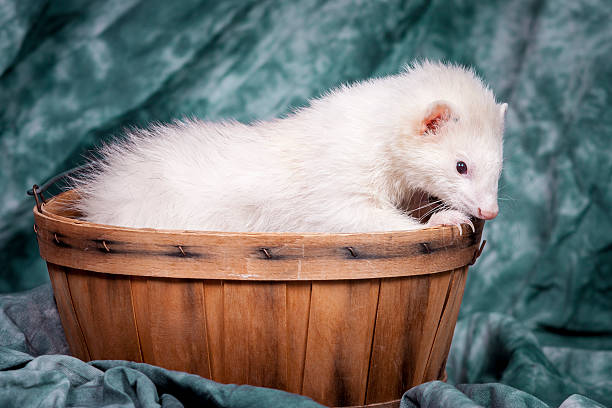
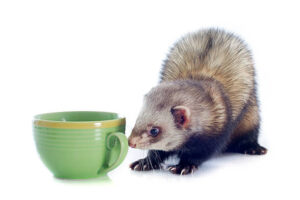
Ferrets. The name alone evokes a mix of amusement, curiosity, and perhaps mild concern. They’re not dogs. They’re not cats. They’re not even the typical exotic pet like a hedgehog or sugar glider. Ferrets—members of the Mustelidae family, which includes otters, weasels, badgers, and wolverines—are small, slender carnivores with a reputation for being clever, mischievous, and endlessly curious. They’re known for squeezing into tight spaces, stealing socks, and emitting a distinct musky odor. Yet, for a certain subset of animal lovers, ferrets are more than just pets—they’re family. They’re obsession. They’re life-altering.
This article seeks to unravel the psychological underpinnings of ferret ownership—why people form such intense emotional bonds with these peculiar creatures, what their choice says about human personality and needs, and how the ferret-human relationship reflects broader themes in animal psychology and human behavior. From the biology of bonding to the social identity of the ferret owner, this deep dive explores the emotional landscape shaped by these little weasels.
I. The Biology of Love: Oxytocin, Attachment, and the Ferret-Human Bond
Humans are biologically wired to form attachments. We seek out connection, whether with other humans or animals. The hormone oxytocin—often referred to as the “cuddle hormone” or “love hormone”—plays a pivotal role in social bonding. When we interact with animals, especially through touch, eye contact, and play, our oxytocin levels rise. This isn’t limited to dogs and cats. Ferret owners report profound emotional satisfaction from simple interactions—scratching behind their ferret’s ears, watching them “weasel war dance,” or cuddling up during nap time.
Studies in human-animal interaction have shown that oxytocin release occurs not only during direct physical contact but also during playful and nurturing behaviors. Ferrets, despite their reputation for being independent and even aloof at times, often develop strong bonds with their caregivers. They recognize their names, respond to tone of voice, and engage in social grooming behaviors. This reciprocity, however minimal by canine standards, is enough to trigger the human brain’s reward pathways.
Moreover, ferrets are crepuscular—most active during dawn and dusk—which means their schedules may naturally align with those of humans who work daytime jobs. This shared rhythm fosters predictable interaction patterns, promoting routine-based bonding akin to parent-child relationships. The act of feeding, cleaning litter boxes, and scheduling play sessions becomes ritualistic, reinforcing emotional connection through caregiving.
Caregiving itself is intrinsically rewarding. Psychology tells us that nurturing triggers dopamine and serotonin release, creating a feedback loop of satisfaction. For many ferret owners, especially those living alone or experiencing loneliness, this caretaking role fulfills deep psychological needs. The ferret becomes not just a pet, but a purpose—a living being that depends on them. In return, the ferret offers affection in its own quirky way: burrowing under blankets, licking fingers, or curling up in laps. These micro-moments of connection accumulate into a profound emotional attachment.
II. The Allure of the Unconventional: Personality Traits of Ferret Owners
Ferret owners are not your average pet parents. Surveys and anecdotal evidence suggest that people who choose ferrets often deviate from the norm. They’re more likely to be unconventional, creative, and open to novelty—traits associated with the “Openness to Experience” dimension in the Big Five personality model.
Openness includes imagination, curiosity, artistic interests, and a preference for variety. Ferrets, by nature, embody unpredictability. No two ferrets behave exactly the same. One might be a cuddler; another a daredevil explorer. Their actions are often spontaneous: they dive into laundry baskets, tunnel under couch cushions, and play dead for no apparent reason. This unpredictability appeals to people who crave novelty and intellectual stimulation.
Contrast this with the typical dog owner, whose life may revolve around routine walks, training sessions, and social dog park outings—structured activities that require consistency. Ferrets demand less obedience training but far more vigilance and creativity. The ferret owner must be an active participant in a dynamic, ever-changing game of hide-and-seek, puzzle-solving, and environmental enrichment.
This aligns with the concept of “high sensation seeking,” a personality trait marked by the desire for varied, novel, and intense experiences. Ferret owners often report that caring for their pets feels like a “living puzzle.” The joy comes not from control, but from engagement with chaos. Each day presents new challenges: escaped ferrets, chewed cords, mysterious stashes of stolen items. For many, this constant stimulation is exhilarating rather than exhausting.
Additionally, ferret owners frequently exhibit high levels of empathy and emotional intelligence. They learn to read subtle ferret body language—the pitch of a hiss, the position of ears, the intensity of the war dance—and respond with care and understanding. This attunement to nonverbal communication strengthens their ability to connect with others in human relationships as well.
There’s also a rebellious streak in many ferret owners. They defy mainstream pet culture. Where others see “weird” or “smelly,” they see charm and individuality. This contrarian identity becomes part of their self-concept. Choosing a ferret is a statement: “I don’t conform, I don’t follow trends, I embrace the unconventional.”
Psychologically, this defiance provides a sense of autonomy and authenticity—key components of psychological well-being. When society undervalues your pet choice, defending and loving your ferret becomes an act of integrity. It strengthens identity and self-esteem.
III. The Ferret as a Mirror: Projecting the Self
One of the most fascinating aspects of pet ownership is projection—the tendency to attribute human emotions, thoughts, and motivations to animals. With ferrets, this phenomenon is particularly rich due to their expressive behavior and emotional ambiguity.
Ferrets rarely display emotions in ways humans easily recognize. They don’t wag tails like dogs or purr like cats. Instead, they bounce with joy (the famous “weasel war dance”), hiss when annoyed, and “dook” in excitement—a soft clucking sound. Because their emotional repertoire is alien yet complex, owners often anthropomorphize them extensively.
A ferret darting through a tunnel might be described as “living his best life.” A ferret sleeping in a shirt is “missing you.” A ferret that steals a pen is “plotting world domination.” These narratives are more than whimsy—they serve psychological functions. They allow owners to project their own feelings of freedom, loneliness, or ambition onto the animal.
This projection creates a psychological mirror. The ferret becomes a canvas for human emotions. For someone recovering from depression, a ferret’s boundless energy may symbolize hope. For a creative person feeling stagnant, a ferret’s relentless curiosity might reflect the spirit they admire in themselves.
Clinical psychology recognizes the therapeutic value of such projections. In art therapy or play therapy, patients externalize inner experiences through symbols and stories. Ferret ownership operates similarly. The act of narrating a ferret’s day—posting on social media, telling stories to friends—becomes a form of emotional expression and self-reflection.
Moreover, ferrets’ independence can reflect and reinforce an owner’s own values. In a world that glorifies busyness and productivity, the ferret’s ability to nap for 18 hours a day and still be adored offers a quiet rebellion. Ferret owners often celebrate this laziness. They post memes about “ferret work ethic” or “professional nappers.” In doing so, they critique societal norms around productivity and embrace rest as a virtue.
Thus, loving a ferret is not just about the animal—it’s about identifying with its qualities: curiosity, playfulness, autonomy, and refusal to be tamed.
IV. The Niche Community: Belonging and the Social Identity of Ferret Owners
Humans are social creatures who derive identity from group membership. Ferret owners often describe themselves as part of a subculture—a niche community bound by shared passion, humor, and challenges.
This community exists both online and offline. Facebook groups, Reddit threads (like r/ferrets), dedicated forums, and local ferret rescues foster connection. Members exchange advice, post ferret photos, and share memes about “ferret logic.” These platforms are not just informational—they’re social sanctuaries.
From a psychological perspective, this sense of belonging fulfills fundamental human needs. Maslow’s hierarchy places “belongingness” just above basic physiological and safety needs. For individuals who feel marginalized—introverts, neurodivergent people, LGBTQ+ individuals, or those with niche interests—the ferret community offers validation and acceptance.
In these spaces, eccentricity is celebrated. A person who spends $200 on ferret toys or builds a multi-level playpen is not ridiculed—they’re admired. Inside jokes (“Have you seen my ferret?” “No, but I found my keys in the washing machine”) create social cohesion. This shared humor reinforces group identity.
The concept of “affinity spaces” in social psychology explains this phenomenon. These are informal communities formed around shared interests, where knowledge and culture are co-created. Ferret owners learn breeding practices, nutrition guidelines, and behavioral cues not from textbooks, but from peers in forums. Expertise is earned through participation, not credentials.
Furthermore, ferret ownership often involves advocacy. Many ferrets are adopted from shelters or rescues. These animals may have been surrendered due to behavioral issues, neglect, or owners underestimating their needs. The process of rehabilitation—earning trust, managing health problems, creating a safe environment—transforms the owner into a caregiver-hero.
This altruistic role enhances self-worth. The narrative becomes: “I saved this creature. I gave him a second chance.” This story is shared, celebrated, and internalized. It becomes part of identity—“I’m not just a pet owner, I’m a ferret rescuer.”
Such narratives are powerful. They provide purpose and meaning, which are essential for psychological resilience, especially in times of personal crisis. Studies show that people who care for rescued animals report higher levels of life satisfaction and lower levels of anxiety.
The ferret community also fosters intergenerational bonding. Parents and children may share ferret care. Adult children introduce aging parents to ferrets as companions. The pet becomes a bridge, facilitating connection across age gaps.
V. The Dark Side: Obsession, Anxiety, and Ferret-Related Stress
While ferret ownership brings joy, it’s not without psychological strain. The same traits that make ferrets lovable—their curiosity, fragility, and need for supervision—can trigger anxiety.
Ferrets are escape artists. They can squeeze through gaps as small as 1 inch. A moment’s distraction can result in a ferret lost behind a wall or in an attic. The fear of losing a ferret is real and emotionally devastating. Many owners report sleepless nights after an escape, haunted by worst-case scenarios.
This constant vigilance can lead to hypervigilance—a state similar to post-traumatic stress. Owners may develop rituals: checking cage latches multiple times, baby-proofing rooms obsessively, or refusing to leave the house without someone to watch the ferrets. For those predisposed to anxiety disorders, ferret ownership can exacerbate symptoms.
Additionally, ferrets have relatively short lifespans—typically 6 to 8 years, sometimes up to 10. This finite time horizon intensifies attachment. Owners may experience anticipatory grief, mourning the future loss even while the ferret is healthy. This “living loss” is psychologically taxing.
Veterinary care presents another stressor. Ferrets are prone to specific illnesses—insulinoma, adrenal disease, lymphoma—that require complex, expensive treatments. The emotional toll of watching a beloved ferret decline, coupled with financial burden, can lead to caregiver burnout.
Yet, many owners report that navigating these challenges strengthens emotional resilience. They learn to cope with uncertainty, practice mindfulness in caregiving, and cherish the present moment. The brevity of a ferret’s life teaches profound lessons about impermanence and love.
Moreover, the grief following a ferret’s death is often underestimated. Society may dismiss it as “just a pet,” but psychologically, it mirrors the loss of a child or close companion. Mourning rituals—memorial videos, photo albums, online obituaries—help process grief. Support from the ferret community is crucial during this time.
Thus, the emotional journey of ferret ownership is not one of simple joy—it’s a complex tapestry of love, anxiety, loss, and growth.
VI. The Ferret in the Digital Age: Social Media and Emotional Validation
In the era of Instagram and TikTok, ferrets have found a new spotlight. Viral videos of ferrets dancing, hiding in shoes, or riding in backpacks have captivated millions. Hashtags like #ferretsoftiktok or #weaselwar #dooking collect billions of views.
This digital visibility serves psychological functions for owners. Posting ferret content is not just sharing—it’s seeking validation. The likes, comments, and shares confirm that their love is seen and appreciated. This external affirmation reinforces self-worth and belonging.
Social media also amplifies identity. An owner who posts daily ferret updates crafts a public persona: the “ferret mom,” the “mad scientist of ferret toys,” the “ferret behavior guru.” This online identity becomes integrated into their self-concept.
Moreover, platforms like YouTube host educational content—ferret care guides, behavior analyses, DIY cage builds. Creating such content transforms the owner into an expert, boosting confidence and mastery. The psychological benefits of teaching and sharing knowledge are well-documented: increased self-efficacy, purpose, and community respect.
However, social media can distort reality. Highlight reels of perfectly trained ferrets or luxurious playpens may trigger inadequacy. Not every ferret does tricks. Not every owner can afford custom enclosures. Comparison anxiety is real.
Yet, the overall impact remains positive. The digital ferret community democratizes knowledge, reduces isolation, and normalizes niche passions. It turns oddity into pride.
VII. Evolutionary Roots: Why We Love the Weasel
To fully understand the psychology of ferret ownership, we must look back—deep into human evolutionary history.
Early humans lived in close proximity to animals. Domestication began not out of convenience, but out of mutualism. Wolves evolved into dogs by scavenging near human camps. Similarly, the polecat—the wild ancestor of the ferret—was tamed for pest control, particularly in grain stores.
This historical bond is encoded in our psychology. We are drawn to animals that once aided our survival. Ferrets, though not essential today, trigger ancient instincts: nurturing the small, protecting the vulnerable, domesticating the wild.
Moreover, their physical features—large eyes, small nose, playful movements—activate our “cuteness response,” or Kindchenschema. This evolutionary adaptation compels us to care for infants by making certain traits universally appealing. Ferrets, with their disproportionate heads and clumsy gait, hit all the right buttons.
But beyond cuteness, there’s a fascination with the predator. Ferrets are carnivores. They stalk, pounce, and “kill” toys with ferocity. Watching this primal behavior satisfies a deep, subconscious interest in predation—once essential for human survival.
In modern life, where danger is minimal and food comes from supermarkets, ferrets offer a safe window into the wild. They bring the thrill of the hunt into the living room. This satisfies what psychologists call “biophilia”—the innate human affinity for nature and living systems.
Thus, loving ferrets is not irrational—it’s deeply rooted in who we are as a species.
VIII. The Future of Ferret Love: Psychology in a Changing World
As society evolves, so does pet ownership. Urbanization, climate change, and shifting family structures influence how and why people keep pets. Ferrets, with their small size and indoor adaptability, are well-suited to modern living.
Psychologically, ferrets may become increasingly important as antidotes to digital overload and urban isolation. Their need for tactile interaction—scratching, cuddling, playing—grounds owners in the physical world. In a life filled with screens, ferrets demand presence.
Moreover, as mental health awareness grows, the therapeutic role of pets expands. Ferrets, though less studied than dogs or cats, show promise in reducing anxiety, combating loneliness, and improving mood. Animal-assisted therapy programs may one day include ferrets for sensory stimulation or emotional engagement.
Ethically, the ferret community is moving toward responsible ownership—spaying/neutering, adoption over breeding, better nutrition. This reflects a broader trend in human-animal relationships: from domination to partnership.
The psychology of ferret ownership will continue to evolve. But at its core, it remains a testament to human capacity for love—love that defies logic, embraces quirkiness, and finds meaning in a small, musky, endlessly curious creature.
Conclusion: The Heart of the Matter
To love a ferret is to embrace complexity. It is to find joy in chaos, meaning in caregiving, and identity in the unconventional. The psychology of the ferret owner reveals much about human nature: our need for connection, our desire for novelty, our resilience in the face of loss, and our deep, unshakable capacity to love.
Ferrets may be weasels, but they are also mirrors, teachers, and companions. They challenge us, exhaust us, and fill our lives with laughter. And in return, we give them safety, purpose, and endless tubes to crawl through.
Understanding why we love ferrets is not just about understanding a pet—it’s about understanding ourselves.
#FerretLove, #FerretOwner, #FerretLife, #WeaselWarDance, #DookingFerret, #FerretMom, #FerretDad, #FerretRescue, #FerretAdoption, #FerretCare, #FerretBehavior, #FerretHumor, #FerretCommunity, #AdoptDontShop, #FerretTherapy, #FerretObsessed, #FerretVideos, #FerretSoftTok, #FerretOfInstagram, #FerretGram, #CrazyFerretLady, #FerretNap, #FerretEscape, #FerretTunnels, #FerretPlaytime, #MustelidLove, #FerretScience, #PetPsychology, #FerretMeme, #FerretFamily, #FerretHealth, #FerretTips, #FerretEnrichment, #FerretLoversUnite, #OddPetsRock, #FerretCuddle, #FerretProud, #FerretLifeStyle, #FerretDaily, #FerretFun



Add comment