
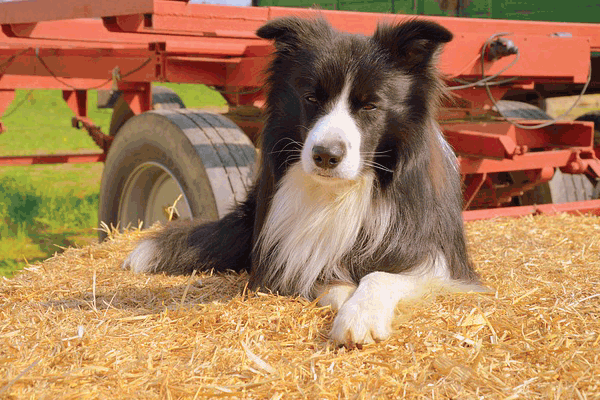
The Welcome Wagon (Tiny Edition): A Comprehensive Guide to Introducing Your Rescue Dog and New Baby
Bringing home a new baby is a whirlwind of joy, exhaustion, and overwhelming love. But if you’re a rescue dog owner, that whirlwind often comes with an extra dose of anxiety. You’ve already opened your heart and home to a dog who may have a past, and now a tiny, unpredictable human is entering the picture. How do you ensure a smooth transition for everyone involved, especially your beloved furry family member?
This guide is designed to provide you with a comprehensive and elaborate roadmap for navigating the delicate dance between your rescue dog and your new baby. We’ll explore the unique considerations for adopted pets and equip you with the knowledge and strategies to foster a bond built on trust, safety, and love.
Understanding Your Rescue Dog: The Foundation of Success
Before we even think about baby gates and scent introductions, it’s crucial to truly understand your rescue dog. Their history, no matter how unknown, plays a significant role in their behavior and potential reactions.
- What’s Their Story? While you might not have all the details, try to glean as much as possible from the shelter or rescue organization. Were they found as strays? Were they surrendered due to behavioral issues? Did they have a history of fear or aggression? Even anecdotal information can be valuable.
- What Are Their Triggers? Does your dog have known fears or anxieties? This could be related to loud noises, sudden movements, certain types of handling, or even specific smells. Understanding these triggers will help you anticipate and manage potential stress for your dog when the baby arrives.
- What’s Their Temperament? Is your dog generally laid-back and tolerant, or do they have a higher prey drive or get easily overstimulated? Observe their interactions with children if possible (supervised, of course). This will give you clues about how they might react to a baby.
- What’s Their Current Training Level? Is your dog reliably house-trained? Do they have good basic obedience skills (“sit,” “stay,” “come”)? Are they comfortable with physical boundaries like being told “off” or “leave it”? A dog with a solid obedience foundation will be easier to manage around a baby.
- Are There Any Underlying Medical Issues? Sometimes, behavioral changes can be linked to pain or other health problems. A recent vet check-up is always a good idea before making major life changes.
Preparation is Key: Laying the Groundwork Before Baby Arrives
The best time to prepare your rescue dog for a new baby is before the baby makes their grand entrance. Proactive steps can significantly reduce stress and prevent potential problems.
1. Reinforce and Refine Obedience Training:
- “Place” and “Stay”: Teach your dog a reliable “place” command, meaning they go to a designated mat or bed and stay there. This is invaluable for creating a safe zone for your dog when you need to attend to the baby. Practice with increasing distractions.
- “Leave It”: This command is crucial for preventing your dog from investigating or interacting with baby items they shouldn’t.
- “Off”: If your dog jumps on furniture or people, ensure they understand “off” and respect personal space.
- Recall: A strong recall is paramount for safety. Practice in various environments with distractions.
2. Simulate Baby Sounds and Smells:
- Crying Recordings: Play recordings of baby cries at low volumes initially, gradually increasing the volume and duration. Reward your dog with calm praise and treats for remaining relaxed. If they show signs of stress (pacing, whining, lip licking), reduce the volume and give them a break.
- Baby Item Introduction: Let your dog sniff and investigate baby items before the baby is home. Allow them to smell blankets, clothes, and even the hospital bassinet (if accessible). This desensitizes them to these new scents.
3. Establish Boundaries and Routines:
- No-Go Zones: Designate areas that will be off-limits to your dog once the baby arrives, such as the nursery or areas where baby bottles are prepared. Start enforcing these boundaries now.
- Bedtime Routine: If your dog sleeps in your bed, consider gradually transitioning them to their own bed before the baby arrives. This can be a difficult adjustment, so starting early is vital.
- Feeding Routine: If your dog is fed at the same time as you, consider shifting their feeding time slightly to avoid competition or perceived resource guarding when baby feeding becomes a priority.
4. Increase Exercise and Mental Stimulation:
- Burn Energy: A tired dog is a happy and well-behaved dog. Ensure your dog is getting sufficient physical exercise and mental stimulation (puzzle toys, training sessions, scent work) in the weeks leading up to the baby’s arrival. This can help reduce anxiety and pent-up energy.
5. Socialization (if applicable):
- Positive Exposure: If your rescue dog has a history of fear or reactivity, and if your vet or a certified professional trainer advises it, controlled and positive introductions to calm children can be beneficial. This is a sensitive area and should only be done with professional guidance.
The Grand Arrival: Introducing Baby to Your Rescue Dog
The first few weeks with a newborn are often a blur. However, making deliberate and controlled introductions to your dog is essential for establishing a positive dynamic.
1. The Scent Introduction:
- From the Hospital: Have a family member or friend bring home a blanket or piece of clothing that the baby has worn from the hospital. Let your dog sniff it at their own pace. Observe their reaction. Positive curiosity (gentle sniffing, soft tail wag) is good. Avoid any signs of fear, aggression, or excessive stress.
2. Controlled Initial Meetings (When You’re Home):
- Baby in Bassinet/Crib: When you first bring the baby home, hold them or have them in their bassinet/crib. Allow your dog to approach them calmly and on their terms. Keep interactions brief and positive.
- Supervised Interaction: Never leave your baby unsupervised with your dog, regardless of how trustworthy your dog is.
- Observe Body Language: Pay close attention to your dog’s body language. Signs of stress include:
- Lip licking
- Yawning (when not tired)
- Whale eye (showing the whites of their eyes)
- Tense body
- Stiff tail
- Ears pinned back or constantly flicking
- Whining or excessive panting
- Growling (this is a warning signal, not aggression itself, but needs to be heeded)
- Attempting to flee
- Positive Reinforcement: Reward calm behavior with quiet praise and treats. If your dog is showing signs of stress, calmly redirect them to their “place” or remove them from the situation.
3. Gradual Exposure and Routine Building:
- Short, Positive Interactions: Aim for short, positive interactions where your dog remains relaxed. As your dog becomes more comfortable, you can gradually increase the duration of these encounters.
- Include Baby in Dog’s Routine: Once the baby is a bit older and you’re more settled, start incorporating baby into your dog’s routine in a positive way. For example, have your dog lie on their “place” while you’re feeding the baby. Take your dog for walks with the stroller.
- Don’t Neglect Your Dog: It’s easy to get consumed by the baby. Make an effort to continue your dog’s exercise, training, and cuddle time. A neglected dog is a dog more likely to develop behavioral issues.
Navigating Specific Challenges with Rescue Dogs
Rescue dogs can present unique challenges that require extra attention and understanding.
- Fear and Anxiety: Rescue dogs with a history of trauma or neglect may be more prone to fear or anxiety around new stimuli. Be patient, provide a safe space, and avoid forcing interactions. Consult with a positive reinforcement trainer or veterinary behaviorist if their anxiety is severe.
- Resource Guarding: If your dog has a history of resource guarding (food, toys, people), be extra vigilant when the baby is around. Never allow your dog to guard baby items or the baby themselves. Reinforce the “leave it” command and ensure they have their own designated eating area.
- Past Trauma: Some rescue dogs may have a history of abuse or neglect. This can manifest in unpredictable ways. Trust your gut and prioritize safety above all else. If you have any concerns about aggression, seek professional help immediately.
- Lack of Socialization: Dogs from shelters may have had limited exposure to children. Introduce them slowly and carefully, always with supervision.
Safety First, Always: Essential Guidelines
- Never Leave Them Unattended: This is the golden rule of dog and baby safety. Never, ever leave your baby unsupervised with your dog, no matter how well you know your dog.
- Supervise All Interactions: Even for a moment, keep an eye on your dog when they are in the same room as the baby.
- Teach Children (When Older) Respect: As your child grows, teach them how to interact with dogs safely and respectfully. Teach them not to pull ears or tails, not to disturb a sleeping dog, and to always ask permission before petting.
- Provide a Safe Haven for Your Dog: Ensure your dog has a comfortable “den” or “place” where they can retreat and be left alone. This could be a crate, a dog bed in a quiet corner, or a separate room.
- Recognize Warning Signs: Be vigilant for any signs of stress or discomfort from your dog. Address these immediately by calmly redirecting your dog or removing them from the situation.
- Consider Professional Guidance: If you have any reservations or encounter difficulties, don’t hesitate to consult a certified professional dog trainer or a veterinary behaviorist who uses positive reinforcement methods.
The Long Game: Fostering a Lifelong Bond
Introducing a rescue dog and a new baby is not a one-time event; it’s an ongoing process. The goal is to build a relationship of trust, respect, and companionship that will grow as your child does.
- Consistency is Crucial: Stick to your established routines and boundaries. Consistency provides predictability, which is calming for both dogs and babies.
- Celebrate Small Victories: Acknowledge and reward positive interactions, no matter how small.
- Patience and Persistence: There will be ups and downs. Don’t get discouraged. With patience and consistent effort, you can create a harmonious family environment.
- Prioritize Your Dog’s Well-being: A happy, well-adjusted dog is more likely to be a good companion for your child. Continue to invest in their physical and mental health.
Bringing a rescue dog into a household with a new baby requires extra thought and effort, but the rewards are immeasurable. By understanding your dog’s unique needs, preparing thoroughly, and prioritizing safety and positive interactions, you can foster a loving and lasting bond between your adopted furry friend and your precious little one. This journey of co-existence is a testament to the unconditional love and resilience found in both rescue dogs and the families who cherish them.
#RescueDogAndBaby, #AdoptedPets, #PetSafety, #NewBabyPrep, #DogTraining, #FamilyPets, #RescueDogLife, #DogAndBabySafety, #PetAdoption, #CanineCompanion, #BabyAndDog, #FurryFamily, #PetParenting, #DogBehavior, #ExpectingParents, #PetTips, #SpecialConsiderations, #AdoptDontShop







Add comment