
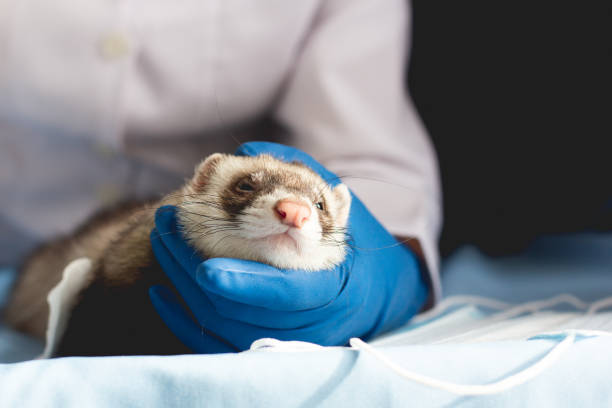
Ferrets (Mustela putorius furo) are lively, intelligent, and affectionate pets that often bring joy to their owners. While they typically live between 6 to 10 years, many ferrets now reach their senior years—generally defined as 5 years and older—with modern veterinary care and improved nutrition. As ferrets age, their bodies undergo physiological changes that predispose them to a range of health issues, much like senior dogs, cats, or even humans. Understanding the unique challenges of geriatric ferrets is essential for responsible ownership and ensuring longevity and quality of life.
This comprehensive guide explores common geriatric conditions in ferrets, including causes, signs and symptoms, diagnosis, treatment options, prognosis, potential complications, preventive strategies, dietary needs, and zoonotic risks. It is designed for ferret owners, veterinary professionals, and animal care enthusiasts to promote awareness and improve the welfare of aging ferrets.
Understanding Ferret Aging
Ferrets age rapidly—by 3 years old, they are considered middle-aged; by 5–6, they are geriatric. Their high metabolic rate and fast-developing physiology contribute to this accelerated lifespan. While genetics play a role in longevity, environmental factors, diet, and healthcare access are crucial in determining a ferret’s health in old age.
Common changes in senior ferrets include:
- Slower movement and reduced playfulness
- Thinning fur or patchy alopecia
- Dental wear or gum disease
- Increased sleep
- Appetite fluctuations
- Lumps and masses (often benign or malignant)
These changes may signal underlying medical conditions that require assessment and, in many cases, intervention.
Common Geriatric Conditions in Ferrets
1. Adrenal Disease (Hyperadrenocorticism)
Causes:
Adrenal disease is one of the most common conditions in older ferrets, affecting up to 70% of ferrets over 3 years old in some populations. It results from hyperplasia, adenoma, or carcinoma of the adrenal glands, primarily on the right adrenal gland. The exact cause is not fully understood but is strongly linked to:
- Early spaying and neutering (removal of gonads disrupts feedback loop)
- Prolonged exposure to unnatural light cycles (mimicking breeding season)
- Genetic predisposition
- Possible role of melatonin and gonadotropin-releasing hormone (GnRH)
Signs and Symptoms:
- Profuse hair loss starting at tail base, progressing to abdomen and flanks
- Itchy skin, skin redness, and thinning
- Enlarged vulva in spayed females (pseudoestrus)
- Straining to urinate in males (due to prostate enlargement)
- Muscle wasting and lethargy
- Increased aggression or sexual behaviors
Diagnosis:
- Clinical signs are often diagnostic in experienced hands.
- Abdominal ultrasound to visualize adrenal glands.
- Hormone assays (e.g., plasma 17-hydroxyprogesterone, androstenedione, estradiol) via specialized labs.
- ACTH stimulation test (less commonly used in ferrets).
Treatment:
- Surgical Removal: The gold standard, especially for unilateral adrenal disease. Right adrenal removal is more complex due to vascular anatomy.
- Medical Management:
- Deslorelin acetate (Suprelorin® implant): Long-acting GnRH agonist, administered as a subcutaneous implant. Effective in 80–90% of cases; lasts 6–24 months.
- Leuprolide acetate (Lupron®): Monthly injections suppress hormone release but are not curative.
- Melatonin implants (e.g., 3–6 mg Melatonin implants every 3–6 months): Helps reduce symptoms, especially hair loss and itching.
Prognosis & Complications:
- Surgical intervention offers the best long-term outcome if the ferret is a good candidate.
- Medical therapies effectively manage symptoms but do not stop disease progression.
- Complications include adrenal gland rupture, secondary infections, urinary obstruction (especially in males), and progression to adrenal carcinoma.
Prevention:
- Avoid early spaying/neutering before 6 months (though not always practical).
- Provide natural lighting cycles (12 hours light/dark).
- Administer melatonin implants preventively in high-risk populations.
- Consider delayed spay/neuter techniques (ovariohysterectomy vs. vasectomy/hysterectomy with GnRH suppression).
2. Insulinoma (Islet Cell Tumor)
Causes:
Insulinoma, or pancreatic beta-cell tumor, is another leading geriatric issue. It results in excessive insulin production, causing recurrent hypoglycemia (low blood sugar). The cause is likely multifactorial:
- High-carbohydrate diets contributing to insulin resistance and beta-cell hyperplasia.
- Genetic predisposition.
- Chronic hyperinsulinemia due to dietary imbalance.
Signs and Symptoms:
- Lethargy, “zombie-like” staring (neuroglycopenia)
- Drooling, pawing at mouth (“fox-salivating”)
- Weakness in hind legs, ataxia
- Seizures or collapse in advanced stages
- Increased appetite with weight loss
- Episodes worsen when fasting (e.g., overnight)
Diagnosis:
- Fasting blood glucose < 60 mg/dL (normal: 80–120 mg/dL) is suggestive.
- Elevated fasting insulin levels confirm diagnosis (though may not always be available).
- Abdominal ultrasound to detect pancreatic nodules.
- Histopathology post-surgery is definitive.
Treatment:
- Surgical Excision: Partial pancreatectomy with removal of visible nodules. May need repeated surgeries.
- Medical Management:
- Prednisone or prednisolone: Increases blood glucose; dosed twice daily.
- Diazoxide: Inhibits insulin release; less commonly used due to cost and side effects.
- Dietary Management: See “Nutrition for Senior Ferrets” below.
Prognosis & Complications:
- Surgical treatment may extend quality life for 1–2 years.
- Medical management can control symptoms for months to years but does not halt tumor progression.
- Complications include recurrent hypoglycemic episodes, neurologic damage, and aspiration pneumonia during seizures.
Prevention:
- Feed a low-carbohydrate, high-protein diet from a young age.
- Avoid sugary treats, fruits, and starchy vegetables.
- Regular wellness exams to detect early signs.
3. Lymphoma (Lymphosarcoma)
Causes:
Lymphoma is a malignant cancer of lymphocytes, common in young and old ferrets. In seniors, it is often multicentric or visceral in origin. The etiology is unknown but may involve:
- Genetic factors
- Viral triggers (no definitive ferret retrovirus identified)
- Chronic immune stimulation
Signs and Symptoms:
- Lethargy, weight loss, poor appetite
- Enlarged lymph nodes (submandibular, prescapular)
- Difficulty breathing (mediastinal mass)
- Coughing, abdominal distension
- Pallor or jaundice (anemia, hepatic involvement)
- Hind limb weakness (spinal cord compression)
Diagnosis:
- Complete blood count (CBC) and biochemistry panel: may show anemia, lymphocytosis or lymphopenia.
- Radiographs and ultrasound: detect masses.
- Fine needle aspirate (FNA) or biopsy of lymph nodes or organs.
- Flow cytometry or PCR for antigen receptor rearrangement (PARR) may be available in specialty labs.
Treatment:
- Chemotherapy: Protocols borrowed from dogs and cats, using drugs like vincristine, cyclophosphamide, prednisone, doxorubicin.
- Surgery: Rarely curative, used for debulking.
- Supportive Care: Fluids, appetite stimulants, pain management.
Prognosis & Complications:
- Prognosis varies widely. Some ferrets respond well to chemotherapy, living 6–18 months with good quality of life.
- Others progress rapidly with poor response.
- Complications include bone marrow suppression, secondary infections, organ failure.
Prevention: No known prevention. Early detection through regular exams improves long-term outcomes.
4. Dental Disease
Causes:
Common due to diet, lack of chewing exercise, and genetics. Plaque and tartar buildup lead to gingivitis, periodontal disease, and tooth resorption.
Signs and Symptoms:
- Bad breath (halitosis)
- Drooling or difficulty eating
- Pawing at mouth
- Loose or missing teeth
- Facial swelling (abscess)
Diagnosis:
- Oral exam under sedation, including probing and radiography.
- Dental X-rays essential to assess root health.
Treatment:
- Professional dental cleaning under anesthesia.
- Extraction of severely diseased teeth.
- Antibiotics for infection.
- Pain management.
Prognosis & Complications: Good with early intervention. Untreated cases lead to systemic infection (bacteremia), weight loss, and sepsis.
Prevention:
- Annual dental exams.
- Diet and chew toys that promote dental health (though not fully effective).
- Brushing teeth with pet-safe toothpaste (rarely tolerated).
5. Cardiomyopathy
Causes:
Often idiopathic, but taurine deficiency may play a role (similar to cats). Older ferrets are prone to dilated cardiomyopathy (DCM), where the heart muscle weakens.
Signs and Symptoms:
- Lethargy, reduced activity
- Coughing (less common than in dogs)
- Difficulty breathing (dyspnea)
- Fainting episodes
- Abdominal distension (ascites)
Diagnosis:
- Auscultation: heart murmurs, gallop rhythm
- Thoracic radiographs: enlarged heart, pulmonary edema
- Echocardiogram: definitive diagnosis
- ECG: may show arrhythmias
Treatment:
- Heart medications: Pimobendan (increases contractility), furosemide (lasix), ACE inhibitors (enalapril), spironolactone.
- Diet: Taurine supplementation, low-sodium diet if congestive heart failure.
- Oxygen therapy for acute crisis.
Prognosis & Complications:
- Chronic management possible, but prognosis guarded.
- Quality of life can be maintained for months to over a year.
- Sudden death or congestive heart failure possible.
Prevention:
- Feed taurine-rich diets (whole prey, high-quality ferret food).
- Regular cardiac screening for at-risk individuals.
6. Renal (Kidney) Disease
Causes:
Chronic kidney disease (CKD) results from aging, infections, toxins, or amyloidosis. Ferrets have a low renal reserve, so disease progresses rapidly.
Signs and Symptoms:
- Increased thirst and urination (polyuria/polydipsia)
- Weight loss, poor coat
- Vomiting, halitosis (uremic breath)
- Lethargy
- Oral ulcers
Diagnosis:
- Bloodwork: Elevated BUN, creatinine, phosphorus
- Urinalysis: low specific gravity, proteinuria
- Ultrasound: small, irregular kidneys
Treatment:
- Subcutaneous fluids at home
- Renal diet (low-phosphorus, high-quality protein)
- Phosphate binders (e.g., aluminum hydroxide)
- Appetite stimulants, anti-nausea meds (maropitant)
- Treat anemia (epoetin alfa if severe)
Prognosis & Complications:
- Progressive and irreversible. Outcome depends on stage at diagnosis.
- Euthanasia often recommended in advanced stages due to poor quality of life.
Prevention:
- Annual bloodwork to detect early changes
- Ensure access to fresh water
- Avoid nephrotoxic substances
7. Splenic Disease (Splenomegaly, Mast Cell Tumors, Lymphoma)
Causes:
The spleen may enlarge due to extramedullary hematopoiesis, mast cell tumors, or lymphoma. Often idiopathic.
Signs and Symptoms:
- Abdominal distension
- Lethargy, anorexia
- Vomiting (rare)
- Splenic mass on palpation
Diagnosis:
- Palpation and ultrasound
- FNA: may show mast cells, lymphocytes
- CBC: may show anemia or abnormal cells
Treatment:
- Splenectomy (surgical removal) if mass is large or symptomatic
- Treat underlying disease (e.g., chemotherapy for lymphoma)
Prognosis & Complications:
- Excellent if benign. Ferrets tolerate splenectomy well.
- Poor if malignant (e.g., metastatic mast cell tumor).
Prevention: None specific. Regular abdominal palpation during exams.
General Preventive Care for Senior Ferrets
Prevention is paramount in managing geriatric ferrets. Key strategies include:
- Wellness Exams: Twice-yearly vet visits starting at age 3.
- Bloodwork: Annual (or biannual) CBC, biochemistry, and urinalysis.
- Dental Checks: Annual oral exams.
- Weight Monitoring: Track monthly; sudden loss is a red flag.
- Environmental Enrichment: Keep mental stimulation with toys and interaction.
- Safe Housing: Lower shelves, soft bedding, fewer stairs to prevent injury.
- Vaccinations: Continue distemper and rabies boosters as recommended.
- Parasite Control: Flea prevention, especially if outdoor exposure.
Diet and Nutrition for Senior Ferrets
Nutrition is a cornerstone of geriatric health.
Key Principles:
- High-quality animal protein (30–40% crude protein)
- Moderate fat (15–20%)
- Very low carbohydrates (< 3%)
- High moisture content if inappetent
Recommended Diet:
- High-protein ferret kibble (e.g., Totally Ferret, Wysong Ferret Epigen 90)
- Raw or lightly cooked meat diets (e.g., chicken necks, whole prey—under supervision)
- Ferret-specific canned foods (e.g., Zupreem, Furo Food) for dental or appetite issues
- Fresh water always available
Special Situations:
- Insulinoma: Frequent small meals; avoid fasting. High-protein, no carbs.
- Renal disease: Low-phosphorus, moderate phosphorus diet; may require prescription food.
- Dental disease: Softened kibble, canned food, or blended diets.
- Underweight ferrets: High-calorie supplements (e.g., Nutrical, Carnivore Care)
- Overweight ferrets: Monitor calorie intake; increase activity if possible.
Foods to Avoid:
- Sugary treats (raisins, fruits, yogurt drops)
- Grains, corn, peas
- High-fiber foods
- Milk (lactose intolerant)
Zoonotic Risks
Ferrets are not major zoonotic disease carriers, but some risks exist:
- Influenza: Ferrets can contract human flu (H1N1, etc.) and potentially transmit back, especially in close contact. Symptoms include sneezing, fever, lethargy.
- Prevention: Avoid contact when sick; wash hands.
- Treat ferrets supportively.
- Ringworm (Dermatophytosis): Caused by fungi (e.g., Microsporum canis). Transmitted via spores.
- Signs: Circular hair loss, scaling.
- Zoonotic: Can infect humans, especially immunocompromised.
- Treatment: Topical or oral antifungals; environmental decontamination.
- Giardia: Rare, but possible. Causes diarrhea.
- Zoonotic potential low in humans; treat with fenbendazole.
- Bacterial Infections: Salmonella, Campylobacter (from raw meat diets). Risk higher with improper hygiene.
- Prevention: Wash hands after handling, sanitize food bowls.
- Rabies: Rare but possible. Ferrets can contract and transmit rabies.
- Vaccination is critical.
Overall, zoonotic risk is low with proper hygiene and preventive care.
Environmental and Behavioral Considerations
Senior ferrets benefit from a tailored environment:
- Soft bedding to prevent pressure sores
- Ramps instead of stairs
- Warm, draft-free areas (ferrets lose temperature regulation)
- Quiet space with minimal stress
- Interactive toys to prevent cognitive decline
Behavioral changes, such as reduced play or increased sleep, are normal with age. However, sudden changes may indicate pain or illness.
End-of-Life Care and Euthanasia
Recognizing when quality of life declines is a challenging responsibility. Tools like the “HHHHHMM” scale (Hurt, Hunger, Hydration, Hygiene, Happiness, Mobility, More good days than bad) can help.
Indications for euthanasia:
- Persistent pain unresponsive to medication
- Inability to eat or drink
- Severe respiratory distress
- Recurrent seizures
- Advanced organ failure
Euthanasia is performed humanely with sedation and intravenous injection. Owners may choose home euthanasia or memorial services.
Conclusion
Caring for a senior ferret is both rewarding and demanding. These intelligent, playful animals require vigilant monitoring, proactive veterinary care, and tailored nutrition to thrive in their golden years. Common conditions—adrenal disease, insulinoma, lymphoma, dental, cardiac, and renal disease—are manageable with early detection and intervention.
Owners play a crucial role in prevention through regular check-ups, a species-appropriate diet, and a safe, enriched environment. While aging is inevitable, pain and suffering are not. With love, knowledge, and access to veterinary medicine, senior ferrets can enjoy a dignified and comfortable life.
By recognizing the signs of illness, understanding treatment options, and preparing for end-of-life decisions, ferret caregivers can ensure their companions live not just longer—but better.
#SeniorFerret, #FerretCare, #GeriatricFerret, #FerretHealth, #FerretOwner, #FerretLife, #FerretNutrition, #AdrenalDisease, #Insulinoma, #FerretDiet, #FerretVet, #FerretMedicine, #FerretRescue, #FerretLovers, #FerretCancer, #FerretSurgery, #FerretTreatment, #FerretBehavior, #FerretEnrichment, #FerretHousing, #FerretWellness, #FerretPrevention, #FerretDental, #FerretKidneyDisease, #FerretHeartDisease, #FerretLongevity, #FerretEndOfLife, #ZoonoticDiseases, #FerretOwnerTips, #FerretCommunity



Add comment