
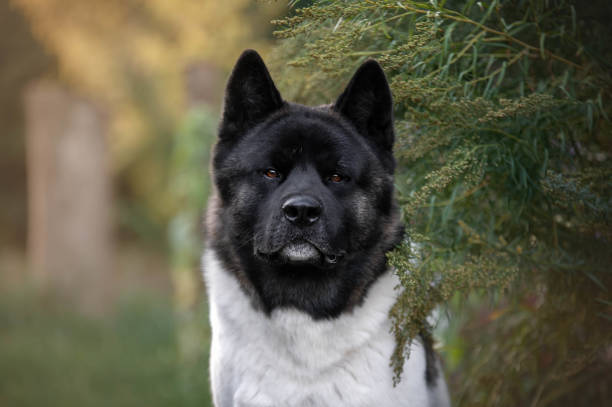
The American Akita is a magnificent, powerful, and deeply intelligent breed, commanding respect not only for its imposing appearance but also for its profound loyalty. Originating from the ancient Japanese Spitz lineage, meticulously bred in America for heavier bone and a broader head, the American Akita carries a unique genetic and metabolic profile. Consequently, their nutritional needs transcend the general requirements of standard large-breed dogs.
This guide provides a comprehensive, research-backed framework for fueling the American Akita throughout every life stage, focusing on specific health predispositions, optimal macronutrient ratios, and the critical balance necessary for longevity and vitality. Achieving peak health in an Akita is not about providing the ‘most’ nutrition, but the right nutrition.
I. FOUNDATIONAL SCIENCE: THE AMERICAN AKITA’S METABOLIC PROFILE
The American Akita is classified as a giant breed prone to rapid growth in puppyhood and susceptible to specific large-breed orthopedic and gastrointestinal issues. They possess a moderately active metabolism, requiring dense, bioavailable nutrients to support heavy musculature and bone structure without promoting excessive weight gain that stresses the joints.
A. Macronutrient Requirements: Building the Akita
Nutrition must be balanced according to the National Research Council (NRC) and AAFCO guidelines, but tailored for the Akita’s specific needs:
1. Protein: The Scaffolding of Strength
Protein is essential for muscle maintenance, enzyme production, and immune function. For the American Akita, quality is paramount over sheer quantity.
- Optimal Sources: Highly digestible animal proteins (chicken, beef, lamb, fish, eggs) are superior to plant-based fillers, as Akitas are obligate carnivores. Look for named meat sources as the first ingredient.
- Recommended Ratio: Adult Akitas generally thrive on a diet containing 22% to 28% high-quality crude protein (on a dry matter basis). Working or highly active Akitas may require the higher end of this range (26–30%).
- The Myth of High Protein: There is a persistent myth that high protein causes orthopedic problems or kidney disease. In healthy, adult Akitas, this is false. However, excessive protein sourced from low-quality, undigested ingredients can put unnecessary stress on the liver and kidneys. The focus must remain on the biological value of the protein.
2. Fats: Energy and Skin Integrity
Dietary fats (lipids) are the Akita’s primary source of concentrated energy and are absolutely crucial for the breed’s characteristic thick, dense double coat and overall skin health.
- Essential Fatty Acids (EFAs): Omega-3 (alpha-linolenic acid – ALA, EPA, and DHA) and Omega-6 (linoleic acid). These must be obtained through the diet.
- Role in Akita Health: Omega-3s are potent natural anti-inflammatories, vital for joint health and crucial for managing the autoimmune skin conditions (like Vogt-Koyanagi-Harada syndrome or Sebaceous Adenitis) to which the breed is predisposed.
- Recommended Ratio: Adult Akita maintenance diets should contain 12% to 18% crude fat (dry matter basis). The ideal Omega-6 to Omega-3 ratio should be actively managed, aiming for 5:1 or lower.
- Sources: Fish oils (salmon, sardine, anchovy), flaxseed, and high-quality chicken fat.
3. Carbohydrates and Fiber: Fuel and Gut Health
While not essential in the way protein and fats are, complex carbohydrates provide energy and crucial fiber for digestive motility and nutrient absorption.
- Complex Carbs: Sources like sweet potatoes, peas, barley, and brown rice provide sustained energy release.
- Fiber: Necessary for promoting beneficial gut flora (prebiotics). Soluble fiber (oats, fruits) helps stabilize blood sugar, while insoluble fiber (vegetable skins, bran) aids stool formation and bloat prevention.
- The Grain-Free Debate (Specific to Akitas): Following the FDA investigation into the link between grain-free, legume-heavy (peas, lentils, potatoes) diets and Dilated Cardiomyopathy (DCM), caution is advised. While the mechanism is still being studied, the Akita appears less genetically predisposed to nutritional DCM than some other large breeds (like Golden Retrievers). However, unless a specific grain allergy is diagnosed, avoiding high volumes of exotic ingredients (like large amounts of legumes replacing traditional grains) is a prudent measure to ensure proper taurine synthesis.
B. Micronutrients: The Regulators
- Vitamins: Especially Vitamin E (antioxidant protecting tissues) and B vitamins (energy metabolism).
- Minerals:
- Calcium and Phosphorus (The Orthopedic Equation): The precise balance is non-negotiable for Akita puppies. An imbalance (especially excessive calcium) leads to skeletal abnormalities, malformation of the hips/elbows, and Osteochondrosis Dissecans (OCD). The optimal ratio across all stages is 1.2:1 to 1.4:1 (Ca:P).
- Zinc: Vital for immune response and skin/coat quality. Akitas can sometimes be prone to zinc-responsive dermatosis, making adequate supplementation or dietary inclusion essential.
II. LIFE STAGE NUTRITION: TAILORING THE DIET
An Akita’s caloric and nutrient requirements fluctuate wildly between its first six months and its senior years. Mismanagement during puppyhood is particularly dangerous for this heavy-boned breed.
A. The Akita Puppy: Controlled Growth (0–18 Months)
Akita puppies undergo rapid, dramatic growth, sometimes increasing their birth weight 70 to 100 times over the first year. The primary nutritional goal is slow and steady growth, rather than maximum size, to prevent orthopedic issues.
1. Caloric Restriction and Density
- Avoid Overfeeding (The Biggest Risk): A common mistake is allowing free-feeding or overfeeding, which leads to excess weight, forcing the soft, rapidly growing bone plates to bear too much load. Controlled feeding is required from weaning.
- Diet Type: Must be explicitly labeled as “Large Breed Puppy Formula” or “All Life Stages” and meet the strict AAFCO large-breed growth standards. These formulas have slightly lower fat and moderated Calcium levels (ideally <1.5% DMB).
- Feeding Schedule: 3–4 meals daily until 6 months; 2–3 meals until 12 months.
2. The Calcium Crisis
- Absolute Maximum: Calcium DMB levels must be strictly regulated, generally between 1.0% and 1.4%. Calcium supplementation should never be added to a commercially balanced large-breed puppy food, as this guarantees an overdose and subsequent skeletal defects.
- Monitoring: Regular weight and structure checks with a veterinarian are necessary to ensure the puppy is maintaining a lean, appropriate body condition score (BCS) of 4/9.
B. The Adult Akita: Maintenance and Activity (18 Months – 7 Years)
Once growth plates close (around 18 months), the Akita shifts to a demanding maintenance phase. Calorie needs depend almost entirely on activity level.
1. Caloric Calculation
The Resting Energy Requirement (RER) for a fixed weight is calculated, then multiplied by a Maintenance Energy Requirement (MER) factor.
- Sedentary: RER x 1.4
- Active (Standard Walks): RER x 1.6
- Working/Highly Active: RER x 1.8 to 2.0
Example: A 100 lb (45 kg) moderately active adult Akita requires approximately 1800–2200 kcal per day, divided into two meals. This must be monitored and adjusted every 3–6 months to maintain a BCS of 4/9 or 5/9.
2. Nutrient Density
Adult food should contain high-quality, dense nutrients to minimize the total volume of food consumed, which is a key strategy in mitigating Bloat (GDV) risk (See Section V).
C. The Senior Akita: Joint and Organ Support (7+ Years)
As the Akita ages, metabolism slows, activity decreases, and joint integrity declines. Nutritional strategy shifts to supportive care and caloric moderation.
1. Caloric Reduction and Weight Control
- Metabolic Shift: Caloric needs can drop by up to 20% compared to middle-aged adults. Obesity dramatically worsens arthritis in large breeds.
- Protein Levels: While total calorie intake falls, protein quality and quantity must remain high to prevent muscle wasting (sarcopenia). Senior diets should maintain or slightly increase the percentage of high-quality protein (24–28% DMB) while lowering total fat and carbohydrates.
- Phosphorus Management: If bloodwork indicates early renal decline, phosphorus levels in the diet may need to be strictly moderated to reduce kidney workload, often requiring specialized prescription food.
2. Essential Supplementation
Senior Akitas benefit significantly from mobility-focused supplements:
- Glucosamine and Chondroitin: To slow cartilage breakdown.
- High-Dose Omega-3s (EPA/DHA): For systemic anti-inflammatory effects addressing chronic pain and stiffness.
- MCT Oil (Medium-Chain Triglycerides): May support cognitive function in aging dogs.
III. DIETARY APPROACHES: EVALUATING FEEDING METHODS
Choosing the best method—commercial, raw, or home-cooked—requires understanding the inherent risks and benefits of each approach when applied to the American Akita.
A. Commercial Kibble (The Most Common Approach)
Kibble offers convenience, affordability, and the assurance of AAFCO (Association of American Feed Control Officials) testing.
1. Evaluating Kibble Quality
- AAFCO Statement: Look for the Nutritional Adequacy Statement that confirms the food is “complete and balanced” and meets “All Life Stages” or “Adult Maintenance” requirements.
- Ingredient Transparency: Prioritize foods where the first 2–3 ingredients are named meat, fish, or egg sources, not ambiguous “meat by-products” or excessive grains/legumes.
- Digestibility: Premium kibbles utilize processes that increase bioavailability. High fecal volume often indicates poor digestibility and excessive fillers.
2. Wet Food and Mixers
Canned food, while highly palatable, is calorie-for-calorie much more expensive and higher in phosphorus (careful monitoring needed for seniors). It can be beneficial for Akitas with poor appetite or for supplementing moisture.
B. Raw Feeding (BARF and Prey Model)
Raw diets (Biologically Appropriate Raw Food or Prey Model Raw) emphasize uncooked meat, bone, and organs, mimicking a canine ancestral diet.
1. Benefits for the Akita
- High Digestibility: Often results in smaller, firmer stools.
- Coat Health: Many proponents report superior skin and coat condition due to high levels of native fats and enzymes.
- Dental Health: Chewing raw meaty bones provides excellent prophylactic dental cleaning.
2. Risks and Considerations
- Bacterial/Parasitic Risk: Strict hygiene protocols are non-negotiable to prevent salmonella, E. coli, and parasitic transmission to the dog and humans.
- Nutritional Imbalance (The Akita Puppy Danger): Raw diets must be meticulously balanced by weight (80% meat, 10% bone, 10% organ). Imbalances, especially calcium spikes from too much bone, are catastrophic for growing Akita puppies and can induce severe orthopedic disease. Commercial, complete raw patties are safer than DIY raw during growth phases.
- Bloat Risk: While controversial, some studies suggest that frozen or very cold raw meat/bones, or large, frantic ingestion, may potentially increase GDV risk. Feeding should be calm and supervised.
C. Home-Cooked Diets
Home-cooked meals provide maximum control over ingredients for Akitas suffering from severe allergies or specific health conditions.
1. The Necessity of Formulation
Warning: Feeding an Akita cooked chicken and rice long-term is severely deficient in essential minerals (calcium, trace elements), vitamins (E, D), and specific amino acids. Home-cooked diets must be balanced by a Board-Certified Veterinary Nutritionist (DACVN) to ensure nutritional adequacy, especially given the Akita’s large size. DIY recipes found online are almost always deficient and dangerous long-term.
2. Supplements Required
A DACVN-approved home-cooked diet will necessitate a specific vitamin-mineral premix, calcium sources, and EFA supplementation tailored to the Akita’s requirements.
IV. MANAGING BREED-SPECIFIC HEALTH CONCERNS THROUGH DIET
The American Akita has several breed-specific health challenges that can be significantly mitigated or influenced by precise dietary management.
A. Gastric Dilatation-Volvulus (GDV or Bloat)
GDV is a life-threatening, acute condition where the stomach fills with air (dilatation) and twists (volvulus). Akitas are a deep-chested breed and are high-risk. Diet is a primary control factor.
1. Dietary Prevention Strategies
- Multiple Small Meals: Never feed a single large meal; 2–3 smaller meals daily minimizes the volume of contents in the stomach at any one time.
- Slow Feeding: Use specially designed slow-feeder bowls or puzzle feeders to prevent rapid, gulping ingestion of air and food.
- Water Management: Restrict large volumes of water immediately before or after strenuous exercise. Provide small sips frequently.
- Avoid Exercise Post-Meal: Do not allow intense exercise, jumping, or rough play for at least one hour before and two hours after eating.
- Food Consistency: Avoid sudden, large changes in diet type. Some research suggests risk factors tied to high fat content (over 18%) consumed immediately before exercise, or foods with citric acid preservatives.
B. Orthopedic Health: Hips, Elbows, and Joints
Hereditary Hip and Elbow Dysplasia are common. Nutrition must focus on maintaining ideal weight and supporting cartilage structure.
1. Weight Control
The most effective orthopedic preventative measure is maintaining the leanest possible body weight, especially during the critical growth phase (puppyhood). Every extra pound exponentially increases stress on the joint capsule.
2. Cartilage Support
- Glucosamine/Chondroitin: These are key components of cartilage and synovial fluid. They are highly recommended for older Akitas and those showing early signs of joint discomfort.
- Omega-3s: Essential for their powerful anti-inflammatory effects that reduce joint pain and irritation.
C. Autoimmune and Dermatological Issues
Akitas are genetically prone to several autoimmune conditions, often presenting first as skin issues (e.g., Sebaceous Adenitis – SA, or VKH syndrome).
1. Fatty Acid Intervention
High-quality fats are paramount for skin barrier maintenance:
- Omega-3 Optimization: Supplementation with pure, triglyceride-form fish oil (EPA and DHA) should be generous and consistent. These fats help modulate the inflammatory response that drives autoimmune disease.
- Vitamin E: Often supplemented alongside high doses of fish oil to prevent lipid peroxidation and act as a critical antioxidant in the skin.
2. Food Allergies vs. Autoimmunity
If an Akita exhibits chronic itching, poor coat, or unexplained skin lesions, dietary trials are often necessary. True food allergies are often to common proteins (beef, chicken, dairy). A strict Elimination Diet involving a novel protein (e.g., duck, venison, exotic fish) or a hydrolyzed protein diet, must be conducted under veterinary supervision for 8–12 weeks.
V. SUPPLEMENTATION STRATEGY FOR PEAK AKITA HEALTH
While a balanced commercial diet should technically provide everything, specific, targeted supplementation can address the Akita’s breed-specific vulnerabilities.
A. Probiotics and Prebiotics
- Purpose: To support the gut microbiome, which is strongly linked to immune function and overall health.
- Application: Beneficial during transitions (stress, travel, diet change) or after antibiotic use. Prebiotics (FOS, MOS) are fibers that feed the beneficial bacteria.
B. Zinc Supplementation
If an Akita is diagnosed with Zinc-Responsive Dermatosis, it requires specific, high-dose zinc methionine supplementation, as simple dietary zinc may not be adequately absorbed. Do not supplement zinc unless directed by a veterinarian, as excess can interfere with copper absorption.
C. Antioxidants
- Sources: Vitamins C and E, Selenium, and plant compounds (e.g., blueberries, turmeric).
- Role: Neutralize free radicals, crucial for aging dogs, high-performance dogs, and those with systemic inflammation.
D. Turmeric/Curcumin
An increasingly popular addition due to its strong anti-inflammatory properties, often used adjunctively with Omega-3s to manage chronic joint pain. Must be supplemented with a carrier (like black pepper/piperine) to ensure bioavailability.
VI. FEEDING PROTOCOLS AND ENVIRONMENT
The way an Akita is fed is nearly as important as what they are fed, especially concerning behavioral and GDV risk factors.
A. Water Intake and Quality
- Hydration is Key: A large, muscle-dense dog requires substantial water. Ensure fresh, clean, filtered water is always available.
- Monitoring: Changes in water intake (excessive thirst or refusal to drink) are often the first signs of underlying health issues (e.g., kidney disease, diabetes).
B. The Akita’s Palatability and Selectiveness
Akitas are notoriously discerning and can often tire of the same food (the “Akita stare-down”).
- Avoid Enticement: Do not succumb constantly to adding human food toppings to encourage eating, as this can lead to finicky behavior and nutritional imbalance.
- Managing Refusal: If an Akita suddenly refuses food, rule out medical causes first. If healthy, a brief 12–24 hour fast often resets their appetite.
- Warmth and Odor: Warming canned or raw food slightly can increase aroma and palatability.
C. Feeding Location and Stress
- Quiet Environment: Akitas should be fed away from household foot traffic, noise, children, and especially other pets. Stress and competition increase the speed of eating, escalating the risk of bloat and resource guarding behavior.
- Elevated Bowls (A Contradiction): While historically recommended to aid digestion, extensive research has shown that elevated feeding stations may actually increase the risk of GDV in large, deep-chested breeds. It is generally recommended to feed the Akita at floor level unless a medical condition dictates otherwise (e.g., Megaesophagus).
CONCLUSION: A LIFETIME COMMITMENT TO NUTRITION
The American Akita is a sophisticated guardian requiring sophisticated nutrition. Their substantial size, specific susceptibility to autoimmune disease, and the ever-present threat of Gastric Dilatation-Volvulus necessitate a meticulous, quality-first approach to their diet.
By prioritizing highly bioavailable protein, controlling calcium crucial during puppyhood, ensuring robust levels of anti-inflammatory Omega-3 fatty acids, and implementing strict feeding protocols, owners can profoundly influence their Akita’s longevity, mobility, and characteristic proud, healthy appearance. Nutrition for the Akita is not merely a task of sustenance, but a fundamental pillar of breed stewardship.
#AkitaNutrition #AmericanAkita #GiantBreedDiet #AkitaFoodGuide #DogDiet #LargeBreedPuppy #AkitaHealth #GDVPrevention #BloatRisk #CanineNutrition #DogSupplements #AkitaLover #UltimateDogGuide #HealthyAkita #DogDietTips #AkitaPuppy #SeniorDogCare #RawFeedingAkita #DogWellness #AkitaTips #DogFoodReview #CanineHealth #AkitaLife #DogParents







Add comment