
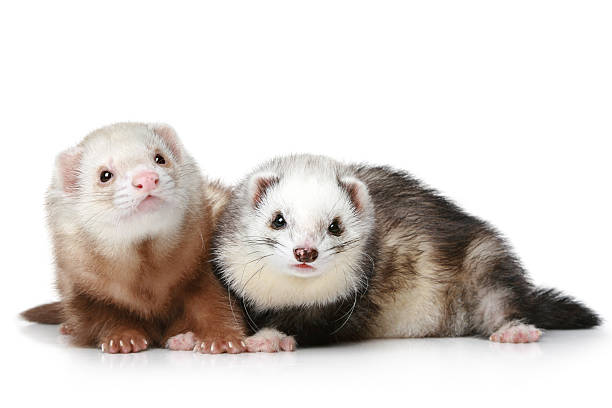
Ferrets, with their inquisitive nature, boundless energy, and undeniable charm, are captivating companions. To truly thrive, these intelligent and active creatures require an environment that stimulates their minds and caters to their unique physical instincts. A simple, single-level cage, no matter how spacious, falls woefully short of meeting the complex needs of a ferret. This is where the concept of multi-level living becomes not just a luxury, but a fundamental necessity for their health and happiness.
This comprehensive guide will delve deep into every aspect of creating the ultimate multi-level ferret cage setup. From selecting the perfect structure to furnishing it with enriching accessories and maintaining pristine conditions, we’ll cover everything you need to know to provide your ferret with a home that mimics their natural drive to explore, dig, and climb, ensuring a life filled with security, stimulation, and joy.
1. Understanding the Ferret Psyche: Why Multi-Level is Essential
Before we even begin discussing cage specifics, it’s crucial to understand the “why” behind multi-level living. Ferrets are naturally curious, crepuscular (most active at dawn and dusk) predators belonging to the Mustelidae family. In the wild, they are accustomed to navigating complex tunnel systems, exploring varied terrains, and utilizing vertical spaces. A multi-level cage directly addresses these innate behaviors:
- Exploration & Curiosity: Ferrets are driven by a ceaseless desire to investigate. Multiple levels, ramps, and platforms provide a constantly changing landscape, satisfying their natural urge to explore every nook and cranny. This prevents boredom, a major contributor to behavioral problems and stress in captive animals.
- Exercise & Physical Health: Climbing, leaping, and navigating between levels provides vital physical exercise, strengthening muscles, promoting agility, and preventing obesity. A sedentary ferret is an unhealthy ferret.
- Mental Stimulation: The complexity of a multi-level environment challenges their minds. They learn to navigate, plan routes, and discover hidden treats or toys, fostering cognitive engagement crucial for their mental well-being.
- Mimicking Natural Habitats: While domestic ferrets don’t live in elaborate tunnel systems, the multi-level structure mimics the varied topography and hidden spaces they would naturally encounter, providing a sense of security and enrichment.
- Resource Distribution: Multiple levels allow for the strategic placement of resources – food on one level, water on another, litter boxes in specific corners, and multiple sleeping areas – promoting natural movement and allowing ferrets, especially in groups, to choose their preferred spots without conflict.
- Preventing Boredom & Stress: A monotonous environment leads to lethargy, repetitive behaviors (pacing, bar biting), and even aggression. A dynamic, multi-level cage combats this by offering endless opportunities for engagement and discovery.
By embracing multi-level living, you’re not just housing a pet; you’re providing an enriching habitat that caters to the very essence of what it means to be a ferret.
2. Choosing the Right Foundation: The Multi-Level Cage Itself
The cage is the cornerstone of your ferret’s habitat. Investing in a high-quality, appropriately sized multi-level cage is paramount. Skimping here will lead to ongoing issues and potentially compromise your ferret’s health and happiness.
A. Size Matters: More Than Just Square Footage
While “bigger is better” is a good general rule, for ferrets, it’s about volume. They utilize vertical space just as much as horizontal.
- Minimum Dimensions: For a single ferret, aim for a cage that is at least 30 inches long, 24 inches wide, and 36 inches high. This is a bare minimum. For two ferrets, increase these dimensions significantly, perhaps to a 36″L x 24″W x 48″H double-unit cage. For more ferrets, you’ll need even more substantial multi-unit setups or custom enclosures.
- Floor Space vs. Levels: Don’t be fooled by cages that boast large floor plans but only have one or two small platforms. Look for cages with multiple full-width or half-width levels to maximize usable space and climbing opportunities.
B. Bar Spacing: The Great Escape Artist’s Challenge
Ferrets are notorious for their ability to squeeze through incredibly small gaps.
- Absolute Maximum: The bar spacing on your cage should be no more than 1 inch (2.54 cm). Ideally, for smaller ferrets or kits, aim for 0.75 inches (1.9 cm) or less. Wider spacing is an invitation for escape, injury, or even strangulation.
- Horizontal vs. Vertical Bars: Cages with horizontal bars can offer better climbing opportunities, but ensure the vertical spacing between horizontal bars is tight. Vertical bars prevent climbing, but the horizontal spacing must be secure.
C. Material & Construction: Durability and Cleanliness
- Wire Construction: Most good ferret cages are made of sturdy, powder-coated wire. Powder coating is durable, rust-resistant, and easier to clean than plain galvanized wire. Avoid cages with plastic bases that are too shallow, as ferrets love to dig and can kick litter and bedding out.
- Solid vs. Wire Floors/Ramps: This is critical. NEVER use cages with exposed wire mesh floors or wire ramps. These can cause a painful and debilitating condition called “bumblefoot” (pododermatitis), where their delicate paw pads become inflamed and infected. All platforms and ramps must be solid, or if they are wire, they must be completely covered with a solid material like plastic inserts, linoleum tiles, or fleece fabric securely attached.
- Door Latches: Ferrets are clever. Simple latches are no match for their persistent paws. Look for secure, multi-point, or “ferret-proof” latches that require more complex manipulation to open. Carabiners or child-proof locks can be added for extra security.
- Mobility: Cages with wheels are a godsend for cleaning and repositioning, especially larger multi-level units which can be heavy.
D. Examples of Reputable Cage Types (General Categories):
- Critter Nation/Ferret Nation: Often considered the gold standard. These cages feature wide doors for easy cleaning, tight bar spacing, full-width solid platforms, and sturdy construction. The “double” versions (Critter Nation Double or Ferret Nation Double) offer excellent multi-level vertical space.
- MidWest Homes for Pets Ferret Nation/Critter Nation: These are the brands that produce the above popular models.
- Prevue Hendryx Ferret Cages: Some models offer good multi-level designs, but always check bar spacing and ensure platforms/ramps are solid or can be easily covered.
- Custom Builds: Experienced DIYers can construct safe, spacious custom enclosures using hardware cloth (1″ x 0.5″ or 0.5″ x 0.5″ mesh) and wood, but this requires careful planning to ensure ventilation, safety, and ease of cleaning.
3. Designing the Levels & Layout: Optimizing Space for Fun and Function
Once you have your multi-level cage, the real fun begins: customizing the interior. A well-designed layout optimizes space, encourages natural behaviors, and makes cleaning easier.
A. Ramps: The Highways of the Habitat
Ramps are crucial for connecting levels, but they must be safe.
- Solid is Key: As mentioned, avoid wire ramps. If your cage comes with wire ramps, immediately cover them. Options include:
- Plastic Ramp Covers: Many manufacturers sell plastic covers.
- Linoleum Tiles/Vinyl Flooring: Cut to size and securely attached.
- Fleece Fabric: Wrap ramps in several layers of fleece and secure with heavy-duty clips or zip ties. Replace and wash frequently.
- Gentle Incline: Ramps shouldn’t be too steep, especially for older or less agile ferrets. A gradual incline is safer and easier to use.
- Non-Slip: Ramps should offer good traction. Fleece provides this naturally. If using plastic, ensure it’s textured or add non-slip strips.
- Placement: Consider multiple ramp options or staggered platforms to create different routes and prevent congestion, especially if you have multiple ferrets.
B. Platforms & Shelves: Varied Terrain for Exploration
Platforms are the “floors” of your multi-level world.
- Solid Platforms: Most reputable cages come with solid plastic or metal platforms. These are ideal.
- Covering Wire Platforms: If your cage has wire platforms, cover them using the same methods as ramps (linoleum, plastic inserts, or heavy-duty fleece covers).
- Varying Heights & Sizes: Don’t just stack identical platforms. Create varied heights, perhaps a larger main level, smaller intermediate platforms, and a top-level retreat. This adds visual interest and encourages different types of movement.
- Safety Gaps: Ensure there are no large gaps between platforms and the cage walls where a ferret could fall through from a significant height or get stuck. If there are, block them with hardware cloth or secure panels.
C. Strategic Placement: Functionality and Hygiene
- Litter Boxes: Ferrets naturally tend to relieve themselves in corners. Place high-sided litter boxes in corners on multiple levels. Keep litter boxes away from food and water if possible. Aim for at least one litter box per level, or strategically place them where your ferret prefers.
- Food & Water Stations: Place food bowls and water bottles/bowls on a stable platform, ideally not directly above a litter box. Multiple water sources are always a good idea. Secure bowls to prevent tipping.
- Sleeping & Hiding Spots: Dedicate specific levels or corners for hammocks, sleeping tubes, and private refuges. Ferrets love to sleep soundly in dark, enclosed spaces.
- Play Zones: Leave open areas on platforms or on the main floor for toys, dig boxes, or simply for “war dancing.”
4. Essential Cage Furnishings & Accessories: Creating a Ferret Paradise
Once the structure is in place, it’s time to fill it with comfort, stimulation, and necessities.
A. Bedding & Sleeping Areas: The Art of the Ferret Nap
Ferrets sleep a lot – up to 75% of the day – and they love to burrow and snuggle. Provide a variety of options.
- Hammocks: These are non-negotiable! Ferrets adore hammocks. Provide several:
- Sling/Flat Hammocks: For lounging and stretching out.
- Pouch Hammocks: For burrowing and privacy.
- Tunnel Hammocks: Combining a tunnel and a bed.
- Materials: Fleece is ideal – soft, warm, durable, and washes well. Avoid fabrics that fray easily, as loose threads can entangle toes or be ingested.
- Placement: Hang hammocks securely from the cage roof or platforms, ensuring they’re not too close to the floor for safety.
- Sleeping Tubes/Tunnels: Hard plastic (PVC) or fabric tunnels provide dark, secure places for napping and also serve as play items. Ensure fabric tunnels are made of safe material like fleece.
- Hiding Boxes/Beds: Small cardboard boxes (replaced frequently), plastic “igloos,” or fabric cubes offer additional private sleeping spots.
- Soft Bedding: Old t-shirts, flannel blankets, or fleece scraps (cut into small squares to prevent entanglement) make excellent burrowing material. Wash these frequently.
- Avoid: Wood shavings (especially cedar and pine) can cause respiratory issues and liver damage. Dusty or scented bedding is also a no-go.
B. Litter Boxes & Litter: Hygiene is Key
Ferrets can be litterbox trained with patience and consistency.
- Type of Box:
- High-Sided Corner Pans: These fit well into cage corners and prevent litter from being kicked out.
- Shallow Rectangle Pans: If your ferret prefers a larger surface area.
- Entry Height: Ensure the box isn’t too high for kits or older ferrets to enter easily.
- Type of Litter:
- Dust-Free Paper-Based Pellets: Highly recommended. Absorbent, low dust, and safe if ingested in small amounts.
- Recycled Paper Pellets: Similar benefits.
- Non-Clumping Clay Litter (specific ferret-safe types): Some non-clumping clay litters designed for small animals can be used, but always prioritize dust-free and non-toxic options. Avoid clumping clay litter at all costs – if ingested, it can cause deadly intestinal blockages.
- Avoid: Cat litter (especially clumping), wood shavings, scented litters.
- Placement: Ferrets tend to back into corners to relieve themselves. Place litter boxes in these preferred corners on multiple levels. If your ferret consistently misses the box, move it to their preferred spot, even if less convenient for you, then gradually try to shift it back.
C. Food & Water: Sustenance and Hydration
- Food Bowls:
- Heavy Ceramic or Stainless Steel: These are durable, easy to clean, and too heavy for ferrets to tip over easily.
- Attachable Bowls: Bowls that securely clip to the cage bars are excellent for preventing spills and keeping food off the floor.
- Placement: On a sturdy platform, away from litter boxes. Multiple bowls for multiple ferrets are essential to prevent competition.
- Water Sources:
- Water Bottles (with metal sipper tube): Most common. Provide at least two, preferably on different levels, in case one malfunctions or runs dry. Check daily for clogs or leaks.
- Heavy Ceramic/Stainless Steel Bowls: Many ferrets prefer drinking from a bowl, and it ensures they get sufficient hydration. If using bowls, ensure they are heavy and securely placed to prevent tipping and spillage. Bowls require more frequent cleaning.
- Recommendation: Provide both a bottle and a bowl to ensure continuous access to water and cater to your ferret’s preference.
D. Enrichment & Toys: Keeping Minds and Bodies Active
Ferrets need constant stimulation to prevent boredom and destructive behaviors.
- Tunnels:
- Slinky Tunnels: Expandable plastic tunnels are a huge hit.
- Fabric Tunnels: Fleece tunnels or cat play tunnels.
- PVC Pipes: Large diameter (4-6 inches) PVC pipes make excellent, durable tunnels.
- Dig Boxes: A shallow box filled with safe digging material allows them to express their natural digging instincts.
- Safe Fillers: Shredded paper, packing peanuts (non-toxic, non-biodegradable cornstarch ones only), plastic balls (ball pit balls), dry pasta, or clean soil (supervised).
- Avoid: Rice (can harbor bacteria), cedar chips, fine sand (respiratory issues).
- Chew Toys: Ferrets don’t chew as much as rodents, but some enjoy it. Offer safe, hard rubber or Nylabone-type toys specifically designed for ferrets or puppies. Avoid anything soft that can be ripped apart and ingested.
- Interactive Toys: Puzzle feeders that hide treats encourage problem-solving. Soft cat toys (without bells or small parts) can be fun for batting around.
- Rotation is Key: Don’t put all toys in the cage at once. Rotate them every few days to keep things fresh and exciting.
- Out-of-Cage Time: No matter how elaborate the cage, daily supervised out-of-cage playtime (at least 2-4 hours) in a ferret-proofed area is absolutely essential for their physical and mental health.
5. Safety & Health Considerations: A Secure and Healthy Home
A safe cage environment is non-negotiable. Regular checks and mindful choices contribute to your ferret’s long-term health.
- Bar Spacing Revisited: Double-check all bar spacing, including around doors and at corners. Your ferret’s head should not be able to fit through.
- Platform and Ramp Safety: Ensure all wire surfaces are covered. Check for loose covers or frayed fabric that could pose an entanglement risk. Ramps should be secure and not wiggle.
- Toy Safety: Regularly inspect toys for damage. Discard any toys that are breaking apart, have small pieces that could be swallowed, or show signs of wear that could lead to injury. Avoid toys made of soft rubber or latex that can be chewed and ingested.
- Ventilation: Good airflow is critical to prevent respiratory issues and control odors. Ensure the cage isn’t covered on all sides, blocking air circulation.
- Temperature: Ferrets are susceptible to heatstroke. Their ideal temperature range is 60-75°F (15-24°C). Never place the cage in direct sunlight, near heat sources, or in drafty areas. Over 80°F (27°C) can be dangerous.
- Cleaning Product Safety: Only use pet-safe cleaners or a diluted bleach solution (1:10 ratio) followed by thorough rinsing and drying to ensure no residue remains. Avoid harsh chemical cleaners, air fresheners, or strong perfumes near the cage.
- Secure Latches: As mentioned, always double-check door latches. A wandering ferret can get into dangerous situations quickly.
- Emergency Kit (Brief): While not part of the cage setup, it’s wise to have activated charcoal, gauze, and a pet first-aid kit on hand for emergencies. Consult your vet for advice on appropriate items.
6. Maintaining a Clean & Healthy Multi-Level Environment: The Chore of Love
A multi-level cage, while offering more enrichment, also requires dedicated cleaning to prevent odors, bacteria, and disease. Ferrets are naturally clean animals, but their waste is potent.
A. Daily Spot Cleaning: Quick and Essential
- Litter Boxes: Scoop solids and wet spots from all litter boxes daily, or even twice a day. Replenish litter as needed.
- Food & Water: Wash food bowls daily and refill. Refresh water bottles/bowls daily, ensuring they are clean and free of algae or slime.
- Wipe Downs: Quickly wipe down any visible messes (urine, spilled food) on platforms, ramps, or bars with a pet-safe wipe or damp cloth.
- Check Bedding: Briefly check hammocks and bedding for excessive soiling.
B. Weekly Deep Cleaning: The Full Reset
- Remove & Wash Bedding: Remove all hammocks, blankets, and fabric tunnels. Wash them in hot water with a ferret-safe, unscented detergent. Tumble dry on low or air dry. Have a spare set of bedding ready to swap in.
- Wipe Down All Surfaces: Using a pet-safe cleaner (or diluted white vinegar), thoroughly wipe down all cage bars, platforms, ramps, and the base. Pay extra attention to corners and high-traffic areas.
- Scrub Litter Boxes: Empty all litter, scrub the boxes with soap and water, rinse thoroughly, and dry before refilling with fresh litter.
- Clean Food & Water Stations: Wash food bowls and water bottles/bowls thoroughly with hot, soapy water. Use a bottle brush for water bottles to remove any biofilm.
- Vacuum/Sweep Surrounding Area: Clean up any spilled litter or food around the cage.
C. Monthly Sanitization: The Deep Purge
- Complete Disassembly (if possible): If your cage allows, disassemble it for a more thorough cleaning.
- Bleach Solution: For heavy sanitization, use a dilute bleach solution (1 part bleach to 10 parts water). Spray or wipe down all hard surfaces. IMPORTANT: Let the solution sit for 10-15 minutes, then rinse extremely thoroughly with plain water. Allow everything to air dry completely before reassembling and putting your ferrets back in. Any residual bleach can be highly toxic.
- Inspect for Wear: During this deep clean, inspect all cage components (bars, latches, platforms, ramps) for any damage, rust, or weak spots. Repair or replace as needed.
D. Odor Control: Prevention is Best
- Consistent Cleaning: The most effective odor control is diligent cleaning.
- Good Ventilation: Ensure the cage is in a well-ventilated area.
- Diet: A high-quality, meat-based ferret food contributes to less pungent waste.
- Avoid: Air fresheners, scented candles, or strong chemical deodorizers can irritate your ferret’s sensitive respiratory system. If you need a scent, a few drops of pet-safe essential oils (like lavender or chamomile, highly diluted) in a diffuser away from the cage might be okay, but generally, it’s best to avoid.
7. Introducing Your Ferret to Their New Home: A Gentle Transition
Moving to a new habitat can be stressful. Make the introduction smooth and positive.
- Initial Setup: For the very first introduction, you might want to keep the initial setup a little simpler. Not too many toys, just the essentials (food, water, litter, a cozy bed). This allows them to get used to the basic structure without feeling overwhelmed.
- Familiar Scents: Place a familiar blanket or an unwashed t-shirt with your scent in the cage to provide comfort.
- Supervised Exploration: Allow your ferret to explore the cage on their own terms. Watch them closely. They will likely sniff every surface, test ramps, and burrow into bedding.
- Positive Reinforcement: Offer treats and gentle praise as they explore.
- Patience: Some ferrets adapt quickly, while others may take a day or two to fully settle in. Don’t force interactions; let them come to you.
- Gradual Enrichment: Once they’re comfortable, gradually introduce more toys, tunnels, and varied sleeping spots.
8. Troubleshooting Common Multi-Level Setup Issues
Even with the best intentions, you might encounter some challenges.
- Climbing Out: If your ferret is escaping, it’s almost always due to incorrect bar spacing, an unsecured door latch, or a gap they’ve discovered. Thoroughly inspect the entire cage. Add carabiners to doors.
- Potty Training Regression/Issues:
- Placement: Is the litter box in a preferred corner? Ferrets are particular.
- Type of Litter/Box: Do they like the litter? Is the box too small or too high?
- Cleanliness: Is the box clean enough? Ferrets won’t use a dirty box.
- More Boxes: Do you need more litter boxes on different levels?
- Reinforcement: Clean up accidents immediately and place the soiled material into the litter box to reinforce its purpose.
- Boredom/Lethargy: If your ferret seems uninterested in their cage, is sleeping excessively even during active hours, or engaging in repetitive behaviors:
- Increase Enrichment: Add new types of toys, rotate toys more frequently.
- Dig Box: Provide a dig box if you haven’t already.
- More Out-of-Cage Time: They may simply need more time outside the cage to explore and play in a larger area.
- Health Check: Rule out any underlying health issues with a vet visit.
- Aggression (Multi-Ferrets): If you have multiple ferrets and observe new aggression within the cage:
- Resource Guarding: Ensure there are enough resources (food bowls, water sources, sleeping spots, litter boxes) for all ferrets to avoid competition.
- Space: Is the cage truly large enough for the number of ferrets you have? They may need more personal space.
- Dominance: Sometimes it’s natural hierarchy, but if it’s constant or causing injury, seek vet advice.
- Odor Problems: Review your cleaning schedule. Are you spot-cleaning daily and deep-cleaning weekly? Is the cage well-ventilated? Is their diet appropriate?
Conclusion: A Thriving Ferret in a Multi-Level Marvel
Creating the ultimate multi-level ferret cage is an investment – an investment of time, resources, and dedication. However, the returns are immeasurable: a healthy, happy, and stimulated ferret whose natural instincts are honored and whose life is enriched by a dynamic, engaging environment.
Remember that a ferret’s home is never truly “finished.” It’s a dynamic space that requires continuous observation, adaptation, and occasional rearrangement to keep things fresh and exciting. By providing a secure, clean, and endlessly stimulating multi-level habitat, you’re not just offering shelter; you’re fostering a vibrant world where your curious companion can explore, play, burrow, and nap to their heart’s content, solidifying your bond and bringing years of joyful ferret antics into your life. Embrace the multi-level life, and watch your ferret truly thrive.
#FerretsOfInstagram, #Ferrets, #FerretsLife, #FerretCage, #FerretSetup, #MultiLevelFerretCage, #FerretCare, #PetFerrets, #FerretHabitat, #FerretEnrichment, #FerretTips, #MustelidLove, #FerretNation, #CritterNation, #HappyFerret, #FerretLove, #SmallAnimalCare, #ExoticPets, #FerretEssentials, #PetCareGuide, #FurryFriends, #DIYFerretCage (if applicable), #UltimateFerretHome, #FerretOwner





Add comment