

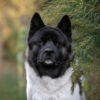
The Akita, whether the sturdy American Akita or the elegant Japanese Akita Inu, is a magnificent, powerful dog requiring specialized care. As a breed derived from working lines and sometimes prone to sensitive digestion and immune-mediated conditions, their diet is arguably the single most important factor in ensuring a long, healthy life.
This guide provides a detailed roadmap to navigating the nutritional requirements of your Akita at every life stage.
1. The Akita’s Unique Nutritional Profile
Akitas are large, deep-chested dogs with dense double coats. Their dietary needs lean heavily toward high-quality protein sources to maintain their substantial muscle mass and healthy fats to support their distinct coat and skin.
A. Macronutrient Ratios (The Building Blocks)
| Nutrient | Recommended Range (Adult) | Key Function |
| Protein | 22% – 30% | Muscle maintenance, immune support, energy. Must be high-quality and animal-based. |
| Fat | 12% – 18% | Energy, nutrient absorption, skin barrier, coat health. |
| Carbohydrates | 30% – 55% | Sustainable energy. Should come from complex, digestible sources (e.g., sweet potato, barley). |
| Moisture | 60% – 78% (in wet food) | Crucial for kidney function and digestion. |
B. High-Quality Protein is Non-Negotiable
Akitas thrive on diets featuring animal-based proteins as the primary ingredients (the first two or three items listed).
Optimal Sources: Beef, Chicken (provided there are no sensitivities), Lamb, Salmon, and Venison.
Avoidance: Diets relying heavily on plant-based proteins (like corn gluten meal or pea protein) as a primary source, as these lack the complete amino acid profile required for optimal Akita health.
2. Nutrition by Life Stage
The nutritional demands of an Akita change dramatically from puppyhood to old age.
Stage 1: The Akita Puppy (0 – 18 Months)
The Crucial Goal: Slow and Controlled Growth. Akitas are prone to Hip and Elbow Dysplasia. If they grow too quickly due to excessive calories, their bones and joints are put under immense stress.
Key Puppy Feeding Directives:
Large-Breed Specific Formula: Always choose a food specifically labeled for Large or Giant Breed Puppies. These formulas have carefully controlled calcium and phosphorus ratios and a slightly lower overall calorie density than standard puppy food.
Calcium Control: Should contain approximately 1.2% – 1.5% Calcium (as fed). Excess calcium is highly detrimental to the growing Akita skeleton.
Feeding Schedule: Feed 3 smaller meals per day up until 6 months, then drop to 2 meals per day. This aids digestion and helps maintain steady growth.
Protein & Fat: Protein should be higher (28%–32%) and fat content should be moderate (14%–16%).
Stage 2: The Adult Akita (18 Months – 7 Years)
Once growth plates have closed, the focus shifts to maintenance, muscle mass, and preventing weight gain.
Meal Frequency: 2 meals per day, spaced 8–12 hours apart. This is critical for gastric health and bloat prevention (see Section 4).
Activity Level Adjustment: A working Akita (actively training, long hikes) will need more calories than a companion Akita living a mostly sedentary lifestyle. Monitor body composition monthly.
Target Weight: Focus on keeping the Akita lean enough that you can easily feel (but not see) their ribs, and they have a visible waist tuck.
Stage 3: The Senior Akita (7 Years +)
As energy levels naturally decrease, the metabolism slows, and joints need more support.
Calorie Reduction: Calorie intake usually needs to be reduced by 10%–20% to prevent obesity, which exacerbates joint pain.
Protein Maintenance: Do not reduce protein quantity. In fact, highly digestible, high-quality protein (25%+) is essential for maintaining muscle mass (preventing sarcopenia) and keeping the immune system strong.
Joint Support: This is the time to actively consider supplements like Glucosamine, Chondroitin, and high doses of Omega-3 Fatty Acids (EPA/DHA).
3. Feeding Methods and Bloat Prevention
Akitas, as deep-chested large dogs, are at a higher risk of Gastric Dilatation-Volvulus (GDV), or Bloat, a life-threatening emergency.
A. Preventing Bloat (GDV)
| Best Practice | Rationale |
| Split Meals | Feed 2–3 smaller meals daily rather than one large meal. |
| No Pre/Post-Meal Exercise | Restrict vigorous exercise, excitement, or water consumption for one hour before and one hour after meals. |
| Food Intake Speed | Use a slow-feeder bowl or puzzle mat to force the dog to eat slower and ingest less air. |
| Water Management | Restrict large quantities of water immediately after eating dry kibble. |
| Elevated Bowls | Generally discouraged. Recent research suggests elevated bowls may increase the risk of bloat in some large breeds. Stick to floor feeding unless directed otherwise by a veterinarian for medical reasons (e.g., megaesophagus). |
B. Dry Kibble vs. Raw (B.A.R.F.) vs. Home-Cooked
Choosing the format of the food depends on budget, time, and veterinary advice:
Premium Kibble: The most convenient, cost-effective, and usually nutritionally complete option. Look for foods that meet AAFCO standards and have undergone feeding trials.
Raw (B.A.R.F.): Can offer excellent digestibility and coat health, but requires meticulous balancing to ensure complete nutrition (especially calcium/phosphorus balance, which is vital for Akitas). Consult a Veterinary Nutritionist if choosing this path.
Home-Cooked: Only recommended if prepared under the guidance of a board-certified Veterinary Nutritionist (DACVN). Without professional guidance, it is almost impossible to meet all vitamin and mineral requirements, which can lead to deficiencies over time.
4. Akita-Specific Nutritional Challenges
Akitas are often considered to have relatively sensitive digestion and can be prone to certain immune-mediated issues (like Sebaceous Adenitis), which may be managed through diet.
A. Food Sensitivities and Allergies
While true food allergies (immune response) are rare, sensitivities (digestive upset) are common.
Common culprits: Chicken, beef, corn, wheat, soy.
Signs: Chronic ear infections, paw licking, skin inflammation, chronic diarrhea, or vomiting.
Solution: If sensitivity is suspected, a Veterinary Elimination Diet using a Novel Protein (e.g., duck, bison, venison) or a Hydrolyzed Protein diet must be conducted under vet supervision.
B. Managing Weight
Akitas should be powerful and muscular, not round. Excess fat puts strain on their joints.
Management: Switch to a high-protein, lower-fat “weight management” or “senior” food. Substitute high-calorie treats with healthy alternatives like green beans or carrots. Ensure at least 45 minutes of daily, moderate exercise.
C. Choosing the Right Carbs
Complex carbohydrates are necessary for sustained energy, but fillers are problematic.
Good Sources: Brown rice, sweet potato, barley, oats, and certain legumes (in moderation).
Sources to Minimize: Excessive corn, wheat, or soy. These are often used as cheap fillers and are potential allergens/sensitizers.
5. Supplements: Enhancing Akita Health
Supplements should never be a substitute for a high-quality, balanced diet, but they can be beneficial for proactive health maintenance.
| Supplement | Best Use Case | Akita Relevance |
| Omega-3 Fatty Acids | Anti-inflammatory. Supports brain, eye, and heart health. | Crucial. Excellent for boosting coat health, managing dry skin, and reducing the severity of inflammatory autoimmune conditions (like SA). Look for high concentrations of EPA/DHA. |
| Glucosamine & Chondroitin | Joint health and cartilage repair. | Essential for large breeds. Highly recommended starting in middle age (5–7 years) or immediately in dogs diagnosed with dysplasia or arthritis. |
| Probiotics & Prebiotics | Supports a healthy gut microbiome. | Useful for Akitas with sensitive stomachs, recurring loose stool, or those on antibiotics. |
| Antioxidants | Cellular health and immune support (Vitamin E, Beta-carotene). | Important for senior Akitas or those with heightened inflammatory conditions. |
6. Foods to Avoid (Toxicity & Danger)
Never feed your Akita:
Toxic Foods: Chocolate, Xylitol (found in sugarless gum, peanut butter), Grapes/Raisins, Onions/Garlic (in large quantities), Macadamia Nuts, Alcohol.
Dangerous Foods: Cooked bones (splinter) or excessive fatty trimmings (risk of pancreatitis).
Risk Foods: Raw yeast dough, excessive salt.
Summary Checklist for the Optimal Akita Diet
Read the Labels: Primary ingredients must be whole animal proteins (e.g., Chicken, Lamb, Beef, Fish).
Control Puppy Growth: Use large-breed specific food to manage calcium and calorie intake.
Prevent Bloat: Feed two small meals daily and enforce resting time before and after eating.
Support the Coat: Ensure adequate healthy fats, particularly Omega-3s (Fish Oil).
Monitor Body Condition: Keep your Akita lean to protect their vulnerable joints.
Consult a Professional: If transitioning to raw or home-cooked food, or dealing with chronic health issues, consult your veterinarian or a board-certified veterinary nutritionist.The Ultimate Akita Dog Nutrition Guide
#AkitaNutrition, #AkitaDog, #DogNutritionGuide, #HealthyAkita, #AkitaHealth, #PremiumDogFood, #CanineNutrition, #AkitaCare, #DogDiet, #LargeBreedNutrition, #AkitaLove, #DogWellness, #PetNutrition, #FuelingMajesty, #AkitaLife, #JapaneseAkita, #AmericanAkita, #DogFoodTips, #HappyAkita, #DogHealthTips






Add comment