
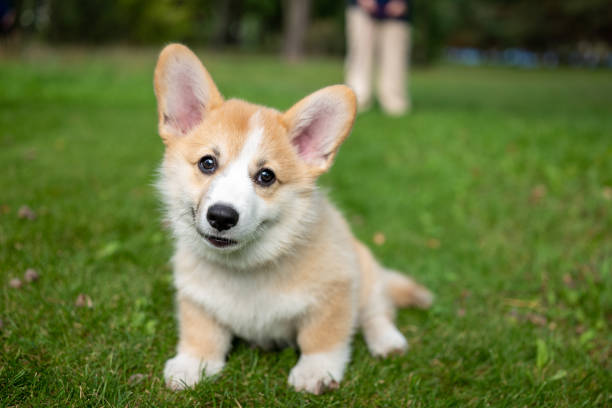
Potty training your new canine companion is a rewarding, albeit sometimes messy, journey. As a new dog owner, this process can feel overwhelming, but with patience, consistency, and the right approach, you can successfully guide your furry friend to eliminate in the designated spot. This comprehensive guide will equip you with the knowledge and strategies to make potty training a positive experience for both you and your dog.
Understanding the Basics of Potty Training
At its core, potty training is about teaching your dog where and when it’s appropriate to relieve themselves. Dogs, by nature, are clean animals and don’t want to soil their living spaces. Your job is to harness this instinct and direct it to the correct location.
- Age and Breed: While younger puppies generally require more frequent trips outside, older dogs can also be successfully potty trained. Some breeds may have a slightly easier time due to their inherent desire to please or their aptitude for learning. However, every dog is an individual, and their personality and past experiences play a significant role.
- Consistency is Key: This is the golden rule of potty training. Establishing a predictable routine and sticking to it is paramount. Inconsistency will confuse your dog and hinder progress.
- Positive Reinforcement: Rewarding your dog for successful elimination outside is the most effective method. This involves praise, treats, or a special toy. Punishment for accidents inside is counterproductive and can lead to fear and anxiety.
- Patience and Understanding: Accidents will happen. It’s a normal part of the process. Don’t get discouraged. View each accident as a learning opportunity and recalibrate your approach.
Setting Up for Success: Pre-Training Preparations
Before you even bring your new dog home, or as soon as they arrive, take these steps to lay the groundwork for success.
- Designate a Potty Spot: Choose a specific area in your yard where you want your dog to eliminate. This could be a patch of grass, a specific corner, or even a designated potty pad area. Consistency here is crucial; always take your dog to the same spot.
- Gather Your Supplies:
- High-Value Treats: Small, delicious treats that your dog loves.
- Leash and Collar/Harness: For supervised outdoor trips.
- Enzymatic Cleaner: Essential for thoroughly cleaning accidents and eliminating odors that might attract your dog back to the same spot.
- Crate (Optional but Recommended): A crate can be an invaluable tool for preventing accidents when you can’t supervise.
- Potty Pads (Optional): Useful for very young puppies or in situations where frequent outdoor access is challenging.
- Establish a Routine: Figure out when your dog will need to go. This typically includes:
- First thing in the morning.
- Last thing at night.
- After waking up from naps.
- After playing.
- After eating or drinking.
- Before being left alone.
- Puppy-Proof Your Home (if applicable): Remove any temptations or potential hazards that could lead to accidents or chewing.
The Core Potty Training Method: Supervision and Routine
This is where the magic happens. The most effective potty training strategy relies on constant supervision and a predictable schedule.
- Constant Supervision: When your dog is not in their crate or confined to a safe, puppy-proofed area, they should be under your direct supervision. This means tethering them to you with a leash, having them in the same room, or actively watching their body language.
- Recognizing Potty Cues: Learn to identify the subtle signs your dog is about to have an accident:
- Circling.
- Sniffing the ground intently.
- Whining or pacing.
- Stopping play abruptly.
- Heading towards a previous accident spot.
- Immediate Potty Breaks: The moment you notice these cues, calmly and quickly take your dog to their designated potty spot.
- The Potty Command: As you take your dog to their spot, use a consistent verbal cue, such as “Go potty,” “Do your business,” or “Potty time.” Say it calmly and clearly.
- Praise and Reward: When your dog successfully eliminates in the designated spot, offer immediate and enthusiastic praise. Follow this up with a high-value treat and more verbal encouragement. Make it a big, positive event!
- If They Don’t Go: If you take your dog outside and they don’t eliminate within 5-10 minutes, bring them back inside. Keep them on a very short leash or in their crate for a short period (10-15 minutes) and then try taking them outside again. This prevents them from having an accident inside immediately after coming in.
The Role of the Crate in Potty Training
Crates are often misunderstood, but when used correctly, they can be a powerful tool for potty training. The principle behind crate training for potty purposes is the dog’s natural aversion to soiling their den.
- When to Use the Crate:
- When you cannot actively supervise your dog.
- During nighttime.
- For short periods when you need to leave the house.
- Proper Crate Size: The crate should be just large enough for your dog to stand up, turn around, and lie down comfortably. If it’s too large, they might use one end as a potty area and sleep in the other.
- Never Use as Punishment: The crate should be a safe and comfortable den for your dog, not a place of punishment.
- Gradual Introduction: Introduce the crate slowly and positively. Feed meals in the crate, offer treats, and leave the door open initially.
- Crate Training Schedule:
- Puppies (under 6 months): Will likely need to go out every 2-4 hours, depending on age. A general rule of thumb is their age in months plus one hour (e.g., a 3-month-old puppy can hold it for about 4 hours).
- Adult Dogs: Can typically hold it for longer, but still need frequent breaks.
What to Do About Accidents
Accidents are inevitable. The key is how you handle them.
- If You Catch Them in the Act:
- Interrupt Calmly: Make a sudden, sharp noise (a clap of your hands, a quick “Ah-ah!”) to startle them, but don’t scare them.
- Immediately Take Them Outside: Scoop them up or quickly lead them to their designated potty spot.
- Praise if They Finish Outside: If they do finish outside, praise and reward them.
- If You Discover an Accident After It Happened:
- Do Not Punish: Do not rub your dog’s nose in it, scold them, or hit them. They will not understand why they are being punished and it can lead to fear and hiding their accidents.
- Clean Thoroughly: The most important step is to clean the accident thoroughly with an enzymatic cleaner. These cleaners break down the odor-causing molecules. If the odor remains, your dog may be drawn back to the same spot.
- Assess and Adjust: Think about why the accident might have happened. Were they unsupervised? Did you miss a potty cue? Did they have too much access to water before bedtime? Use this as a learning opportunity to adjust your strategy.
Potty Training Older Dogs and Rescue Dogs
Potty training an older dog or a rescue dog can present unique challenges, but it’s absolutely achievable.
- Older Dogs: May have established bad habits, medical conditions, or a lifetime of not being trained.
- Medical Check-up: Rule out any underlying medical issues that could be contributing to accidents (e.g., urinary tract infections, incontinence).
- Patience and Consistency: These are even more crucial for older dogs. You may need to be more patient as they unlearn old habits.
- Focus on Positive Reinforcement: Older dogs can be just as eager to please as puppies.
- Rescue Dogs: May have unknown histories, trauma, or lack of prior training.
- Build Trust: Focus on building a strong bond and trust with your rescue dog.
- Observe and Adapt: Spend time observing their behavior and adjust your training plan accordingly.
- Consider a Gentle Approach: Avoid harsh corrections. Focus on positive reinforcement and creating a secure environment.
- Seek Professional Help: If you’re struggling, a professional dog trainer or behaviorist can offer tailored advice.
Common Potty Training Challenges and Solutions
Even with the best intentions, you might encounter bumps in the road. Here are some common challenges and how to address them:
- Submissive Urination: Some dogs urinate when they are excited, fearful, or being greeted.
- Solution: Ignore the urination. Avoid direct eye contact, looming over them, or overly enthusiastic greetings. Let them initiate greetings. Reward calm behavior.
- Excitement Urination: Similar to submissive urination, but triggered by excitement.
- Solution: Manage excitement levels. Keep greetings calm. Practice “settle” commands.
- Marking: Typically seen in intact males, but can occur in females and neutered/spayed dogs, especially when new scents or stressors are introduced.
- Solution: Frequent cleanings with enzymatic cleaners. Restrict access to areas where marking occurs. Consider neutering/spaying if not already done. Address underlying anxiety or territorial issues.
- Refusal to Potty Outside: The dog holds it until they are back inside.
- Solution: Ensure they are not being rushed. Stay out longer in their designated spot. Use the potty command consistently. Avoid letting them have too much freedom inside until they are reliably trained.
- Pottying in the Crate: This usually indicates the crate is too large or the dog is being left in for too long.
- Solution: Ensure the crate is the correct size. Gradually increase the time spent in the crate. Take them out immediately after they are released from the crate.
Advanced Potty Training Tips and Techniques
Once your dog is having fewer accidents, you can refine your approach.
- Gradually Increase Freedom: As your dog shows reliability, you can gradually increase their freedom inside the house. Start with supervised access to one room, then expand.
- The 24/7 Rule: Until your dog is consistently accident-free for at least a month, it’s wise to maintain a high level of supervision and consider them “on probation.”
- Weekend Warrior Syndrome: Be aware that accidents can happen more frequently during weekends when routines change or guests are around.
- Potty Bells: Hang a bell on your door and ring it every time you take your dog out. Eventually, they may learn to ring the bell themselves to signal they need to go out.
- Outdoor Play and Potty Strategy: Don’t assume your dog will potty just because they are outside. They might be too distracted by play. Take them to their potty spot first, wait for them to eliminate, praise and reward, and then allow supervised free play.
When to Seek Professional Help
While most dogs can be potty trained with consistent effort, there are times when professional guidance is beneficial.
- Persistent Accidents: If you’ve been diligent with your training for several weeks or months and are still experiencing frequent accidents.
- Sudden Changes in Behavior: If a previously potty-trained dog suddenly starts having accidents, it could indicate a medical issue or stress.
- Aggression or Fear Related to Potty Training: If your dog shows fear, anxiety, or aggression when you try to train them or when accidents occur.
- Specific Behavioral Issues: Like marking, submissive urination, or extreme separation anxiety that impacts potty habits.
Conclusion: The Journey to a Potty-Trained Dog
Potty training is a marathon, not a sprint. It requires dedication, understanding, and a whole lot of love. By implementing a consistent routine, utilizing positive reinforcement, and being patient with setbacks, you will successfully guide your dog to become reliably house-trained. Celebrate the milestones, learn from the accidents, and enjoy building a strong bond with your new best friend. The effort you put in now will pay dividends in a well-behaved and cherished companion for years to come.
#PottyTraining #DogPottyTraining #PuppyPottyTraining #HouseTraining #DogTrainingTips #NewPuppy #DogLife #PuppyLove #TrainingADog #DogBehavior #PositiveReinforcement #CanineTraining #DogMom #DogDad #PuppyTraining #RescueDog #DogTips #DogCoach #HappyDog #CleanHouseHappyDog #PottyPro #DogEducation #DoggieDoos #TinkleTime







Add comment