
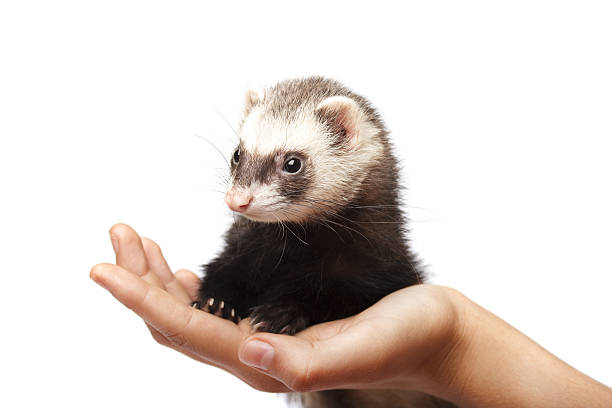
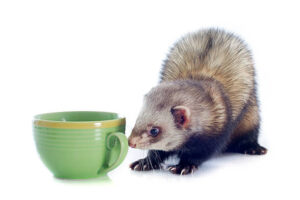
Ferrets, with their inquisitive nature, playful antics, and boundless energy, have charmed their way into countless homes as beloved companions. However, beneath their adorable, furry exteriors lies a creature with unique physiological characteristics and a predisposition to specific health challenges. Unlike dogs and cats, ferrets are considered “exotic” pets, meaning they require veterinary care from professionals specializing in their distinct biology and medical needs. Just like any cherished family member, ferferrets benefit immensely from regular preventative healthcare, with the annual wellness exam standing as the cornerstone of maintaining a long, healthy, and happy life.
This comprehensive guide will delve deep into the world of the yearly ferret wellness exam, demystifying the process, explaining what to expect at the vet’s office, and empowering ferret owners with the knowledge to be proactive advocates for their pets’ health. We will explore the vital importance of these check-ups, the preparatory steps you can take, the detailed components of the physical examination, the array of diagnostic tests often recommended, and the invaluable discussions you’ll have with your trusted ferret veterinarian.
Why Yearly Wellness Exams Are Crucial for Ferrets
The importance of annual veterinary visits for ferrets cannot be overstated. These seemingly routine appointments are, in fact, critical junctures in your ferret’s healthcare journey, offering benefits that extend far beyond simply addressing acute problems.
1. Longevity and Quality of Life Through Early Detection: Ferrets are masters at hiding illness, a survival instinct honed by their ancestry as prey animals. By the time symptoms become obvious to an owner, the underlying condition may have progressed significantly, making treatment more complex and potentially less effective. A yearly wellness exam provides an opportunity for a trained veterinarian to detect subtle changes or early indicators of disease that might otherwise go unnoticed. Conditions like insulinoma, adrenal disease, lymphoma, and dental disease are rampant in the ferret population, and early detection often means more successful treatment outcomes, improved quality of life, and in many cases, extended lifespan. Catching a small tumor before it grows, or identifying early signs of organ dysfunction, can make all the difference.
2. Predisposition to Specific Illnesses: Ferrets are unfortunately prone to a range of serious health issues that are less common in other pets.
- Insulinoma: A pancreatic tumor that causes dangerously low blood sugar.
- Adrenal Gland Disease: Tumors of the adrenal glands leading to hormonal imbalances, manifesting as hair loss, pruritus (itching), vulvar swelling in females, or prostate enlargement in males.
- Lymphoma: A common cancer affecting various organs.
- Dental Disease: Tartar buildup, gingivitis, and fractured teeth are prevalent and can lead to pain, infection, and systemic health problems.
- Cardiac Disease: Heart conditions, particularly dilated cardiomyopathy, are not uncommon.
A yearly exam allows the vet to specifically screen for and monitor these prevalent conditions, especially as the ferret ages.
3. Establishing a Baseline for Individual Health: Every ferret is an individual, with its own unique normal parameters for weight, heart rate, spleen size, and general demeanor. During the annual visit, the veterinarian collects and records this vital data. Over time, these records create a comprehensive health history, establishing a “baseline.” When your ferret later develops symptoms or shows subtle changes, the vet can compare current findings to these historical baselines, making it easier to identify deviations and diagnose problems more accurately and quickly. This historical context is invaluable for understanding trends and identifying emerging health concerns.
4. Preventive Care and Vaccinations: Annual exams are the perfect time to ensure your ferret is up-to-date on essential preventive care.
- Vaccinations: Ferrets require vaccinations against Canine Distemper Virus (which is often fatal in ferrets) and Rabies. The vet will assess your ferret’s risk factors and recommend the appropriate vaccination schedule.
- Parasite Control: Depending on your geographical location and your ferret’s lifestyle, the vet may recommend prevention against fleas, ticks, ear mites, and heartworms. A fresh fecal sample can also be checked for intestinal parasites.
- Dental Prophylaxis: The vet can assess dental health and recommend at-home care or professional dental cleaning if necessary to prevent painful and serious dental disease.
5. Nutritional and Husbandry Advice: Ferrets have very specific dietary needs (obligate carnivores) and require a particular environment to thrive. The annual exam provides an opportunity to discuss your ferret’s diet, enrichment, litter box habits, housing, and general husbandry practices. The veterinarian can offer tailored advice, address any concerns you might have, and help you optimize your ferret’s living conditions to prevent future problems. This is particularly important for new ferret owners or those who have made recent changes to their ferret’s routine.
6. Building a Relationship with Your Ferret’s Vet: Regular visits help build a trusting relationship between you, your ferret, and the veterinary team. This familiarity can reduce stress for your ferret during future visits, especially if they become ill. A vet who knows your ferret’s baseline and personality is better equipped to interpret subtle changes when they are unwell.
Preparing for Your Ferret’s Vet Visit
A well-prepared owner contributes significantly to a successful and less stressful vet visit for their ferret.
1. Choosing the Right Veterinarian: This is paramount. Ferrets are not small dogs or cats; they have vastly different physiology and disease profiles. Seek out a veterinarian who specializes in or has extensive experience with “exotic” pets, particularly ferrets.
- Ask for recommendations: From other ferret owners, local ferret rescues, or online ferret communities.
- Inquire about experience: Don’t hesitate to call clinics and ask about their veterinarians’ experience with ferrets, their understanding of common ferret diseases, and their diagnostic capabilities (e.g., in-house bloodwork for ferrets, ultrasound access).
- Emergency care: Know their protocols for emergencies, especially outside of regular business hours.
2. Gathering Information and Samples: Before your appointment, take some time to collect relevant information and a sample:
- Medical History: Bring any previous veterinary records, especially if this is a new clinic.
- Diet: Note down the exact brand and type of food your ferret eats, including any treats.
- Litter Habits: Any changes in frequency, quantity, or consistency of urination or defecation.
- Recent Changes: Any changes in behavior, activity level, appetite, water intake, weight, sleep patterns, or interaction with other ferrets or people.
- Concerns: Make a list of any specific questions or concerns you have about your ferret’s health or behavior. Don’t rely on memory once you’re in the exam room.
- Stool Sample: Collect a fresh stool sample (ideally from the last 12-24 hours) in a clean, sealed container. This will allow the vet to check for internal parasites.
3. The Carrier and Comfort:
- Secure Carrier: Transport your ferret in a secure, well-ventilated carrier. Ensure it’s escape-proof but still allows for air circulation.
- Familiar Comforts: Line the carrier with a familiar blanket, towel, or old t-shirt that smells like home. A favorite soft toy can also provide comfort. This familiar scent helps reduce stress.
- Temperature Regulation: Be mindful of temperature extremes. Ferrets are susceptible to heatstroke in warm weather, so ensure the car is cool. In cold weather, provide extra bedding and keep the carrier out of direct drafts.
4. Fasting (If Required): Your veterinarian might request that your ferret fast for a few hours (typically 2-4 hours) before the appointment if blood tests are planned, especially for glucose and insulin levels (relevant for insulinoma screening). Always confirm this with your clinic beforehand; avoid prolonged fasting as ferrets have a fast metabolism and can quickly become hypoglycemic. Water should always be available unless specifically instructed otherwise.
5. Financial Considerations: Veterinary care for exotic pets can sometimes be more costly due to specialized equipment, medications, and expertise.
- Discuss costs: Don’t be afraid to ask for an estimate of costs for the exam, recommended diagnostics, and vaccinations.
- Pet insurance: Consider pet insurance for ferrets, which can help cover unexpected medical expenses.
- Emergency fund: Having an emergency fund dedicated to your ferret’s health is always a wise decision.
Arrival at the Clinic and Initial Steps
Upon arrival, check in with the reception staff. Keep your ferret securely in its carrier and away from other pets, especially dogs and cats, which can be a source of stress. Some clinics may have a separate waiting area for exotic pets.
A veterinary technician or assistant will usually bring you and your ferret into an exam room. They will typically start by:
- Recording Weight: An accurate weight is crucial for monitoring health trends and calculating medication dosages.
- Taking Temperature: A rectal temperature provides an important vital sign.
- Initial Questions: They may ask basic questions about your ferret’s history, diet, and any concerns you have, preparing the veterinarian for the exam.
The Comprehensive Physical Examination
The physical examination is the cornerstone of the wellness visit. It’s a hands-on, head-to-tail assessment performed by the veterinarian, looking for any abnormalities or subtle signs of disease.
1. General Demeanor and Presentation: The vet will observe your ferret’s overall appearance, alertness, and interaction.
- Alertness and Responsiveness: Is the ferret bright, interactive, and curious? Or is it lethargic, withdrawn, or unwilling to move?
- Body Condition Score (BCS): The vet will assess whether your ferret is underweight, overweight, or in ideal body condition by feeling its ribs, spine, and musculature. Significant changes can indicate underlying health issues.
- Coat Quality: A healthy ferret typically has a thick, shiny coat. Hair loss (especially on the tail, back, or abdomen), dullness, excessive shedding, or dry, flaky skin can signal various problems, notably adrenal disease or nutritional deficiencies.
- Gait and Movement: The vet will observe how your ferret walks, runs, and moves around the exam room. Any lameness, stiffness, weakness, or stumbling could indicate musculoskeletal or neurological issues.
2. Head and Face:
- Eyes: The vet will check for clarity, discharge, redness, cloudiness, or any signs of irritation or injury. Bright, clear eyes are a sign of health.
- Ears: A special otoscope is used to look inside the ear canals for excessive wax, redness, inflammation, ear mites (which are very common in ferrets and appear as dark, crusty debris), or foreign bodies.
- Nose: The nose should be clean and slightly moist, without discharge, crusting, or difficulty breathing through the nostrils.
- Mouth and Teeth: This is a crucial part of the exam. The vet will gently open your ferret’s mouth to inspect:
- Teeth: Checking for tartar buildup, gingivitis (inflammation of the gums), broken or worn teeth, and dental abscesses. Dental disease is extremely common and painful in ferrets.
- Gums: Assessing their color (pink is healthy; pale, blue, or yellow can indicate problems) and capillary refill time (CRT), which indicates circulation status.
- Oral Cavity: Looking for any foreign objects, sores, masses, or unusual growths on the tongue, palate, or inside of the cheeks.
3. Neck and Lymph Nodes: The vet will gently palpate (feel) around the neck area, checking for any swollen lymph nodes or masses, which could indicate infection or cancer.
4. Thorax and Abdomen:
- Auscultation (Listening): Using a stethoscope:
- Heart: Listening to the heart rate, rhythm, and sounds. The vet will be checking for murmurs, arrhythmias, or other abnormal heart sounds that could suggest cardiac disease.
- Lungs: Listening to lung sounds to detect any wheezing, crackles, harsh breathing, or diminished sounds that might indicate respiratory infection, fluid accumulation, or other lung problems.
- Palpation (Feeling): The abdomen is a critical area for manual examination in ferrets. The vet will carefully and systematically feel the organs within the abdominal cavity:
- Spleen: Ferrets commonly have a large spleen, and it can fluctuate in size. The vet will assess its size, texture, and look for any unusual lumps or bumps. An enlarged or abnormally firm spleen can indicate various conditions, from normal variant to inflammation, extramedullary hematopoiesis, or lymphoma.
- Kidneys: Palpation can detect abnormal size, shape, or pain.
- Liver: Checking for enlargement or masses.
- Intestines: Palpating the intestinal tract, looking for thickening, foreign bodies, or unusual masses. The ferret’s intestines often feel like a “string of pearls” due to prominent lymph nodes, which is a normal finding.
- Pancreas: While difficult to palpate directly, the vet might detect general discomfort or masses in the pancreatic region if there’s inflammation or a tumor (like an insulinoma).
- Adrenal Glands: Located near the kidneys, these are typically too small to feel unless they are significantly enlarged due to adrenal disease. The vet may note asymmetry or an enlarged gland if palpable.
- Bladder: Checking for size, fullness, and tenderness.
5. Musculoskeletal System: The vet will gently flex and extend the ferret’s limbs, palpate the joints and spine, checking for:
- Pain or Swelling: Indicating arthritis, injury, or inflammation.
- Range of Motion: Any stiffness or abnormal movement.
- Muscle Wasting: Loss of muscle mass can be a sign of chronic illness or nutritional deficiencies.
6. Skin and Coat: Beyond general coat quality, the vet will specifically look for:
- Parasites: Fleas, ticks, or mites embedded in the skin or causing irritation.
- Lumps, Bumps, and Masses: Ferrets are prone to skin tumors (mast cell tumors are common and often benign, but require evaluation), cysts, or subcutaneous abscesses. The vet will digitally map these findings, noting their size, location, and consistency.
- Hair Loss: Patchy or symmetrical hair loss can be a hallmark sign of adrenal gland disease.
- Skin Lesions: Rashes, redness, scabs, or areas of self-trauma from itching.
7. Genitalia and Perianal Area:
- Males: Checking the penis for any obstructions, discharge, or inflammation. The prostate gland can become enlarged in entire males with adrenal disease.
- Females: Inspecting the vulva for swelling or discharge, which is a very common sign of adrenal disease, even in spayed females.
- Anal Glands: Checking for any signs of impaction or infection, though routine expression is generally not recommended unless there’s a problem.
- Cleanliness: Assessing the cleanliness of the area around the anus.
8. Tail Examination: The tail is checked for any lumps, bumps, or hair loss, which can also be indicative of adrenal disease.
9. Neurological Assessment (Brief): A basic neurological assessment involves observing the ferret’s coordination, balance, and responsiveness to stimuli. More in-depth testing might be performed if neurological symptoms are present.
Diagnostic Tests: Going Deeper
While a thorough physical exam provides a wealth of information, many common ferret diseases can only be accurately diagnosed or monitored through further diagnostic tests. These tests provide invaluable insights into internal organ function and overall health.
1. Routine Annual Tests (Highly Recommended):
- Bloodwork (Complete Blood Count – CBC and Chemistry Panel): This is arguably the most important diagnostic test for a ferret’s annual exam, especially for ferrets over 2-3 years of age.
- CBC: Evaluates red blood cells (anemia, polycythemia), white blood cells (infection, inflammation, stress, certain cancers like lymphoma), and platelets (clotting ability).
- Chemistry Panel: Measures various enzymes, proteins, and electrolytes to assess organ function, including the liver, kidneys, and pancreas. Key parameters provide crucial information about:
- Glucose: Essential for screening for insulinoma. Low glucose levels are highly suspicious.
- BUN and Creatinine: Indicators of kidney function.
- ALT and ALP: Liver enzyme levels, indicating liver health.
- Albumin and Globulins: Proteins that reflect hydration, inflammation, and liver/kidney disease.
- Electrolytes: Sodium, potassium, chloride, which are vital for many bodily functions.
- Importance: Bloodwork provides a snapshot of internal health, often revealing issues before clinical signs appear. It also helps establish individual baselines for future comparison.
- Urinalysis: Collection of a urine sample (often obtained by cystocentesis – drawing urine directly from the bladder with a needle – which is sterile and preferred) allows the vet to check for:
- Specific Gravity: Measures urine concentration, indicating kidney function and hydration status.
- pH: Can influence crystal formation.
- Protein, Glucose, Ketones, Bilirubin: Abnormal levels can flag various diseases (diabetes, kidney disease, liver issues).
- Sediment Exam: Microscopic examination for red blood cells, white blood cells (infection, inflammation), crystals (potential for stones), bacteria, or cellular abnormalities.
- Fecal Exam (Parasite Screening): The fresh stool sample you provide will be examined microscopically for the presence of:
- Intestinal Parasites: Such as roundworms, hookworms, whipworms, Giardia, and Coccidia. Even if your ferret is indoors, parasites can sometimes be acquired.
2. Elective or Recommended Tests (Based on Age, Symptoms, & Vet’s Findings):
- Adrenal Panel:
- When: Highly recommended for ferrets over 3-4 years old, or at any age if symptoms of adrenal disease are present (hair loss, vulvar swelling, itching, prostate enlargement).
- What: This specialized blood test measures the levels of adrenal hormones (estradiol, androstenedione, 17-alpha-hydroxyprogesterone).
- Importance: It’s the most reliable way to diagnose adrenal gland disease and differentiate it from other causes of hair loss or skin issues.
- Insulin/Glucose Ratio:
- When: If a ferret shows signs of lethargy, hind-end weakness, drooling, pawing at the mouth, or has a low glucose level on routine bloodwork, suggesting insulinoma.
- What: Simultaneously measures blood insulin and glucose levels. An elevated insulin-to-glucose ratio is highly indicative of insulinoma.
- Radiographs (X-rays):
- When: If the physical exam or bloodwork suggests issues like abdominal masses (enlarged spleen, suspicious lumps), cardiac enlargement, orthopedic problems (limping, pain), or if a foreign body ingestion is suspected.
- What: Provides images of bone structure and outlines of internal organs.
- Ultrasound:
- When: If radiographs are inconclusive, or if more detailed imaging of soft tissues is needed. Particularly useful for assessing organ architecture.
- What: Uses sound waves to create real-time images of internal organs. It is invaluable for:
- Adrenal Glands: To visualize and measure the size of the adrenal glands, which is crucial for diagnosing adrenal disease.
- Pancreas: To look for pancreatic masses consistent with insulinoma.
- Spleen: For detailed evaluation of splenic enlargement, identifying masses or architectural changes.
- Other Abdominal Organs: Liver, kidneys, intestines, bladder.
- Importance: Often provides definitive answers that blood tests or X-rays cannot, guiding treatment decisions, especially for tumors.
- Echocardiogram:
- When: If a heart murmur or abnormal heart rhythm is detected during auscultation, or if the ferret shows signs of heart disease (lethargy, coughing, difficulty breathing).
- What: An ultrasound of the heart that allows the vet to assess heart structure, function, valve integrity, and blood flow.
- Importance: Essential for diagnosing specific cardiac conditions like dilated cardiomyopathy and guiding appropriate treatment.
- Biopsies/Aspirates:
- When: If lumps, bumps, or abnormal organs are found during the physical exam or imaging.
- What: A fine needle aspirate (FNA) involves collecting a small sample of cells using a needle for microscopic examination. A biopsy involves surgically removing a small piece of tissue for histopathology.
- Importance: Provides a definitive diagnosis for masses, determining if they are benign or malignant, and guiding treatment plans.
Preventive Care and Treatments Administered
During the annual wellness exam, your ferret will also receive vital preventive care measures.
1. Vaccinations:
- Canine Distemper Virus Vaccine: This is absolutely critical. Distemper is nearly 100% fatal in ferrets. Ferrets typically receive a series of vaccinations as kits, followed by annual boosters.
- Rabies Vaccine: Required by law in many regions. Ferrets are susceptible to rabies, and vaccination protects both your pet and your family.
- Administration: Vaccines are typically given subcutaneously (under the skin). Your vet will discuss potential, though rare, vaccine reactions and instruct you on what to watch for.
2. Parasite Prevention:
- Flea Prevention: If your ferret has any exposure to the outdoors or lives with other pets that go outdoors, flea prevention may be recommended. Only specific, ferret-safe products should be used.
- Heartworm Prevention: In areas where heartworm disease is prevalent, a monthly heartworm preventative may be discussed, similar to dogs and cats.
- Ear Mite Treatment: If ear mites are detected during the exam, a safe and effective treatment will be administered or prescribed.
3. Dental Care: The vet will advise on home dental care (brushing, dental specific treats) and recommend a professional dental cleaning under anesthesia if significant tartar buildup or gum disease is present. This is a very common procedure for ferrets.
4. Microchipping: If your ferret is not already microchipped, the annual exam is a perfect time to have this done. A microchip is a tiny, permanent identification tag inserted painlessly under the skin, dramatically increasing the chances of being reunited with your ferret if they get lost.
5. Nail Trimming and Ear Cleaning: Often, as part of the routine care, the vet tech or vet will trim your ferret’s nails and clean its ears (if needed and without underlying ear infections) to keep them comfortable and hygienic.
Discussion with Your Veterinarian
This is your opportunity to engage in a detailed conversation with your vet about all aspects of your ferret’s health.
- Review of Findings: The vet will thoroughly explain all findings from the physical exam and any diagnostic tests. They will discuss what is normal, what is concerning, and why.
- Diagnosis and Prognosis: If any health issues are identified, the vet will provide a diagnosis (or differential diagnoses) and discuss the prognosis, outlining the likely course of the condition with and without intervention.
- Treatment Plan: A clear and detailed treatment plan will be presented, which may include medications, dietary changes, husbandry adjustments, or further diagnostics/procedures (e.g., surgery, specialized treatments). Ensure you understand the dosage, frequency, and duration of any medications.
- Lifestyle Recommendations: Discussions will cover optimal diet, sources of enrichment, appropriate housing, and how to monitor your ferret’s health at home.
- Answering Your Questions: This is your chance to ask every question you have. Don’t leave until you fully understand everything. Write your questions down beforehand to ensure nothing is missed.
- Scheduling Follow-up Appointments: If treatment or further monitoring is needed, the vet will advise on scheduling follow-up visits.
Post-Visit: What to Expect and Next Steps
Once you and your ferret are back home, your role in their ongoing care continues:
- Monitoring Your Ferret: Keep a close eye on your ferret for any changes in appetite, activity level, litter box habits, or behavior, especially after vaccinations or starting new medications.
- Administering Medications: If medications were prescribed, follow the vet’s instructions precisely regarding dosage, frequency, and administration technique. Do not stop medications prematurely unless instructed to do so.
- Observing for Changes: Pay attention to the specific concerns discussed with the vet, such as improvements in symptoms or potential side effects of treatments.
- Staying in Touch: Don’t hesitate to call the clinic if you have any new questions, concerns, or if your ferret’s condition changes.
Conclusion
The yearly ferret wellness exam is not merely an optional appointment; it is an indispensable component of responsible ferret ownership. These comprehensive check-ups are a proactive investment in your ferret’s health, offering the best chance for early detection of common, often serious, ferret diseases. By choosing an experienced ferret veterinarian, preparing thoroughly for the visit, understanding the detailed physical examination and diagnostic tests, and engaging actively in discussions with your vet, you empower yourself to provide the highest quality of life for your beloved companion.
Embrace the yearly wellness exam as an opportunity to reinforce your commitment to your ferret’s health and happiness. With vigilance, knowledge, and dedicated veterinary care, your furry friend can enjoy many more years of joyful “dooking” and playful mischief.
#FerretHealth #FerretCare #FerretVet #AnnualFerretExam #ExoticPetVet #FerretWellness #FerretsOfInstagram #FerretLife #PreventativeCare #AdrenalDisease #Insulinoma #FerretsRule #PetHealth #Ferrets #Mustelid #VetVisit #EarlyDetection #FerretsAreAwesome #HealthyFerret #PetCareTips



Add comment