
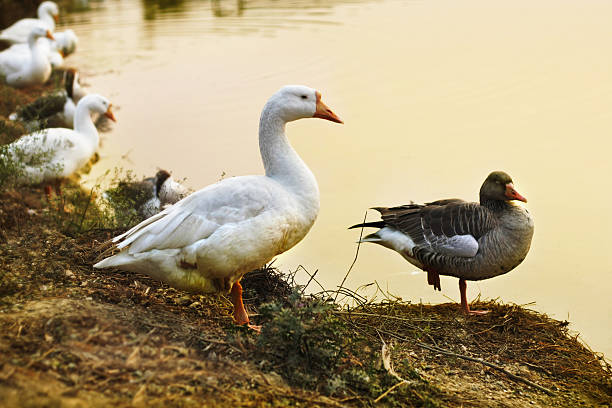
Thiamine, also known as vitamin B1, is an essential micronutrient required for proper neurological function, energy metabolism, and cellular growth in all living organisms, including ducks. Thiamine serves as a coenzyme in the breakdown of carbohydrates through the citric acid cycle and is crucial for nerve impulse transmission. Despite its significance, thiamine cannot be synthesized in adequate amounts by the duck’s body and must be obtained through diet. A deficiency in thiamine can lead to a debilitating and potentially fatal condition known as thiamine deficiency, which manifests primarily as neurological dysfunction.
Thiamine deficiency in ducks, particularly among domesticated and wild populations, is increasingly recognized as a significant health concern, especially in birds raised in artificial environments, fed inadequate diets, or exposed to certain environmental toxins. This deficiency, if uncorrected, can lead to severe neurological damage, muscular paralysis, and even death. It is particularly prevalent among ducklings during rapid growth phases but can also affect adult ducks under conditions of prolonged inadequate nutrition.
This comprehensive guide will explore all aspects of thiamine deficiency in ducks, including its causes, signs and symptoms, affected life stages, diagnosis, treatment, prognosis, complications, prevention strategies, dietary requirements, breed-specific risk factors, and zoonotic risks. Additionally, the guide will offer insights into nutritional management and public awareness, helping duck keepers, farmers, veterinarians, and wildlife rehabilitators prevent, identify, and manage the condition effectively.
CAUSES OF THIAMINE (B1) DEFICIENCY IN DUCKS
Thiamine deficiency in ducks arises due to multiple interrelated factors, primarily involving inadequate dietary intake, increased metabolic demand, or the presence of thiaminases—enzymes that degrade thiamine. These causes can co-exist, compounding the deficiency’s severity.
1. Inadequate Dietary Intake:
The most common cause of thiamine deficiency is a diet lacking sufficient thiamine. Ducks raised on commercial feeds usually receive balanced nutrition, but those fed homemade diets, stale or poor-quality feed, or diets high in polished grains (like white rice) may not obtain enough vitamin B1. Thiamine is water-soluble and can leach into water, making wet or soaked feeds less nutritious if not freshly prepared.
2. Presence of Thiaminase-Rich Foods:
Certain aquatic and terrestrial foods contain thiaminases, enzymes that break down thiamine in the digestive tract. Common culprits include raw fish (especially from certain species like carp and goldfish), zebra mussels, brine shrimp, and some types of aquatic invertebrates. Wild ducks that forage in water bodies rich in such organisms are at higher risk. Farmed and pet ducks fed raw fish scraps or live aquatic organisms without proper thiamine supplementation are particularly vulnerable.
3. Poor Feed Quality or Overheating:
Thiamine is heat-labile and can be destroyed during excessive cooking or prolonged storage of feed. Moldy or fermented feed may also have reduced thiamine content. Inadequately stored commercial feed exposed to moisture and heat can lose significant thiamine potency over time.
4. Competition from Gut Microbiota:
Some harmful or imbalanced gut bacteria produce thiaminases or compete with the host for thiamine. Ducks with gastrointestinal disorders or dysbiosis may absorb less thiamine, increasing deficiency risk.
5. Rapid Growth and High Metabolic Demand:
Ducklings grow rapidly and require a constant supply of vitamins, including thiamine, to support nervous system development and energy metabolism. Inadequate supplementation during this phase can quickly lead to deficiency symptoms.
6. Environmental Stressors and Toxins:
Ducks reared in overcrowded, unhygienic, or stressful environments may have compromised nutrient absorption. Additionally, exposure to pesticides, heavy metals, or algal toxins can indirectly interfere with vitamin metabolism and absorption.
SIGNS AND SYMPTOMS OF THIAMINE DEFICIENCY IN DUCKS
The clinical signs of thiamine deficiency in ducks are primarily neurological due to the vitamin’s critical role in nerve function. The onset of symptoms can be gradual or acute, depending on the severity of deficiency and the age of the bird.
Early Signs:
- Loss of appetite (anorexia)
- Lethargy and reduced activity
- Ruffled feathers
- Weakness and reluctance to move
- Decreased growth rate in ducklings
Neurological Manifestations: As the deficiency progresses, neurological symptoms become apparent:
- Ataxia (loss of coordination): Ducklings or adults may stagger, wobble, or fall when walking.
- Opisthotonus: A classic sign where the head and neck are arched backward dramatically, sometimes touching the bird’s back. This indicates severe neurological dysfunction.
- Muscle tremors or spasms
- Paralysis of legs and wings: Ducks may be unable to stand or walk and instead sit on their hocks or drag their legs.
- Inability to hold the head up: Known as “star-gazing” or “crane neck,” where the duck constantly tilts its head backward.
Other Observations:
- Reduced social interaction: Affected ducks may isolate themselves.
- Abnormal vocalizations: Weak or infrequent quacking.
- Weight loss despite eating: Due to poor nutrient utilization.
- Seizures: In advanced cases, ducks may experience epileptic-like fits.
In Ducklings: Symptoms often appear between 2 to 6 weeks of age. Their rapid neurological development makes them highly susceptible. Ducklings may fail to follow the mother, have poor swimming ability, and show obvious signs of confusion or disorientation.
In Adult Ducks: Adults may exhibit milder forms, such as decreased egg production, poor hatchability of eggs, and subtle ataxia, but these can escalate if untreated.
DUCK BREEDS AT RISK (WITH EXPLANATION)
While all duck breeds can suffer from thiamine deficiency when exposed to risk factors, certain breeds are more susceptible due to specific husbandry practices, genetic predisposition, or feeding preferences.
1. Pekin Ducks:
Pekins are one of the most commonly raised duck breeds, especially in commercial and backyard settings. Their rapid growth rate and high feed conversion ratios increase their metabolic demand for thiamine. Pekin ducklings grow from a hatchling to a market weight in just 6–8 weeks, requiring a constant supply of vitamins. If fed inadequate or thiaminase-contaminated diets, they are especially prone to deficiency. Moreover, their frequent use in research and pet trade increases exposure to improper diets.
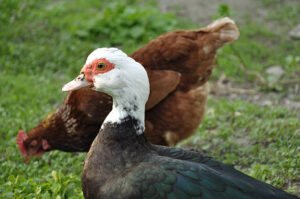
2. Muscovy Ducks:
Muscovies have a distinct metabolism and feeding behavior compared to other duck species. They are more terrestrial and less inclined to consume aquatic invertebrates, but when fed raw fish or offal by well-meaning owners, they are highly susceptible to thiaminase toxicity. Muscovies also have longer developmental periods, requiring sustained nutrient availability. Their popularity in hybrid production (e.g., Moulards) further amplifies risk across populations.
3. Runner Ducks:
Known for their upright posture and active foraging, Runner ducks are often allowed to free-range near ponds and streams. This increases their exposure to thiaminase-rich aquatic organisms like zebra mussels, snails, and small fish. While foraging benefits their health in many ways, unmonitored access to contaminated water bodies significantly raises the risk of thiamine deficiency.
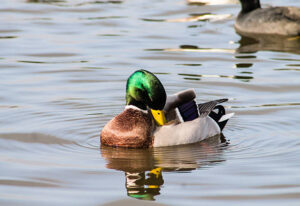
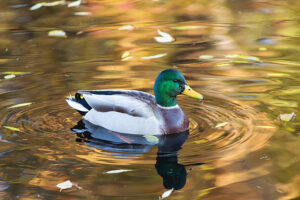
4. Mallard-Derived Breeds (Khaki Campbell, Welsh Harlequin, etc.):
These breeds retain strong wild instincts and often forage more aggressively. While this natural behavior is generally healthy, it exposes them to environments where thiaminase-producing organisms thrive. Mallards and their domestic derivatives are frequently found in areas affected by algal blooms or invasive species, compounding their risk.
5. Wild and Hybrid Ducks in Rehabilitation Centers:
While not pure breeds, many rescued ducks in wildlife rehabilitation centers are crossbreeds or wild-type mallards. They often arrive with unknown dietary histories and may have consumed contaminated prey. Rehabilitators frequently report thiamine deficiency in ducks rescued from polluted urban ponds, emphasizing the environmental component of the disease.
Why These Breeds Are at Higher Risk: The predisposition is not genetic in most cases but stems from management practices. Fast-growing breeds (like Pekins) have higher nutritional demands. Free-ranging breeds (like Runners and Khaki Campbells) have greater exposure to hazardous forage. Additionally, pet ducks are more likely to be fed human food scraps—including raw fish—which contain thiaminases. Therefore, breed-specific risk is often linked to lifestyle and husbandry rather than inherent genetic flaws.
AFFECTED LIFE STAGES
Thiamine deficiency can affect ducks at any life stage, but certain ages are more vulnerable due to physiological changes and nutritional demands.
1. Ducklings (0–8 weeks):
This is the most vulnerable stage. Ducklings grow rapidly, doubling or tripling their body weight within weeks. Their nervous systems are developing, and energy demands are high. A lack of thiamine during this period disrupts myelination (nerve sheath formation) and ATP production, leading to irreversible neurological damage if not corrected promptly. Ducklings fed thiamine-deficient starter feed or exposed to thiaminase-rich foods show symptoms as early as 10 days old.
2. Juvenile Ducks (8–16 weeks):
Although growth slows, juveniles continue to develop motor coordination and immune function. Nutritional deficiencies during this stage can lead to delayed development, poor feathering, and increased susceptibility to other diseases. Thiamine deficiency at this stage may not present with acute symptoms but can impair long-term health and productivity.
3. Adult Ducks (16+ weeks):
Adults are more resilient but remain at risk, especially during periods of stress or increased metabolic demand such as egg-laying, molting, or breeding. Laying hens require extra nutrients, including B vitamins, to produce high-quality eggs. Thiamine-deficient hens may lay fewer eggs with lower hatchability. Adult ducks fed exclusively on poor-quality forage or treated with certain medications may develop chronic deficiency.
4. Breeding and Laying Hens:
Reproductive female ducks have heightened vitamin requirements. Thiamine deficiency in hens can lead to poor embryonic development. Chicks hatched from deficient mothers may be born weak or with congenital neurological abnormalities, perpetuating the cycle of deficiency.
5. Geriatric Ducks (2+ years):
Older ducks may have reduced digestive efficiency and slower metabolism, increasing their risk if diet is not adjusted. While less common, thiamine deficiency in elderly ducks can exacerbate age-related neurological decline.
Early-life deficiency has the most severe consequences, often leading to permanent disability. Therefore, prevention and early intervention are most critical during the duckling phase.
DIAGNOSIS OF THIAMINE DEFICIENCY
Diagnosing thiamine deficiency in ducks can be challenging due to overlapping symptoms with other neurological diseases such as avian encephalomyelitis, vitamin E/selenium deficiency, lead poisoning, or infections like Newcastle disease.
1. Clinical Signs and History:
A presumptive diagnosis begins with observing classic signs such as opisthotonus, ataxia, and star-gazing. A detailed history—including diet, foraging habits, exposure to raw fish or mussels, and feed storage practices—can provide critical clues.
2. Response to Thiamine Therapy:
One of the most reliable diagnostic tools is a positive response to thiamine supplementation. If a duck shows rapid improvement (within 24–48 hours) after receiving injectable or oral thiamine, thiamine deficiency is strongly suspected. This “therapeutic trial” is commonly used in field and clinical settings.
3. Laboratory Testing:
While not routinely available in all veterinary practices, definitive diagnosis can be made by measuring thiamine levels in blood, liver, or brain tissue.
- Blood Thiamine Levels: Low plasma thiamine or thiamine pyrophosphate (TPP) concentrations confirm deficiency.
- Erythrocyte Transketolase Activity (ETKA): This functional test assesses the activity of a thiamine-dependent enzyme in red blood cells. Low activity indicates deficiency, even if blood levels appear borderline.
4. Post-Mortem Examination:
In fatal cases, histopathology of the brain may reveal neuronal degeneration, perivascular hemorrhage, and gliosis—especially in the cerebellum and brainstem. These lesions are consistent with thiamine deficiency but are not always specific.
5. Differential Diagnosis:
It is crucial to rule out other conditions:
- Lead poisoning: Also causes ataxia and seizures; blood lead levels help differentiate.
- Avian Encephalomyelitis (AE): Viral disease affecting young birds; no response to thiamine.
- Vitamin E/Selenium Deficiency: Causes muscular dystrophy and “crazy chick disease”; different response to supplementation.
- Infectious agents: Bacterial meningitis, viral infections—may require PCR or culture.
Veterinarians often use a combination of clinical assessment, history, and response to treatment for a practical diagnosis.
TREATMENT OF THIAMINE DEFICIENCY
Prompt and aggressive treatment is essential to prevent irreversible neurological damage and improve survival chances.
1. Immediate Thiamine Administration:
- Dosage: 50–100 mg/kg body weight of thiamine hydrochloride (injectable form).
- Route: Intramuscular (IM) or subcutaneous (SQ) injection is preferred for rapid absorption. Oral administration can be used but may be less effective in severely affected birds unable to swallow.
- Frequency: Initial dose followed by daily injections for 3–5 days, then transition to oral supplementation.
2. Supportive Care:
- Hydration: Subcutaneous or oral fluids to prevent dehydration.
- Nutrition: Offer easily digestible, high-energy feeds. Tube feeding may be necessary for paralyzed ducks.
- Environmental Management: Keep affected ducks warm, quiet, and protected from predators or bullying by flock mates. Use soft bedding to prevent pressure sores.
3. Diet Correction:
Discontinue thiaminase-containing foods immediately. Switch to high-quality, balanced duck feed fortified with B vitamins. Ensure access to fresh, clean water separate from feed to prevent leaching.
4. Monitoring and Follow-Up:
Observe ducks closely for signs of improvement. Most show recovery within 24–72 hours. Continue oral thiamine (10–20 mg/kg daily) for at least 1–2 weeks post-recovery.
5. Flock-Wide Treatment:
If one bird is affected, others in the same environment may be subclinically deficient. Prophylactic thiamine can be administered to the entire group, especially if dietary risk factors are present.
PROGNOSIS & COMPLICATIONS
Prognosis:
- Excellent if treated early (within first 24–48 hours of symptom onset). Most ducks recover fully with no lasting effects.
- Guarded to poor if treatment is delayed. Neurological damage may become irreversible, leading to permanent ataxia, paralysis, or death. Chronic cases may require euthanasia on welfare grounds.
Complications:
- Permanent Neurological Damage: Lack of thiamine during critical brain development can result in lifelong coordination issues.
- Secondary Infections: Immobilized ducks are prone to respiratory infections, pressure sores, and eye damage from inability to blink.
- Reduced Productivity: Affected laying hens may never return to normal egg production.
- Cannibalism or Predation: Weak or paralyzed ducks may be targeted by other flock members or predators.
- Flock Outbreaks: If the source of deficiency is not addressed, additional birds may become affected.
Early intervention is key to preventing complications.
PREVENTION OF THIAMINE DEFICIENCY
Prevention is far more effective and economical than treatment.
1. Balanced Diet:
Feed high-quality commercial duck feed formulated for the life stage (starter, grower, layer). Ensure it contains adequate thiamine (minimum 2–4 mg/kg diet for ducklings, 1–2 mg/kg for adults).
2. Avoid Thiaminase-Containing Foods:
- Do not feed raw or undercooked fish, especially from freshwater sources.
- Avoid feeding zebra mussels, certain snails, or live brine shrimp unless frozen and tested.
- Limit access to natural water bodies known to harbor invasive species.
3. Proper Feed Storage:
Store feed in cool, dry, dark places in airtight containers to preserve vitamin content. Use feed within 6–8 weeks of milling.
4. Thiamine Supplementation:
For high-risk flocks (e.g., free-range, rescued ducks), consider adding B-complex vitamins to drinking water weekly. Use stable formulations and follow dosage guidelines.
5. Monitor Foraging Behavior:
Control access to potentially hazardous forage areas. Install barriers around contaminated ponds if necessary.
6. Education and Awareness:
Educate duck owners, especially beginners, about the dangers of feeding table scraps and raw fish. Promote responsible feeding practices.
7. Routine Health Checks:
Regular observation of flock behavior can help detect early signs of illness, including subtle neurological deficits.
DIET AND NUTRITION: MEETING THIAMINE REQUIREMENTS
Understanding the dietary needs of ducks is critical to preventing thiamine deficiency.
Daily Thiamine Requirements:
- Ducklings (0–2 weeks): 2.5–4 mg/kg of diet
- Grower Ducks (2–8 weeks): 2–3 mg/kg
- Adult Maintenance: 1–2 mg/kg
- Laying Hens: 2–3 mg/kg (higher due to egg production)
Natural Sources of Thiamine:
- Fortified commercial duck feed
- Brewer’s yeast
- Whole grains (oats, barley, brown rice)
- Legumes (soybeans, peas)
- Organ meats (liver, kidney—in moderation)
- Green leafy vegetables (kale, spinach)
- Eggs and dairy by-products (in controlled amounts)
Foods to Avoid:
- Raw freshwater fish (notably carp, goldfish, smelt)
- Certain shellfish and aquatic invertebrates
- Moldy or spoiled feed
- Overcooked or boiled feeds that lose water-soluble vitamins
Supplementation Tips:
- Use B-complex solutions in drinking water, but avoid prolonged use without veterinary advice.
- Replace water-soluble vitamins daily, as they degrade quickly in water.
- Do not exceed recommended doses—hypervitaminosis is rare but can disrupt nutrient balance.
A varied, balanced diet tailored to the duck’s age and lifestyle is the best preventive measure.
ZOONOTIC RISK
Thiamine deficiency in ducks is not zoonotic—it cannot be transmitted from ducks to humans. The condition arises from nutritional imbalance within the bird and poses no direct infectious risk to people.
However, there are indirect zoonotic considerations:
- Food Safety: Humans consuming raw or undercooked fish containing thiaminases may also develop thiamine deficiency (known as “beriberi” in severe cases). This is rare but possible, especially in populations consuming large quantities of raw fish.
- Lead Exposure: Ducks with neurological symptoms may be misdiagnosed. Lead poisoning, which mimics thiamine deficiency, is a zoonotic concern—hunters or pet owners handling lead-contaminated ducks risk exposure.
- Antibiotic Resistance: Overuse of injectable treatments without veterinary guidance may contribute to resistance, a broader public health issue.
While the deficiency itself is not contagious, responsible duck keeping supports overall public health.
CONCLUSION
Thiamine (B1) deficiency is a preventable yet potentially devastating condition in ducks, especially ducklings and free-ranging birds. It results from inadequate dietary intake, consumption of thiaminase-rich foods, or poor feed quality. The hallmark symptoms—opisthotonus, ataxia, and paralysis—are neurological and can mimic other diseases, necessitating careful diagnosis.
Treatment with injectable thiamine is highly effective if initiated early. Prevention through balanced nutrition, avoidance of hazardous foods, and proper husbandry is the cornerstone of duck health. While no zoonotic risk exists, awareness and education are vital for duck keepers, farmers, and wildlife rehabilitators.
By understanding the causes, recognizing early signs, and implementing sound nutritional practices, we can ensure healthier, happier ducks and avoid the tragic consequences of this entirely preventable disorder.
#ThiamineDeficiency, #DuckHealth, #VitaminB1Deficiency, #DuckCare, #DuckNutrition, #PekinDuck, #MuscovyDuck, #DuckVitamins, #DuckLovers, #BackyardDucks, #DuckRehabilitation, #DuckFarming, #PoultryHealth, #AvianHealth, #DuckDiet, #B1Deficiency, #DucklingCare, #WaterfowlHealth, #DuckTips, #AnimalNutrition
Add comment