
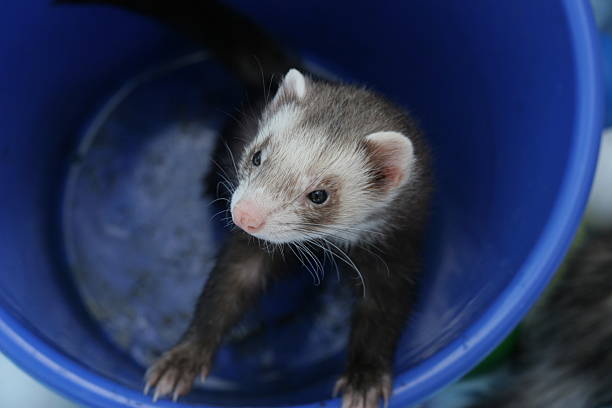
Thyroid diseases in ferrets, including hyperthyroidism and thyroid tumors, are significant health concerns that can severely impact a ferret’s quality of life. While hyperthyroidism is relatively rare in ferrets compared to other animals like cats, it still poses a critical challenge for pet owners and veterinary professionals. Thyroid tumors, particularly adenocarcinomas, are more prevalent in aging ferrets, often leading to complex medical scenarios. Understanding the causes, signs and symptoms, diagnosis, treatment options, prognosis, complications, prevention strategies, diet and nutrition, and zoonotic risks associated with these conditions is essential for ensuring the well-being of ferrets. This guide aims to provide a detailed, evidence-based overview to help ferret owners and caregivers make informed decisions about their pets’ health.
Hyperthyroidism in Ferrets: Causes, Signs, Diagnosis, Treatment, Prognosis, Prevention, and Diet
Causes of Hyperthyroidism in Ferrets
Hyperthyroidism in ferrets occurs when the thyroid glands produce excessive thyroid hormones, primarily thyroxine (T4). While rare in ferrets, the condition is often linked to dietary factors, genetic predisposition, or environmental influences. Key causes include:
- Iodine Imbalance: Excess or insufficient iodine in the diet can disrupt thyroid function. Ferrets may inadvertently consume iodine-rich foods like certain types of fish or seaweed, which can trigger hyperthyroidism.
- Dietary Factors: Commercial ferret foods or human foods high in iodine or artificial additives may contribute to thyroid overactivity.
- Genetic Predisposition: Some ferrets may inherit a susceptibility to thyroid disorders, making them more prone to hyperthyroidism if exposed to triggering factors.
- Environmental Toxins: Exposure to chemicals or pollutants, such as flame retardants or pesticides, may disrupt hormonal balance and lead to hyperthyroidism.
Signs and Symptoms of Hyperthyroidism in Ferrets
Recognizing the signs of hyperthyroidism is crucial for early intervention. Common symptoms include:
- Weight Loss: Despite a healthy or increased appetite, affected ferrets may lose weight due to a hypermetabolic state.
- Increased Activity and Irritability: Ferrets may become restless, more vocal, or exhibit erratic behavior.
- Altered Coat Condition: The fur may appear disheveled or unkempt, and some ferrets may lose their undercoat.
- Heart Issues: An increased heart rate or cardiomegaly (enlarged heart) can occur due to the strain of elevated thyroid hormones.
- Gastrointestinal Disturbances: Vomiting, diarrhea, or changes in appetite are common in hyperthyroid ferrets.
- Muscle Wasting: Weakness and reduced muscle mass may develop over time.
Diagnosis of Hyperthyroidism in Ferrets
Accurate diagnosis requires a combination of clinical signs, physical examination, and laboratory tests. Diagnostic steps include:
- Blood Work: A complete blood count (CBC) and biochemistry panel are performed to measure T4 levels and assess organ function. Elevated T4 is a key indicator of hyperthyroidism.
- Thyroid Enzyme Testing: Tests like TSH (thyroid-stimulating hormone) levels may help differentiate hyperthyroidism from other conditions.
- Imaging: Ultrasound or X-rays can visualize the thyroid glands for signs of enlargement or tumors.
- Physical Examination: A palpable mass in the neck or signs of cardiac strain may prompt further testing.
Treatment Options for Hyperthyroidism in Ferrets
Treatment strategies depend on the severity of the condition and the ferret’s overall health. Common approaches include:
- Dietary Management: Switching to a low-iodine diet (e.g., Thyroid Support Diet for ferrets) is often the first line of treatment. This may normalize thyroid hormone levels in mild cases.
- Medications: Methimazole (antithyroid medication) is used to reduce thyroid hormone production. Dosing is carefully monitored to avoid side effects like leukopenia or anorexia.
- Surgery: Thyroidectomy (removal of the thyroid gland) is considered in severe cases but carries risks of hypoparathyroidism or nerve damage.
- Euthanasia: In cases where the ferret is in severe distress and treatment is not viable, euthanasia may be the most humane option.
Prognosis for Ferrets with Hyperthyroidism
The prognosis for hyperthyroidism in ferrets varies based on treatment success and early diagnosis. With dietary intervention, many ferrets show improvement within weeks to months. However, long-term management is often necessary, especially if symptoms recur. Medication and surgery offer better outcomes but require ongoing veterinary care. Without treatment, hyperthyroidism can lead to cardiovascular collapse, weight loss, and a reduced lifespan.
Prevention Strategies for Hyperthyroidism
Prevention focuses on dietary control and regular veterinary checkups:
- Feed high-quality ferret food free from excessive iodine or artificial additives.
- Avoid human foods high in iodine, such as shellfish or seaweed.
- Schedule annual veterinary exams to monitor thyroid function, especially in older ferrets.
- Limit exposure to environmental toxins and stressful conditions.
Diet and Nutrition for Ferrets with Hyperthyroidism
A low-iodine diet is critical for managing hyperthyroidism. Commercial diets like Vet Diet Th24 or Hill’s Thyroid Support are designed for this purpose. Homemade diets should be formulated with iodine-deficient ingredients such as:
- Lean proteins (chicken, turkey) without added seasoning.
- Vegetables (carrots, pumpkin) free from iodine.
- Ferret-specific supplements to prevent nutritional deficiencies.
Avoid iodine-rich foods like fish, seaweed, and iodized salt. Consult a veterinary nutritionist to ensure the diet meets all of the ferret’s nutritional needs.
Thyroid Tumors in Ferrets: Causes, Signs, Diagnosis, Treatment, Prognosis, Prevention, and Diet
Causes of Thyroid Tumors in Ferrets
Thyroid tumors, primarily adenocarcinomas, are malignant growths that originate in the thyroid glands. These tumors are most common in older ferrets (>6 years old) and can be influenced by the following factors:
- Genetic Factors: Some breeds or bloodlines may have a higher incidence of thyroid tumors.
- Age: The risk increases with age, similar to many cancers in humans.
- Diet: Diets high in processed foods or artificial additives may contribute to tumor development.
- Environmental Toxins: Exposure to carcinogens such as pesticides or polycyclic aromatic hydrocarbons (PAHs) can increase tumor risk.
- Chronic Inflammation: Long-standing thyroiditis or other inflammatory conditions may predispose ferrets to tumors.
Signs and Symptoms of Thyroid Tumors in Ferrets
Thyroid tumors can cause both local and systemic symptoms due to tumor growth and hormone overproduction. Key signs include:
- Neck Mass: A palpable or visible lump in the cervical region is a hallmark of thyroid tumors.
- Difficulty Eating or Swallowing: Tumors may compress the esophagus or trachea, leading to dysphagia or regurgitation.
- Respiratory Distress: Tumor growth can obstruct the airway, causing coughing, labored breathing, or wheezing.
- Weight Loss and Cachexia: Ferrets may become emaciated due to the metabolic demands of cancer or concurrent hyperthyroidism.
- Neurological Signs: Tumor metastasis (e.g., to the brain or spinal cord) can cause seizures, ataxia, or paralysis.
- Paraneoplastic Syndromes: Hormonal imbalances from tumor cells may cause unusual symptoms like hypercalcemia.
Diagnosis of Thyroid Tumors in Ferrets
Diagnosis involves a combination of clinical signs, imaging, and biopsy to confirm malignancy and assess tumor spread:
- Physical Examination: Palpating the neck for masses is the first step.
- Ultrasound Imaging: An ultrasound can reveal tumor size, location, and involvement of surrounding structures.
- Radiographs: X-rays of the chest and neck may detect tumors or metastases in the lungs or mediastinum.
- Biopsy and Histopathology: Tissue samples obtained via fine-needle aspiration or surgical excision are examined for malignancy.
- Blood Tests: Elevated T4 levels or calcitonin (hormone produced by C cells in the thyroid) may indicate a functional tumor.
Treatment Options for Thyroid Tumors in Ferrets
Treatment depends on the tumor’s location, size, and whether it has metastasized. Options include:
- Surgery: Complete tumor resection is the ideal treatment if the tumor is localized. However, removal is often challenging due to proximity to vital structures (e.g., vagus nerve, trachea).
- Radiation Therapy: External beam radiation can control tumor growth and alleviate symptoms in inoperable cases.
- Chemotherapy: Antineoplastic drugs like doxorubicin or cisplatin may be used, though ferrets are sensitive to chemotherapy, and side effects are common.
- Palliative Care: In advanced cases, symptomatic management (e.g., oxygen therapy, pain medications) is prioritized to improve quality of life.
- Euthanasia: For ferrets with severe distress, euthanasia may be considered.
Prognosis for Ferrets with Thyroid Tumors
The prognosis for thyroid tumors is generally guarded to poor, especially if the tumor has metastasized. Key prognostic factors include:
- Successful surgical removal can extend survival for weeks to months but is not curative in most cases.
- Radiation therapy may stabilize the condition for 2–4 months.
- Chemotherapy has limited efficacy, with some studies reporting 2–8 months of median survival.
- Metastatic disease typically necessitates euthanasia within weeks to months.
Prevention Strategies for Thyroid Tumors
While thyroid tumors cannot be entirely prevented, the following measures may reduce risk:
- Feed a high-quality ferret food with low concentrations of carcinogens and artificial preservatives.
- Avoid environmental toxins such as cigarette smoke or industrial pollutants.
- Spay and neuter ferrets early to reduce hormonal imbalances that may contribute to tumor development.
- Provide stress-free housing and mental stimulation to support overall health.
- Schedule regular veterinary checkups for early detection of abnormalities.
Diet and Nutrition for Ferrets with Thyroid Tumors
A nutritious diet is critical for supporting ferrets undergoing treatment for thyroid tumors. Key dietary considerations include:
- High-protein, low-fat diets: Ferrets with cancer require easily digestible protein to combat muscle wasting.
- Hydration: Encourage water intake via fresh drinking water and moist food to prevent kidney strain.
- Specialized Cancer Diets: Commercial diets like Hill’s Prescription Diet® a/d can provide concentrated calories and essential nutrients.
- Avoid Iodine-Rich Foods: If the tumor is hyperfunctional, a low-iodine diet may help manage symptoms.
- Supplements: Consult a veterinary nutritionist before administering vitamins or minerals to avoid interactions with medications.
Complications of Thyroid Diseases in Ferrets
Thyroid diseases can lead to severe complications if left untreated. Common complications include:
- Cardiovascular Damage: Hyperthyroidism can cause cardiomegaly, arrhythmias, and heart failure due to excessive thyroid hormone levels.
- Metastatic Disease: Thyroid tumors often spread to the lungs, lymph nodes, or liver, worsening prognosis and symptomatic burden.
- Neurological Impairment: Tumor growth pressing on the brain or spinal cord may lead to paralysis, seizures, or coordination issues.
- Nutritional Deficiencies: Weight loss and poor appetite in affected ferrets can result in vitamin and mineral deficiencies, weakening the immune system.
- Paraneoplastic Syndromes: Hormonal imbalances from tumors may trigger calcium imbalances, hypertension, or behavioral changes.
Zoonotic Risk of Thyroid Diseases in Ferrets
Thyroid diseases in ferrets are not zoonotic, meaning they cannot be transmitted to humans. However, ferrets with tumors or compromised immune systems may be more susceptible to infections, which could be transferred to owners if proper hygiene is not maintained. To minimize risks:
- Wash hands after handling ferrets, especially if they have open wounds or are undergoing chemotherapy.
- Clean food bowls, litter boxes, and play areas regularly.
- Avoid kissing or ingesting ferret saliva, which may carry pathogens.
- Consult a veterinarian if a ferret exhibits unusual symptoms of infection.
Conclusion and Summary
Thyroid diseases in ferrets—both hyperthyroidism and thyroid tumors—require veterinary expertise and proactive care to manage. Early detection through symptom monitoring, blood tests, and imaging is critical for improving outcomes. While treatment options vary from dietary changes to surgery and euthanasia, the prognosis for hyperthyroidism is generally better than for thyroid tumors. Prevention strategies, including nutritional management, environmental enrichment, and regular checkups, can significantly reduce disease risk. Ferret owners must remain vigilant and work closely with veterinarians to ensure their pets’ health and longevity.
#FerretHealth, #HyperthyroidismInFerrets, #FerretDiet, #ExoticPetCare, #FerretCancer, #PetWellness, #FerretNutrition, #FerretVetCare, #PetDiseaseAwareness, #FerretCommunity, #PetThyroidDisease, #FerretOwner, #FerretTips, #FerretCare, #FerretLovers, #PetHealth, #SmallAnimalCare, #FerretTreatments, #PetDietTips, #PetDiseasePrevention


Add comment