
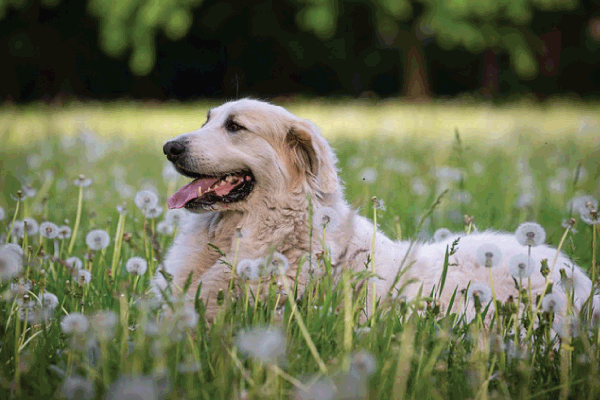
The vibrant, pearly white smile of a healthy dog is a joy to behold. However, many dog owners eventually encounter a less appealing sight: discolored or stained teeth. While a yellowish tinge might seem like a mere aesthetic concern, tooth discoloration in dogs often signals underlying dental problems that can range from mild to severely debilitating, impacting their comfort, health, and overall quality of life. Understanding the various causes, symptoms, diagnostic methods, and treatment options for stained teeth is crucial for every responsible pet parent. This elaborate guide delves deep into the world of canine tooth discoloration, providing comprehensive insights to help you protect your dog’s oral health.
I. Introduction: Unveiling the Mystery of Discolored Dog Teeth
Tooth discoloration, often referred to as stained teeth, is a common finding in our canine companions. It manifests as a change in the natural color of one or more teeth, varying from a subtle yellowing to prominent shades of brown, black, pink, purple, or grey. While some discolorations are benign and superficial, others are tell-tale signs of significant dental disease, trauma, or even systemic issues that demand immediate veterinary attention. Ignoring these changes can lead to chronic pain, infections, and potentially serious systemic health complications. This guide aims to empower dog owners with the knowledge to identify, understand, and address tooth discoloration effectively, ensuring a healthier and happier life for their beloved pets.
II. A Glimpse into Canine Dental Anatomy: The Foundation of Understanding
To truly comprehend tooth discoloration, it’s essential to have a basic understanding of a dog’s tooth structure. Each tooth is a complex living organ, composed of several layers that can be affected by various factors:
- Enamel: The outermost, hardest, and most mineralized layer of the tooth crown. It’s normally white and translucent, protecting the underlying dentin. While enamel is incredibly strong, it can be damaged or become stained on its surface (extrinsic stains) or incorporate discoloring agents during its formation (intrinsic stains).
- Dentin: Located beneath the enamel, dentin makes up the bulk of the tooth. It is yellowish, softer than enamel, and contains microscopic tubules that connect to the pulp. Dentin provides the tooth’s primary structure and color; its exposure due to enamel loss can lead to sensitivity and rapid staining. Intrinsic stains often reside within the dentin.
- Pulp: The innermost core of the tooth, often called the “nerve” of the tooth. The pulp cavity extends from the crown into the roots. It contains nerves, blood vessels, and connective tissue. The pulp is vital for tooth development, sensation, and nutrient supply. Trauma or infection that affects the pulp can lead to its death, resulting in significant tooth discoloration (often grey or black).
- Cementum: A bone-like tissue that covers the tooth root, binding it to the periodontal ligament. While less frequently associated with visible discoloration on the crown, root surface exposure can lead to staining and sensitivity.
Understanding these layers helps differentiate between surface stains and deeper, more problematic issues within the tooth’s core.
III. Categorizing the Stains: Extrinsic vs. Intrinsic
Tooth discoloration in dogs can broadly be categorized into two main types, each with distinct causes, appearances, and treatment approaches:
A. Extrinsic Stains: Surface-Level Shenanigans
Extrinsic stains are superficial discolorations that accumulate on the outer surface of the tooth enamel. They are often the most common type of staining observed in dogs and are typically less severe in terms of underlying pathology compared to intrinsic stains, though they can be indicative of poor oral hygiene leading to more serious issues.
- Definition: These stains reside on the external surface of the enamel and can often be removed through professional dental cleaning.
- Nature: They are caused by external agents that adhere to the pellicle (a thin protein film that forms on enamel) or directly to the enamel itself.
- Typical Appearance: Extrinsic stains usually present as yellow, brown, green, or black markings, often concentrated along the gumline or in areas where plaque and tartar accumulate easily.
- Mechanism: Chromogens (color-producing compounds) from food, bacteria, or other environmental factors bind to the tooth surface, creating the stain.
B. Intrinsic Stains: Deep-Seated Secrets
Intrinsic stains are discolorations that are incorporated into the internal structure of the tooth, either during its development or after eruption due to trauma or disease. These stains are often more concerning as they reflect deeper issues within the dentin or pulp.
- Definition: These stains are located within the dentin or enamel structure of the tooth, making them much harder, if not impossible, to remove with simple cleaning.
- Nature: They result from changes within the tooth’s living tissues or from substances incorporated into the tooth during its formation or after injury.
- Typical Appearance: Intrinsic stains can manifest as a range of colors, including pink, purple, reddish-brown, grey, or dark black. They often affect the entire tooth or show distinct patterns (e.g., banding).
- Mechanism: These stains arise from internal bleeding (pulp hemorrhage), death of the pulp tissue, exposure of discolored dentin, or the incorporation of certain medications or systemic pigments into the tooth matrix.
IV. The Culprits Behind the Colors: Common Causes of Tooth Discoloration
A multitude of factors can lead to tooth discoloration in dogs. Identifying the specific cause is paramount for appropriate treatment.
A. Plaque and Tartar Accumulation: The Most Common Offenders
This is by far the most prevalent cause of extrinsic tooth discoloration in dogs, directly linked to periodontal disease.
- Plaque Formation: After eating, a sticky, colorless biofilm composed of bacteria, saliva, and food particles, known as plaque, rapidly forms on the tooth surfaces.
- Tartar (Calculus) Formation: If plaque is not removed regularly through brushing, it mineralizes within 24-48 hours by incorporating calcium salts from saliva, forming a hard, rough deposit called tartar or calculus.
- Associated Colors & Consequences: Tartar is porous and readily absorbs stains from food and chromogenic bacteria. It typically appears yellow, brown, or black, especially along the gumline. Its rough surface provides an excellent environment for more plaque to adhere, perpetuating the cycle. Beyond discoloration, tartar acts as a constant irritant to the gums, leading to gingivitis (gum inflammation) and eventually periodontitis (destruction of the supporting structures of the tooth), which can cause pain, tooth loss, and systemic infections.
B. Dietary Factors and Chromogenic Bacteria
Certain elements in a dog’s diet and specific bacterial species can contribute to extrinsic staining.
- Specific Foods, Treats, and Chews: Some diets or treats, particularly those with strong artificial colors or natural pigments, can contribute to surface staining over time, especially in conjunction with plaque. For example, some dental chews designed to reduce plaque can paradoxically leave a brownish residue.
- The Role of Chromogenic Bacteria: Certain oral bacteria produce colored pigments as a byproduct of their metabolism. These pigments can bind to the tooth surface and contribute to yellow, brown, or even greenish stains. While these bacteria are often part of the normal oral flora, an imbalance can lead to more pronounced staining.
C. Trauma to Teeth: The Silent Killer of Pulp
Dental trauma is a significant cause of intrinsic staining and can have severe consequences if left untreated. Dogs, being active and often using their mouths to explore or carry objects, are susceptible to various forms of dental trauma, including falls, car accidents, chewing on inappropriate hard objects (e.g., bones, antlers, rocks), or fights with other animals.
- Mechanism of Injury: Blunt force trauma to a tooth, even without a visible fracture, can damage the delicate blood vessels and nerves within the pulp cavity.
- Pulpitis and Pulp Hemorrhage: When the pulp is traumatized, it can become inflamed (pulpitis) or bleed internally (pulp hemorrhage). The breakdown products of red blood cells (hemoglobin and its derivatives) infiltrate the dentinal tubules, staining the dentin. This typically results in a pink, purple, or reddish-brown discoloration, often appearing shortly after the traumatic event.
- Non-Vital (Dead) Teeth: If the pulp hemorrhage or inflammation is severe enough, the pulp tissue dies (necrosis). The dead tissue then undergoes decomposition, leading to progressive darkening of the tooth. Over time, these teeth commonly turn grey or dark black. A non-vital tooth is a dead tooth that no longer has a living blood supply or nerve innervation. Remarkably, these teeth often become deceptively painless, leading owners to believe the problem has resolved, but the necrotic pulp is a breeding ground for bacteria.
- Consequences: Unnoticed non-vital teeth are prone to developing periapical abscesses (infections at the root tip), which can cause significant pain, facial swelling, bone destruction, and even spread infection systemically. Fractured teeth that expose the pulp are also at high risk of infection and require immediate attention.
D. Enamel Defects: Architectural Flaws
Developmental defects in enamel formation can lead to visible discoloration and compromise the tooth’s integrity. These intrinsic stains occur when the tooth is forming, usually during puppyhood.
- Enamel Hypoplasia and Hypomineralization:
- Enamel Hypoplasia: This refers to a defect where the enamel is thinned or entirely absent in certain areas due to a disturbance during enamel matrix formation.
- Enamel Hypomineralization: This occurs when the enamel matrix is formed but is improperly mineralized, making it softer and more porous.
- Distemper Virus: A classic example of a systemic illness causing enamel defects. If a puppy contracts canine distemper virus during the critical period of permanent tooth development (typically between 3-6 months of age), the virus can damage the ameloblast cells responsible for enamel production. This results in permanent enamel hypoplasia, characterized by pitted, grooved, rough, or abnormally thin enamel, which often appears yellow, brown, or mottled white. These areas are prone to staining and decay.
- Trauma to Developing Teeth: Direct trauma to the jaw or developing permanent tooth buds in puppies can disrupt enamel formation, leading to localized areas of hypoplasia or hypomineralization.
- Nutritional Deficiencies and High Fevers: Severe nutritional deficiencies (e.g., calcium, vitamin D) or prolonged high fevers during enamel formation can also rarely contribute to enamel defects.
- Fluorosis: Excessive fluoride intake during tooth development, though rare in dogs, can lead to mottled, discolored enamel (often white or brownish opacities).
- Appearance: Teeth affected by enamel defects often appear rough, irregular, pitted, or grooved. The exposed underlying dentin can rapidly absorb stains, turning the teeth yellowish or brownish. These teeth are typically more sensitive and prone to cavities.
E. Tetracycline Staining: A Blast from the Past
Tetracycline antibiotics, when administered to young animals during tooth development, can cause a distinctive and permanent intrinsic stain.
- Mechanism: Tetracycline drugs have a strong affinity for calcium and incorporate themselves into the developing bone and tooth matrix. This interaction occurs during the mineralization phase of dentin and enamel.
- Appearance: The resulting stain is a characteristic yellow, grey, or brownish banding on the teeth, representing the periods of drug administration. The intensity of the stain depends on the dosage and duration of treatment. While primarily an aesthetic concern, it’s a permanent discoloration. Due to this well-known side effect, tetracycline antibiotics are now generally avoided in pregnant animals and young puppies unless absolutely necessary.
F. Medications and Chemicals (e.g., Chlorhexidine)
Some topical oral rinses or long-term medication use can cause tooth discoloration.
- Chlorhexidine: This antiseptic commonly found in veterinary dental rinses and water additives can, over prolonged use, cause a temporary extrinsic yellow-brown or brownish staining on the tooth surface. While typically not harmful and reversible with professional cleaning, owners should be aware of this potential side effect.
G. Aging: Nature’s Gentle Hand
As dogs age, their teeth naturally undergo changes that can lead to subtle discoloration.
- Natural Darkening of Dentin: Over years, the dentin continues to form secondary dentin, which is often slightly darker. The enamel also thins slightly with wear, making the underlying, more yellowish dentin more prominent. This process generally results in a benign, generalized yellowish or slightly brownish hue and is part of the normal aging process, not typically indicative of disease unless excessive.
H. Other Rare Causes
- Porphyria: A very rare genetic metabolic disorder (e.g., Congenital Erythroid Porphyria) can cause teeth to appear reddish-brown or pinkish due to the incorporation of porphyrin pigments into the dentin, particularly noticeable under UV light.
V. Beyond the Surface: Recognizing Accompanying Symptoms
Tooth discoloration is often just one piece of a larger puzzle. Many underlying causes, especially those involving dental disease or trauma, present with additional symptoms that signal pain or infection. Recognizing these signs is crucial for early intervention.
- Halitosis (Bad Breath): One of the most common and often first noticed signs of dental disease, particularly when plaque and tartar are present. The bacteria thriving in plaque and calculus produce volatile sulfur compounds, leading to foul odor.
- Gingivitis and Periodontal Disease:
- Red, Swollen, or Bleeding Gums: Inflammation of the gums (gingivitis) is a direct consequence of plaque and tartar buildup. Gums may appear bright red, swollen, and bleed easily when touched or during chewing.
- Receding Gums: Advanced periodontal disease can lead to the gums pulling away from the teeth, exposing the tooth roots.
- Changes in Eating Habits:
- Reluctance to Eat: Painful teeth can make eating a dreaded activity.
- Eating on One Side of the Mouth: Dogs may favor the less painful side.
- Dropping Food: Difficulty grasping or chewing food.
- Reluctance to Chew Hard Foods/Toys: Avoiding anything that might cause pain.
- Oral Pain Indicators:
- Pawing at the Mouth or Rubbing Face: A common sign of oral discomfort.
- Excessive Drooling (Ptyalism): Can be a response to pain or nausea.
- Sensitivity to Touch Around the Mouth: Resisting examination or petting near the face.
- Whimpering or Crying When Yawning/Eating: Clear signs of acute pain.
- Facial Swelling: A severe sign, often indicating a dental abscess (e.g., a root abscess from a non-vital tooth) where infection has spread into the surrounding tissues. Swelling is commonly seen below the eye or on the jawline.
- Behavioral Changes: Chronic pain from dental issues can lead to irritability, lethargy, decreased playfulness, reluctance to socialize, or even aggression.
- Weight Loss: In severe, chronic cases where eating becomes consistently painful.
VI. The Diagnostic Journey: Uncovering the Root Cause
A thorough veterinary examination is essential to determine the specific cause of tooth discoloration and devise an appropriate treatment plan. The diagnostic process often involves multiple steps.
A. Comprehensive Oral Health Assessment and Treatment (COHAT): The Starting Point
A COHAT is a full oral examination performed under general anesthesia, which is the gold standard for accurate diagnosis and treatment of dental disease in dogs.
- Visual Examination and Palpation: Before and during anesthesia, the veterinarian will carefully examine all tooth surfaces, the gums, tongue, palate, and other oral structures for visible signs of discoloration, plaque, tartar, fractured teeth, gum inflammation, recession, or masses.
- Dental Probing: A specialized probe is used to measure the depth of the gingival sulcus (the shallow space between the tooth and the gum). Increased pocket depths indicate attachment loss and periodontal disease. This helps assess the overall health of the tooth’s supporting structures.
B. Intraoral Radiography (Dental X-rays): The Indispensable Tool
Dental X-rays are arguably the most critical diagnostic tool for evaluating tooth discoloration, especially for intrinsic stains. Up to 60% of significant dental pathology lies beneath the gumline and is invisible to the naked eye.
- Why It’s Critical: Radiographs allow the veterinarian to visualize the tooth roots, bone, and pulp cavity. They are essential for:
- Assessing Pulp Health: Identifying changes within the pulp chamber, such as widening or narrowing of the canal, or the presence of periapical lucencies (dark areas indicating bone loss or infection at the root tip), which are classic signs of a non-vital tooth.
- Identifying Fractures: Detecting subgingival fractures or root fractures that may not be apparent visually.
- Evaluating Bone Loss: Quantifying the extent of bone loss around the roots due to periodontal disease.
- Detecting Abscesses: Confirming the presence of a periapical abscess.
- Unerupted or Impacted Teeth: Identifying teeth that have failed to erupt.
- Interpretation of Findings: For discolored teeth, radiographs can often confirm if a tooth is non-vital, identify the presence of internal or external resorption, or reveal other structural abnormalities contributing to the color change.
C. Anamnesis (Medical History): Connecting the Dots
A detailed medical history provided by the owner is invaluable. The veterinarian will ask about:
- Puppyhood Illnesses: Has the dog ever had distemper or severe fevers during its development?
- Diet and Chewing Habits: What does the dog eat, and what does it chew on? (e.g., hard chews, bones, rocks).
- History of Trauma: Has the dog ever had an accident, fall, or fight? Even mild trauma can contribute to pulpitis.
- Medication History: Has the dog received tetracycline antibiotics as a puppy?
- Duration and Progression of Discoloration: When was the discoloration first noticed, and has it changed?
- Associated Symptoms: Any signs of pain, changes in eating, or swelling.
D. Advanced Diagnostics (Specialist Referral):
In complex cases, especially those involving potentially vital teeth or where root canal therapy is considered, a veterinary dental specialist might employ advanced diagnostics:
- Pulp Vitality Testing: Electrical pulp testing or thermal testing may be performed to assess the nerve response of a tooth, though these are more challenging and less commonly used in general practice.
VII. Tailored Solutions: Treatment Approaches for Discolored Teeth
Treatment for tooth discoloration varies significantly depending on whether the stain is extrinsic or intrinsic, and the underlying cause.
A. For Extrinsic Stains (Primarily Plaque and Tartar):
The good news is that extrinsic stains, especially those caused by plaque and tartar, are highly treatable and preventable.
- Professional Dental Cleaning (COHAT): The Gold Standard.
- Anesthesia: A professional dental cleaning must be performed under general anesthesia. This allows for a thorough and safe examination, scaling (above and below the gumline), and polishing without causing stress or injury to the pet. Modern veterinary anesthesia protocols are very safe, and pre-anesthetic bloodwork is usually performed to ensure the dog is a good candidate.
- Steps of a COHAT:
- Oral Examination: A comprehensive visual and tactile assessment of all oral structures.
- Supragingival Scaling: Using an ultrasonic scaler and hand scalers to remove plaque and tartar deposits from above the gumline.
- Subgingival Scaling: Meticulous removal of plaque and tartar from below the gumline using specialized instruments. This is critical for treating and preventing periodontal disease.
- Polishing: After scaling, the tooth surfaces are polished with a prophylactic paste. This smooths any microscopic etches created by scaling, making it harder for plaque to adhere.
- Fluoride Treatment: Application of a fluoride foam or gel to strengthen enamel, decrease sensitivity, and reduce bacterial growth.
- Dental Radiographs: Crucial for assessing subgingival health and identifying any underlying issues.
- Surgical Procedures (as needed): Extractions, periodontal surgery, or other treatments if significant disease is identified.
- Home Oral Care: Professional cleaning is only part of the solution. Consistent home care is vital to prevent rapid re-accumulation of plaque and tartar.
- Daily Tooth Brushing: The most effective form of home care. Use a soft-bristled pet toothbrush and pet-specific toothpaste (never human toothpaste, as it contains fluoride and detergents that are toxic if swallowed). Aim for daily brushing.
- Dental Diets and Treats: Look for products approved by the Veterinary Oral Health Council (VOHC). These products have been scientifically proven to reduce plaque and/or tartar accumulation.
- Water Additives and Gels: Some products contain antimicrobials or ingredients that help reduce plaque. These can supplement, but not replace, brushing.
B. For Intrinsic Stains: Addressing the Internal Issue
Intrinsic stains often indicate a more serious problem requiring more invasive treatments.
- Trauma-Related (Non-Vital Teeth / Fractures):
- Extraction: This is the most common treatment for non-vital, painful, or severely fractured teeth, especially for multi-rooted molars or premolars that are difficult to save. Extraction removes the source of pain and infection. The procedure involves carefully removing the tooth and its roots, followed by suturing the gum tissue. Post-operative care includes pain management and soft food.
- Root Canal Therapy (Endodontics): This procedure is an alternative to extraction, suitable for functional or aesthetically important teeth (e.g., canine teeth, carnassial teeth) where preservation is desired. The necrotic or inflamed pulp tissue is removed from the pulp chamber and root canals, the canals are disinfected and shaped, and then filled with an inert, biocompatible material (gutta-percha) and sealed. This saves the tooth, eliminates pain, and prevents infection while maintaining its function. It typically requires advanced equipment and expertise.
- Vital Pulp Therapy (Pulp Capping): For recently fractured teeth (within 48-72 hours) in young dogs with vital pulp exposure, vital pulp therapy can be performed. A small portion of the exposed, inflamed pulp is removed, and the remaining healthy pulp is covered with a protective material to encourage healing and dentin formation, preserving the tooth’s vitality.
- Enamel Defects (Hypoplasia):
- Restorations (Bonding): For teeth with mild to moderate enamel hypoplasia, composite resin restorations (dental bonding) can be applied. This involves bonding a tooth-colored resin material to the affected tooth surface to cover the exposed dentin, improve esthetics, reduce sensitivity, and protect against further wear and cavities.
- Crowns: In severe cases of enamel hypoplasia, especially for strategically important teeth, a full coverage crown (a cap) might be recommended to restore strength, function, and appearance.
- Extraction: If the enamel defect is extremely severe, leading to chronic pain, recurrent infection, or intractable decay, extraction may be the most humane option.
- Tetracycline Stains:
- Tetracycline stains are typically permanent and do not pose a health risk. Treatment is primarily cosmetic, if desired.
- Cosmetic Procedures: Similar to enamel defects, dental bonding or crowns can be used to cover the discolored teeth, improving their appearance.
- Aging:
- Generally, no specific treatment is needed for age-related tooth darkening, as it’s a natural process and not associated with disease.
VIII. Proactive Protection: Preventing Tooth Discoloration
Prevention is always better than cure, especially when it comes to dental health. A proactive approach can significantly reduce the risk of tooth discoloration and associated dental diseases.
- A. Commit to Daily Home Oral Hygiene: This is the cornerstone of prevention. Regular (ideally daily) tooth brushing with a pet-specific toothbrush and toothpaste is the single most effective way to remove plaque before it hardens into tartar and to prevent extrinsic staining.
- B. Regular Veterinary Dental Check-ups: Schedule annual (or more frequent, as recommended by your vet) dental examinations. This allows your veterinarian to monitor your dog’s oral health, identify early signs of problems, and recommend professional cleanings as needed.
- C. Choose VOHC-Approved Dental Products: When selecting dental diets, treats, or chews, look for the VOHC seal of acceptance. This ensures that the product has met scientific standards for reducing plaque and/or tartar.
- D. Provide Safe Chew Toys: Chewing is a natural and beneficial activity for dogs. However, ensure that chew toys are appropriate and safe. They should be pliable enough to bend or give rather than being rock-hard. Good options include Kongs, rubber chew toys, or flexible dental chews.
- E. Avoid Harmful Chews: Steer clear of extremely hard items that can fracture teeth, such as bones (cooked or raw), antlers, hooves, ice cubes, or very hard nylon toys. If you can’t indent it with your thumbnail, it’s probably too hard.
- F. Protect Your Dog from Trauma: Supervise your dog during play, especially with other dogs or children. Ensure a safe home environment to minimize the risk of falls or impact injuries to the mouth.
- G. Monitor Puppy Health: Promptly address any illnesses in puppies, particularly distemper virus, which can cause permanent enamel defects. Use tetracycline antibiotics judiciously and only when prescribed by a veterinarian, especially in young, developing animals.
IX. Prognosis: What to Expect
The prognosis for discolored teeth in dogs depends heavily on the cause and the timeliness and appropriateness of intervention.
- Extrinsic Stains: The prognosis is excellent with regular professional dental cleanings and consistent home oral care. These stains are usually benign and reversible.
- Intrinsic Stains: The prognosis varies.
- Trauma-related (Non-vital teeth): With timely extraction or root canal therapy, the prognosis for eliminating pain and infection is good. The tooth itself may or may not be saved, but the dog’s comfort will be restored.
- Enamel Defects: With appropriate restorations (bonding, crowns), affected teeth can be protected, sensitivity reduced, and appearance improved. However, the underlying enamel defect is permanent.
- Tetracycline Stains: While permanent, these typically do not affect tooth function or health, and the prognosis is good for overall oral health. Cosmetic treatments are an option.
X. When to Seek Veterinary Attention: Don’t Delay!
Any change in your dog’s tooth color or other signs of oral discomfort warrant a visit to your veterinarian. Do not wait for apparent signs of pain, as dogs are masters at hiding discomfort. Early detection and intervention can prevent further progression of disease and lead to more effective, less invasive treatments.
Contact your vet immediately if you notice:
- Any new or worsening tooth discoloration (pink, purple, grey, black, or new brown/yellow areas).
- Persistent bad breath.
- Red, swollen, or bleeding gums.
- Changes in eating habits (reluctance, dropping food, eating on one side).
- Pawing at the mouth, excessive drooling, or sensitivity around the face.
- Facial swelling.
- Visible cracks or fractures on any tooth.
XI. Debunking Dental Dogmas: Common Myths and Misconceptions
It’s important to address common misunderstandings that can inadvertently compromise your dog’s oral health.
- “Stains are just cosmetic; my dog isn’t in pain.” FALSE. While some stains are superficial, many are indicators of underlying disease, infection, or trauma to the pulp. A discolored tooth, especially grey/black, is often a dead tooth that can be a source of chronic pain and infection, even if your dog isn’t vocally complaining. Dogs are stoic and will hide pain until it becomes unbearable.
- “Dogs don’t need their teeth brushed; they clean them by chewing.” FALSE. While chewing can help, it is rarely sufficient to prevent plaque and tartar buildup, especially along the gumline where periodontal disease initiates. Daily brushing is the gold standard for home care.
- “Hard chews and bones clean teeth effectively.” FALSE, and dangerous. While some hard chews might mechanically scrape off some plaque, many are too hard and frequently cause slab fractures (a common type of tooth fracture), especially of the premolars and molars. Once a tooth is fractured, it becomes an entry point for bacteria, leading to pain and infection.
XII. Conclusion: A Bright Future for Your Dog’s Smile
Tooth discoloration in dogs is a multifaceted issue that transcends mere appearance. It is a vital sign that can alert attentive owners to underlying health concerns, ranging from routine plaque accumulation to severe trauma or developmental defects. By understanding the intricate anatomy of a dog’s tooth, differentiating between extrinsic and intrinsic stains, and recognizing the myriad causes, dog owners can become powerful advocates for their pets’ oral health.
With diligent home care, regular veterinary dental check-ups, and a proactive approach to addressing any changes, you can ensure your canine companion enjoys a healthy, pain-free mouth and a bright, functional smile for years to come. Remember, a healthy mouth contributes significantly to a healthy and happy dog.
#DogDentalHealth, #StainedDogTeeth, #CanineOralCare, #DogToothCare, #PetDentalHealth, #DogHealthTips, #VeterinaryDentistry, #DogDentalDisease, #PlaqueAndTartar, #HealthyDogSmile, #PetCare, #DogOwnerTips, #DentalHygieneForDogs, #PreventativePetCare, #DogHealthAwareness







Add comment