
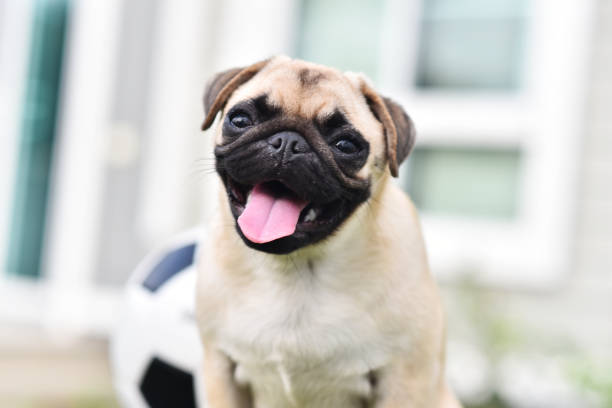
Pugs. The very word conjures images of wrinkled faces, big expressive eyes, and a personality as robust as their compact bodies. These charming little clowns have captured hearts for centuries, their affectionate nature and comical antics making them beloved companions. However, beneath that adorable exterior lies a breed with specific needs and temperaments that, when understood and guided through effective training, can blossom into well-behaved, happy, and truly remarkable members of your family.
This comprehensive guide delves deep into the world of Pug training, encompassing everything from the crucial early stages of puppyhood to addressing common behavioral challenges in adult Pugs. We’ll explore the science behind positive reinforcement, the practicalities of housetraining and crate training, the importance of socialization, and how to embark on a journey of shared understanding and accomplishment with your Pug. Prepare to become a Pug Whisperer, unlocking your furry friend’s full potential and forging an unbreakable bond built on trust, respect, and a whole lot of fun.
Understanding the Pug: A Foundation for Training Success
Before we even lay a paw on training techniques, it’s vital to understand the Pug as a breed. This knowledge will inform every aspect of your training approach and help you anticipate and manage potential challenges.
Temperament and Personality: Pugs are renowned for their “multum in parvo” – a Latin phrase meaning “a lot in a little.” They are:
- Affectionate and People-Oriented: Pugs thrive on human companionship. They are not independent dogs and often suffer from separation anxiety if left alone for extended periods. This means your training should incorporate gentle desensitization to alone time.
- Playful and Energetic: While compact, Pugs have bursts of energy and love to play. Training sessions should be engaging and fun, incorporating games and rewards.
- Stubborn but Eager to Please (When Motivated): Pugs can possess a stubborn streak. They won’t respond well to harsh methods. However, when properly motivated with positive reinforcement, they are surprisingly eager to learn.
- Intelligent and Curious: Their intelligence means they can grasp commands quickly, but also that they can devise their own entertainment (potentially mischievous!) if bored. Training provides mental stimulation.
- Prone to Certain Quirks: Pugs are known for their snorting, snuffling, and occasional “Pug sneeze.” While these are normal breed characteristics, it’s important to differentiate them from potential respiratory distress that requires veterinary attention. Their flat faces (brachycephalic) mean they can overheat easily, so training should always be conducted in cool environments.
Physical Characteristics and Their Impact on Training:
- Brachycephalic Nature: As mentioned, Pugs have short snouts, making them susceptible to heatstroke. Training sessions should be short, especially in warm weather, and always held in a cool, shaded area or indoors. Avoid strenuous exercise during peak heat.
- Eye Health: Pugs can have protruding eyes that are prone to injury. Be mindful of this during training activities, especially if your Pug is prone to boisterous play.
- Weight Management: Pugs are notorious for their love of food and can easily become overweight. Training should be integrated with a healthy diet and regular (but not overly strenuous) exercise. High-value treats used in training should be factored into their daily caloric intake.
The Cornerstone of Pug Training: Positive Reinforcement
The most effective and humane approach to training any dog, especially a Pug, is positive reinforcement. This method focuses on rewarding desired behaviors, making them more likely to be repeated. It fosters a strong bond built on trust and cooperation, rather than fear or coercion.
What is Positive Reinforcement?
It’s about adding something desirable to increase the likelihood of a behavior. For Pugs, this typically involves:
- High-Value Treats: Small, palatable, and enticing treats are crucial. Think tiny pieces of cooked chicken, cheese, hot dogs, or specialized training treats. The more your Pug loves it, the more motivated they will be.
- Praise and Affection: Enthusiastic verbal praise (“Good boy!”, “Yes!”) and gentle petting or scratching in their favorite spots are powerful motivators.
- Toys and Play: For some Pugs, a quick game of tug-of-war or a favorite squeaky toy can be an excellent reward.
- Life Rewards: Allowing them to do something they enjoy after a successful training exercise, like going outside to play or getting to greet a family member.
Why it Works for Pugs:
Pugs are sensitive dogs. Harsh corrections or punishment can lead to fear, anxiety, and a breakdown in trust. Positive reinforcement builds confidence, encourages them to try, and makes training a fun and rewarding experience for both dog and owner.
Key Principles of Positive Reinforcement Training:
- Timing is Everything: The reward must be delivered within seconds of the desired behavior. If you wait too long, your Pug won’t associate the reward with the action.
- Consistency is Crucial: Everyone in the household must be on the same page regarding commands, rules, and rewards. Inconsistency will confuse your Pug.
- Keep it Short and Sweet: Pugs have relatively short attention spans, especially puppies. Aim for multiple short training sessions (5-10 minutes) throughout the day rather than one long one.
- End on a Positive Note: Always try to end each training session with a success, even if it’s a simple command your Pug has already mastered. This leaves them feeling confident and eager for the next session.
- Use Clear and Consistent Cues: Use a single word for each command (e.g., “Sit,” not “Sit down,” “Sit please”). Pair verbal cues with hand signals, as Pugs can be visually responsive.
- Patience, Patience, Patience: Every dog learns at their own pace. Some Pugs will pick things up instantly, while others may need more repetition. Never get discouraged.
Essential Pug Training Pillars: From Puppyhood to Adulthood
Let’s break down the core training components that every Pug owner needs to master.
1. Housetraining: The Ultimate Goal of Early Training
Housetraining a Pug requires consistency, patience, and a good understanding of their routines.
Puppy Housetraining:
- Frequent Potty Breaks: Puppies have small bladders. Take them out:
- Immediately upon waking up.
- After every meal and drink.
- After playtime.
- Before bedtime.
- Every 1-2 hours in between.
- Designated Potty Spot: Take your Pug to the same spot in the yard every time. The scent will encourage them to go.
- Supervision is Key: When indoors, keep a close eye on your puppy. Watch for signs like circling, sniffing intently, or whining. If you see these, immediately take them outside.
- Positive Reinforcement for Success: When your Pug eliminates in the designated spot, praise them enthusiastically and offer a high-value treat. Make it a party!
- Accident Management (Without Punishment): If an accident happens indoors, do not scold or punish your Pug. They won’t understand why they are being punished after the fact. Simply clean it up thoroughly with an enzymatic cleaner to eliminate the scent, which can attract them back to the same spot. If you catch them in the act, interrupt with a gentle clap or “oops,” and quickly take them outside to finish.
- Crate Training (as an Aid): A crate can be an invaluable tool for housetraining. Dogs are naturally clean and dislike soiling their dens. (More on crate training below).
Adult Pug Housetraining:
If you adopt an adult Pug who is not housetrained, the principles are similar but may require more patience as you may need to break old habits. Be diligent with frequent outdoor trips and consistent positive reinforcement.
Common Housetraining Challenges for Pugs:
- “Presents”: Some Pugs may bring you “gifts” (their urine or feces) as a sign of affection. This can be frustrating but is a learned behavior. Ignore the “gift” and immediately clean it up. Focus on rewarding outdoor elimination.
- Submissive Urination: Some Pugs, especially when excited or fearful, may urinate. Never scold for this. Instead, manage their environment to reduce excitement and fear, and reward calm greetings.
2. Crate Training: A Safe Haven and Training Tool
Crate training is not about punishment; it’s about providing your Pug with a safe, den-like space they can retreat to. It’s also an extremely effective tool for housetraining and preventing destructive behaviors when you can’t supervise.
Steps to Successful Crate Training:
- Choose the Right Crate: It should be large enough for your Pug to stand up, turn around, and lie down comfortably, but not so large that they can use one end as a bathroom. Many crates come with dividers to adjust the size as your puppy grows.
- Make it Inviting: Place comfortable bedding inside. Toss in a few high-value treats or a favorite chew toy. Never force your Pug into the crate.
- Positive Introductions:
- Leave the crate door open and let your Pug explore it on their own.
- Toss treats into the crate, encouraging them to go inside to retrieve them.
- Feed meals inside the crate with the door open.
- Gradual Acclimation:
- Once they are comfortable going in, start closing the door for short periods while you are present.
- Gradually increase the time you leave the door closed.
- Start leaving them in the crate for short intervals while you are in another room.
- Progress to leaving them in the crate for longer periods as they become more comfortable.
- Never Use the Crate for Punishment: The crate should always be associated with positive experiences.
Benefits of Crate Training:
- Housetraining Aid: Prevents accidents when unsupervised.
- Safe Space: Provides a secure den for your Pug.
- Travel Companion: Makes travel easier and safer.
- Prevents Destructive Behavior: Keeps your Pug safe and prevents them from chewing household items when you’re not around.
- Helps with Separation Anxiety: Can be a part of a plan to help Pugs adjust to being alone.
3. Socialization: Building a Confident and Well-Adjusted Pug
Socialization is the process of exposing your Pug to a variety of sights, sounds, people, and other animals in a positive way, especially during their critical developmental period (puppies up to 16 weeks).
Why Socialization is Crucial for Pugs:
- Prevents Fear and Aggression: A well-socialized Pug is less likely to be fearful or reactive around new things.
- Promotes Confidence: They will be more adaptable and self-assured in different environments.
- Encourages Good Manners: Learning to interact appropriately with other dogs and people.
How to Socialize Your Pug:
- Positive Experiences with People: Introduce your Pug to people of all ages, genders, and appearances (e.g., people wearing hats, men with beards, children). Ensure these interactions are calm and positive, with treats and praise.
- Controlled Encounters with Other Dogs: Once your Pug is fully vaccinated, arrange playdates with healthy, well-behaved adult dogs or other vaccinated puppies. Puppy classes are excellent for this.
- Expose to Different Environments: Take your Pug to parks (where it’s safe and permitted), pet-friendly stores, and on car rides.
- Introduce to Various Sounds and Sights: Gradually expose them to everyday noises like vacuum cleaners, doorbells, traffic, and even fireworks (with caution and from a distance).
- Keep Experiences Positive: If your Pug seems overwhelmed or scared, don’t force them. Retreat to a comfortable distance and try again later, or end the session on a positive note. Always pair new experiences with treats and praise.
Socialization for Adult Pugs:
It’s never too late to socialize an adult Pug, though it may take more time and patience, especially if they have had negative experiences in the past. Focus on controlled, positive introductions and consider working with a professional trainer if your Pug exhibits significant fear or reactivity.
4. Basic Obedience Training: Essential Commands for a Well-Mannered Pug
Basic obedience commands are the building blocks for a well-behaved Pug and a harmonious relationship.
- “Sit”:
- Hold a treat near your Pug’s nose.
- Move the treat up and slightly back over their head. Their natural instinct will be to lower their rear end to follow the treat.
- As their rear touches the ground, say “Sit” and give them the treat and praise.
- Repeat many times.
- “Stay”:
- First, your Pug needs a reliable “Sit.”
- Ask your Pug to “Sit.”
- Hold your hand up in a flat palm facing them and say “Stay.”
- Take one step back. If they stay, return immediately and reward them with a treat and praise.
- Gradually increase the distance and duration before rewarding. If they break their stay, calmly lead them back to the original spot and start again from a shorter distance.
- “Come” (Recall):
- This is the most important command for safety.
- Start in a quiet, distraction-free area. Get down on your Pug’s level.
- Say their name, followed by “Come!” in an excited, happy tone.
- As they run to you, use enthusiastic praise.
- Reward them with a high-value treat and petting when they reach you.
- Never call your Pug to punish them. This will make them less likely to come when called in the future.
- “Down”:
- Ask your Pug to “Sit.”
- Hold a treat near their nose and slowly move it down towards the floor and slightly away from them.
- As they follow the treat into a down position, say “Down” and reward them.
- Some Pugs find this position uncomfortable due to their build, so be patient and don’t force it.
Leash Training:
Pugs can be eager and sometimes pull. Introduce the collar and leash gradually.
- Acclimation: Let your Pug wear a lightweight collar for short periods indoors.
- Leash Introduction: Attach the leash indoors and let them drag it (supervised).
- Gentle Guidance: When you start walking, if they pull, stop moving. Wait until the leash loosens slightly, then continue. Reward loose-leash walking with treats.
- Avoid Jerking: Pugs’ necks are sensitive. Focus on stopping forward momentum rather than yanking.
5. Addressing Common Pug Behavior Challenges
Even with the best training, Pugs can develop specific behavioral issues. Understanding the root cause is key to effective modification.
- Separation Anxiety: This is very common in Pugs. Signs include excessive barking/howling, destructive behavior, and accidents when left alone.
- Solutions: Crate training, gradual desensitization to your departures, providing puzzle toys to keep them occupied, ensuring they get enough exercise and mental stimulation, and consulting a veterinarian or certified professional dog trainer for severe cases.
- Excessive Barking: Pugs can be vocal, especially if they are bored, anxious, or seeking attention.
- Solutions: Identify the trigger. Teach a “quiet” command by rewarding silence after a bark. Ensure they have enough physical and mental stimulation. Ignore attention-seeking barking and reward quiet behavior.
- Chewing: Puppies chew, but adult Pugs can also chew destructively out of boredom, anxiety, or teething.
- Solutions: Provide plenty of appropriate chew toys. Puppy-proof your home. Redirect inappropriate chewing to approved items. Ensure sufficient exercise and mental stimulation.
- Stubbornness: Pugs can be a bit “opinionated.” Harsh methods will backfire.
- Solutions: Focus on making training fun and rewarding. Use high-value rewards. Keep training sessions short and engaging. Break down complex behaviors into smaller steps. Rule out any underlying medical issues.
Beyond the Basics: Advanced Training and Enrichment for Your Pug
Once your Pug has mastered the fundamentals, you can explore further training and enrichment activities to keep their minds engaged and their bodies active.
- Trick Training: Pugs are smart and enjoy learning new things. Teaching tricks like “shake a paw,” “roll over,” or “play dead” can be a fun bonding experience.
- Agility for Pugs: While not bred for high-level agility, Pugs can enjoy modified agility courses. Gentle tunnels, low jumps, and weave poles can provide excellent physical and mental exercise.
- Nose Work/Scent Games: Pugs have a decent sense of smell. Hiding treats or toys around the house or yard and encouraging them to find them is a fantastic mental workout.
- Canine Good Citizen (CGC) Program: This program tests a dog’s ability to behave politely in various situations, from greeting people to walking through a crowd. It’s a great goal for any well-trained dog.
Nutrition and Exercise: Supporting Training and Well-being
Training is only one piece of the puzzle. A healthy Pug is a trainable Pug.
- Diet:
- High-Quality Food: Feed a balanced, high-quality dog food appropriate for their age and activity level.
- Portion Control: Pugs are prone to obesity. Measure their food carefully and be mindful of treats, especially those used in training.
- Avoid Overfeeding: Do not free-feed. Feed measured meals twice a day.
- Exercise:
- Moderate Exercise: Pugs need daily exercise, but it should be moderate to avoid overheating. Short, brisk walks (15-30 minutes) twice a day are often sufficient.
- Cool Weather is Best: Exercise during cooler parts of the day, especially in warm climates.
- Mental Stimulation: Puzzle toys, training sessions, and interactive games are crucial for mental well-being and can tire a Pug out just as much as physical activity.
Health Considerations and Training
Be aware of your Pug’s health. If your Pug is experiencing pain, discomfort, or illness, training should be put on hold or modified.
- Brachycephalic Obstructive Airway Syndrome (BOAS): If your Pug exhibits excessive panting, snorting, or difficulty breathing, consult your veterinarian. Training sessions must be adjusted accordingly.
- Eye Issues: Be gentle around your Pug’s eyes.
- Joint Health: Monitor for any signs of stiffness or pain, which could affect their ability to perform certain training exercises.
The Journey of a Pug Owner: A Lifelong Commitment
Training a Pug is not a sprint; it’s a marathon, and a joyful one at that. It’s about building a deep connection, understanding your dog’s unique personality, and working together to create a well-behaved and happy companion.
Key Takeaways for Pug Training:
- Embrace Positive Reinforcement: It’s the most effective and humane method.
- Be Patient and Consistent: This is the golden rule of dog training.
- Understand Your Pug’s Breed: Their temperament and physical needs are unique.
- Prioritize Socialization: It’s crucial for a confident, well-adjusted dog.
- Keep Training Fun and Engaging: Short, rewarding sessions are best.
- Address Behavioral Issues with Understanding: Seek the root cause.
- Support Training with Good Nutrition and Appropriate Exercise: A healthy dog is a happy, trainable dog.
As you embark on this training journey with your adorable Pug, remember that the ultimate goal is not just obedience, but a strong, loving bond. With patience, consistency, and a generous dose of positive reinforcement, you will transform your little wrinkled friend into the most delightful, well-behaved companion you could ever imagine. Happy training!
#PugTraining #HappyPug #PugLife #DogTrainingTips #PuppyTraining #PositiveReinforcement #PugLove #DogOwner #PugCommunity #WellBehavedDog #SmartPug #DogBehavior #PugOwnerLife #DogHealth #PetCare #pugtraining #pugsofinstagram #puglife #dogtraining #puppytraining #positivevibes #puglove #dogsofinstagram #instapug #dogtrainer #welltrained #smartdog #dogstagram #pugworld #happydog #doglover #petsofinstagram #pugaddict #dogtraining101 #dogadvice #pugtips #breedspecifictraining #PugTraining #DogTraining #PuppyTraining #HowToTrainAPug #PugObedience #PositiveReinforcementTraining #HouseTrainingPug #CrateTraining #LeashTraining #PugSocialization #PugBehavior #DogTrainingTips #PugFacts #PugOwner #DogLife #PetTraining #DogBehaviorModification #AdvancedPugTraining #PugTricks #PugHealth





Add comment