
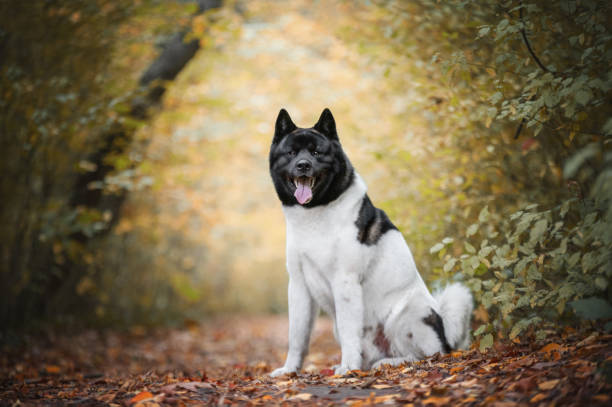
The Akita Ascendant: Mastering the Art of Training Your American Akita Companion
The American Akita, a breed of magnificent stature and noble bearing, commands attention and respect wherever it goes. With its plush double coat, powerful build, and keen, intelligent eyes, the Akita is a living testament to its ancient Japanese heritage as a hunter of formidable game. However, beneath this impressive exterior lies a complex personality – fiercely loyal to its family, yet often reserved and even dominant with strangers and other animals. This unique blend of independence, intelligence, and protective instinct makes the American Akita an extraordinary companion, but also one that demands a dedicated, knowledgeable, and consistently firm approach to training.
Owning and training an American Akita is not for the faint of heart or the inexperienced dog owner. It is a commitment to understanding a deeply nuanced breed, to establishing clear leadership, and to fostering a bond built on trust and mutual respect from the earliest days. Without proper training and socialization, an Akita’s powerful instincts can manifest in undesirable ways, including aggression towards other dogs, resource guarding, or an aloofness that borders on unmanageable stubbornness. Conversely, a well-trained Akita is a steadfast guardian, an affectionate family member, and a majestic ambassador for its breed.
This comprehensive guide will delve deep into the world of American Akita training, providing you with the knowledge, strategies, and insights necessary to raise a well-adjusted, obedient, and cherished companion. We will navigate the breed’s temperament, outline essential training principles, detail step-by-step commands, address common behavioral challenges, and emphasize the lifelong journey of learning and bonding with your magnificent Akita.
Understanding the American Akita Temperament: The Foundation of Successful Training
Before embarking on any training regimen, it’s crucial to grasp the inherent characteristics that define the American Akita. These traits are not flaws to be corrected, but rather intrinsic aspects of their being that must be understood and channeled appropriately through training.
- Independent and Strong-Willed: Akitas are not “people-pleasers” in the same vein as a Golden Retriever or a Labrador. They possess a strong will and an independent spirit, often evaluating whether a command is truly worth their effort. This isn’t defiance; it’s an intelligent assessment. You must convince an Akita that complying is beneficial and rewarding.
- Loyal to Family, Wary of Strangers: Akitas are renowned for their unwavering devotion to their immediate family. They bond deeply and will protect their loved ones fiercely. However, this loyalty often comes with a natural wariness towards strangers. They are not typically effusive greeters and may appear aloof or even suspicious of new people. Early, positive socialization is critical to ensure this wariness doesn’t escalate into fear-based aggression.
- High Prey Drive: Many Akitas possess a significant prey drive, a remnant of their hunting lineage. This means small, fast-moving animals (cats, squirrels, rabbits, even small dogs) can trigger a strong instinct to chase and potentially harm. This trait necessitates rigorous recall training, secure containment, and constant vigilance, especially when off-leash.
- Potential for Dog Aggression: This is perhaps one of the most significant challenges for Akita owners. While not all Akitas are dog aggressive, the breed has a strong propensity for it, particularly towards same-sex dogs. This can manifest as early as puppyhood. Proper socialization, careful management, and understanding dog body language are paramount to prevent or manage this behavior. Off-leash dog parks are generally not recommended for Akitas.
- Guard Dog Instincts: Akitas are natural guardians. They are alert, observant, and quick to perceive threats to their home and family. While this is a desirable trait for many, it means they need to be taught appropriate boundaries for their protective instincts. Excessive or unprovoked guarding can become problematic.
- Intelligence: Akitas are highly intelligent, capable of learning complex commands and routines quickly. However, this intelligence can be a double-edged sword. If not mentally stimulated, they can become bored and destructive. Their intelligence also contributes to their independent nature; they often think for themselves rather than blindly following commands.
Understanding these traits is the first step toward effective training. It allows you to anticipate challenges, tailor your approach, and build a relationship based on respect for their inherent nature.
Pre-Training Essentials: Setting the Stage for Success
Before your Akita puppy or adult dog even steps paw through your door, preparation is key. A well-prepared environment and a clear mindset will significantly ease the training journey.
- Choosing the Right Dog:
- Puppy vs. Adult: A puppy allows you to shape behavior from scratch, but requires immense time and effort during critical developmental stages. An adult Akita might come with existing behaviors (good or bad) but can still be trained. If adopting an adult, gather as much history as possible.
- Reputable Breeder/Rescue: Always choose a breeder who health tests their dogs and screens for temperament. For rescues, work with organizations experienced in large, challenging breeds who can provide thorough assessments.
- Essential Supplies:
- Crate: Non-negotiable for house training, safety, and providing a secure den.
- Collar and Leash: A sturdy flat collar and a 6-foot nylon or leather leash are standard. For strong pullers, a front-clip harness or head halter may be beneficial (introduce carefully).
- Food and Water Bowls: Stainless steel or ceramic are best.
- High-Value Treats: Small, soft, extremely palatable treats (cooked chicken, cheese, hot dogs) are crucial for Akita motivation.
- Chew Toys: Durable, safe toys to satisfy their natural urge to chew and prevent destructive behavior. Kongs, Nylabones, and bully sticks are good options.
- Durable Dog Bed: A comfortable place for them to relax outside the crate.
- Grooming Tools: Slicker brush, undercoat rake, nail clippers, dog-specific shampoo.
- Establishing Routine: Dogs thrive on predictability. From day one, establish a consistent schedule for feeding, potty breaks, exercise, and training sessions. This structure reduces anxiety and helps your Akita understand expectations.
- Setting Rules and Boundaries: What is allowed and what isn’t? Decide this before your Akita arrives. Will they be allowed on furniture? Which rooms are off-limits? Consistently enforce these rules from day one. It’s much harder to break a habit than to prevent it.
- Mental and Physical Exercise: A tired Akita is a well-behaved Akita. They need regular physical exercise (daily walks, secure yard play) but also significant mental stimulation. Puzzle toys, training sessions, and scent work can exhaust an Akita more effectively than just physical exertion.
Key Training Principles for Akitas: Your Guiding Philosophy
Training an Akita requires a nuanced approach built on a few core principles. Deviating from these can lead to frustration for both you and your dog.
- Consistency is Paramount: This cannot be stressed enough. Every member of the household must consistently use the same commands, enforce the same rules, and apply the same rewards. Inconsistency confuses an Akita and gives them an opening to test boundaries. “Sometimes” is not good enough; “always” is the goal.
- Positive Reinforcement is King: Akitas respond best to positive reinforcement. This means rewarding desired behaviors with something they value (high-value treats, praise, favored toys). Harsh corrections, punishment, or force will likely backfire, leading to resentment, fear, or an escalation of aggression in an Akita, who can be very sensitive to perceived unfairness. They are not dogs that can be “forced” into submission. You want them to choose to cooperate.
- Patience and Persistence: Akitas are not always quick to obey, especially if they don’t see the immediate benefit. They may take longer to master certain commands or might “forget” them in distracting environments. Be prepared for slow progress, plateaus, and occasional setbacks. Your patience and persistence will eventually pay off.
- Leadership, Not Dominance (Alpha Theory Debunked): Forget outdated “alpha” theories that advocate for physical dominance. True leadership with an Akita means being a calm, confident, and reliable guide. It means setting clear boundaries, providing structure, consistently rewarding good choices, and protecting your dog. Your Akita should see you as a benevolent leader they can trust, not a bully to be feared.
- Short, Frequent Training Sessions: Akitas have good attention spans, but they can get bored with repetitive tasks. Keep training sessions brief (5-10 minutes for puppies, 15-20 minutes for adults), frequent (2-3 times a day), and fun. End on a positive note.
- Avoid Harsh Methods: Choke chains, prong collars (except possibly for very experienced users under professional guidance for specific issues, and even then, often not recommended for behavioral modification), and electronic collars are generally not advisable for Akitas. They can damage an Akita’s trust, leading to fear, aggression, or a shutdown in learning. Focus on building desire to comply through positive reinforcement.
Foundation Training (Puppyhood and Beyond): Building a Solid Structure
These are the absolute essentials for any dog, but particularly critical for an Akita due to their powerful build and strong temperament.
1. Socialization: The Gateway to a Well-Adjusted Akita
This is perhaps the most critical aspect of Akita puppy training. The socialization window (typically 3-16 weeks) is vital for shaping their perception of the world.
- Controlled Exposure: Unlike some breeds that can thrive in a free-for-all dog park, Akita socialization needs to be controlled and positive.
- People: Introduce your puppy to a wide variety of people (different ages, genders, appearances, hats, glasses, canes) in a positive context. Have them offer treats or praise. Avoid forcing interaction.
- Environments and Sounds: Take your Akita puppy to different places – busy streets (from a distance), quiet parks, pet-friendly stores (if allowed and safe), car rides. Expose them to various sounds (vacuum cleaner, doorbell, fireworks recordings at low volume).
- Other Dogs (Crucial but Careful): This is where extreme caution is needed.
- Puppy Classes: Enroll in well-run puppy classes led by certified trainers. This provides supervised play with other puppies and exposure to different breeds under controlled conditions.
- Known, Vaccinated, Well-Behaved Adult Dogs: Arrange playdates with calm, stable, vaccinated adult dogs who are known to be good with puppies. Avoid aggressive or overly rambunctious dogs.
- Avoid Dog Parks: Especially as they get older, dog parks are generally not safe or appropriate for Akitas due to their potential dog aggression and tendency to escalate conflicts.
- Ongoing Socialization: Socialization doesn’t end at 16 weeks. Continue positive exposure throughout their lives, always prioritizing quality over quantity, and safety above all else. Manage interactions to ensure positive experiences.
2. Potty Training: Cleanliness and Routine
- Crate Training Benefits: A crate is invaluable for potty training. Dogs naturally avoid soiling their sleeping area.
- Scheduled Outings: Take your puppy out frequently – first thing in the morning, last thing at night, after waking from naps, after eating/drinking, and every 1-2 hours initially.
- Designated Spot: Take them to the same potty spot every time.
- Reward Success: When they potty outside, immediately and enthusiastically praise them and give a high-value treat.
- Accident Management: If an accident happens indoors, clean it thoroughly with an enzymatic cleaner to eliminate odors. Don’t punish your dog; they won’t understand. It means you missed a cue or weren’t fast enough.
3. Crate Training: A Safe Haven
- Positive Association: Introduce the crate as a positive, safe den. Never use it for punishment.
- Enticing: Make it comfortable with a soft bed and toys. Feed meals inside the crate.
- Gradual Introduction: Start with short periods, gradually increasing duration. Use treats and praise.
- Benefits: Crate training aids house training, prevents destructive chewing, provides a secure space when you’re away or guests are over, and is essential for safe travel or vet visits.
4. Leash Training: Walking Safely and Confidently
- Early Introduction: Introduce the collar and leash early (as soon as you bring them home). Let them wear the collar for short periods, associating it with positive things.
- Positive Associations: Attach the leash and let them drag it around indoors (supervised). Make wearing the leash a positive experience with treats and praise.
- Loose-Leash Walking:
- Start in a low-distraction environment.
- Walk a few steps, if the leash is loose, mark the behavior (e.g., with a verbal “yes” or a clicker) and reward.
- If they pull, stop walking immediately. Don’t move until the leash slackens. As soon as there’s slack, start walking again. This teaches them that pulling gets them nowhere.
- Practice frequently, gradually adding distractions.
- Consider a front-clip harness for strong pullers, as it redirects their momentum towards you, making pulling less effective. Akitas are incredibly strong, so a sturdy leash and harness/collar are essential.
Basic Obedience Commands: The Essentials for Control
These commands are the building blocks of communication and control, vital for managing a powerful and independent breed like the Akita.
- “Sit”:
- Lure and Reward: Hold a treat near your Akita’s nose. Slowly move it up and back over their head. As their nose follows, their rear will naturally drop into a sit. As soon as their bottom touches the ground, say “Sit,” praise, and give the treat.
- Practice: Repeat frequently in short sessions. Gradually fade the lure, eventually using only the verbal command and/or hand signal.
- “Stay”:
- Foundation: Ensure your Akita reliably sits.
- Gradual Distance/Duration: Have your Akita sit. Say “Stay,” take one step back, then immediately step forward, praise, and reward if they remain in position.
- Increase Gradually: Slowly increase the distance and duration over many sessions. If they break the stay, calmly put them back in position and restart. Don’t scold.
- Release Command: Always use a release word (e.g., “Okay,” “Free”) to signal the end of the stay.
- “Come” (Recall): This is a life-saving command, especially for an Akita with a prey drive and potential dog aggression.
- Positive Association: Make “Come” the most exciting and rewarding command.
- High-Value Rewards: Always use the absolute best treats or favorite toys for recall.
- Practice in Low Distraction: Start in a quiet, enclosed area. Call your Akita (e.g., “Akita, Come!”), open your arms, and sound excited. When they come, shower them with praise and treats.
- Fade the Lure: Don’t always show the treat. Have them come for the reward they anticipate.
- Never Punish for Coming: If your Akita eventually comes after sniffing something interesting, never scold them. You want them to associate “Come” with positive outcomes, not punishment.
- Long Line Practice: Once reliable indoors, practice in a securely fenced yard with a long line (15-30 feet) for safety. This allows you to reinforce the command without letting them bolt.
- “Down”:
- Lure Method: With your Akita sitting, hold a treat near their nose and slowly move it down towards the floor and then out away from them. As they follow the treat, their body should naturally lower into a down. Once they’re down, say “Down,” praise, and reward.
- Alternative: If luring doesn’t work, you can gently guide them into a down position while saying the command, then immediately reward.
- “Leave It”: Another critical safety command.
- Treat on Floor: Place a low-value treat on the floor and cover it with your hand. When your Akita tries to get it, say “Leave It.” Wait until they look away or stop trying. Once they do, immediately reward them with a higher-value treat from your other hand.
- Gradual Exposure: Slowly uncover the treat, then place it on the floor without your hand, gradually increasing the distractions and temptations.
- Real-World Practice: Use this command for anything you don’t want them to pick up (food scraps, potential hazards, other dogs’ toys, dead animals).
- “Drop It”: Essential for preventing resource guarding and for safe play.
- Trade-Up: Have your Akita hold a toy. Offer a high-value treat in front of their nose. As they drop the toy to take the treat, say “Drop It.”
- Reward: Praise and reward. You can even offer the toy back after they’ve taken the treat to reinforce that dropping doesn’t mean losing.
- Practice with Various Items: Practice with toys, sticks, and other safe objects they might pick up.
Intermediate and Advanced Training: Refining Skills and Addressing Challenges
Once your Akita has a solid grasp of basic commands, you can move on to more advanced concepts and address specific breed challenges.
- Advanced Recall and “Proofing” Behaviors:
- Distraction Management: Gradually introduce higher levels of distraction (other people, dogs at a distance, different environments) while practicing all commands.
- Generalization: Practice commands in various locations (park, friend’s house, vet’s office) to ensure your Akita understands them regardless of the context.
- Variable Rewards: Once a command is reliable, you can occasionally vary the reward (sometimes a treat, sometimes praise, sometimes a quick game of fetch). This keeps them motivated without always needing a food bribe.
- Addressing Specific Akita Challenges:
- Dog Aggression:
- Management is Key: The most important aspect is to prevent aggressive incidents. This means keeping your Akita on a leash in public, avoiding dog parks, and carefully managing introductions to other dogs.
- Counter-Conditioning and Desensitization: If your Akita reacts to other dogs, you can work on changing their emotional response. Start at a distance where they notice another dog but don’t react negatively. Pair the sight of the other dog with high-value treats. The goal is for your Akita to see another dog and look to you for a treat, associating other dogs with positive things.
- Parallel Walks: Walk your Akita parallel to another calm, stable dog (at a safe distance), gradually decreasing the distance over many sessions, always rewarding calm behavior.
- Professional Help: For significant dog aggression, always seek the help of a certified professional dog trainer or a veterinary behaviorist. This is not an issue to tackle alone, as mishandling can make it worse.
- Prey Drive:
- “Leave It” Reinforcement: Continuously reinforce the “Leave It” command, especially around small, tempting creatures.
- Leash Control: Always keep your Akita on a strong leash in unfenced areas where small animals might be present.
- Secure Environment: Ensure your yard is securely fenced to prevent escapes driven by prey instinct.
- Impulse Control Games: Engage in games that promote impulse control, like waiting for a toy or treating.
- Resource Guarding:
- Prevention is Best: From puppyhood, teach your Akita that humans approaching their food bowl or toys is a positive thing.
- “Trade-Up” Game: While your Akita is eating or chewing on a less desirable item, approach and offer a higher-value treat. When they take the treat, you can remove the original item (and often return it). This teaches them that a human approaching means something better is coming, not that something is being taken away.
- Avoid Punishment: Never scold or physically punish an Akita for growling or guarding. This can escalate the behavior to biting without warning, as they learn their warnings are ignored.
- Professional Help: If your Akita exhibits significant resource guarding, consult a professional.
- Excessive Barking:
- Identify Triggers: Determine why your Akita is barking (boredom, alert barking, demand barking, fear).
- Address the Cause: If bored, increase exercise and mental stimulation. If alert barking, teach a “Quiet” command: let them bark once or twice, say “Quiet,” and then reward silence.
- Ignore Demand Barking: If they are barking for attention, ignore it completely (turn your back, leave the room). Only reward silence.
- Dog Aggression:
Behavioral Issues and Solutions: When to Seek Expert Guidance
Even with the best training, behavioral challenges can arise. It’s crucial to understand when and how to seek professional help.
- Identifying Root Causes: Many problematic behaviors stem from underlying issues such as fear, anxiety, lack of exercise/mental stimulation, or health problems. A good trainer or veterinary behaviorist will help you uncover these.
- When to Seek Professional Help:
- Aggression: Any form of aggression (towards people, dogs, resource guarding) warrants immediate professional intervention. An Akita is too powerful to manage aggression without expert guidance.
- Severe Anxiety: Destructive chewing, excessive barking/howling, or inappropriate urination/defecation when left alone (potential separation anxiety).
- Fearful Behavior: Extreme fear of certain people, places, or sounds.
- Unmanageable Stubbornness: If you feel you’ve exhausted your training tools and your Akita is still consistently refusing commands or testing boundaries.
- New Akita, New Problems: If you’ve adopted an adult Akita with significant unknown behavioral history.
- Choosing a Professional:
- Certified Professional Dog Trainer (CPDT-KA): Look for trainers who use positive reinforcement and reward-based methods. Avoid anyone who advocates for harsh physical corrections or “dominance” methods.
- Veterinary Behaviorist (Dip ACVB): These are veterinarians with specialized training in animal behavior. They can diagnose and treat behavioral conditions, including prescribing medication if necessary. They are often the best choice for complex or severe issues.
The Lifelong Journey of Training: Never Stop Learning
Training an American Akita is not a one-time event; it’s a lifelong commitment to learning, reinforcing, and bonding.
- Maintain Skills: Continue to practice commands regularly, even the simple ones. This keeps your Akita sharp and reinforces your leadership.
- Enrichment Activities: Keep your Akita mentally stimulated with puzzle toys, scent games (finding hidden treats), and new tricks. A bored Akita is often a mischievous Akita.
- Continuing Bond Building: Spend quality time with your Akita through walks, grooming, play, and quiet companionship. This strengthens your bond and makes them more willing to work with you.
- Embrace the Challenge: Akitas are renowned for their intelligence and independent spirit. While challenging, this makes them incredibly rewarding to train. Celebrate every small victory.
Conclusion: The Reward of a Well-Trained Akita
Training an American Akita demands patience, consistency, and a profound understanding of their unique character. It is a journey that will test your resolve, but one that offers unparalleled rewards. A well-trained Akita is a testament to the dedication of their owner – a dignified and loyal companion, a watchful guardian, and a cherished member of the family.
By embracing positive reinforcement, establishing clear leadership, prioritizing early and controlled socialization, and committing to lifelong learning, you will unlock the incredible potential within your Akita. You will not only foster an obedient dog but forge an unbreakable bond built on trust, respect, and mutual understanding. The Akita Ascendant, once a formidable challenge, will transform into your most magnificent and devoted companion, a source of endless pride and joy.







Add comment