
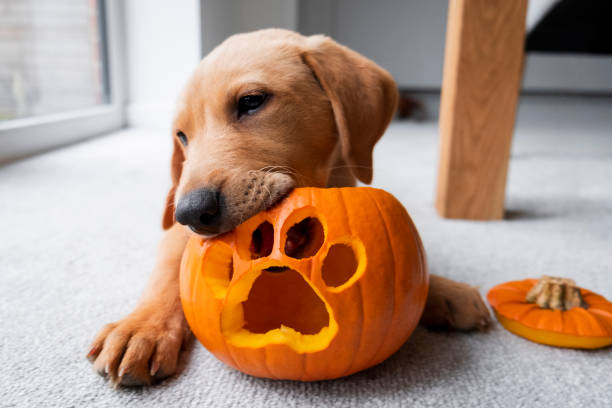
“Four‑on‑the‑Floor” is the gold‑standard cue for a dog to keep all four paws planted while greeting people, visitors, or other dogs. It eliminates the classic “jump‑on‑the‑face” welcome and replaces it with a calm, respectful stance that’s safe for both the puppy and the humans around them.
Below is an exhaustive, research‑backed, and highly practical manual that will take you (and your puppy) from a clueless pup to a confident, well‑behaved greeter—no matter the setting, the distractor level, or the puppy’s breed‑specific temperament.
📚 1. WHY “FOUR‑ON‑THE‑FLOOR” MATTERS
| Reason | What It Solves | Long‑Term Benefits |
|---|---|---|
| Safety | Prevents puppies from leaping onto children, seniors, or fragile guests. | Reduces risk of injury, liability, and fear‑based avoidance of future guests. |
| Social Acceptability | Makes the dog welcome in public places (cafés, schools, therapy work). | Increases opportunities for real‑world exposure and advanced training (service, therapy, sport). |
| Self‑Control Foundation | Teaches impulse‑control, a building block for “stay,” “leave it,” “go to place,” etc. | Faster progress on all subsequent obedience and agility work. |
| Owner Confidence | Gives you a reliable tool to manage greeting situations. | Reduces stress for the owner, improves bond, and encourages consistent training. |
📋 2. UNDERSTANDING PUPPY GREETING BEHAVIOUR
| Typical Puppy Response | Underlying Motivation | How It Manifests |
|---|---|---|
| Jumping | Excitement + desire for attention | Front paws leave the ground, nose to face. |
| Barking/Whining | Over‑arousal, need to be heard | Vocalization, often paired with pulling. |
| Lunging/Running | Chase instinct + play drive | Rapid approach, may knock over objects. |
| Freezing | Fear or overwhelm | No movement, may hide. |
Key Insight: Puppies are hard‑wired to use their whole body (including paws) to communicate excitement. The training goal is not to suppress emotions but to channel them into a calm, stationary posture while still acknowledging the human.
🧭 3. FOUNDATIONAL PRINCIPLES OF EFFECTIVE DOG TRAINING
- Positive Reinforcement → Reward the exact behavior you want (all four paws on the floor) immediately.
- Timing = 0.2 seconds – The moment the puppy’s paws touch the floor, deliver the reward.
- Consistency → Every greeting, every visitor, every environment must follow the same cue/response rules.
- Marking → Use a distinct marker (clicker or “Yes!”) to bridge the gap between behavior and reward.
- Gradual Desensitization → Start at Level 1 (no distractions) and only move up when the puppy is >90 % reliable.
- Shape, Don’t Force → Build the behavior in tiny increments (called “shaping”) rather than demanding a perfect stance instantly.
🛠️ 4. EQUIPMENT & SET‑UP
| Item | Why It’s Needed | Recommended Brands/Options |
|---|---|---|
| Treats | High‑value, tiny, fast‑eating (e.g., Zuke’s Mini Naturals, freeze‑dried liver). | Choose a scent your pup loves, but keep calories in mind. |
| Clicker or Marker Word | Provides an exact, consistent signal. | Classic red clicker or “Yes!” |
| Leash & Light‑weight Harness | Gives control without restricting movement; useful for “close‑in” training. | Ruffwear Front Range, Freedom No‑Pull Harness. |
| Mat or Target Pad | Defines the “floor” zone and helps the dog focus. | Small rug, yoga mat, or a specific “welcome” mat. |
| Quiet, Distraction‑Free Space | First training stage. | Living‑room carpet, hallway, or a cleared kitchen. |
| Video Camera/Phone | Capture sessions for review, progress logs, and troubleshooting. | Any smartphone with 30 fps is fine. |
| Training Log Sheet | Track cue, distraction level, success rate, and notes. | Printable template (see Appendix). |
📆 5. TRAINING ROADMAP – 8‑Week “Four‑on‑the‑Floor” Program
NOTE: Adjust the timeline based on your puppy’s age (8‑16 weeks ideal), breed, and attention span. Some pups master steps in a few days; others need a week per step.
| Week | Goal | Session Length | Frequency | Key Actions |
|---|---|---|---|---|
| 1 | Establish the “Floor” Cue | 5 min | 3×/day | Teach “Floor” using a mat: “Touch mat with any paw → click → treat.” |
| 2 | Add “All‑Four” Requirement | 5 min | 3×/day | Shape from one paw → two paws → three → all four on mat. |
| 3 | Introduce “Sit‑Stay‑Floor” Combo | 7 min | 3×/day | Teach “Sit” → “Stay” → “Floor” while you step back 2‑3 ft. |
| 4 | Add “Greeting” Cue | 8 min | 3×/day | Say “Hello” → cue “Four‑on‑Floor.” Reward when dog stays. |
| 5 | Desensitization to Human Approach | 10 min | 2×/day | Friend walks in slowly; you cue “Four‑on‑Floor.” Increase speed gradually. |
| 6 | Add Distractions | 12 min | 2×/day | Toys, other dogs, doorbell, TV. Maintain >90 % success before next level. |
| 7 | Generalize to Different Locations | 12 min | 2×/day | Kitchen, porch, car, park bench (using a portable mat). |
| 8 | Fade Treats & Add Praise | 10 min | 1–2×/day | Switch to “variable‑ratio” schedule: treat 1/3, praise 2/3. Test with strangers. |
Total Daily Time: 15‑30 minutes (including play and rest).
Rest Days: Every 4th day you can have a “play‑only” session—no formal training—to keep motivation high.
🧩 6. DETAILED STEP‑BY‑STEP PROCEDURES
6.1. Phase 1 – “Floor” Foundations
- Set the Stage
- Place a small, non‑slippery mat (≈12 × 12 in) on the floor.
- Keep the leash loose; let the puppy roam.
- Capture the First Paw
- Hold a treat just above the mat.
- When the puppy places any paw on the mat, click (or say “Yes!”) immediately and give the treat.
- Repeat 8‑10 times, then add a verbal cue “Floor.”
- Shape to All Four Paws
- After the puppy reliably touches with one paw, withhold the treat unless all four paws are on the mat.
- Use a “shaping” marker:
- 1️⃣ Paw → click → treat (early stage).
- 2️⃣ When two paws are on, click → treat.
- …progress until all four are on the mat.
- Tip: If the pup hops onto the mat, gently “step down” with your hand and wait for a slower, calm approach.
- Add a Clear Cue Word
- Once “all‑four” is consistent (>9/10), say “Four‑on‑Floor” right before the puppy steps onto the mat.
- Fade the hand‑signal (if you used one) and rely only on the verbal cue.
Success Criteria: The pup steps onto the mat with all four paws the moment you say “Four‑on‑Floor,” without you having to guide them.
6.2. Phase 2 – “Sit‑Stay‑Floor” Integration
- Teach a Reliable “Sit” (if not already mastered).
- Combine:
- Command “Sit.”
- Immediately give “Stay.” (take a step back).
- While the puppy is sitting, say “Four‑on‑Floor.”
- When all four paws are on the mat, click → treat.
- Increase Distance & Duration
- Add 1 ft steps each session, up to 6 ft.
- Increase “stay” time from 2 sec → 5 sec → 10 sec before the “Four‑on‑Floor” cue.
- Introduce “Release” Cue (e.g., “Okay!”) so the dog knows when it can get up.
Success Criteria: The dog sits, stays, then calmly places all paws on the mat, waiting for release.
6.3. Phase 3 – Greeting With People
| Step | Action | Detail |
|---|---|---|
| A | Approach | Have a family member or friend stand 6 ft away, calm posture, hands at sides. |
| B | Cue | Say “Hello!” (or any greeting cue you’ll use) and “Four‑on‑Floor.” |
| C | Reinforce | If the puppy stays on the floor, click → treat. If it jumps, calmly “No jump,” step back, and re‑cue. |
| D | Reward Social Interaction | After the pup remains calm for 3‑5 sec, allow a brief sniff or gentle pet. Use a different reward (praise, a chew toy) to mark the acceptable social contact. |
| E | Release | Give “Okay!” and let the pup get up. |
Tips for Human Participants
- Approach at a 45° angle, not head‑on, to reduce instinctual chase.
- Avoid high‑energy greetings (excited voice, rapid arm motions).
- Keep treat hand low to prevent the pup from reaching upward.
Progression
- Level 1: One familiar adult, quiet house.
- Level 2: Two adults, mild background noise (TV).
- Level 3: Doorbell rings, a child (under 5 yr) enters.
- Level 4: Strangers, brief leashed walk past, park bench with other dogs visible.
6.4. Phase 4 – Distraction Desensitization & Generalization
| Distraction | Training Method |
|---|---|
| Doorbell/Knocking | Play a recording on low volume. Cue “Four‑on‑Floor.” Increase volume gradually. |
| Other Dogs | Use a fenced yard; have another calm dog on leash at a distance. Practice cue while the other dog passes by. |
| Food/ Toys | Place a high‑value toy near the greeting zone. Require the “Four‑on‑Floor” cue before the puppy can investigate. |
| Movement | Have a friend walk back and forth, slowly at first, then at normal speed. Maintain cue reliability. |
Generalization Checklist
- ✅ Indoor carpet vs. hardwood vs. tile.
- ✅ Outdoor grass, patio tiles, concrete.
- ✅ Different mat colors & textures (or no mat—just “all‑four”).
- ✅ Varied greeting words (“Hi,” “Hey,” foreign language).
If the puppy falters on any surface, re‑teach the “Floor” cue on that specific floor for a few short sessions, then resume the full sequence.
🐕 7. REINFORCEMENT & REWARD STRATEGIES
| Phase | Reward Type | Frequency |
|---|---|---|
| Early (Weeks 1‑3) | Treats (high value) | Every correct response (continuous reinforcement). |
| Mid (Weeks 4‑6) | Treat + Praise | Treat on 8/10, praise on 2/10 (variable‑ratio). |
| Late (Weeks 7‑8) | Praise + Play (quick tug or fetch) | Treat on 3/10, play on 7/10 (fading). |
| Maintenance (Post‑Program) | Random treats + verbal praise | 20‑30 % of successes; occasional “surprise” treat. |
Why Variable‑Ratio?
It keeps the dog motivated (the classic “slot‑machine” effect) and prevents dependence on food for every greeting.
Avoid:
- Over‑feeding → obesity risk.
- Using treats that slow down (e.g., big biscuits). Use tiny, fast‑eating rewards.
Marking Accuracy – If you ever miss the exact moment of “all‑four,” re‑click the moment you notice. It’s okay to correct within the same session; just keep the timing tight.
🔧 8. COMMON PITFALLS & TROUBLESHOOTING
| Problem | Likely Cause | Solution |
|---|---|---|
| Puppy jumps before you cue | Human excitement or proximity triggers reflex. | Keep greeting distance >6 ft, use a calm voice. If jump occurs, ignore (no eye contact) and step back. |
| Puppy holds a paw up (half‑jump) | Incomplete shaping of “all‑four.” | Return to shaping stage: reward only when all paws are down. Use a “step‑down” cue (hand gently nudges the lifted paw). |
| Puppy loses focus when multiple people enter | Over‑stimulus, insufficient desensitization. | Re‑introduce greeting one person at a time, increase duration of stay before release. |





Add comment