
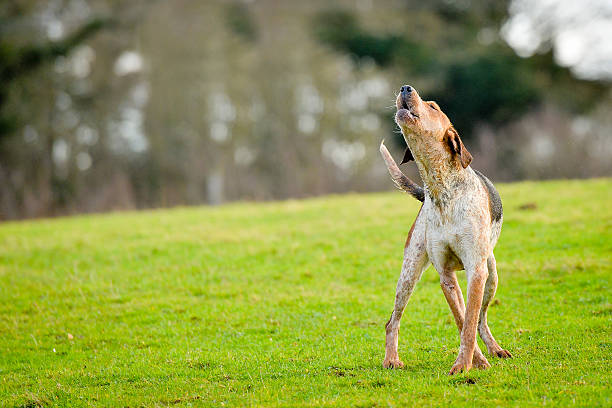
Dog obedience training is a rewarding journey, a testament to the unique bond shared between humans and their canine companions. It’s a process fraught with triumphs and occasional challenges, moments of pure joyful understanding, and times when progress seems to grind to a halt. One of the most common, yet often misunderstood, hurdles in this journey is the dreaded training plateau.
A training plateau is not a sign of failure, nor does it indicate that your dog is “stubborn” or “unintelligent.” Instead, it is a natural, almost inevitable, part of any learning process, for both humans and animals. It’s that frustrating phase where a previously keen learner suddenly seems to forget everything, or where efforts to teach new behaviors yield no discernible progress. Recognizing when you’ve hit a plateau and understanding why is the first crucial step towards overcoming it. More importantly, it signals that it’s time to change up your obedience routine. This comprehensive guide will delve deep into the signs of training plateaus, explore their underlying causes, and provide an elaborate arsenal of strategies to help you and your dog break through them, fostering a stronger, more effective, and enjoyable training experience.
Understanding Dog Learning and Motivation: The Foundation
Before we dissect plateaus, it’s essential to briefly revisit the core principles of how dogs learn. Most modern dog training relies heavily on principles derived from classical and operant conditioning:
- Classical Conditioning: Where a dog learns to associate an involuntary response with a new stimulus (e.g., the sound of the treat bag opening makes them salivate).
- Operant Conditioning: Where a dog learns to associate a voluntary behavior with a consequence (e.g., sitting leads to a treat, so they sit more often). This is the cornerstone of obedience training.
At the heart of operant conditioning is reinforcement. Positive reinforcement, the most widely recommended method, involves adding something desirable (a treat, praise, a toy) immediately after a desired behavior, making that behavior more likely to occur again. Negative reinforcement, though often misunderstood, involves removing an aversive stimulus to increase a behavior.
Crucially, motivation drives learning. A dog will perform behaviors that are rewarding to them. If the reward isn’t valuable enough, the behavior isn’t consistently reinforced, or if the dog is too stressed or distracted, learning will falter. Dogs also have cognitive limits; their attention spans are shorter than ours, and they can easily become overwhelmed or bored. Ignoring these fundamental principles often lays the groundwork for training plateaus.
The Nature of Training Plateaus: More Than Just a “Stuck” Point
A training plateau differs from simple regression or a temporary dip in performance. It’s a persistent state where:
- Progress on a new skill stalls completely, despite continued effort. You’re stuck on step two of a ten-step shaping plan, and no matter what you do, your dog just can’t seem to grasp the next approximation.
- Previously mastered skills consistently deteriorate. Your dog used to have a rock-solid “stay” for minutes, but now they break after a few seconds, even in familiar environments.
- The dog’s general enthusiasm for training wanes significantly. Training sessions feel like a chore for both of you, lacking the previous spark and engagement.
It’s vital to view a plateau not as a brick wall, but as a crossroads. It’s an indication that your current path is no longer leading forward, and a different direction or approach is required. It’s a signal to pause, observe, analyze, and then innovate.
Key Signs You’ve Hit a Training Plateau: The Red Flags
Recognizing these signs early can prevent prolonged frustration and help you pivot your strategy before the plateau becomes deeply entrenched.
1. Decreased Responsiveness and Engagement
This is often one of the first and most noticeable signs.
- Slower Reactions to Known Cues: Your dog used to whip into a sit the moment you uttered the command. Now, there’s a noticeable delay, a hesitant pause, or a look of mild bewilderment before they eventually comply.
- Ignoring Cues Altogether: In more advanced stages of a plateau, your dog might simply disregard known commands. You say “come,” and they continue sniffing, as if you hadn’t spoken. This isn’t defiance; it’s often a sign that the cue has lost its salience or the environment is too distracting.
- Lack of Enthusiasm: The bouncy, eager dog who used to light up at the sight of treats or toys during training now approaches sessions with a lack of zest. Their tail might not wag as much, their body language might be less forward, or they might even try to avoid the training area.
- Increased Distractibility: While some distractibility is normal, a sudden and persistent inability to focus, even in familiar, low-distraction environments, can indicate a plateau. The dog is finding external stimuli more reinforcing or interesting than the training itself. This might manifest as constant sniffing, looking away, or an inability to hold attention for even short periods.
2. Stalled Progress on New Behaviors
You’re trying to teach a new trick or a more complex sequence, but you hit a wall.
- Inability to Generalize: Your dog performs a new behavior perfectly at home but fails utterly at the park or a friend’s house. This indicates the behavior isn’t truly learned across contexts, but rather tethered to specific environmental cues.
- Stuck at a Certain Stage: If you’re using shaping (rewarding successive approximations), you might find your dog repeatedly performing an earlier approximation, unable to move to the next, slightly more complex step. For example, they might offer a paw to the air but never actually touch your hand, despite your best efforts.
- Frustration During New Skill Attempts: Both you and your dog might become visibly frustrated. The dog might start offering random behaviors in desperation, or shut down entirely. You might feel your patience wearing thin, repeating the cue with increasing exasperation.
3. Regression on Known Behaviors
This is particularly disheartening. Behaviors that were once reliable suddenly become inconsistent or even disappear.
- “Forgetting” Commands: Your dog, who knew “down” perfectly, now looks at you blankly when you give the cue. It’s as if they’ve had a memory wipe for that specific command.
- Performing Inconsistently Where Consistency Was Once High: The “sit” is sometimes solid, other times sloppy or ignored. The recall is great 70% of the time, devastatingly poor the other 30%. This inconsistency signals a breakdown in the reliability of the command, often due to a lack of maintenance, generalization, or diluted reinforcement history.
- Increased Error Rate: More mistakes are being made during routine training sessions for behaviors that were considered mastered.
4. Increased Frustration (Dog and Handler)
Training should ideally be a fun, collaborative activity. When it becomes a source of tension, it’s a huge red flag.
- Dog’s Signs of Frustration/Stress:
- Pacing, whining, barking: Exaggerated displacement behaviors.
- Stress signals: Lip-licking, yawning (when not tired), whale eye (showing the whites of their eyes), averting gaze, scratching, excessive shedding, panting (when not hot).
- Refusal to engage: Turning their head away, moving their body away, lying down and refusing to get up, or even trying to hide.
- Shutting down: A dog that becomes unresponsive, still, and almost “blank” can be indicating learned helplessness due to repeated failure or frustration.
- Handler’s Signs of Frustration:
- Feeling discouraged, angry, or impatient: You might find yourself snapping at your dog, raising your voice, or feeling a sense of dread before training.
- Blaming the dog: “My dog is stubborn,” “He’s doing it on purpose,” “She knows what I want, she just won’t do it.” These thoughts are counterproductive and usually inaccurate.
- Giving up: Avoiding training sessions entirely, or drastically reducing them, because they’re no longer enjoyable.
5. Emergence of Unwanted Behaviors
Sometimes, a plateau can manifest as other problematic behaviors, especially around training times.
- Nipping, jumping, barking, counter-surfing, destructive chewing: These might appear as outlets for boredom, frustration, or stress during or directly after failed training attempts. A dog might also “test boundaries” by offering alternative, less desirable behaviors if they’re not getting clear guidance or reinforcement.
- Refusal to settle: After a training session, a dog might be over-aroused and unable to relax, indicating the session was too frustrating or stimulating without a proper cool-down.
6. Lack of Generalization
The behavior is perfect in one specific context, but falls apart elsewhere.
- Context-Specificity: Your dog sits perfectly in your kitchen but loses all ability to sit when you’re outside. This means the dog has not learned the concept of “sit,” but rather “sit in the kitchen when mom says X.” True mastery involves performing the behavior reliably regardless of environment, handler, or minor distractions.
- Inability to Perform with Varying Distractions, Distance, or Duration (The 3 Ds): If your dog can “stay” for 30 seconds at 5 feet away with no distractions, but instantly breaks when you take one step back, or if a leaf blows by, you’re on a plateau in terms of proofing the behavior.
7. Loss of Joy in Training
This is a critical, overarching sign that affects both ends of the leash.
- Training Becomes a Chore: What was once a fun, bonding activity feels like a tedious obligation.
- Avoidance Behaviors: The dog might hide when you get the treat pouch out, or the handler might procrastinate training, finding excuses to put it off. This erosion of enjoyment directly impacts consistency and motivation.
8. Over-reliance on Lures/Aids
If your dog only performs the behavior when you have a treat in your hand, or if you still need to physically guide them, you haven’t truly faded the lure.
- Dog Won’t Perform Without the Visual Lure or Treat in Hand: This means the dog is responding to the lure, not the verbal cue. The behavior is not under stimulus control of the verbal cue.
- Failure to Fade Prompts: You’re stuck in a loop of luring or using hand cues when the goal was to transition to a verbal cue.
Root Causes of Training Plateaus: Why They Happen
Understanding the “why” is crucial for effective problem-solving. Plateaus rarely have a single cause; they’re often a confluence of factors.
1. Methodological Issues (How You’re Training)
- Repetitive Training (Boredom): Doing the same thing, in the same way, in the same place, for too long, can lead to boredom and habituation. The dog literally tunes out.
- Lack of Variety in Rewards: If you always use the same dry kibble, it might lose its value. Your dog might become less motivated if there aren’t higher-value rewards for more challenging tasks.
- Poor Timing of Rewards/Corrections: Reinforcement must be delivered within 1-3 seconds of the desired behavior. If it’s too late, the dog won’t associate the reward with the correct action. Similarly, poorly timed aversives can create fear or confusion.
- Unclear Cues/Communication: Inconsistent verbal cues (“sit,” “siiiit,” “sit down”), inconsistent hand signals, or contradictory body language can confuse the dog. Are you asking for a sit or luring them into a down?
- Too Much, Too Soon: Overloading a dog with too much new information, too many difficult tasks, or too high a level of distraction before they’re ready. This leads to cognitive overload and frustration.
- Lack of Generalization Training: Not deliberately practicing behaviors in diverse environments, with different people, and varying distractions. The dog learns the behavior in one context, but not as a general concept.
- Inadequate Proofing: Failing to gradually increase the “3 Ds” (Distraction, Distance, Duration) for a behavior once it’s learned. Without proofing, behaviors remain fragile.
- Over-correction/Aversive Methods: While less common in positive reinforcement, any aversive stimulus (e.g., leash jerks, loud “no”s, physical force) that is too harsh or poorly timed can suppress behavior, create fear, anxiety, and shut down the dog’s willingness to engage.
- Reliance on Luring without Fading: Luring is a great way to initiate a behavior, but if you don’t systematically fade the lure (making it smaller, then pairing with a verbal cue, then removing it), the dog becomes dependent on it.
2. Dog-Related Factors (The Learner’s State)
- Physical Health Issues: Pain (arthritis, hip dysplasia, dental issues), illness (UTI, ear infection), poor vision or hearing can all impact a dog’s ability to focus, learn, or even physically perform certain commands. A vet check is always a good idea if a plateau appears suddenly.
- Mental/Emotional State:
- Stress/Anxiety/Fear: A dog that is stressed by its environment, another animal, or even your frustrated demeanor will not be in a learning state. They are in survival mode.
- Over-excitement: Too much arousal can make focus impossible.
- Lack of Sleep: Just like humans, tired dogs struggle to learn and retain information.
- Developmental Stages: Adolescence (typically 6-18 months, depending on breed) is often characterized by a “rebellious” or “testing boundaries” phase where previously learned behaviors might regress. Fear periods can also make a dog more sensitive and less receptive to training.
- Breed Predispositions: While all dogs can be trained, some breeds are naturally more biddable or have stronger genetic drives (e.g., scent hounds wanting to sniff, terriers wanting to chase) that can make certain aspects of training more challenging.
- Genetic Factors: Just like humans, dogs have varying levels of genetic predisposition to certain traits, including trainability and attention span.
3. Handler-Related Factors (Your Contribution)
- Inconsistency: This is a huge one. If you sometimes allow jumping on guests and sometimes correct it, the dog learns that jumping is sometimes okay. Inconsistent use of cues, rewards, and expectations guarantees confusion.
- Impatience/Frustration: Dogs are incredibly adept at reading human emotions. If you’re frustrated, your dog will pick up on it, creating a negative association with training.
- Lack of Knowledge/Skill: Not knowing how to break down a behavior, lacking understanding of canine body language, or not having a diverse training toolkit can lead to hitting a wall.
- Environmental Factors: Training in an environment that is too distracting, too loud, or inherently stressful for the dog.
- Lack of a Clear Plan: Haphazard training, without clear goals or a structured progression, can lead to stagnation.
Strategies to Break Through Training Plateaus: It’s Time to Change It Up!
Once you’ve identified the signs and considered the potential causes, it’s time to implement a dynamic, multi-faceted approach to invigorate your training routine.
1. Re-evaluate and Adjust Your Approach: The Core of the Solution
This involves a critical look at your training methods and making targeted changes.
- Assess the Dog’s Motivation: Find Higher-Value Rewards and Vary Them.
- Hierarchy of Rewards: Not all treats are equal. Dry kibble is usually low-value, cheese or boiled chicken is high-value. What does your dog truly love?
- Vary Rewards: Don’t always use food. Incorporate play (a quick game of tug, fetch), verbal praise, physical affection (if your dog genuinely enjoys it), or “life rewards” (e.g., “sit” to get dinner, “wait” to get released to play).
- Reward Rate: Are you rewarding enough? Especially for new or challenging behaviors, a high rate of reinforcement (a treat every 1-3 seconds) is critical. As the behavior progresses, you can thin the schedule, but never eliminate it entirely for maintenance.
- Vary Training Environments:
- Generalization Drills: Practice known behaviors in new places: different rooms in your house, the backyard, the front yard, a quiet street, a park (initially quiet, then gradually busier). Each new environment is like teaching the behavior all over again, but it builds true fluency.
- “Novelty Boost”: A new environment can re-engage a bored dog. The sights, sounds, and smells provide novelty that acts as a natural reinforcer.
- Introduce Novelty into the Routine:
- New Toys/Treats: Sometimes a different brand of high-value treat or a new squeaky toy is all it takes to spark interest.
- Different Training Partners: Have other family members or trusted friends practice the commands (briefly, and consistently with your methods). This helps generalize the behavior to different handlers.
- New Time of Day: If you always train in the morning, try an evening session.
- Break Down Behaviors Further (Shaping/Luring):
- Go Back to Basics: If your dog is struggling, break the current step into even smaller, more achievable micro-steps. Reinforce every tiny movement in the right direction. For example, if “touch” isn’t working, reward for just looking at your hand, then moving a whisker towards it, then a nose twitch, then an actual touch.
- Re-establish Foundations: If an advanced behavior is faltering, go back and solidify the prerequisite skills. If “stay” isn’t working, revisit “sit” and “down” until they are rock solid again.
- Increase/Decrease Difficulty Strategically:
- Increase Difficulty Gradually (Proofing): Once a behavior is solid in a low-distraction environment, slowly add one variable at a time:
- Distraction: Start with a quiet hum, then a distant sound, then a person walking by, then another dog at a distance. Don’t add multiple distractions at once.
- Distance: Take one step away, then two, then three.
- Duration: Increase hold times by 1-2 seconds at a time.
- Decrease Difficulty (Reset): If your dog is failing repeatedly, you’ve asked for too much. Go back to an environment where they can succeed 80-90% of the time, and gradually build up again. Success builds confidence.
- Increase Difficulty Gradually (Proofing): Once a behavior is solid in a low-distraction environment, slowly add one variable at a time:
- Change Your Cues/Signals:
- If a verbal cue or hand signal has become “poisoned” (associated with frustration or failure), try a completely new word or gesture for the same behavior. This can give both of you a mental fresh start.
- Adjust Your Timing:
- Precision in Marking: Use a clicker or a consistent verbal marker word (“yes!”) at the exact moment your dog performs the desired behavior. This clarity is paramount for effective learning.
- Prompt Reward Delivery: Follow the marker immediately (within 1-2 seconds) with the reward.
- Fade Lures and Prompts Systematically:
- Make Lures Smaller: If luring a “down,” reduce the size of the movement until it’s just a finger wiggle.
- Pair with Verbal Cue: Say the verbal cue just before you give the lure. Over time, the dog associates the verbal cue with the desired action.
- Gesture-Only, Then Verbal-Only: Gradually eliminate the physical lure entirely, relying only on the verbal cue. If the dog struggles, go back a step.
- Incorporate Play and Fun:
- Gamify Training: Turn training into games. “Find it” for recall, “hide and seek” for stays, “scent work” for mental stimulation.
- Short, Frequent Bursts: Instead of one long, arduous session, do 3-5 short (2-5 minute) sessions throughout the day. End each session on a high note, even if it’s just for one successful “sit.”
- Use Play as a Reward: For dogs motivated by toys, a quick game of fetch or tug can be a powerful reinforcer.
- Proofing and Generalization Drills:
- “Chaos Training”: Once a behavior is solid, occasionally introduce controlled, minor “chaos” – drop a treat, have someone walk by, make a quiet noise – and reward heavily when the dog maintains the behavior.
- Practice in Real-Life Scenarios: Integrate training into your daily routine. Ask for a “sit” before opening the door, a “wait” before eating, a “down” while you’re watching TV.
- Backchaining:
- For complex behaviors (like retrieving a specific item or an agility course), teach the last step first, then the second-to-last, and so on. This builds forward momentum and makes the end goal highly reinforcing. For example, when teaching “go to your mat,” first reward for being on the mat, then for taking one step onto the mat, then for walking to the mat.
2. Address Dog-Specific Needs: Looking at Your Canine Partner
Sometimes the plateau isn’t about the method, but the dog’s state.
- Rule Out Medical Issues: A sudden change in behavior, lethargy, or reluctance to perform physical cues warrants a vet visit. Pain or underlying illness can severely impact a dog’s ability to learn and focus.
- Manage Stress and Anxiety:
- Identify Triggers: What causes your dog stress? Other dogs, specific sounds, people? Avoid or mitigate these during training.
- Create a Calm Environment: Ensure a quiet, safe space for training.
- Enrichment: Provide plenty of appropriate mental and physical enrichment to reduce overall stress levels (chew toys, puzzle feeders, long walks, sniffing opportunities).
- Consider Professional Help: If chronic stress or anxiety is an issue, consult a veterinary behaviorist or a certified professional dog trainer for a comprehensive plan.
- Ensure Adequate Exercise & Mental Stimulation: A dog with pent-up energy, physically or mentally, will struggle to focus. Ensure they get enough breed-appropriate exercise and opportunities for mental engagement (puzzle toys, scent games, new places to explore). A tired dog is a good learner.
- Adequate Rest: Just like humans, dogs need sufficient sleep to process information and consolidate learning.
3. Handler Self-Reflection and Adjustment: The Human Element
You are half of the training team. Your attitude and actions are critical.
- Manage Your Own Frustration:
- Take Breaks: If you feel your patience wearing thin, stop. Take a deep breath, walk away, and come back later.
- Practice Mindfulness: Be present and calm during training. Your dog will pick up on your emotional state.
- Shift Mindset: Frame failures as information, not personal affronts. Every “mistake” tells you something about what your dog doesn’t yet understand, or what you need to change.
- Seek Knowledge and Help:
- Educate Yourself: Read books, watch reputable training videos, attend webinars or workshops. The more you understand canine behavior and learning, the more tools you’ll have.
- Consult a Professional: Don’t be afraid to hire a certified professional dog trainer or behaviorist. An objective, experienced eye can spot issues you’ve missed and offer new strategies.
- Record Progress: Keep a training journal. Note down what you worked on, what went well, what was challenging, and what rewards were most effective. This data can reveal patterns and help you track actual progress (even small wins).
- Celebrate Small Wins: Focus on progress, not perfection. Did your dog offer a slight head turn towards your hand? Mark and reward! Did they hold the “stay” for one extra second? Celebrate it! Positivity breeds motivation for both of you.
- Be Patient and Consistent: Training is a marathon, not a sprint. Consistency in your cues, expectations, and reinforcement schedule is absolutely paramount. An inconsistent handler guarantees a confused dog.
The Role of a Professional Trainer/Behaviorist
While many plateaus can be overcome with self-correction, there are times when professional help is invaluable.
- When to Call for Help:
- If you’ve tried multiple strategies and seen no improvement.
- If frustration levels are high for both you and your dog.
- If new, problematic behaviors are emerging that you can’t manage.
- If you suspect underlying medical or deep-seated behavioral issues (e.g., severe anxiety, aggression).
- What a Professional Can Offer:
- Objective Perspective: They can observe your training and spot subtle cues or inconsistencies you might be missing.
- New Techniques and Tools: They have a broad range of experience and can introduce novel approaches.
- Troubleshooting Expertise: They can quickly identify root causes and tailor solutions.
- Personalized Plan: A good professional will create a customized training plan that fits your dog’s specific needs, your lifestyle, and your goals.
Conclusion
Training plateaus are an inherent part of the dog obedience journey. They are not barriers to be feared, but rather natural pauses that offer opportunities for deeper understanding, creative problem-solving, and ultimately, stronger bonds. By recognizing the signs, understanding the underlying causes, and proactively implementing a diverse range of strategies to “change it up,” you empower yourself and your canine companion to move forward.
Remember, the goal of obedience training extends far beyond a perfectly executed “sit” or “stay.” It’s about building a language, fostering mutual respect, and enriching the relationship you share with your dog. Approach plateaus with patience, curiosity, and a willingness to adapt, and you’ll transform them from frustrating roadblocks into stepping stones towards a more fulfilling and harmonious life together. Keep it positive, keep it consistent, and most importantly, keep it fun!
#DogTraining #ObedienceTraining #TrainingPlateau #DogBehavior #CanineLearning #PositiveReinforcement #DogMotivation #TrainingTips #DogLife #PuppyTraining #DogTricks #DogProblems #FixingDogBehavior #DogTrainer #PetTraining #HappyDog #DogLover #TrainingJourney #DogWellness #BehaviorModification #DogHelp #CanineCompanion #DogHealth #MentalStimulation #ConsistentTraining #DogBond #NewRoutine #BreakThePlateau







Add comment