
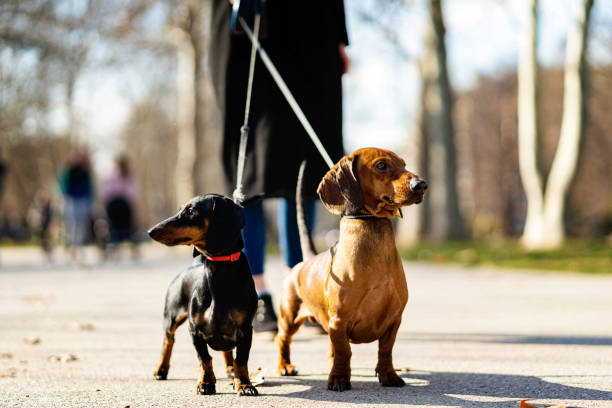
I. Introduction: The Gateway to Canine Adventures
Traveling with your dog should be a joyful experience, not a source of constant anxiety. Whether it’s a short car ride to the vet, a cross-country flight, or an overnight stay in a pet-friendly hotel, the ability to confidently ask your dog to ‘Stay’ is a cornerstone of responsible pet ownership and a prerequisite for stress-free journeys. This isn’t just about obedience; it’s about safety, control, and fostering a deep sense of trust and security in your canine companion amidst unfamiliar and potentially overwhelming environments.
The ‘Stay’ command, often underestimated in its complexity, evolves from a simple static position to a critical behavioral anchor in dynamic, distraction-filled settings. When your dog can calmly ‘Stay’ despite the rumble of an airplane, the ebb and flow of a hotel lobby, or the sudden braking of a car, you unlock a new level of freedom and enjoyment for both of you. This guide will delve into the nuances of advancing this fundamental command, providing a roadmap to achieve rock-solid, travel-ready obedience.
Why ‘Stay’ is Crucial for Travel:
- Safety: Prevents your dog from jumping out of a car, bolting in a busy airport, or running into dangers in unfamiliar hotel rooms.
- Security: Helps your dog feel secure in their designated space (crate, car seat), reducing anxiety.
- Compliance: Essential for navigating public spaces, security checks, and adhering to pet policies.
- Stress Reduction: A calm, obedient dog is a less stressed dog, and a less stressed dog means a less stressed owner.
- Convenience: Makes mundane tasks like checking into a hotel, loading luggage, or waiting for boarding infinitely easier.
- Social Acceptance: A well-behaved, stationary dog is more welcome in pet-friendly establishments.
Setting Realistic Expectations:
Transforming a home-based ‘Stay’ into a travel-proof one is a marathon, not a sprint. It requires patience, consistency, and a deep understanding of your dog’s individual temperament and learning style. There will be setbacks, moments of frustration, and plateaus. Celebrate small victories, adapt your approach, and always prioritize positive reinforcement. The goal isn’t robotic perfection, but a reliable, calm response even amidst change and novelty. Remember, travel environments are inherently more challenging than your living room – they introduce motion, novel sounds, scents, and crowds, all of which act as powerful distractions and potential stressors.
II. Prerequisites: Mastering Basic ‘Stay’ at Home
Before embarking on the advanced journey of travel-ready ‘Stay,’ your dog must have a robust foundation in the command within the comfort and predictability of your home. This foundational training builds the muscle memory, understanding, and positive association necessary to generalize the behavior to more complex scenarios.
Foundation: ‘Stay’ Command Basics:
- Introduce the Command (Short Duration, Close Distance):
- Start with your dog in a ‘Sit’ or ‘Down’ position.
- Say “Stay” clearly and hold your hand up like a stop sign.
- Take one tiny step back, then immediately step back to your dog and reward them (treat, praise) before they move.
- Gradually increase the duration of the ‘Stay’ by seconds, always returning to your dog to reward them.
- If your dog breaks, calmly reset them to their original position and restart. Avoid punishment; simply communicate that the previous attempt didn’t earn a reward.
- Introduce a release word (e.g., “Okay,” “Free”) consistently after the ‘Stay’ is complete and rewarded. This is crucial for defining the end of the command.
- Increasing Duration:
- Once your dog can hold a ‘Stay’ for 5-10 seconds reliably with you right beside them, begin to slowly extend the time.
- Use a timer if needed to track progress. Keep sessions short, fun, and end on a success.
- Increasing Distance:
- After duration is established, start taking more steps away.
- Begin with one step back, then two, gradually moving further across the room.
- Always loop back to your dog to reward and release them. Do not call them to you initially, as this reinforces breaking the ‘Stay’ by moving towards you. The release word should be the cue to move.
- Introducing Mild Distractions:
- Once duration and distance are solid in a quiet room, introduce minor, controlled distractions.
- Walk past your dog, a family member walks by, drop a soft toy, jingle keys briefly.
- Start with very low-level distractions and gradually increase their intensity.
Proofing ‘Stay’ in Various Home Environments:
Proofing is the process of practicing a behavior in different locations, with different distractions, and with different handlers. This helps your dog understand that ‘Stay’ means ‘Stay’ everywhere, not just in the living room.
- Different Rooms: Practice in the kitchen, bedroom, hallway, even the bathroom. Each room has different sights, sounds, and smells.
- Varying Surfaces: Practice on carpet, tile, wood, and even outdoors on grass or pavement in your yard.
- Different Times of Day: Practice during quiet times and during busier periods (e.g., while cooking, during family activities).
- Different Positions: Ensure your dog can ‘Stay’ from both a ‘Sit’ and a ‘Down’ position, as ‘Down-Stay’ is often preferred for longer durations and in confined spaces during travel.
Essential Tools for Foundational Training:
- Leash: A short, lightweight leash (even if not attached to you) can serve as a gentle reminder and a safety net in the early stages, especially when moving away.
- High-Value Treats: These are rewards your dog absolutely loves – small, soft, smelly, and easy to consume quickly. Examples include cooked chicken, cheese, hot dogs. The higher the value, the stronger the motivation.
- Clicker (Optional but Recommended): A clicker acts as a precise marker, signaling the exact moment your dog performs the desired behavior. It enhances communication and speeds up learning. If using a clicker, click as the dog is staying, then follow immediately with a treat.
- Patience and Positive Attitude: Your emotional state directly impacts your dog’s learning. Stay calm, positive, and encouraging.
Building a Strong Relationship and Trust:
Underneath all training is the bedrock of your relationship. A dog that trusts you and perceives you as a consistent, fair leader who provides comfort and security is far more likely to respond reliably to commands. Spend quality time together, engage in play, and ensure your presence is always a positive one. This strong bond will be invaluable when asking your dog to perform commands in stressful or novel travel situations.
III. Understanding the Unique Challenges of Travel Environments
Each travel environment presents its own set of hurdles for a reliable ‘Stay.’ Recognizing these challenges proactively allows you to tailor your training and management strategies effectively.
A. Cars: The Mobile Environment
- Motion Sickness/Anxiety: Some dogs experience genuine motion sickness, leading to nausea and refusal to settle. Others develop anxiety due to the confinement, the unfamiliar movement, or past negative associations (e.g., car rides only to the vet). These physical or emotional discomforts directly impact their ability to ‘Stay.’
- Limited Space: Cars are confined. Dogs must learn to settle in a crate, on a seat with a seatbelt, or in the footwell, accepting the boundaries.
- External Distractions: The world whizzing by outside the window – other cars, trucks, motorcycles, pedestrians, cyclists, dogs, birds, new smells – provides a constant barrage of high-value distractions that can easily break a ‘Stay.’
- Internal Distractions: Passengers moving, music playing, food smells, or even the driver’s movements can be distracting.
- Safety Concerns: Sudden stops, quick turns, and the potential for open windows pose significant safety risks if a dog isn’t securely staying in place.
B. Planes: The Confined & Novel Environment
- Note: Active ‘Stay’ within the cabin is usually not applicable for dogs traveling under the seat, as they are required to remain in their carrier. However, the principles of ‘Stay’ apply heavily to airport navigation and carrier acclimation.
- Confined Space (Carrier, Under Seat): Dogs traveling in the cabin must remain in an airline-approved carrier under the seat for the entire flight. This is the ultimate ‘Stay’ – staying contained and calm in a small, enclosed space for hours.
- Novel Smells/Sounds/People: Airports are sensory overload zones. Loud announcements, baggage claim noises, hundreds of new human and pet scents, bustling crowds – all are incredibly stimulating and potentially frightening.
- Stress of Takeoff/Landing: Changes in cabin pressure, engine noise, and vibrations can be startling and uncomfortable for dogs unfamiliar with it.
- Airport Environment: Long waits at security, gate areas, and during layovers demand a dog who can remain calm, quiet, and ‘Stay’ with their handler or in their carrier amidst chaos. Security checkpoints often require dogs to be removed from their carriers and walked through metal detectors, requiring a brief, reliable ‘Stay’ while the carrier goes through the scanner.
C. Hotels: The Unfamiliar Territory
- Unfamiliar Territory: A new room, new bed, new layout – dogs naturally want to explore and mark. The unfamiliarity can trigger anxiety or over-excitement, making settling difficult.
- New Smells/Sounds: Hallways echo with footsteps, voices, luggage wheels, and doors opening/closing. Adjacent rooms might have barking dogs, crying babies, or loud TVs. These constant stimuli can make quiet relaxation challenging.
- Temptations: Hotel rooms are filled with tempting items: comfy beds, furniture, minibar items, and potentially discarded food or wrappers. Your dog needs to understand that these are off-limits, requiring a strong ‘Stay’ command from designated areas.
- Interactions with Staff: Housekeeping, maintenance, or room service staff entering the room can be a major disruption. Your dog must be able to ‘Stay’ calmly while strangers enter and exit, respecting their space.
- Bathroom Needs: Dogs need to be taught to ‘Stay’ calmly while waiting to go outside, rather than frantically scratching at the door.
IV. Step-by-Step Training for Each Environment
Now, let’s break down the specific training protocols for each unique travel scenario. Remember to always start small, be patient, and prioritize positive reinforcement.
A. Training ‘Stay’ in the Car
The car often represents the first hurdle in travel readiness. Focus on creating a positive association with the vehicle and establishing calm behavior.
- Start Small and Static (Engine Off):
- Acclimation: Begin by simply getting your dog comfortable in the car while it’s parked and off. Load them into their designated travel spot (crate, car seat, footwell).
- Short Stays: Ask for a ‘Sit’ or ‘Down,’ then “Stay.” Reward generously for any duration of calm. Start with just a few seconds.
- Gradual Increase: Slowly increase the duration of independent ‘Stay’ in the static car. Practice leaving the car for a moment (e.g., to get something from the trunk), then returning and rewarding.
- Positive Association: Feed meals in the car, give special chews, or play calm games to build positive associations.
- Gradual Introduction to Movement (Engine On, Short Drives):
- Engine On: Once comfortable in a static car, turn the engine on. Practice ‘Stay’ for a few minutes with the engine idling. Reward calm.
- Short, Positive Drives: Start with very short drives around the block, focusing on calm behavior. Don’t go anywhere stressful (like the vet) initially. Drive to a fun park for a walk, or to a friend’s house.
- Increase Duration: Gradually extend the length of car rides as your dog’s comfort and ‘Stay’ improve.
- Distraction Management:
- Closed Windows: Initially, keep windows mostly closed to minimize external distractions (sights, sounds, smells). As your dog progresses, you can gradually open them slightly.
- Calm Environment: Play soothing music or use audiobooks. Avoid loud, exciting music or too much chatter.
- Ignore Passing Stimuli: Reward heavily for ignoring passing cars, people, or dogs. Use a clicker to mark the exact moment of calm focus on you, despite a distraction.
- Practice ‘Stay’ During Stops:
- Gas Stations/Rest Areas: These are prime opportunities. Practice ‘Stay’ while you pump gas, grab a coffee, or use the restroom (if safe to leave dog in car).
- Drive-Thrus: Your dog should be able to ‘Stay’ calmly while you order and receive food, rather than barking or trying to jump forward.
- Safety First: Proper Restraint:
- Crate: If using a crate, ensure it’s crash-tested and securely anchored. Dogs feel secure in a den, which can aid in ‘Stay.’
- Harness & Seatbelt: If your dog rides on the seat, use a crash-tested safety harness and seatbelt attachment. This prevents roaming and secures them in case of impact.
- Never allow your dog to ride unrestrained or with their head fully out the window. This is incredibly dangerous.
- Addressing Car Sickness/Anxiety:
- Gradual Desensitization: If anxiety is present, follow the static car steps very slowly, building positive associations without pressure.
- Vet Consultation: For motion sickness, your vet can prescribe anti-nausea medication. For significant anxiety, they may recommend anti-anxiety medication or pheromone diffusers/collars. Do not push a dog past their comfort level if they are genuinely ill or terrified.
B. Training ‘Stay’ for Plane Travel (Pre-Flight & Airport)
While in-flight ‘Stay’ usually means staying within a carrier, preparing for the airport environment is crucial.
- Crate Training & Carrier Acclimation:
- Essential: Your dog must view their airline-approved soft-sided carrier as a safe, comfortable den. This is the foundation of in-flight ‘Stay.’
- Home Acclimation: Keep the carrier open in your home. Feed meals inside, throw treats in, encourage napping in it.
- “Kennel Up” Command: Teach a reliable “Kennel Up” or “Crate” command, where your dog happily enters the carrier.
- Gradual Confinement: Start with short periods inside the closed carrier, then increase duration. Practice carrying the carrier with your dog inside for short distances.
- Simulate Environment: Once comfortable, practice with the carrier under a chair or table to mimic the under-seat space. Play airplane sounds softly in the background.
- Simulating Airport Environment:
- Crowds & Noise: Take your dog (in their carrier or on leash, depending on comfort) to busy but dog-friendly public places like malls, outdoor markets, or parks during peak hours. Reward calm behavior.
- Sound Desensitization: Play recordings of airport sounds (announcements, jet engines, baggage claim) at low volumes at home, gradually increasing volume as your dog remains calm and ‘stays.’
- Practice in Public Places (Leashed ‘Stay’):
- Generalized ‘Stay’: Practice your regular ‘Stay’ command in various public settings where distractions are high but controlled. This builds confidence.
- Long-Duration ‘Down-Stay’: Practice a ‘Down-Stay’ for extended periods, as you might experience long waits at the gate.
- Security Checkpoint Drills:
- Handling: Practice having strangers (friends, family) handle your dog gently. Airport security may need to physically touch your dog.
- Brief ‘Stays’ Without Handler: This is critical. At security, you’ll need to remove your dog from their carrier and walk them through the metal detector alongside you, while the empty carrier goes through the X-ray machine. Your dog must be able to ‘Stay’ immediately next to you, even with the distraction of the scanner, without bolting or pulling towards the carrier. Practice this at home by walking your dog past a “mock scanner” (e.g., two chairs) while a “mock carrier” goes through.
- Re-entry: Practice calmly putting your dog back into their carrier immediately after passing through the checkpoint.
- Layover & Gate Area ‘Stays’:
- Calm in Chaos: During layovers or at the gate, your dog needs to stay calmly beside you or quietly within their carrier.
- “Place” Command: A “Place” command (where your dog stays on a mat or blanket) can be invaluable at the gate. Bring a small travel mat and practice “Place-Stay” on it.
- In-Flight (Passive ‘Stay’):
- Reinforcing Calm: Once in the carrier under the seat, your dog’s ‘Stay’ becomes passive. Reward calm, quiet behavior with soft praise or a small, high-value treat through the carrier mesh.
- Chew Toys/Puzzle Toys: Provide a long-lasting chew toy or a food puzzle (appropriately sized for the carrier) to keep them occupied and settled. Make sure it’s something they’re familiar with and won’t cause digestive upset.
C. Training ‘Stay’ in Hotels
The hotel environment requires adaptability and respect for shared spaces.
- Pre-Arrival Preparation:
- Exercise: Before checking in, give your dog a good, long walk or play session to burn off excess energy. A tired dog is a good dog.
- Bathroom Break: Ensure your dog has a thorough bathroom break immediately before entering the hotel.
- Initial Room Exploration (on leash):
- Supervised Sniff-Out: Upon entering the room, keep your dog on a leash. Allow them a brief, supervised sniff-out of the room. This helps them process new scents and understand the layout.
- Designated Spot: Immediately guide them to their designated ‘Place’ (travel bed, crate, or mat).
- Short, Supervised ‘Stays’:
- Handler Visible: Start with short ‘Stay’ commands from their designated spot, with you remaining visible in the room. Reward frequently for settling.
- “Place” Command: Reinforce the “Place” command, where their mat or bed is their specific spot to ‘Stay.’
- Ignoring Temptations: Reward for ignoring the hotel bed or other furniture.
- Increasing Duration & Distance:
- Moving Around: Gradually increase the duration of the ‘Stay’ while you move around the room – unpacking, going to the bathroom, etc.
- Out of Sight: Once solid, practice leaving the room for very short periods (e.g., stepping just outside the door and immediately returning). Use a treat-dispensing camera if you’re concerned. Never leave your dog unattended if they are prone to separation anxiety or destructive behavior.
- Doorway Drills:
- Crucial for Safety: Practice a strong ‘Stay’ when the room door opens and closes. This is vital for housekeeping, room service, or simply preventing escapes.
- “Wait” Command: Combine ‘Stay’ with a “Wait” command at the door threshold.
- Practice with a Helper: Have a family member or friend act as “housekeeping” – knocking, opening the door slightly, and closing it, while you reward your dog for staying put.
- Managing External Noises:
- Desensitization: If hallway noises are an issue, practice short ‘Stays’ while playing recordings of hotel sounds (footsteps, doors closing) at home.
- White Noise: Utilize a white noise machine or fan in the hotel room to mask distracting sounds and aid in relaxation.
- Addressing Resource Guarding/Territoriality:
- If your dog shows signs of guarding their designated bed or the room from people coming in, this needs specialized training from a professional behaviorist before travel. A hotel room is not the place to address guarding issues for the first time.
V. General Tips for Travel-Ready ‘Stay’
These overarching principles will enhance your training efforts across all environments.
- Consistency is Key: Use the same command word, hand signal, and expectations every single time. Everyone in the family should be on the same page.
- High-Value Rewards: In novel or distracting environments, your dog needs a powerful incentive to choose your command over the allure of the surroundings. Use their absolute favorite treats – small, soft, and easily consumed. Sometimes, a favorite toy or quick game of tug can also be a high-value reward.
- Proofing & Generalization: Remember to practice (proof) in as many different environments, with as many different distractions, and with as many different people as possible. This teaches your dog that ‘Stay’ is universal.
- Desensitization to Travel Gear: Help your dog view their crate, harness, and travel accessories positively. Associate them with treats, praise, and fun activities, not just with leaving home.
- Managing Stress & Arousal:
- Exercise: A well-exercised dog is generally a calmer dog. Ensure your dog gets adequate physical and mental stimulation before and during travel.
- Calming Aids: Consider natural calming aids (e.g., Zylkene, Adaptil pheromone products, calming chews) especially for anxious dogs. Consult your vet before using any supplements or medications.
- Routine: Maintain as much of your dog’s home routine as possible (feeding times, potty breaks) while traveling to provide a sense of predictability.
- Emergency Protocols: What happens if the ‘Stay’ breaks down? Have a strong recall command in place. Always keep your dog on a leash in unfamiliar or high-risk areas. If they break ‘Stay,’ calmly redirect them back to the position without punishment, and restart.
- Knowing Your Dog’s Limits: Do not push your dog too hard, too fast. If they are showing signs of stress (panting, yawning, lip licking, tail tucked, trying to escape), take a break, simplify the exercise, or end the session on a positive note. Travel can be exhausting for dogs.
- The Importance of a Strong Recall: A reliable ‘Come’ command is the essential counterpart to ‘Stay.’ If your dog ever breaks a ‘Stay’ in an unsafe situation, a quick recall can prevent disaster.
- Positive Reinforcement Only: Punishment leads to fear, anxiety, and a breakdown of trust, especially in stressful environments. Focus on rewarding desired behaviors.
- Mental Stimulation: Pack a few familiar chew toys, puzzle toys, or frozen KONGs to provide mental enrichment and help your dog settle during long periods of ‘Stay’ or confinement. These can be particularly useful in hotel rooms or carriers.
VI. Common Challenges and Troubleshooting
Even with the best preparation, you might encounter bumps in the road.
- Distraction Overload:
- Solution: Go back to basics. Reduce the level of distraction significantly. Practice in a quieter environment, then very gradually reintroduce distractions one by one. Increase distance from the distraction. Use higher-value treats.
- Anxiety/Fear:
- Solution: Watch for subtle signs of stress. If severe, this may require a combination of desensitization, counter-conditioning, and potentially veterinary-prescribed anti-anxiety medication. Do not force an anxious dog into a situation that overloads them. Seek professional help from a certified dog trainer or veterinary behaviorist.
- Regression:
- Solution: It’s normal for dogs to regress, especially in new environments. Simply go back to an earlier, easier step where they were successful. Practice more frequently, for shorter durations, with higher rewards. Don’t get frustrated; calmly reinforce what they already know.
- Lack of Motivation:
- Solution: Are your rewards high-value enough for the environment? A biscuit might work at home but won’t cut it in a bustling airport. Experiment with different treats. Sometimes, a favorite toy or a quick game can be more motivating than food. Ensure your energy is enthusiastic.
- Over-Excitement:
- Solution: A dog that is too excited often can’t focus. Ensure they are sufficiently exercised before training. Practice calming exercises (e.g., gentle massage, quiet ‘Down-Stays’ at home). Use a calm, steady voice. If they can’t focus, take a break.
VII. Essential Travel Gear for Success
Having the right equipment can make all the difference in ensuring safety and compliance.
- Secure Carrier/Crate: Airline-approved for flights, crash-tested for cars. Ensure it’s comfortable and appropriately sized.
- Comfortable Harness & Leash: For safe walks and control at all times outside the carrier. A hands-free leash can be helpful in airports.
- ID Tags & Microchip: Ensure ID tags are up-to-date with your current cell number and a secondary contact. Microchip registration should also be current. Consider a temporary travel tag with hotel information.
- Travel Bowl & Water: Collapsible bowls are convenient. Access to fresh water is critical.
- High-Value Treats: Always have a supply of your dog’s favorite motivators.
- Calming Aids: Pheromone sprays/collars (Adaptil), calming chews, or a ThunderShirt can help reduce anxiety.
- Favorite Toy/Blanket: A familiar item from home can provide comfort and a sense of security in new environments.
- Cleaning Supplies: Pet-safe wipes, enzymatic cleaner for accidents, and poop bags are a must.
- First Aid Kit: For minor scrapes or ailments. Include any prescription medications your dog needs.
- “Place” Mat/Bed: A small, lightweight mat or bed can instantly create a familiar “place” for your dog to ‘Stay’ in a hotel room or airport.
VIII. Conclusion: The Reward of Stress-Free Travel
Teaching travel-ready ‘Stay’ is one of the most valuable investments you can make in your dog’s obedience training. It transcends a mere command, becoming a testament to your bond, your patience, and your commitment to their well-being. The journey is often challenging, filled with repetitive practice and problem-solving, but the rewards are profound: a calm, confident canine companion who can explore the world by your side without undue stress or danger.
By systematically addressing the unique demands of cars, planes, and hotels, and by consistently applying positive reinforcement, you empower your dog to navigate new experiences with grace. You’ll find yourself able to enjoy vacations, visit family, or embark on new adventures with a peace of mind that was once unattainable.
Remember, continuous learning and adaptation are key. Every new environment, every new trip, offers a chance to refine your dog’s skills and deepen their understanding. Celebrate every small victory, remain patient through setbacks, and cherish the incredible privilege of experiencing the world through your beloved dog’s eyes. Enjoy the freedom and joy that come with truly stress-free travel with your canine companion!
#DogObedience #TravelReadyDog #DogTrainingTips #StayCommand #PetTravel #DogTravel #CanineAdventures #StressFreeTravel #DogFriendly #ObedientDog #CarTraining #PlaneTravelWithDog #HotelDog #DogSafety #PositiveReinforcement #DogLife #TrainingJourney #AdventureDog #HappyTravels #DogVacation #PetParenting #DogBehavior #DogLove #ResponsiblePetOwner






Add comment