
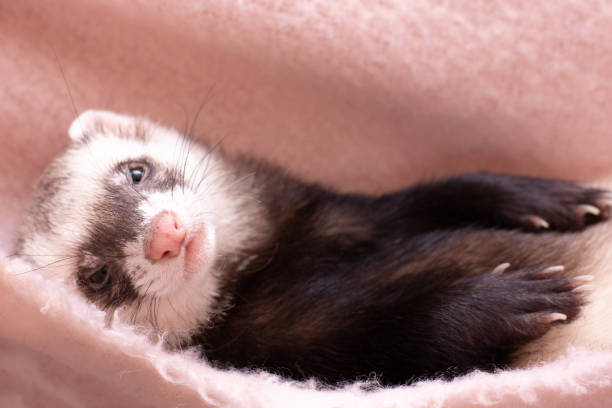
The charm of traveling with your beloved pet often clashes with the practical realities of animal welfare and logistics. When the pet in question is a ferret—a creature known for its deep sleeping habits, heat sensitivity, curiosity, and specific legal status—the journey demands meticulous planning and dedication. This comprehensive guide provides the detailed strategy necessary to ensure the safety, health, and comfort of your ferret, whether embarking on a short weekend road trip or a cross-country relocation.
I. THE ETHICAL AND LOGISTICAL FOUNDATION (The Decision to Travel)
Before packing the first piece of bedding, a critical ethical assessment must be made. Ferrets are creatures of habit and routine. Stress, rapid environmental changes, and temperature fluctuations can severely impact their health.
1. Is the Journey Necessary?
Traveling with a ferret should only be considered if the destination stay is prolonged (more than a week) or if relocation is permanent. For short trips (1-3 days), the stress of travel often outweighs the benefit, and finding a trusted, experienced ferret sitter or boarding facility is preferable.
2. Understanding Ferret Travel Psychology
Ferrets are prone to “kennelosis”—anxiety and stress resulting from being confined to an unfamiliar cage or carrier for extended periods. While they sleep for 75% of the day, their waking hours are crucial for exploration and play. A successful journey manages confinement periods with safe, structured playtime and consistent routines.
II. PRE-TRIP PREPARATION: THE ESSENTIAL CHECKLIST
Preparation begins weeks or even months before departure. This phase covers health clearance, legal compliance, and desensitizing the ferret to the travel environment.
3. Veterinary Clearance and Health Status
A. The Travel Vet Visit (4-6 Weeks Out)
Schedule a full physical examination. This is non-negotiable, particularly for ferrets over three years old (who are prone to adrenal disease and insulinoma).
- Vaccinations: Ensure rabies and canine distemper vaccinations are current. Travel documents, especially state border crossings, may demand proof of vaccination.
- Microchipping: Ensure the ferret is microchipped and the registration information is current. Should the ferret escape, a chip is the best chance of recovery.
- Medication Review: If your ferret is on medication (e.g., for adrenal disease or insulinoma), verify that you have enough supply for the entire trip plus an emergency buffer (10–14 days). Obtain copies of all prescriptions.
- Sedation: Consultation is mandatory. While some vets might suggest mild anxiety medication, sedation is rarely recommended for ferrets, as it suppresses their ability to regulate body temperature and react to environmental changes, increasing the risk of aspiration or heat stroke. Non-medicated behavioral training is preferred.
B. Health Record Portfolio
Create a dedicated travel binder containing:
- Current health certificate (required by some states/transportation methods).
- Vaccination records.
- Recent blood work (if applicable).
- Emergency contacts (home vet, specialized ferret emergency clinic numbers along the route).
4. Legal Compliance and Zoning (The Most Critical Step)
Ferrets are illegal to own in several key U.S. jurisdictions, and merely driving through these areas may constitute an infraction, risking confiscation.
A. Non-Negotiable Prohibited Zones
- California: Ferrets are illegal statewide. Driving through the state, even in transit, carries risk.
- Hawaii: Ferrets are illegal.
- New York City (The Five Boroughs): Ferrets are classified as wild animals and are illegal.
- Other Municipalities: Cities like Washington D.C., parts of Utah (e.g., Salt Lake City), and various remote counties have specific prohibitions.
B. State-by-State Regulations
Verify the legality of ferrets in both your origin and destination states, as well as any states you pass through. Some states require an entry permit or a current Certificate of Veterinary Inspection (CVI) issued within 10 days of travel. Always check the specific agricultural or fish and wildlife department websites for the most current rules.
5. Carrier Acclimation (Desensitization)
The travel carrier must become a safe space, not a punishment chamber. Begin this training at least two weeks out.
- Placement: Place the carrier in the ferret’s familiar habitat, opening the door so they can enter and exit freely.
- Positive Association: Feed high-value treats (ferret oil, meat paste) only inside the carrier.
- Short Rides: Start with very short car rides (5-10 minutes) around the block, followed immediately by positive reinforcement and liberation. Gradually increase the duration while observing for signs of severe distress.
III. THE MOBILE HABITAT: CARRIER SELECTION AND SETUP
The travel carrier is the ferret’s life support system for the journey. It must prioritize safety, security, ventilation, sanitation, and comfort.
6. Selecting the Ideal Carrier
A temporary travel carrier differs significantly from a home cage. It must be robust, easy to clean, and maximize air flow.
- Type: Opt for high-quality, hard plastic carriers (airline/kennel grade) with secure metal grates and reliable locking mechanisms. Soft-sided carriers, while comfortable, are too easily breached by determined ferrets and offer poor protection in an accident.
- Size: The carrier should be large enough to accommodate the ferret, a small litter box, a food bowl, and bedding, allowing the ferret to stretch out fully but not so large that they are tossed around during sudden stops.
- Ventilation: Look for carriers with ventilation on all four sides. Adequate airflow is crucial for preventing heat stress.
- Security: Ensure all doors, access points, and latches are double-secured with zip ties or small carabiners to prevent accidental opening by human error or the ferret themselves.
7. Carrier Furnishings and Interior Setup
A. Bedding and Comfort
Use familiar, washable bedding (old T-shirts, fleece blankets) that smell like home.
- Avoid: Fluffy towels, which can catch toes and nails, or loose nesting materials that shift easily and block vents.
- Hammocks: Small hanging hammocks provide a sense of security and a raised platform away from potential mess, but ensure they are low enough that the ferret cannot fall far if jostled.
B. Litter Provision
Provide a small, confined litter area. A small baking pan or container placed in one corner works well. Use a paper-based or dust-free litter. Never use clay or clumping litters in a moving vehicle, as they pose respiratory and ingestion hazards.
C. Water and Food Delivery
This is a major consideration for road travel:
- Water during Transit: Standard open water bowls will spill immediately. Use a Lixit-style sipper bottle securely fastened to the carrier door.
- Water during Stops: When stopped for 30 minutes or more, offer fresh water in a sturdy, non-tip ceramic crock placed inside the carrier, ensuring they can drink comfortably.
- Food: Dry kibble should be accessible during the journey, especially for ferrets prone to insulinoma who need consistent access to food. If using a bowl, choose a heavy ceramic type that clips securely to the side.
IV. THE ROAD TRIP LOGISTICS: IN-TRANSIT MANAGEMENT
The car environment is inherently stressful. Managing temperature, noise, security, and scheduled stops is the key to a successful journey.
8. Car Safety and Carrier Placement
The carrier must be secured to prevent shifting, overturning, or becoming a projectile in an accident.
- Placement: The rear seat, preferably the floorboard area during short drives, or secured fully in a seat (using a seatbelt threaded through the carrier handle) or secured to the anchor points in the rear cargo area (if using an SUV/hatchback).
- Airbags: Never place the carrier in the front seat or near a functioning airbag.
- Noise and Light: Draping a light blanket over part of the carrier can help reduce visual stimulation and ambient noise, promoting sleep and reducing anxiety.
9. Thermal Management (The Biggest Danger)
Ferrets are susceptible to heatstroke above 80°F (27°C) and cannot sweat. Maintaining optimal temperature (65°F to 75°F) is critical.
- Air Conditioning: The car’s AC must run continuously, even if you feel comfortable. Direct the vents slightly toward the carrier.
- Parking: Never, under any circumstances, leave a ferret alone in a parked car. Temperatures rise exponentially, even on mild days. If you must stop briefly, a co-traveler must remain with the ferret and the AC running.
- Cooling Aids: For extreme climates or long stretches without AC access, use frozen water bottles or cooling packs wrapped in fleece and placed near (not directly touching) the carrier walls to provide radiant cooling.
10. Feeding and Hydration Schedule
While standard feeding times should be maintained, the method of delivery needs adjustment.
- Continuous Kibble: Keep quality kibble available 24/7.
- Hydration Checks: Check the sipper bottle frequently to ensure it is working and that the ferret is drinking. Mild dehydration is easy to miss but quickly causes distress. Adding a few drops of salmon or coconut oil to the water can sometimes encourage drinking.
- Supplements: If the ferret is refusing to eat due to stress, offer high-calorie supplements (Dukes, Carnivore Care, or highly digestible meat baby food) every 4-6 hours.
11. Scheduled Play and Relief Stops
Ferret-safe breaks are mandatory for long journeys (over 6 hours).
- Frequency: Aim for a 30-45 minute break every 4-6 hours.
- Secure Environment: Never allow a ferret outside the car. They are masters of escape and extremely quick.
- The Travel Pen: If you have an SUV or a secure location (like a closed, interior hotel room), set up a small, temporary, secure playpen. If using the car, let the ferret out onto the seats (windows up, doors locked) for a supervised 15-minute exploration period. This allows them to stretch, use the litter box outside the carrier, and interact with you.
- Supervision: Ferrets will explore every nook and cranny. Be vigilant. Check under seats, behind bags, and in console gaps before restarting the journey.
V. ACCOMMODATION AND DESTINATION MANAGEMENT
Arriving at the destination requires immediate establishment of a safe, ferret-proof retreat.
12. Planning Pet-Friendly Stays
A. Hotel Policies
“Pet-friendly” rarely means “ferret-friendly.” Many policies are geared toward dogs and cats.
- Pre-Booking Confirmation: Call the specific hotel location (not the corporate line) and explicitly ask if ferrets are permitted. If they say no, do not try to sneak them in—it risks being evicted and having your pet confiscated.
- Extended Stays: For stays over a week, corporate housing or AirBnB/VRBO properties that allow “caged small animals” are often better options than traditional hotels.
B. Ferret-Proofing the Room
Ferrets are notorious for getting into impossible spaces, chewing wires, and causing damage.
- The Lockdown: Upon arrival, the ferret should remain caged while you inspect the room.
- Vents and Drains: Block all heating/AC vents, access panels, and drain holes (especially in bathrooms) with towels or duct tape.
- Wires: Lift or secure all electrical cords and chargers. Ferret chewing poses an electrocution risk and damages property.
- Furniture: Check under beds and behind heavy furniture for holes in drywall or access to interior mechanisms. If you cannot secure an area, block it off with suitcases or luggage.
13. Establishing Routine at the Destination
To minimize stress, establish the home routine as quickly as possible.
- The Home Cage: If the journey is long, consider packing a disassembled standard home cage to set up at the destination, providing a more spacious and comforting environment than the travel carrier.
- Familiar Smells: Use familiar blankets and toys.
- Quiet Zone: Place the ferret’s cage in a quiet, low-traffic area of the accommodation, away from direct sunlight and drafts.
VI. ADVANCED TRAVEL MODES (When Driving Isn’t an Option)
While the vast majority of ferret travel occurs via private vehicle, other modes present unique and often prohibitive challenges.
14. Air Travel (Extremely Difficult)
Flying with a ferret is challenging, expensive, and often impossible due to strict regulations.
- Domestic U.S. Restrictions: Most major U.S. airlines classify ferrets as “exotic pets” and do not allow them to fly, either in the cabin or as cargo. Exceptions are rare and often require extensive paperwork.
- Cargo/Checked Baggage: Shipping a ferret as cargo is exceptionally stressful, risky, and should be avoided unless absolutely necessary for permanent relocation. The danger of extreme temperature fluctuations in the cargo hold is high.
- International Travel: International travel is virtually impossible, as most countries (including the EU, UK, Australia, and New Zealand) require lengthy quarantine periods, prohibit ferrets entirely, or classify them as rabies vectors, necessitating complex import permits.
15. Train and Bus Travel (Generally Prohibited)
Amtrak and major bus lines (Greyhound) have stringent rules regarding pets, typically only allowing small dogs or cats. Ferrets usually fall under prohibited animals. Attempting to travel undetected is highly unethical and puts the ferret at severe risk if discovered.
VII. EMERGENCY PREPAREDNESS AND SAFETY PROTOCOLS
The journey demands that you be prepared for the worst-case scenario, from minor cuts to life-threatening emergencies.
16. The Ferret First Aid Kit (FFK)
A specialized kit must be in your immediate reach at all times in the car.
| Category | Item | Purpose |
|---|---|---|
| Wounds/Minor Trauma | Styptic powder/corn starch | Stop bleeding (e.g., clipped nail) |
| Betadine solution | Diluted antiseptic wash. | |
| Sterile gauze, vet wrap | Bandaging small cuts/scrapes. | |
| Digestive Upsets | Plain cooked pumpkin puree | For mild diarrhea/constipation (small doses). |
| Pedialyte (unflavored) | Hydration support for illness/heat stress. | |
| Carnivore Care or Duc’s Food | Emergency high-calorie nutritional supplement. | |
| Health Monitoring | Digital thermometer | Rectal temperature reading (must be lubricated). |
| Syringes (Needleless) | Force-feeding or administering liquids. | |
| Emergency | Karo Syrup/Honey | Rub on gums for suspected insulinoma crash. |
| Emergency Vet Contact Sheet | List of 24/7 vets along the route. |
17. Recognizing and Treating Heat Stress
Heatstroke is the most common travel killer for ferrets. Learn the signs and immediate response.
A. Signs of Heat Stress (Early to Severe)
- Extreme lethargy, splayed posture.
- Bright red or blue gums (indicating circulatory distress).
- Excessive panting, open-mouth breathing (a ferret emergency!).
- Profuse drooling or vomiting.
B. Immediate Treatment Protocol
- Lower Temperature: Move the ferret immediately to the coolest possible spot (AC vent).
- Mist and Cool: Mist the ferret’s body lightly with cool (not ice cold) water. Focus cooling efforts on the paws and tail.
- Hydration: Offer a tiny amount of cool water or Pedialyte via syringe.
- Emergency Vet: If symptoms do not resolve within 5 minutes, seek immediate veterinary attention. Rapid cooling is crucial to prevent organ failure.
18. The Lost Ferret Protocol
If a ferret escapes, time is of the essence.
- Indoor Escapes (Hotel/Room):
- Lock down all exit doors.
- Place their favorite toys, litter box, and familiar bedding near the escape point.
- Ferret vision is poor; they rely on smell. Place a small plate of favorite food and strong-smelling ferret oil near the escape point.
- Search low, dark spaces (behind the fridge, inside box springs, under dressers).
- Outdoor Escapes (Severe):
- Ferrets rarely travel far from the escape point initially, often hiding in the nearest deep, secure space (under a car, in a shallow burrow, dense shrubbery).
- Place the entire cage/litter box outside to provide familiar scents.
- Search immediately. The window for recovery is extremely small, especially in high-traffic or predator-heavy areas.
VIII. POST-JOURNEY CARE AND RE-ACCLIMATION
The final phase involves helping the ferret decompress and ensuring they incurred no illness or injury during the transition.
19. Decompression and Observation (The 48-Hour Rule)
Upon arrival and placement in the destination cage, give the ferret time to rest.
- Rest: Allow 24 hours of quiet rest with minimal handling. The ferret will likely sleep excessively.
- Hydration Check: Monitor litter box output and water intake closely. Stress often causes reduced appetite and dehydration.
- Weight Check: If possible, weigh the ferret before the trip and again 48 hours after arrival. Significant weight loss warrants a vet check.
20. Re-establishing Routine
Revert immediately to the standard feeding and sleep schedule. Offer familiar playtimes and human interaction to reinforce security.
21. Returning Home
If the travel was temporary, the return journey must be treated with the same meticulous planning. Upon returning home, observe the ferret for signs of “post-travel depression” or illness (e.g., lethargy, diarrhea, reduced appetite) for at least five days.
IX. CONCLUSION: THE RESPONSIBILITY OF THE TRAVELING FERRET OWNER
Traveling with a ferret is a rewarding but demanding undertaking that requires significant vigilance. Unlike dogs or cats, ferrets are fragile travelers highly susceptible to heat, stress, and specific illness. By prioritizing legal due diligence, perfecting thermal management, securing the travel habitat, and maintaining a state of continuous emergency preparedness, you can minimize risk and manage the stress of the journey, ensuring your fuzzy companion remains safe and healthy, no matter how long the road ahead.
#FerretTravel, #FerretsOnTheRoad, #MustelidAdventures, #FerretsOfInstagram, #RoadTripPets, #PetTravelTips, #FerretSafety, #TravelGuide, #DookDookAdventures, #FuzzyTraveler, #ExoticPetTravel, #FerretTips




Add comment