
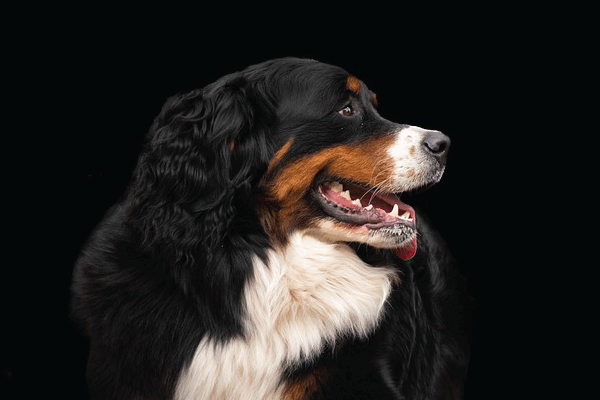
Trichomoniasis in dogs, specifically caused by the protozoan parasite Pentatrichomonas hominis, is a condition that warrants attention from dog owners and veterinary professionals alike. While this parasite is often encountered as a commensal (meaning it lives harmlessly within the host) in the canine gastrointestinal tract, under certain circumstances, it can proliferate and lead to significant clinical signs, primarily chronic diarrhea and associated gastrointestinal distress. Understanding the nuances of this infection, from its causes and symptoms to diagnosis, treatment, and prevention, is crucial for maintaining the health and well-being of dogs. This guide delves deeply into every aspect of Pentatrichomonas hominis infection in dogs, providing an elaborate and detailed resource for concerned pet owners and veterinary enthusiasts.
Introduction to Trichomoniasis in Dogs
Trichomoniasis refers to any infection caused by flagellated protozoa belonging to the Trichomonadidae family. In veterinary medicine, the term most commonly brings to mind Tritrichomonas foetus, a significant pathogen causing venereal disease in cattle and severe chronic diarrhea in cats (feline trichomoniasis). However, in dogs, the primary species of concern, when trichomonads cause disease, is Pentatrichomonas hominis.
Pentatrichomonas hominis is a pear-shaped, flagellated protozoan that typically inhabits the large intestine of various mammals, including dogs, cats, primates, and humans. Unlike some other intestinal parasites that have a resistant cyst stage, P. hominis exists only in the trophozoite stage – a motile, fragile form that does not survive long outside the host. This characteristic directly impacts its transmission and diagnostic challenges.
Historically, P. hominis was often considered a harmless inhabitant of the canine gut microbiome. However, accumulating clinical evidence, particularly in cases of chronic, unresponsive diarrhea, suggests that it can be an opportunistic pathogen. It often acts as a primary pathogen in young or immunocompromised dogs, or it can exacerbate gastrointestinal issues triggered by other factors such as stress, concurrent infections, or dietary indiscretion. The presence of P. hominis trophozoites in a dog’s stool, especially when accompanied by clinical signs, warrants a thorough investigation and often, targeted treatment.
The pathogenicity of P. hominis is thought to stem from its ability to colonize the intestinal mucosa, leading to inflammation, irritation, and disruption of normal gut function. This can result in malabsorption, increased gut motility, and the classic symptom complex of diarrhea. Distinguishing P. hominis from other potential causes of canine gastroenteritis is a key step in providing appropriate and effective care.
Causes of Pentatrichomonas hominis Infection in Dogs
The primary route of infection with Pentatrichomonas hominis in dogs is through the fecal-oral route. This means that a dog becomes infected by ingesting the trophozoites of the parasite present in the feces of an infected animal or in contaminated environmental sources. Since P. hominis does not form a resistant cyst, direct and relatively rapid transmission is required, as the trophozoites quickly perish outside the host.
Here’s a detailed breakdown of the causes and risk factors:
- Ingestion of Contaminated Feces: This is the most direct and common method. Dogs, especially puppies, are naturally curious and may sniff, lick, or even consume small amounts of feces from other animals. This behavior, known as coprophagia, significantly increases the risk of infection.
- Contaminated Environment: The trophozoites, while fragile, can survive for short periods in moist, fecal-laden environments. Dogs can become infected by:
- Drinking contaminated water: Shared water bowls in public places (dog parks, boarding facilities), puddles, or outdoor water sources soiled with infected feces.
- Eating contaminated food: Food left on the ground or in bowls that have come into contact with infected feces.
- Licking contaminated surfaces: Floors, bedding, toys, or grooming tools that harbor the parasite.
- Direct Contact with Infected Dogs: In multi-dog households, kennels, shelters, or dog parks, close contact can facilitate transmission. A dog might lick another dog that has fecal residue on its fur, or groom itself after lying in an area where an infected dog has defecated.
- Poor Hygiene and Sanitation:
- Crowded living conditions: Shelters, breeding facilities, and boarding kennels often have a higher incidence of parasitic infections due to increased population density and the challenges of maintaining strict hygiene protocols. The stress in these environments can also lower a dog’s immune response, making them more susceptible to clinical disease.
- Inadequate waste removal: If feces are not promptly and thoroughly removed from living areas, the risk of environmental contamination and subsequent infection increases dramatically.
- Infrequent cleaning and disinfection: Lack of routine cleaning of food bowls, water bowls, bedding, toys, and floors allows potential pathogens to persist.
- Immune Status of the Dog:
- Puppies: Are highly susceptible due to their underdeveloped immune systems. They are also more prone to stress (weaning, new home) which can further compromise their immunity.
- Immunocompromised dogs: Dogs suffering from other illnesses (e.g., viral infections like parvovirus, distemper, or canine influenza) or those on immunosuppressive medications (e.g., corticosteroids for allergies or autoimmune diseases) are more vulnerable to symptomatic infection.
- Stress: Physical and psychological stress can weaken the immune system, making a dog more prone to developing clinical signs from P. hominis that might otherwise remain asymptomatic.
- Concurrent Infections: The presence of other gastrointestinal parasites (e.g., Giardia, Coccidia, roundworms, hookworms) or bacterial/viral enteric pathogens can damage the intestinal lining, making it more hospitable for P. hominis to proliferate and cause disease.
- Life Cycle of P. hominis (Simplified): The life cycle is direct, meaning there is no intermediate host. Dogs ingest the trophozoite stage. These trophozoites then colonize the large intestine, where they reproduce by binary fission. They are then shed in the feces, ready to infect another host. Crucially, the absence of a cyst stage means that environmental survival is limited, emphasizing the importance of fresh fecal contamination for transmission.
Understanding these causes is fundamental to implementing effective prevention and management strategies for Pentatrichomonas hominis infection in dogs.
Signs and Symptoms of Pentatrichomonas hominis Infection
The clinical presentation of Pentatrichomonas hominis infection in dogs can vary significantly, ranging from completely asymptomatic carriers to severe, debilitating chronic diarrhea. The severity often depends on factors such as the dog’s age, immune status, concurrent health issues, and the parasite load. When symptoms do occur, they are primarily related to gastrointestinal distress.
Here are the common signs and symptoms:
- Diarrhea (The Hallmark Symptom):
- Chronic and Intermittent: This is a defining characteristic. The diarrhea may persist for weeks to months, often waxing and waning in severity. It might improve for a few days, only to relapse again.
- Consistency: Typically soft, mucoid, or watery. It can range from soft, unformed stools to explosive, liquid diarrhea.
- Mucus: Visible streaks, globs, or a gelatinous coating of mucus in the stool are very common, indicating colonic inflammation.
- Blood: Fresh, bright red blood (hematochezia) may be present, especially in severe cases, indicating irritation and damage to the lower intestinal lining (colitis). Dark, tarry stools (melena) are less common but would suggest bleeding higher up in the digestive tract.
- Volume and Frequency: Diarrhea often involves increased frequency of defecation, sometimes with small volumes of stool at each attempt, which is characteristic of large bowel diarrhea.
- Smell: Stools may have an unusually foul odor.
- Tenesmus (Straining to Defecate):
- Dogs with P. hominis infection, particularly those with colitis, often exhibit significant straining during and after defecation, even when little to no stool is produced. This indicates discomfort and inflammation in the colon and rectum.
- The straining can be misinterpreted as constipation by owners, but the dog is actually trying to pass stool or relieve discomfort associated with colonic irritation.
- Weight Loss/Poor Body Condition:
- Despite maintaining a good appetite, affected dogs, especially puppies and those with chronic diarrhea, may fail to gain weight or may lose weight due to malabsorption of nutrients and chronic inflammation.
- This can lead to a dull, poor quality coat, and a generally unthrifty appearance. In puppies, it can result in stunted growth (“failure to thrive”).
- Flatulence (Gas):
- Increased gas production is common due to altered gut flora and fermentation processes in the inflamed intestine.
- Abdominal Discomfort/Pain:
- Dogs may show signs of abdominal discomfort, such as a hunched posture, sensitivity to touch around the abdomen, or reluctance to play or move.
- Gurgling sounds (borborygmi) from the abdomen may also be noticeable.
- Lethargy and Decreased Activity:
- Chronic illness, dehydration, and nutrient deficiencies can cause a dog to feel generally unwell, leading to reduced energy levels, decreased playfulness, and increased sleeping.
- Dehydration:
- In severe or prolonged cases of watery diarrhea, especially in puppies, dehydration can become a serious concern. Signs include sunken eyes, lethargy, dry gums, and reduced skin elasticity.
- Vomiting (Less Common):
- While diarrhea is the primary symptom, some dogs, particularly those with severe gastrointestinal inflammation, may also experience intermittent vomiting. This could be a secondary symptom or indicate more generalized GI upset.
Distinguishing P. hominis Symptoms from Other Conditions:
It’s crucial to note that many of these symptoms are non-specific and can be caused by a wide range of other gastrointestinal conditions, including:
- Other Parasites: Giardia, Coccidia, roundworms, hookworms, whipworms.
- Bacterial Infections: Clostridium perfringens, Campylobacter, Salmonella.
- Viral Infections: Canine parvovirus, distemper.
- Inflammatory Bowel Disease (IBD): A chronic idiopathic inflammatory condition.
- Food Sensitivities/Allergies: Adverse reactions to dietary components.
- Exocrine Pancreatic Insufficiency (EPI): Inability to digest food properly.
- Dietary Indiscretion: Eating something inappropriate.
- Stress Colitis: Diarrhea triggered by stress.
Because of this overlap, accurate diagnosis is paramount to ensure the correct and most effective treatment is administered. If a dog exhibits chronic or severe diarrhea, veterinary attention is immediately warranted.
Dog Breeds at Risk (with an explanation)
Unlike certain genetic conditions or specific diseases that show clear breed predispositions, Pentatrichomonas hominis infection is not typically linked to a dog’s breed based on inherent genetic susceptibility. The risk of developing symptomatic trichomoniasis from P. hominis is far more strongly correlated with environmental factors, immune status, and the dog’s age rather than its breed.
However, certain breeds might be overrepresented in populations experiencing P. hominis infections due to their common living situations, their general predispositions to gastrointestinal sensitivities, or their lifestyle. It’s important to understand that this is not due to a breed-specific genetic weakness against P. hominis, but rather circumstantial factors:
- Breeds in Crowded or High-Turnover Environments:
- Explanation: Any dog breed commonly found in rescue shelters, humane societies, multi-dog households, boarding kennels, or breeding facilities (e.g., puppy mills) faces a significantly elevated risk. This includes a wide array of breeds such as Mixed Breeds, Labrador Retrievers, Pit Bull-type dogs, German Shepherds, Beagles, and many smaller companion breeds. In these settings, high population density, shared living spaces, increased stress levels, and the inherent challenges of maintaining stringent hygiene protocols create ideal conditions for the fecal-oral transmission of P. hominis. Stress alone can suppress a dog’s immune system, making them more vulnerable to clinical disease from an opportunistic pathogen like P. hominis. Newly adopted or purchased puppies from such environments are particularly vulnerable and often arrive with a compromised immune system, making them more susceptible to developing symptomatic illness.
- Breeds Prone to Gastrointestinal Sensitivities or Inflammatory Bowel Disease (IBD):
- Explanation: While not a direct risk for acquiring P. hominis, certain breeds are known to have more delicate digestive systems or a higher predisposition to chronic gastrointestinal conditions like Inflammatory Bowel Disease (IBD). These include German Shepherds, Boxers, French Bulldogs, Basenjis, and Soft Coated Wheaten Terriers. In such breeds, the presence of P. hominis, even as an opportunistic pathogen, might trigger more severe or prolonged symptoms compared to a dog with a robust digestive system. The underlying chronic inflammation or immune dysregulation in these breeds could create a more hospitable environment for P. hominis to cause clinical disease, or it could simply mean that when these dogs present with chronic diarrhea, P. hominis is more likely to be identified as a contributing factor during a comprehensive diagnostic workup for their GI issues.
- Young Dogs of Any Breed:
- Explanation: Puppies, regardless of breed, are the most susceptible demographic to developing severe clinical signs from P. hominis. Their immune systems are still developing, making them less capable of effectively fighting off infections. Furthermore, puppies often experience various stressors during their early life, such as weaning, separation from littermates, traveling to a new home, and vaccinations, all of which can temporarily suppress their immune function and make them more vulnerable to opportunistic pathogens.
- Working Breeds and Active Dogs:
- Explanation: Breeds that spend a significant amount of time outdoors, such as many hunting breeds (e.g., Pointers, Setters, Retrievers), herding breeds (e.g., Border Collies, Australian Shepherds), or sporting breeds, may have a slightly increased exposure risk simply due to greater contact with varied environments, potentially contaminated soil, and communal water sources where infected feces might be present. This is not a genetic predisposition but rather a lifestyle-related exposure factor.
In summary, while there isn’t a specific breed that is inherently more “at risk” of P. hominis infection due to genetics, breeds or individual dogs frequently subjected to crowded living conditions, high-stress environments, or those with pre-existing gastrointestinal sensitivities may exhibit a higher incidence of symptomatic P. hominis infection than the general dog population. Good hygiene and management practices are universally crucial for all breeds to minimize risk.
Affects Puppy, Adult, or Older Dogs
Pentatrichomonas hominis can potentially infect dogs of any age, but the clinical manifestation and severity of the disease are strongly influenced by the dog’s age and corresponding immune status.
- Puppies (Most Susceptible to Severe Disease):
- Highest Risk Group: Puppies are by far the most vulnerable to developing symptomatic and severe P. hominis infection.
- Immature Immune System: Their immune systems are still developing and are not yet fully equipped to mount a robust defense against pathogens. This makes them less capable of suppressing the proliferation of P. hominis.
- Stress Factors: Puppies often face numerous stressors during their early life, including weaning, separation from their mother and littermates, transportation to a new home, dietary changes, and vaccination schedules. These stressors can significantly suppress their already fragile immune systems, making them highly susceptible to opportunistic infections like P. hominis.
- Clinical Signs: When puppies get infected, they are more likely to exhibit severe, persistent, and watery diarrhea, mucus and blood in the stool, significant weight loss, poor growth (“failure to thrive”), lethargy, and dehydration. Dehydration in young puppies can rapidly become life-threatening.
- Environmental Exposure: Puppies from crowded environments like shelters, kennels, or breeding facilities are at an even higher risk due to increased exposure to contaminated feces and potential co-infections.
- Adult Dogs (Asymptomatic Carriers to Chronic Disease):
- Variable Presentation: Healthy adult dogs with a robust immune system can often carry P. hominis asymptomatically, meaning they are infected but show no clinical signs. They can, however, shed the parasite and serve as a source of infection for other dogs, particularly puppies.
- Symptomatic Infection: Adult dogs can develop clinical signs, usually chronic or intermittent diarrhea, especially if they experience:
- Stress: Changes in environment, new additions to the household, or other stressful events.
- Concurrent Illnesses: Other infections (viral, bacterial, parasitic), systemic diseases, or conditions like Inflammatory Bowel Disease (IBD) can compromise the gut’s integrity and immune response, allowing P. hominis to cause disease.
- Immunosuppression: Treatment with corticosteroids or other immunosuppressive drugs can increase susceptibility.
- Dietary Changes/Indiscretion: Sudden changes in diet or eating something unsuitable can disrupt the gut microbiome and allow P. hominis to proliferate.
- Nature of Symptoms: Symptoms in adults tend to be less severe than in puppies but can still be debilitatingly chronic, leading to weight loss, poor coat quality, and a reduced quality of life.
- Older Dogs (Increased Vulnerability with Age):
- Immune Senescence: As dogs age, their immune systems can undergo a process called immune senescence, where their ability to respond effectively to pathogens diminishes. This makes older dogs potentially more vulnerable to developing symptomatic P. hominis infection or experiencing a recurrence of symptoms.
- Concurrent Health Issues: Older dogs are also more likely to have other underlying health conditions (e.g., kidney disease, heart disease, Cushing’s disease, cancer) that can compromise their overall immune function or digestive health, making them more susceptible to the clinical effects of P. hominis.
- Medication Effects: Many older dogs are on multiple medications, some of which might have immunosuppressive side effects or affect gut motility and flora, potentially exacerbating P. hominis infection.
- Clinical Signs: When infected, older dogs may exhibit similar symptoms to adult dogs, but their recovery might be slower, and they might be at higher risk for complications like severe dehydration or exacerbation of existing chronic conditions.
In summary, while P. hominis can be found in dogs of all ages, puppies and immunocompromised individuals (regardless of age, but often seen in the very young or very old) are at the highest risk for developing significant clinical disease. Healthy adult dogs are more likely to be asymptomatic carriers.
Diagnosis of Pentatrichomonas hominis Infection
Diagnosing Pentatrichomonas hominis infection can be challenging because its symptoms are non-specific and overlap with many other gastrointestinal diseases. Furthermore, the parasite’s characteristics (fragile trophozoite stage, intermittent shedding) can make detection difficult. A thorough diagnostic approach typically involves a combination of clinical suspicion and specific laboratory tests.
- Clinical History and Physical Examination:
- History: The veterinarian will gather information about the dog’s symptoms (onset, duration, frequency, consistency, presence of mucus/blood), living environment (shelter, multi-dog household), travel history, diet, vaccination status, and any previous treatments. Chronic, intermittent large bowel diarrhea unresponsive to standard deworming or empirical antibiotic therapy often raises suspicion.
- Physical Exam: Assess the dog’s overall condition, hydration status, abdominal pain, and body weight.
- Fecal Examination (Microscopic):
- Direct Wet Mount: This is the most common and often effective initial diagnostic method for identifying P. hominis.
- Method: A very fresh, warm (ideally less than 15-30 minutes old) fecal sample (or a rectal swab) is mixed with a drop of saline solution on a microscope slide and examined immediately under a coverslip. The sample should not be refrigerated, as this kills the trophozoites.
- What to Look For: The veterinarian looks for characteristic pear-shaped trophozoites exhibiting a rapid, jerky, tumbling, or progressive “darting” motility. Distinguishing P. hominis from other motile organisms like Giardia trophozoites (which have a more “falling leaf” motion and different morphology) or even non-pathogenic free-living flagellates and yeasts requires an experienced microscopist. The internal structures, although difficult to see without staining, can also aid in identification (e.g., undulating membrane, flagella).
- Limitations:
- Intermittent Shedding: The parasite may not be present in every stool sample. Multiple samples collected over 1-3 consecutive days may be needed to increase the chances of detection.
- Sample Freshness: Trophozoites are highly fragile and die rapidly outside the host, making strict adherence to sample freshness critical.
- Operator Dependence: Requires a skilled and patient microscopist.
- Fecal Flotation: This technique is commonly used for other intestinal parasites (worms, Giardia cysts, Coccidia oocysts), but it is generally not useful for detecting P. hominis. The trophozoite stage does not float well in standard flotation solutions and is often destroyed during the process. However, a flotation may still be performed to rule out other common parasites.
- Fecal Cytology (Stained Smear): A small amount of feces can be smeared, air-dried, and stained (e.g., with Giemsa or Diff-Quik). This allows for morphological identification of trophozoites, but it prevents observation of motility and can be less definitive than a fresh wet mount.
- Direct Wet Mount: This is the most common and often effective initial diagnostic method for identifying P. hominis.
- PCR (Polymerase Chain Reaction) Testing:
- Gold Standard: PCR is considered the most sensitive and specific diagnostic method for P. hominis and is highly recommended, especially in cases where direct smears are negative but clinical suspicion remains high.
- Method: This test detects the DNA of the parasite in fecal samples. It can differentiate P. hominis from other trichomonad species (like Tritrichomonas foetus) and other flagellates.
- Advantages:
- High Sensitivity: Can detect even small numbers of parasites.
- High Specificity: Minimizes false positives by identifying the exact species.
- Doesn’t Require Live Organisms: The sample does not need to be as fresh as for a direct wet mount, as it detects DNA, not live trophozoites. Samples can be sent to a diagnostic laboratory.
- Differentiation: Crucial for distinguishing P. hominis from T. foetus, as treatment protocols and zoonotic implications may differ.
- Limitations: More expensive and takes longer to get results compared to in-house fecal wet mounts. A positive PCR only indicates the presence of the parasite, and correlation with clinical signs is still important, especially since P. hominis can be found in asymptomatic carriers.
- Fecal Culture:
- Culture for P. hominis is possible but is primarily a research tool and not routinely done in most veterinary diagnostic laboratories.
- Biopsy/Histopathology:
- Intestinal biopsies (obtained via endoscopy or surgery) are rarely performed solely for the diagnosis of P. hominis. However, if a dog is undergoing an intestinal biopsy for chronic inflammatory bowel disease, the trophozoites might be observed on histopathological examination of the tissue.
Given the challenges, a veterinarian may initiate empirical treatment if P. hominis is strongly suspected based on history and ruling out other common causes, particularly if PCR is not immediately available or affordable. However, a definitive diagnosis with PCR or careful microscopy is always preferred to guide targeted therapy.
Treatment of Pentatrichomonas hominis Infection
The treatment of Pentatrichomonas hominis infection in dogs aims to eliminate the parasite, alleviate clinical signs, improve gastrointestinal health, and prevent recurrence. The approach typically involves antimicrobial medications, supportive care, and strict environmental hygiene.
- Antimicrobial Medications (Nitroimidazoles): The primary class of drugs used to treat trichomoniasis is the nitroimidazoles. It’s important to note that P. hominis can be challenging to eradicate completely, and some cases may require extended or repeated courses of treatment.
- Metronidazole:
- Common Use: This is often the first-line and most commonly used medication for suspected P. hominis infections and other protozoal diseases (like Giardia) in dogs due to its availability and relatively low cost. It has antibacterial and antiprotozoal properties.
- Dosage and Duration: Typically prescribed at 15-25 mg/kg orally, twice daily, for 5-10 days. However, some resistant or chronic cases may require longer courses.
- Effectiveness: While effective against many anaerobic bacteria and some protozoa, its efficacy against P. hominis specifically can be variable. Some cases respond well, while others show only partial or temporary improvement, or no response at all.
- Side Effects: Gastrointestinal upset (vomiting, anorexia, diarrhea) is possible. More concerning are neurological side effects, especially with higher doses or prolonged use, which can include ataxia (wobbliness), nystagmus (involuntary eye movements), seizures, and weakness. These signs usually resolve with discontinuation of the drug.
- Caution: Should be avoided or used with extreme caution in pregnant or nursing dogs.
- Ronidazole:
- Primary Use: Ronidazole is highly effective against Tritrichomonas foetus in cats, where metronidazole often fails. Due to the structural similarities between T. foetus and P. hominis, ronidazole is sometimes used off-label for P. hominis infections in dogs, particularly in cases unresponsive to metronidazole.
- Dosage and Duration: The dosage for dogs is less well-established than for cats and should be strictly guided by a veterinarian. Typical doses range from 10-30 mg/kg orally once daily, often for 7-14 days.
- Effectiveness: May be more effective than metronidazole in some resistant cases.
- Side Effects: Ronidazole has a narrower safety margin than metronidazole, especially in dogs. Neurological toxicity is a significant concern, particularly at higher doses or in some breeds (e.g., sighthounds, due to potential genetic predispositions to drug sensitivities). Signs can include tremors, seizures, ataxia, and severe lethargy.
- Compounding: Ronidazole is not typically available in commercial veterinary formulations for dogs and often needs to be compounded by a specialized pharmacy, which requires careful dose calculation and weighing.
- Strict Veterinary Supervision: Its use in dogs should only be under strict veterinary guidance, with careful monitoring for side effects.
- Other Nitroimidazoles (e.g., Tinidazole, Secnidazole, Ipronidazole):
- These drugs are similar to metronidazole and ronidazole but are less commonly used or studied for canine P. hominis. They might be considered in specific, resistant cases under specialized veterinary guidance, with similar concerns regarding potential side effects.
- Metronidazole:
- Supportive Care:
- Fluid Therapy: For dehydrated dogs, especially puppies with severe watery diarrhea, intravenous or subcutaneous fluid administration is critical to correct fluid and electrolyte imbalances.
- Dietary Management:
- Bland, Highly Digestible Diet: During the acute phase, feeding a bland, easily digestible diet (e.g., boiled chicken and white rice, lean ground turkey, or a commercial prescription gastrointestinal diet) can help soothe the irritated gut and reduce diarrheal episodes.
- Small, Frequent Meals: To avoid overwhelming the digestive system.
- Transition Slowly: Once symptoms improve, transition back to the dog’s regular diet gradually.
- Probiotics: Supplementation with veterinary-specific probiotics can help restore a healthy balance of gut microflora, which may have been disrupted by the infection and medication. Probiotics can aid in gut healing and immune support.
- Anti-Diarrheal Medications: Your veterinarian may prescribe symptomatic anti-diarrheal agents (e.g., kaolin-pectin, bismuth subsalicylate, loperamide) to help reduce the frequency and urgency of defecation. These should be used cautiously and only under veterinary guidance, as they can sometimes mask symptoms or interfere with the body’s ability to clear pathogens.
- Environmental Decontamination and Hygiene:
- Crucial for Prevention of Re-infection: Since P. hominis is transmitted fecal-orally, rigorous hygiene is paramount.
- Prompt Fecal Removal: Immediately remove and dispose of all feces from the dog’s living area and yard.
- Cleaning and Disinfection: Thoroughly clean and disinfect all food and water bowls, bedding, toys, crates, and floors daily.
- Bleach Solution: A 1:32 dilution of household bleach (½ cup bleach per gallon of water) is effective after organic matter has been removed. Allow a 5-10 minute contact time.
- Steam Cleaning: High-heat steam cleaning can also be effective.
- Quaternary Ammonium Compounds: Some veterinary disinfectants contain these and are also effective.
- Grooming: Bathe the dog, especially around the perineal area, to remove any fecal residue and prevent re-ingestion or spread.
- Separate Animals: In multi-dog households, consider temporarily isolating the infected dog to prevent transmission to others, especially puppies.
- Monitoring and Follow-up:
- Clinical Improvement: Monitor the dog for improvement in diarrhea and overall well-being.
- Repeat Fecal Testing: After completing the course of medication, a follow-up fecal PCR test (or multiple direct wet mounts) is often recommended 1-2 weeks later to confirm eradication or to ensure the parasite load has significantly decreased. This is especially important for persistent or recurring cases.
Addressing any underlying health conditions, such as concurrent parasitic infections, bacterial overgrowth, or inflammatory bowel disease, is also crucial for successful long-term management and resolution of clinical signs.
Prognosis & Complications of Pentatrichomonas hominis Infection
The prognosis for dogs infected with Pentatrichomonas hominis varies depending on several factors, including the dog’s age, immune status, the severity of clinical signs, the presence of concurrent diseases, and the timeliness and appropriateness of treatment.
Prognosis:
- Generally Good for Healthy Adults: For otherwise healthy adult dogs with good immune systems, the prognosis is generally good with appropriate treatment and diligent environmental hygiene. Many adult dogs can clear the infection or manage it asymptomatically.
- Guarded for Puppies and Immunocompromised Dogs: The prognosis can be more guarded for young puppies, very old dogs, or dogs with compromised immune systems. These individuals are more prone to severe disease, dehydration, and complications, and may require more intensive supportive care.
- Variable for Chronic Cases: For dogs that develop chronic, recurring diarrhea, the prognosis for complete and permanent resolution can be fair to good, but it often requires persistent diagnostic efforts to rule out other causes, repeated treatments, and strict long-term management.
Complications:
While P. hominis is generally considered less pathogenic than some other intestinal parasites, if left untreated or in severe cases, it can lead to several complications:
- Chronic Enteritis/Colitis: Persistent inflammation of the small and/or large intestine. This can lead to ongoing discomfort, pain, and a reduced quality of life for the dog. The chronic inflammation can damage the intestinal lining over time.
- Malabsorption and Malnutrition: Prolonged diarrhea and intestinal inflammation interfere with the proper digestion and absorption of nutrients. This can result in:
- Weight Loss: Despite a good appetite, dogs may lose significant weight.
- Poor Growth: In puppies, this can lead to “failure to thrive” and stunted development.
- Poor Coat Condition: A dull, dry, or brittle coat is often a sign of nutrient deficiencies.
- Muscle Wasting: Loss of muscle mass due to protein malabsorption.
- Dehydration and Electrolyte Imbalance: Severe or prolonged watery diarrhea can lead to significant fluid loss, particularly in puppies. Dehydration can quickly become life-threatening, causing weakness, lethargy, sunken eyes, and potentially affecting organ function. Electrolyte imbalances (e.g., low potassium or sodium) can further complicate the dog’s condition.
- Failure to Thrive (in Puppies): This describes a condition where puppies grow poorly, are stunted, and generally appear unwell, often due to chronic illness and malnutrition.
- Secondary Bacterial Infections: The damaged intestinal lining, compromised by chronic inflammation from P. hominis, becomes more susceptible to colonization by opportunistic or pathogenic bacteria. This can worsen the diarrhea and make treatment more complex.
- Drug Resistance/Treatment Failure: Some strains of P. hominis may show resistance to commonly used medications like metronidazole, leading to persistent infection and clinical signs despite treatment. This necessitates exploring alternative medications (like ronidazole) or combination therapies, which may carry their own risks and side effects.
- Impact on Quality of Life: Chronic diarrhea is distressing for both the dog and the owner. It can lead to house-soiling accidents, constant cleaning, limited social interaction for the dog, and significant stress and financial burden for the owner.
- Immunosuppression: Chronic parasitic infections can place a strain on the immune system, potentially making the dog more susceptible to other infections.
Early diagnosis, appropriate treatment, and stringent environmental hygiene are crucial to minimize the risk of these complications and ensure the best possible prognosis for dogs affected by Pentatrichomonas hominis. Regular follow-up with a veterinarian is recommended, especially for cases that are slow to resolve or recur.
Prevention of Pentatrichomonas hominis Infection
Preventing Pentatrichomonas hominis infection, and thus the associated diarrhea and complications, centers primarily on strict hygiene, environmental control, and managing factors that compromise a dog’s immune system. Since the transmission is fecal-oral and the trophozoites are fragile, interrupting the contamination cycle is key.
- Excellent Hygiene and Sanitation:
- Prompt Fecal Removal: This is the single most important preventative measure. Immediately scoop and dispose of dog feces from yards, kennels, dog parks, and any other environments. This prevents the parasite from being ingested by other dogs or the same dog.
- Regular Cleaning and Disinfection:
- Living Areas: Thoroughly clean and disinfect all areas where dogs live, eat, and play. This includes floors, crates, kennels, dog beds, and outdoor runs.
- Food and Water Bowls: Wash food and water bowls daily with hot, soapy water. Consider using stainless steel or ceramic bowls, which are less likely to harbor bacteria and parasites than plastic.
- Toys and Grooming Tools: Regularly clean and disinfect toys, leashes, collars, and grooming equipment.
- Effective Disinfectants: After removing organic matter (feces, dirt), use effective disinfectants. A 1:32 dilution of household bleach (4 oz. or ½ cup bleach per gallon of water) with a 5-10 minute contact time is effective against many protozoa, including P. hominis (though not cysts for other parasites). Other quaternary ammonium disinfectants available at pet stores or veterinary clinics can also be used according to product instructions. Steam cleaning can also be effective due to high temperatures.
- Environmental Control:
- Supervised Outdoor Time: Supervise dogs, especially puppies, when outdoors to prevent them from consuming feces (coprophagia) from other animals or drinking from puddles or stagnant water sources that may be contaminated.
- Avoid Contaminated Areas: Limit exposure to areas known to be heavily trafficked by other dogs or where sanitation may be poor (e.g., highly contaminated dog parks, roadside puddles).
- Clean Water Access: Always provide fresh, clean drinking water. Avoid allowing dogs to drink from communal water bowls in public places unless they are regularly cleaned and disinfected. Bringing your own water and bowl is best.
- Management in Multi-Dog Households/Shelters/Kennels:
- Quarantine New Animals: Isolate new dogs, especially puppies, for a period (e.g., 2 weeks) upon arrival. During this time, they should undergo a thorough veterinary examination, including fecal testing, and be dewormed if necessary, before being introduced to resident dogs.
- Minimize Overcrowding: Avoid overcrowding, as it increases stress and the likelihood of rapid disease transmission.
- Dedicated Equipment: Use separate food and water bowls, bedding, and toys for each dog if possible, or ensure thorough disinfection between uses.
- Stress Reduction: Implement strategies to reduce stress, as stress can suppress the immune system and make dogs more susceptible to clinical disease. This includes providing enrichment, predictable routines, and adequate rest.
- Veterinary Care and Immune Support:
- Routine Veterinary Check-ups: Regular vet visits allow for early detection and treatment of any health issues.
- Prompt Treatment of Other Illnesses: Address any concurrent infections or illnesses promptly, as these can weaken the dog’s immune system and make them more vulnerable to P. hominis or exacerbate existing infections.
- Balanced Nutrition: Feed a high-quality, balanced diet appropriate for your dog’s age, breed, and activity level. Good nutrition supports a strong immune system and healthy gut flora.
- Probiotic Use: Consider daily probiotic supplementation, especially for dogs in high-stress environments or those prone to gastrointestinal upset, to support a healthy gut microbiome.
- Owner Hygiene:
- Handwashing: Always wash your hands thoroughly with soap and water after handling dog feces, cleaning up after your dog, or before eating. This is good general hygiene practice and helps prevent the spread of any potential pathogens, even if P. hominis has a low zoonotic risk.
- Footwear: Wear appropriate footwear when cleaning up after pets and avoid tracking contaminated material into the house.
By implementing these comprehensive preventative measures, dog owners can significantly reduce the risk of Pentatrichomonas hominis infection and contribute to a healthier environment for their canine companions.
Diet and Nutrition for Dogs with Pentatrichomonas hominis Infection
Proper diet and nutrition play a crucial role both during the treatment of Pentatrichomonas hominis infection and in the long-term management of gastrointestinal health to prevent recurrence and support recovery. The goals of dietary management are to ease the digestive burden, promote gut healing, replenish lost nutrients, and support a healthy gut microbiome.
During the Acute Phase of Infection/Treatment:
- Bland, Highly Digestible Diet:
- Purpose: To reduce irritation to the inflamed intestinal lining and provide easily absorbed nutrients.
- Examples: Boiled lean protein (skinless, boneless chicken breast or lean ground turkey/beef, drained of fat) mixed with plain, cooked white rice or sweet potato.
- Commercial Options: Many veterinarians recommend specific prescription gastrointestinal diets that are formulated to be highly digestible, low in fat, and contain beneficial fibers. These diets are often preferred due to their consistent nutritional profile and proven efficacy.
- Avoid: Immediately discontinue any treats, table scraps, or food items that are not part of the bland diet. Avoid sudden changes in diet.
- Small, Frequent Meals:
- Instead of one or two large meals, offer several smaller meals throughout the day (e.g., 3-6 meals). This minimizes the load on the digestive system, reduces gastric emptying time, and can help reduce vomiting and diarrhea.
- Hydration:
- Always ensure access to fresh, clean water. Severe diarrhea can lead to dehydration, so encouraging water intake is vital. In some cases, electrolyte-rich solutions (e.g., Pedialyte, under veterinary guidance) may be offered in addition to water.
Long-Term Nutritional Support (After Initial Recovery):
Once the acute symptoms have subsided and the dog is recovering, the focus shifts to maintaining gastrointestinal health and preventing recurrence.
- High-Quality, Complete, and Balanced Diet:
- Consistency: Feed a consistent, high-quality commercial diet that is appropriate for your dog’s age, activity level, and breed size. Look for diets with a reputable AAFCO statement.
- Avoid Frequent Changes: Sudden changes in diet can disrupt the gut microbiome and potentially trigger gastrointestinal upset. If a diet change is necessary, introduce it gradually over 7-10 days.
- Importance of Fiber:
- Soluble and Insoluble Fiber: A balanced amount of both types of fiber is beneficial for gut health.
- Soluble fiber (e.g., psyllium, beet pulp, specific prebiotics) absorbs water, forms a gel, and can help normalize stool consistency (firming up loose stools). It also provides fermentable substrates for beneficial gut bacteria.
- Insoluble fiber (e.g., cellulose from whole grains, vegetables) adds bulk to stool, aids in gut motility, and helps “sweep” the colon.
- Prebiotics: Many high-quality commercial dog foods (especially GI support diets) contain prebiotics like Fructooligosaccharides (FOS) and Mannanoligosaccharides (MOS). These are non-digestible food ingredients that selectively stimulate the growth and activity of beneficial bacteria in the colon, thereby improving gut health.
- Soluble and Insoluble Fiber: A balanced amount of both types of fiber is beneficial for gut health.
- Probiotic Supplementation:
- Restore Gut Flora: The infection itself and the antimicrobial treatment (like metronidazole) can disrupt the delicate balance of beneficial bacteria in the gut. Probiotic supplements containing viable strains of beneficial bacteria (e.g., Lactobacillus, Bifidobacterium, Enterococcus faecium) can help restore a healthy gut microbiome.
- Immune Support: A healthy gut microbiome is crucial for overall immune function.
- Veterinary Specific: Always choose veterinary-specific probiotic products, as they are formulated with strains known to benefit dogs and are more likely to contain the stated number of live organisms.
- Moderate Fat Content:
- For some dogs with chronic GI issues, a diet with moderate to slightly lower fat content may be beneficial, as high-fat diets can sometimes exacerbate diarrhea. However, this should be balanced with the dog’s energy needs.
- Avoid Dietary Indiscretion:
- Discourage feeding table scraps, human foods (especially fatty or spicy ones), and anything outside of the dog’s regular diet, as these can easily upset a sensitive digestive system.
- Prevent access to garbage, compost, and other potential sources of contamination.
- Addressing Concurrent Deficiencies:
- In cases of prolonged malabsorption, essential fatty acids or specific vitamin/mineral supplements might be necessary, but this should always be determined and monitored by a veterinarian.
By providing a carefully considered and consistent diet, owners can significantly contribute to the successful recovery and long-term gastrointestinal health of their dogs after Pentatrichomonas hominis infection. Always consult with a veterinarian regarding specific dietary recommendations, especially for dogs with chronic or severe conditions.
Zoonotic Risk of Pentatrichomonas hominis
Understanding the zoonotic potential of any parasite is a critical concern for pet owners. When it comes to Pentatrichomonas hominis, the zoonotic risk for humans acquiring clinical disease directly from an infected dog is generally considered low to negligible, though the parasite can certainly exist in the human gut.
Here’s a detailed explanation:
- Pentatrichomonas hominis in Humans:
- P. hominis is recognized as a commensal (a harmless inhabitant) in the large intestine of humans. It’s often associated with asymptomatic carriage.
- When found in human stool samples, it’s typically in individuals who are asymptomatic or those presenting with non-specific gastrointestinal symptoms. It is rarely implicated as a primary pathogen causing clinical disease in humans.
- Human infections are typically acquired via the fecal-oral route, often through contaminated food or water, or direct contact with human feces.
- Dog-to-Human Transmission (Direct Zoonosis):
- While theoretically possible for a human to ingest P. hominis trophozoites from dog feces and subsequently become infected, there is very limited scientific evidence to suggest that P. hominis from dogs commonly causes symptomatic disease in humans.
- The strains of P. hominis found in dogs may have host specificity or reduced pathogenicity for humans arising from canine sources.
- Most documented cases of P. hominis in humans are thought to originate from human-to-human transmission or general environmental contamination rather than direct exposure to infected pets.
- It is difficult to definitively prove a direct dog-to-human transmission event leading to clinical illness, as the parasite is widely distributed and can be acquired from various sources.
- Immunocompromised Individuals:
- As with many opportunistic pathogens, individuals with compromised immune systems (e.g., those undergoing chemotherapy, HIV/AIDS patients, organ transplant recipients) are theoretically at a higher risk of developing disease from organisms that are typically harmless to healthy individuals.
- However, even in this population, documented cases of symptomatic P. hominis infection traceable directly to a canine source are exceedingly rare. The general recommendation for immunocompromised individuals is to practice meticulous hygiene with all pets, regardless of their infection status.
- Key Distinctions to Avoid Confusion:
- Not Tritrichomonas foetus: It’s important not to confuse Pentatrichomonas hominis (which affects dogs and is generally low zoonotic risk) with Tritrichomonas foetus. T. foetus is a significant pathogen in cattle (causing venereal disease) and cats (causing severe chronic diarrhea). While T. foetus is not considered a primary human pathogen, some very rare case reports exist, and its pathogenicity in animals is much higher. In dogs, T. foetus is almost never found.
- General Hygiene is Always Paramount: Regardless of the low specific zoonotic risk of P. hominis from dogs, practicing excellent personal hygiene is always recommended when dealing with pets, especially when handling animal feces.
General Hygiene Recommendations (Always Recommended):
- Wash Hands: Always wash hands thoroughly with soap and warm water after handling pet feces, cleaning litter boxes or kennels, or before eating.
- Prevent Coprophagia: Prevent pets from eating feces.
- Clean Environment: Keep pet living areas clean and regularly disinfected.
- Supervise Children: Supervise young children around pets and educate them about the importance of handwashing.
Conclusion on Zoonotic Risk: While Pentatrichomonas hominis can live in the human gastrointestinal tract, the direct zoonotic transmission of symptomatic disease from an infected dog to a human is considered extremely rare and of very low clinical significance based on current scientific understanding. Pet owners should focus on the health of their dog and practice good general hygiene, but should not be overly concerned about contracting a serious illness from their P. hominis-infected dog.
#DogTrichomoniasis, #PentatrichomonasHominis, #CanineHealth, #DogParasites, #ChronicDiarrheaDogs, #PetHealthTips, #VetMed, #DogDiseases, #PuppyCare, #IntestinalParasites, #DogGastrointestinal, #PreventativeCare, #DogWellness, #AskAVet, #PetParents, #CanineNutrition, #PuppyProblems, #DoggyDiarrhea, #FecalParasites, #DogLovers, #HealthyDogs, #PetCare, #DogMom, #DogDad, #RescueDogHealth, #ShelterDogCare, #DogGutHealth, #TrichomoniasisInDogs, #PetParasitePrevention.





Add comment