
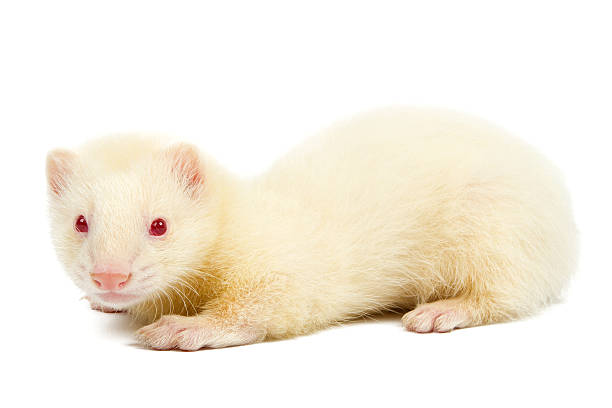
Ferrets, with their inquisitive nature, playful antics, and boundless energy, have charmed their way into the hearts of many pet owners. However, like all beloved companions, ferrets are susceptible to a range of health issues, among the most common and preventable of which are infestations by ectoparasites—specifically fleas and ticks. These tiny invaders are not just an annoyance; they can pose significant health risks, ranging from skin irritation and allergic reactions to the transmission of serious diseases and, in severe cases, life-threatening anemia, particularly in young or immunocompromised ferrets.
Understanding the enemy is the first critical step in effective warfare. This comprehensive guide aims to arm ferret owners with the knowledge necessary to identify, understand the life cycles of, and most importantly, implement robust prevention strategies against fleas and ticks. We will delve deep into how these parasites affect ferrets, the signs to look out for, the environmental factors that contribute to infestations, and the most effective, ferret-safe preventative measures available. Our goal is to empower you to maintain a healthy, parasite-free environment for your ferret, ensuring their well-being and enhancing the joy they bring into your life. Proactive prevention is not merely a good practice; it is an essential pillar of responsible ferret ownership, safeguarding your furry friend from discomfort, disease, and unnecessary veterinary visits.
Part 1: Understanding Ferret Fleas
Fleas are perhaps the most common and pervasive ectoparasites affecting companion animals globally, and ferrets are no exception. While Ctenocephalides felis, the cat flea, is the most prevalent species found on ferrets, they can occasionally host other flea species. Understanding the flea’s life cycle and habits is crucial for effective prevention and eradication.
What are Fleas? The Life Cycle of a Persistent Pest
Fleas are small, wingless insects, typically dark reddish-brown in color, measuring about 1-3 mm in length. They are renowned for their incredible jumping abilities, allowing them to easily transfer between hosts and from the environment onto an unsuspecting animal. Their bodies are laterally flattened, enabling them to move easily through a ferret’s dense fur.
The flea life cycle consists of four distinct stages: egg, larva, pupa, and adult. This cycle is influenced heavily by environmental conditions such as temperature and humidity, but generally takes anywhere from two weeks to several months to complete.
- Eggs: Adult female fleas begin laying eggs within 24-48 hours of their first blood meal. They can lay up to 50 eggs per day, depositing them directly onto the ferret’s coat. These smooth, white, oval eggs are not sticky and quickly fall off the host into the surrounding environment, such as bedding, carpets, cracks in floors, and furniture.
- Larvae: Within 2-12 days (depending on conditions), the eggs hatch into tiny, worm-like larvae. These larvae are light-sensitive and burrow deep into carpets, cracks, and under furniture. They do not feed on blood but instead consume organic debris, including flea feces (often called “flea dirt” – digested blood), skin flakes, and food particles. This stage typically lasts 5-12 days.
- Pupae: After completing their larval development, the larvae spin silk cocoons and enter the pupal stage. These cocoons are sticky and quickly become camouflaged with dust, dirt, and debris from the environment, making them incredibly difficult to spot and remove. This stage is the most resilient, protecting the developing flea from insecticides and harsh conditions. Pupae can remain dormant for weeks or even months, waiting for ideal conditions (such as the presence of a host, indicated by vibrations, warmth, and carbon dioxide) to emerge.
- Adults: Once environmental cues signal the presence of a potential host, the adult flea emerges from its cocoon, hungry and ready to find a blood meal. Adult fleas prefer to stay on their host, feeding, mating, and laying eggs, perpetuating the cycle. While adult fleas can live for several months, they typically die within a few days if they cannot find a host.
This understanding highlights a critical point: if you see fleas on your ferret, it’s just the tip of the iceberg. The vast majority (around 95%) of the flea population exists in the environment as eggs, larvae, and pupae. Therefore, effective flea control must target not only the adult fleas on the animal but also the developmental stages in the environment.
How Do Ferrets Get Fleas?
Ferrets, even those kept exclusively indoors, are not immune to flea infestations. Fleas are opportunistic and resourceful.
- Environmental Exposure: The most common way ferrets acquire fleas is from their environment. If flea eggs, larvae, or pupae are present in the house (from previous infestations, visitors, or even hitchhiking fleas), they can emerge and jump onto a ferret.
- Contact with Other Pets: In multi-pet households, if dogs or cats are not adequately protected, they can easily bring fleas into the home, which can then transfer to ferrets.
- Human Transmission: While fleas don’t typically live on humans, they can hitch a ride on clothing, shoes, or bags from infested areas (e.g., parks, friend’s houses, boarding facilities) and be inadvertently brought into the home, eventually finding their way to a ferret.
- Outdoor Access: Ferrets that are allowed supervised outdoor play are at a significantly higher risk of picking up fleas from tall grass, wooded areas, or contact with wildlife (e.g., squirrels, rabbits, stray cats).
- New Additions: Bringing a new pet (of any species) or even bedding or furniture from an unknown source into the home can introduce fleas.
Signs of Fleas on Ferrets
Identifying fleas early is key to preventing a full-blown infestation. Ferrets often react strongly to flea bites.
- Intense Itching and Scratching: This is the most obvious sign. Ferrets will scratch, chew, and bite at themselves, often vigorously and frequently.
- Restlessness and Agitation: Constant irritation can make your ferret uncomfortable, leading to restless behavior, pacing, or difficulty settling down.
- Red, Inflamed Skin (Dermatitis): Persistent scratching can lead to skin irritation, redness, bumps, and scabs, particularly along the back, tail base, and inner thighs.
- Hair Loss: Chronic scratching and chewing can cause patches of hair loss (alopecia), often accompanied by skin lesions.
- “Flea Dirt”: This is perhaps the most definitive sign. Flea dirt consists of digested blood excreted by adult fleas. It appears as tiny black specks, like ground pepper, in your ferret’s fur. If you collect these specks on a damp white tissue or paper towel, they will dissolve into reddish-brown streaks, confirming they are flea feces.
- Visible Fleas: While fleas move quickly and are good at hiding, you might occasionally spot an adult flea scurrying through the fur, especially on the belly or inner thighs.
- Anemia (especially in Kits or Severe Infestations): In heavy infestations, particularly affecting young kits or compromised ferrets, significant blood loss from flea bites can lead to anemia. Signs include pale gums, lethargy, weakness, and extreme cases can be fatal.
Diagnosis of Fleas
- Visual Inspection: Carefully part your ferret’s fur and look for fleas or flea dirt, especially in areas like the hindquarters, stomach, and around the tail.
- Flea Comb: Using a fine-toothed flea comb (available at pet stores) is the most effective diagnostic tool. Comb through your ferret’s fur, paying close attention to the base of the tail and the neck. After each stroke, check the comb for fleas or flea dirt.
- Flea Dirt Test: As described above, collect any suspicious black specks from the comb or fur onto a damp white paper towel. If they turn reddish-brown, it’s flea dirt.
Health Risks Associated with Fleas
Beyond the immediate discomfort, fleas pose several health risks to ferrets:
- Flea Allergy Dermatitis (FAD): Some ferrets develop an allergic reaction to flea saliva components. Even a few flea bites can trigger intense itching, severe skin inflammation, and discomfort, disproportionate to the number of fleas present.
- Secondary Skin Infections: Constant scratching can break the skin barrier, allowing bacteria to enter and cause secondary bacterial skin infections (pyoderma), which often require antibiotic treatment.
- Anemia: As mentioned, heavy infestations can lead to significant blood loss, especially in young or debilitated ferrets, causing potentially fatal anemia.
- Tapeworm Transmission: Fleas act as intermediate hosts for the common tapeworm, Dipylidium caninum. If a ferret ingests an infected flea (which can happen during grooming), it can become infected with tapeworms, requiring deworming treatment.
Part 2: Understanding Ferret Ticks
Ticks are another common ectoparasite that can affect ferrets, especially those that spend time outdoors or live in areas with abundant wildlife. Unlike fleas, which are insects, ticks are arachnids, related to spiders and mites. They are slower-moving but equally (if not more) concerning due to their ability to transmit a variety of serious diseases.
What are Ticks? The Life Cycle of a Blood-Sucking Arachnid
Ticks are external parasites that feed on the blood of mammals, birds, and reptiles. There are hundreds of tick species worldwide, but common ones in North America that might affect ferrets include the Deer Tick (Ixodes scapularis), American Dog Tick (Dermacentor variabilis), Lone Star Tick (Amblyomma americanum), and Brown Dog Tick (Rhipicephalus sanguineus).
The tick life cycle typically involves four stages: egg, larva, nymph, and adult. Most tick species require three different hosts to complete their life cycle, though some (like the Brown Dog Tick) can complete it on a single host.
- Eggs: An engorged adult female tick detaches from its host and lays thousands of eggs on the ground in protected areas (e.g., under leaf litter, in tall grass).
- Larvae (“Seed Ticks”): Eggs hatch into six-legged larvae. These tiny larvae seek out a first host, often a small mammal like a mouse, squirrel, or bird. After feeding for a few days, they detach and molt into nymphs.
- Nymphs: Nymphs are eight-legged and slightly larger than larvae. They seek a second, often larger host, such as a rodent, rabbit, or sometimes a larger animal like a ferret, dog, or cat. After feeding, they detach and molt into adults.
- Adults: Adult ticks are also eight-legged and typically the largest stage. They seek a third host, usually a larger mammal (deer, coyote, human, dog, cat, or ferret). After feeding and mating (often on the host), the female detaches to lay eggs, completing the cycle. The entire life cycle can take anywhere from a few months to several years, depending on the species and environmental conditions.
Ticks are patient hunters. They don’t jump or fly; instead, they “quest” by climbing onto blades of grass or shrubs and waiting for a host to brush by. They then latch on, crawl to a suitable feeding site, and begin to feed.
How Do Ferrets Get Ticks?
The primary way ferrets acquire ticks is through environmental exposure, especially during warmer months.
- Outdoor Activities: Ferrets allowed to play or explore outdoors, particularly in wooded areas, tall grasses, fields, or areas with dense brush, are highly susceptible to picking up ticks.
- Contact with Wildlife: Areas frequented by deer, rodents, raccoons, and other wildlife are tick hotspots. If ferrets come into contact with these environments, they are at risk.
- Contaminated Items/Other Pets: Ticks can also be brought into the home on other pets (dogs, cats) that go outdoors, or even on human clothing, shoes, or gear after outdoor excursions.
- Geographic Location: Tick prevalence varies significantly by geographic region and season. Areas with warm, humid climates and abundant wildlife tend to have higher tick populations.
Signs of Ticks on Ferrets
Unlike fleas, ticks often remain stationary on a host for extended periods (days), slowly engorging with blood.
- Visible Ticks: The most obvious sign is seeing a tick attached to your ferret’s skin. Ticks can range in size from a poppy seed (larvae/nymphs) to a small bean (engorged adults). They are typically dark brown or grey.
- Palpable Lumps: Before a tick is fully engorged, it might feel like a small bump or scab when petting your ferret. Regularly running your hands over your ferret’s body can help you discover ticks.
- Scratching and Licking: While ticks are less itchy than fleas, their bites can cause irritation. Ferrets may scratch, rub, or lick the area where a tick is attached.
- Scabs or Redness at Attachment Site: After a tick detaches or is removed, a small scab, red mark, or localized swelling may remain.
- Head Shaking/Ear Irritation: If a tick is attached inside or around the ears, your ferret might show signs of discomfort, such as frequent head shaking or pawing at the ears.
- Lameness or Paralysis (Rare but Serious): Certain tick species produce a neurotoxin that can cause “tick paralysis.” This is rare in ferrets but can lead to progressive muscle weakness, incoordination, and even complete paralysis and respiratory failure if the tick is not removed promptly. The symptoms often resolve within 24-72 hours after tick removal.
- Lethargy, Loss of Appetite, Fever: These are non-specific signs that could indicate a tick-borne disease, especially if your ferret has been exposed to ticks.
Diagnosis of Ticks
- Visual and Manual Inspection: The best way to find ticks is through thorough visual inspection and palpation (feeling with your fingertips) of your ferret’s entire body. Pay close attention to areas where ticks like to hide: around the head, ears (inside and out), neck, armpits, groin, between toes, and under the tail. Ticks often prefer warm, protected areas.
- Regular Grooming: Incorporating a tick check into your regular grooming routine is essential, particularly if your ferret spends time outdoors.
Health Risks Associated with Ticks
Ticks are notorious vectors for a wide array of serious diseases, some of which can affect ferrets. While research on tick-borne diseases specifically in ferrets is less extensive than in dogs and cats, the potential for transmission exists.
- Local Irritation and Secondary Infections: The bite itself can cause inflammation, itching, and discomfort. If the attachment site becomes irritated or infected, it can lead to abscesses or bacterial skin infections.
- Anemia: While less common than with fleas, a heavy infestation of multiple ticks, particularly in small or young ferrets, can lead to significant blood loss and anemia.
- Tick Paralysis: As described above, a severe neurological condition caused by neurotoxins in the saliva of certain tick species.
- Tick-Borne Diseases: This is the most significant concern. Ticks can transmit bacteria, viruses, and other pathogens. Potentially relevant diseases for ferrets include:
- Lyme Disease (Borrelia burgdorferi): Transmitted by the Deer Tick (Ixodes species). While commonly associated with dogs and humans, ferrets may also be susceptible, though clinical signs are not well-defined in ferrets. Symptoms in other species often include lameness, joint pain, lethargy, and fever.
- Ehrlichiosis (Ehrlichia species): Transmitted by various ticks, including the Lone Star Tick and Brown Dog Tick. Can cause fever, lethargy, anorexia, weight loss, and bleeding disorders.
- Anaplasmosis (Anaplasma species): Transmitted by Deer Ticks and Brown Dog Ticks. Similar symptoms to Ehrlichiosis, including fever, lethargy, joint pain.
- Rocky Mountain Spotted Fever (Rickettsia rickettsii): Transmitted by the American Dog Tick, Rocky Mountain Wood Tick, and Brown Dog Tick. A serious bacterial disease causing fever, lethargy, joint pain, and neurological signs.
- Babesiosis and Mycoplasmosis: Other blood parasites can be transmitted by ticks, leading to anemia and other systemic issues.
The diagnosis of tick-borne diseases in ferrets can be challenging, often requiring specialized blood tests and a veterinarian experienced with exotic pets. Prevention is therefore paramount.
Part 3: Comprehensive Prevention Strategies
Preventing flea and tick infestations is a multi-faceted approach that combines environmental control, appropriate topical or systemic preventatives, regular grooming, and vigilant monitoring. A proactive strategy is always more effective and less stressful than reacting to an established infestation.
I. Environmental Control: Creating a Hostile Environment for Parasites
Since the majority of fleas and ticks exist in the environment, controlling your ferret’s surroundings is a cornerstone of prevention.
A. Indoor Environment:
- Regular and Thorough Vacuuming: This is non-negotiable. Vacuum carpets, rugs, furniture (especially crevices), cracks in floors, and anywhere your ferret spends time. Vacuuming physically removes flea eggs, larvae, pupae, and adult fleas. Pay extra attention to areas under furniture, along baseboards, and in dark, secluded spots. Immediately after vacuuming, empty the vacuum bag or canister outdoors into a sealed trash bag to prevent fleas from escaping back into your home. Consider using a vacuum with a HEPA filter.
- Launder Bedding and Soft Furnishings: Wash all ferret bedding, blankets, hammocks, and washable soft toys frequently (at least weekly) in hot water and dry on the highest heat setting. This kills all flea life stages. Also, regularly wash pet-shared items like throw blankets on sofas.
- Steam Cleaning: For carpets and upholstered furniture, steam cleaning can be effective at killing fleas and larvae due to the high temperatures. Ensure the area is completely dry afterward to prevent mold growth.
- Decluttering: Reducing clutter minimizes hiding spots for fleas and makes cleaning more effective.
- Pest Control (Professional or DIY with Caution):
- Insect Growth Regulators (IGRs): Products containing IGRs (e.g., methoprene, pyriproxyfen) are excellent for long-term environmental control. They don’t kill adult fleas but disrupt the development of eggs and larvae, preventing them from maturing. They are generally safe around pets once dry, but always follow manufacturer instructions.
- Household Flea Sprays/Foggers: If using these, choose products specifically labeled as pet-safe and ensure your ferret (and all other pets) are out of the house during application and until the area is thoroughly aired out and dry. Always follow product instructions meticulously. Avoid products containing permethrin or pyrethrins directed at cat fleas unless specifically labeled non-toxic for ferrets, and consult your vet. Some chemicals that are safe for dogs or even cats can be toxic to ferrets.
- Diatomaceous Earth (DE): Food-grade diatomaceous earth can be sprinkled on carpets and bedding. It’s a natural desiccant (drying agent) that works by physically destroying the exoskeletons of insects, leading to dehydration. Let it sit for a few hours (or overnight) and then vacuum thoroughly. Use with caution around ferrets as inhaling the fine dust can be irritating. Always choose food-grade DE.
B. Outdoor Environment:
- Maintain Your Yard: Keep grass mowed short, especially in areas where your ferret plays. Remove leaf litter, brush, and other debris, as these provide ideal hiding and breeding spots for fleas and ticks.
- Create a Barrier: Consider creating a physical barrier (e.g., wood chips, gravel) between your lawn and wooded areas or tall grasses to deter ticks from migrating into your ferret’s play zone.
- Discourage Wildlife: Reduce factors that attract wildlife (deer, rodents, raccoons, stray cats) to your yard, such as easily accessible garbage, bird feeders, or overgrown areas. Wildlife can carry a significant parasite burden.
- Designated Play Areas: If your ferret plays outdoors, designate a specific, well-maintained, and regularly checked area that is less likely to harbor parasites.
II. Topical & Systemic Preventatives: Ferret-Safe Solutions
This is arguably the most critical component of a preventative strategy. However, it requires extreme caution and a strong partnership with your veterinarian. NEVER use flea and tick products designed for dogs or cats on ferrets without explicit veterinary approval and dosage instructions. Many common dog and cat products contain ingredients (e.g., permethrin, fipronil) that are highly toxic, even fatal, to ferrets.
A. Veterinarian Consultation is Essential:
- Always consult your veterinarian before applying any preventative product to your ferret. They can recommend ferret-safe options, proper dosages, and application methods based on your ferret’s age, weight, health status, and local parasite prevalence.
B. Ferret-Approved Flea & Tick Preventatives:
Currently, the most widely recommended and safest option for flea and tick prevention in ferrets is a veterinarian-prescribed topical medication.
- Selamectin (Revolution® or Stronghold®): This is the gold standard for ferret parasite prevention. Selamectin is a systemic topical parasiticide that kills adult fleas, prevents flea eggs from hatching, and also controls some tick species (including Dermacentor variabilis and Ixodes scapularis), ear mites, and heartworms. It is applied topically to the skin at the base of the neck, and then absorbed into the bloodstream. It is generally applied monthly. Revolution for kittens/puppies (often the green box) is typically prescribed by vets for ferrets, but only under veterinary guidance regarding appropriate dosage.
- Imidacloprid (Advantage II® for Cats): Some veterinarians may recommend Advantage II for cats as an off-label flea preventative for ferrets. It is a topical spot-on that kills adult fleas. However, its effectiveness against ticks is limited, and its use in ferrets should only be under direct veterinary supervision, as the feline concentration can still be too high for some ferrets.
- Nitenpyram (Capstar®): This is an oral tablet that rapidly kills adult fleas (within 30 minutes) on the pet for a short period (24 hours). It’s excellent for quickly ridding an animal of fleas during an active infestation but offers no long-term preventative action. It can be used as part of a treatment plan but not as a stand-alone preventative.
- Other Options (Generally Not Recommended for Prevention):
- Flea Shampoos/Dips: These provide only temporary relief by killing fleas on contact but offer no residual protection. They can also be stressful for ferrets and may strip natural oils from their skin, leading to dryness. Use only veterinarian-approved products and ensure your ferret is kept warm and dry afterward. Never use permethrin-containing shampoos.
- Flea Collars: Generally ineffective and potentially dangerous for ferrets. They can cause skin irritation, are often not strong enough to kill fleas across the entire body, and pose a strangulation risk.
- Natural/Herbal Remedies: Be extremely cautious with these. Many essential oils and herbal extracts can be toxic to ferrets. Always default to veterinary-approved medical preventatives.
III. Grooming and Regular Checks: Your First Line of Defense
Consistent physical examination of your ferret complements chemical preventatives and environmental control.
- Daily or Weekly Visual and Manual Inspection: Make it a habit to thoroughly check your ferret for parasites, especially if they have outdoor access or live in a multi-pet household. Run your hands over their entire body, feeling for bumps or scabs. Part the fur and visually inspect the skin, paying close attention to the ears, head, neck, armpits, groin, and between the toes.
- Flea Combing: Regularly comb your ferret with a fine-toothed flea comb. This not only helps detect fleas and flea dirt but also removes loose fur and can be a bonding activity. If you find fleas, immediately drown them in a bowl of soapy water.
- Proper Tick Removal Technique: If you find a tick, remove it promptly and correctly.
- Preparation: Gather fine-tipped tweezers or a specialized tick removal tool, gloves, an antiseptic wipe, and a small container with rubbing alcohol.
- Grasp: Grasp the tick as close to the skin’s surface as possible with the tweezers, avoiding squeezing the tick’s body.
- Pull Straight: Pull upward with steady, even pressure. Do not twist or jerk the tick, as this can cause the mouthparts to break off and remain in the skin, potentially leading to infection.
- Disinfect: After removal, clean the bite area thoroughly with an antiseptic wipe or rubbing alcohol.
- Dispose: Drown the tick in rubbing alcohol in a sealed container. Do not crush it with your fingers.
- Monitor: Keep an eye on the bite site for any signs of infection (redness, swelling, pus) and monitor your ferret for any signs of illness in the following weeks. Consider saving the tick (in alcohol) for identification by your vet if your ferret becomes ill.
IV. Managing Multi-Pet Households
If you have other pets (dogs, cats) in the household, managing their parasite control is paramount for your ferret’s protection.
- Treat All Pets Concurrently: All pets in the household must be on an effective, veterinarian-approved parasite preventative regimen simultaneously. An untreated pet can act as a reservoir for fleas and ticks, continuously re-infesting others and the environment.
- Quarantine New Pets: When introducing a new pet, keep them physically separate from your ferret until they have been thoroughly checked for parasites and started on an appropriate preventative program.
- Avoid “Shared” Spaces during Treatment: If one pet is receiving a topical treatment that might be harmful to ferrets on contact (e.g., a fipronil-based spot-on for a dog), ensure adequate drying time and ideally, separate the ferret until the application site is completely dry and safe.
V. Limiting Exposure
Sometimes, the best prevention is avoidance.
- Supervised Outdoor Play: If your ferret enjoys outdoor time, always supervise them closely. Keep them on a harness and leash in areas with short grass that are regularly checked and treated (if necessary) for parasites.
- Avoid High-Risk Areas: Steer clear of tall grasses, dense brush, wooded areas, and marshy environments, especially during peak flea and tick seasons.
- Check Yourself: After spending time in tick-prone areas, thoroughly check your own clothing, skin, and hair before re-entering your home, as ticks can hitch a ride on humans.
Part 4: Treatment Protocols (Brief Overview)
While the focus of this guide is prevention, it’s important to know what to do if an infestation occurs despite your best efforts. Immediate action and veterinary consultation are crucial.
Consulting a Veterinarian:
If you suspect or confirm a flea or tick infestation, your first step should always be to contact your veterinarian. They can:
- Confirm the diagnosis and identify the parasite.
- Prescribe the safest and most effective ferret-specific treatment.
- Advise on environmental treatment strategies.
- Check for and treat any secondary issues (e.g., skin infections, anemia, tick-borne diseases).
Flea Treatment:
- Approved Topical/Oral Medications: Your vet will likely prescribe a fast-acting, ferret-safe topical (e.g., Selamectin) or oral (e.g., Nitenpyram for immediate kill) medication to kill adult fleas on your ferret.
- Bathing (Optional/Supportive): A gentle bath with a ferret-safe, non-medicated shampoo can help remove some fleas, but it’s not a long-term solution. Your vet might recommend a specific medicated shampoo if secondary skin issues are present.
- Environmental Treatment: As discussed in the prevention section, thorough and repeated vacuuming, hot laundering of bedding, and potentially the use of IGRs or pet-safe household sprays will be essential to break the flea life cycle in your home. This is often the most challenging part of flea eradication and may take several weeks or months to completely resolve.
- Addressing Secondary Issues: If your ferret has developed dermatitis, secondary bacterial infections, or anemia, your vet will provide appropriate treatment, such as antibiotics, anti-inflammatory medications, or supportive care for anemia.
- Tapeworm Treatment: If flea dirt is present, your vet may recommend deworming for tapeworms, as ingestion of infected fleas is a common route of transmission.
Tick Treatment/Removal:
- Prompt Removal: Follow the proper tick removal technique described in Part 3. The sooner a tick is removed, the lower the risk of disease transmission.
- Monitor the Site: Watch the bite area for signs of infection.
- Monitor Your Ferret: Observe your ferret for any signs of illness (lethargy, fever, lameness, appetite loss) in the weeks following a tick bite, which could indicate a tick-borne disease. Inform your vet immediately if any symptoms appear.
- Veterinary Consultation for Multiple Ticks or Illness: If your ferret has multiple ticks, shows signs of tick paralysis, or develops any illness after a tick bite, seek immediate veterinary attention.
Post-Treatment Follow-up:
Adhere strictly to your veterinarian’s instructions for follow-up doses of preventative medication and environmental treatment. Persistence is key to ensuring complete eradication and preventing recurrence.
Conclusion
Understanding and preventing ectoparasites like fleas and ticks is a non-negotiable aspect of responsible ferret ownership. These tiny nuisances pose significant threats, from irritating skin conditions and allergic reactions to the transmission of serious, potentially life-threatening diseases. By adopting a comprehensive, multi-pronged approach that integrates vigilant environmental control, ferret-safe veterinarian-prescribed preventatives, regular grooming, and consistent monitoring, you can create a safe, parasite-free haven for your beloved companion.
The diligence required for effective parasite control is a small price to pay for your ferret’s health, comfort, and longevity. Remember, a strong partnership with your exotic animal veterinarian is your most valuable asset in this endeavor. They possess the expertise to guide you through the complexities of ferret care, ensuring that your proactive efforts translate into a happy, healthy, and itch-free life for your cherished ferret friend. Stay informed, stay vigilant, and enjoy the playful companionship of your parasite-protected ferret.
#FerretCare #FerretHealth #FerretParasites #FleaPrevention #TickPrevention #FerretSafety #PetHealth #ExoticPetCare #FerretsOfInstagram #HealthyFerrets #FerretsDaily #FleaAndTick #PetParents #PreventativeCare #VeterinaryAdvice #FerretsAreAwesome #Ferrets #PetTips #AnimalHealth #FerretsLife #FerretsRule #MustelaPutoriusFuro #ParasiteControl #FerretsLove #FerretsUnited #FerretsOfFacebook #FerretsOfYouTube #Ferrets101 #KeepFerretsSafe




Add comment