
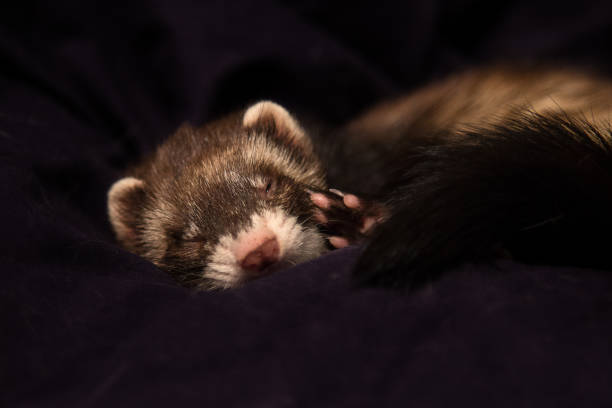
Ferrets, with their playful antics and curious personalities, have carved a special place in the hearts of many pet owners. However, these charming mustelids possess a unique physiological characteristic that makes them remarkably susceptible to human influenza viruses. Often dubbed the “gold standard” for influenza research, ferrets can contract and display symptoms strikingly similar to humans, making understanding and preventing the “human flu” in your ferret not just a good practice, but a critical aspect of responsible pet ownership. This comprehensive guide will delve deep into the intricacies of influenza in ferrets, from the nature of the virus to advanced prevention strategies and compassionate care, aiming to equip ferret owners with the knowledge to protect their cherished companions.
I. Introduction: The Uniquely Shared Vulnerability
Ferrets (Mustela putorius furo) are fascinating creatures, known for their intelligence, energetic demeanor, and deep sleep cycles. Their anatomy and physiology, particularly their respiratory systems, bear a striking resemblance to humans, making them invaluable models for studying various human diseases, including influenza. This biological similarity, while beneficial for scientific advancement, unfortunately translates into a significant risk: ferrets are highly susceptible to infection with human influenza strains. Unlike many other pet species, a simple human cold or flu can quickly escalate into a life-threatening illness for a ferret, necessitating a proactive and informed approach to their care, especially during flu seasons.
The transmission of influenza from humans to ferrets (anthroponosis) is a well-documented phenomenon. An owner, a family member, or even a visitor carrying the virus can inadvertently pass it to their ferret through close contact. The consequences can range from mild respiratory symptoms to severe pneumonia and, in vulnerable animals, even death. Therefore, understanding the nature of the virus, recognizing its symptoms, implementing robust prevention protocols, and knowing how to respond if your ferret falls ill are paramount for every ferret guardian.
II. The Nature of Influenza: A Viral Threat
Influenza, commonly known as the flu, is an acute respiratory illness caused by influenza viruses. These viruses belong to the orthomyxoviridae family and are broadly categorized into four types: A, B, C, and D. For human and ferret health, types A and B are the most relevant.
- Influenza A viruses: These are responsible for the major flu epidemics and pandemics. They are highly diverse and can infect a wide range of animal species, including birds (avian flu), pigs (swine flu), and humans. Their ability to undergo antigenic drift (minor changes) and antigenic shift (major changes, leading to new subtypes) makes them particularly challenging and necessitates annual vaccine updates for humans.
- Influenza B viruses: These primarily circulate among humans and contribute to seasonal flu epidemics. They evolve more slowly than type A viruses.
- Influenza C and D viruses: Influenza C typically causes mild respiratory illness in humans and is not associated with epidemics. Influenza D primarily affects cattle and is not known to infect humans or ferrets.
Influenza viruses are primarily spread through respiratory droplets expelled when an infected individual (human or ferret) coughs, sneezes, or talks. These droplets can travel up to six feet and be inhaled by others. The virus can also survive on surfaces (fomites) for varying periods, meaning contact with contaminated objects (cages, toys, hands, clothing) followed by touching one’s nose, mouth, or eyes can lead to infection. The infectious period generally begins a day before symptoms appear and can last for 5-7 days or even longer in some individuals. In ferrets, this rapid spread is a significant concern in multi-ferret households.
III. Why Ferrets and Humans Share the Flu: A Biological Link
The remarkable susceptibility of ferrets to human influenza viruses is not coincidental but rooted in shared biological characteristics.
- Receptor Similarities: Influenza viruses initiate infection by binding to specific sialic acid receptors on the surface of host cells, predominantly in the respiratory tract. Humans possess alpha-2,6 sialic acid receptors, particularly abundant in the upper respiratory tract. Crucially, ferrets also possess a high density of these very same alpha-2,6 sialic acid receptors in their tracheal cells, making them highly receptive to human influenza strains. This molecular mimicry explains why human viruses can efficiently bind to and infect ferret cells.
- Respiratory Tract Anatomy: Beyond cellular receptors, the overall structure and physiology of the ferret respiratory tract closely mirrors that of humans. This includes similar tracheal and bronchial structures, alveolar characteristics, and immune responses to viral invaders.
- Historical Significance in Research: Due to these similarities, ferrets have historically been, and continue to be, the most widely used and respected animal model for human influenza research. They not only contract the disease but also exhibit clinical signs, viral shedding patterns, and immune responses that closely parallel human infections. This scientific utility, while beneficial for vaccine development and antiviral drug testing, underscores their inherent vulnerability in a pet setting.
This intimate biological connection means that a human with the flu is, in essence, a potential vector for their ferret, creating a unique responsibility for owners to safeguard their pets.
IV. Clinical Signs and Symptoms of Influenza in Ferrets
Once infected, the incubation period for influenza in ferrets typically ranges from 24 to 72 hours (1 to 3 days). The onset of symptoms can be sudden and progress rapidly. Understanding these signs is crucial for early intervention.
Early Signs:
- Lethargy and Depression: A noticeable decrease in activity levels and overall enthusiasm.
- Anorexia/Hyporexia: Reluctance to eat or a significant reduction in food intake.
- Dehydration: Indicated by tacky gums and reduced skin turgor (a pinched skin fold on the neck takes longer to return to normal).
Respiratory Signs:
- Sneezing: Often one of the first and most obvious signs.
- Coughing: Can range from a mild, dry cough to a deeper, hacking cough.
- Nasal Discharge: Initially clear and watery (serous), it can progress to thick, cloudy, or yellowish-green (mucopurulent) if secondary bacterial infections set in.
- Ocular Discharge: Watery or sticky discharge from the eyes, sometimes accompanied by redness.
- Difficulty Breathing (Dyspnea): Open-mouth breathing, increased respiratory effort, or wheezing – a serious sign indicating progression to pneumonia.
Systemic Signs:
- Fever: Elevated body temperature (normal ferret temperature is 100-102°F or 37.8-38.9°C). Ferrets may feel warm to the touch.
- Weakness: General malaise and inability to maintain normal posture or activity.
- Weight Loss: Due to decreased food intake and increased metabolic demands.
Gastrointestinal Signs (Less Common but Possible):
- Vomiting: Rarely seen, but possible in severe cases.
- Diarrhea: Loose stools may occasionally accompany systemic illness.
Severe Complications: The most concerning complication is pneumonia, which can develop rapidly, especially in young kits, elderly ferrets, or those with underlying health conditions (e.g., adrenal disease, insulinoma, heart disease, compromised immunity). Pneumonia significantly impairs lung function, leading to severe respiratory distress, hypoxia (lack of oxygen), and can be fatal without aggressive treatment. Secondary bacterial infections are common, as the viral infection weakens the respiratory tract’s defenses, allowing opportunistic bacteria to proliferate. This often manifests as the nasal discharge changing color and consistency.
Differential Diagnoses: It’s important to differentiate influenza from other ferret diseases with similar symptoms:
- Canine Distemper Virus (CDV): A highly fatal viral disease in ferrets, also causing respiratory and ocular signs, but typically accompanied by a rash on the chin/lips and hyperkeratosis of the paw pads.
- Eosinophilic Gastroenteritis (ECE) or “Green Slime Disease”: Primarily gastrointestinal, but some cases can present with generalized malaise.
- Bacterial Pneumonia: Can occur primarily or as a secondary infection.
- Foreign Body Aspiration: If a ferret inhales a small object, it can cause coughing and respiratory distress.
- Allergies: Less common but possible, usually presenting with mild sneezing and discharge.
Any ferret exhibiting flu-like symptoms warrants immediate veterinary attention.
V. Diagnosis of Influenza in Ferrets
Accurate and timely diagnosis is critical for guiding treatment and preventing severe outcomes.
- Veterinary Examination:
- Detailed History: The vet will inquire about your ferret’s symptoms, duration, exposure to sick humans, vaccination status (for humans in the household), and ferret’s general health history.
- Physical Examination: This includes assessing hydration status, taking temperature, auscultating the chest for abnormal lung sounds (crackles, wheezes indicating pneumonia), examining mucous membranes, and palpating the abdomen.
- Diagnostic Tests:
- Rapid Influenza Diagnostic Tests (RIDTs): These tests, often used for humans, can detect influenza antigens from nasal swabs. While quick, their sensitivity and specificity in ferrets can be variable, and a negative result doesn’t always rule out infection. They can be useful for initial screening.
- Reverse Transcription Polymerase Chain Reaction (RT-PCR): This is the gold standard for definitive diagnosis. PCR can detect viral RNA directly from nasal, pharyngeal, or conjunctival swabs. It is highly sensitive and specific, allowing for identification of the specific influenza strain. Results may take a few days.
- Virus Isolation: Involves culturing the virus from clinical samples in a laboratory. It’s highly specific but relatively slow and labor-intensive, often reserved for research or unusual cases.
- Serology: Blood tests to detect antibodies against influenza. While useful for determining past exposure or immune response, it’s not ideal for diagnosing acute infection as antibody levels rise later in the disease course.
- Radiographs (Chest X-rays): If pneumonia is suspected, chest X-rays are essential to assess the severity and extent of lung involvement. They can reveal patterns consistent with viral or bacterial pneumonia.
- Blood Work (Complete Blood Count – CBC, Chemistry Panel): A CBC can reveal changes in white blood cell counts indicative of viral infection or secondary bacterial infection. A chemistry panel can assess organ function and hydration status, especially important for monitoring systemic effects.
Prompt veterinary consultation is key. Do not delay seeking professional help, as a ferret’s condition can deteriorate rapidly.
VI. Treatment and Supportive Care for Infected Ferrets
There is no specific antiviral drug universally approved and available for ferrets with influenza. However, supportive care is paramount and forms the cornerstone of treatment. In some cases, veterinarians may consider off-label use of human antiviral medications.
- Antiviral Medications (Off-Label Use):
- Oseltamivir (Tamiflu®): This human antiviral drug inhibits the influenza virus’s ability to release new viral particles from infected cells. While not officially approved for ferrets, some veterinarians may consider its off-label use, particularly in severe or early-stage cases. The dosage and efficacy in ferrets are based on anecdotal evidence, research studies, and extrapolation from human medicine. It is crucial to administer it under strict veterinary guidance, as potential side effects and appropriate dosing can be complex. Typically, it is most effective if started within 24-48 hours of symptom onset.
- Supportive Care (The Most Critical Aspect):
- Hydration: Sick ferrets often become dehydrated due to fever, reduced water intake, and nasal discharge.
- Subcutaneous (SQ) Fluids: Administering fluids under the skin is often necessary and highly effective for rehydration and electrolyte balance. Your vet can show you how to do this at home.
- Oral Electrolytes: If your ferret is willing to drink, offer small amounts of unflavored Pedialyte or veterinary-approved electrolyte solutions.
- Nutrition: Anorexia is common.
- Force-Feeding: If your ferret refuses to eat, critical care diets (e.g., Oxbow Carnivore Care, EmerAid Carnivore) or pureed meat-based baby food (without onion or garlic) can be syringe-fed in small, frequent amounts.
- Palatable Foods: Offer favorite treats and warmed, strong-smelling foods to entice appetite.
- Warmth and Comfort:
- Keep the ferret in a quiet, warm, draft-free environment.
- Provide extra soft bedding and hiding spots.
- Monitor body temperature.
- Humidity:
- Humidifier: Placing a humidifier near the cage can help loosen respiratory secretions and ease breathing.
- Nebulization: In some cases, your vet may prescribe nebulization with saline or specific medications to help clear airways.
- Steam Therapy: Briefly placing the ferret in a steamy bathroom (supervised, of course) can also provide temporary relief.
- Nasal Hygiene: Gently wiping away nasal discharge with a warm, damp cloth can help keep airways clear. Saline nasal drops (ferret-safe, vet-approved) might be used sparingly to loosen dried discharge.
- Antibiotics: If secondary bacterial pneumonia or other bacterial infections are suspected, broad-spectrum antibiotics will be prescribed by your veterinarian. Antibiotics are only effective against bacteria, not viruses.
- Anti-inflammatory Drugs: Non-steroidal anti-inflammatory drugs (NSAIDs) or corticosteroids may be used cautiously under veterinary supervision to reduce fever and inflammation, but their use requires careful consideration due to potential side effects. Never use human over-the-counter medications without veterinary guidance.
- Monitoring: Closely observe your ferret for any worsening of symptoms, especially respiratory distress. Follow your vet’s instructions precisely and report any concerns immediately.
- Hydration: Sick ferrets often become dehydrated due to fever, reduced water intake, and nasal discharge.
- Isolation: If you have multiple ferrets, isolate the sick ferret from healthy ones to prevent further spread. Wash hands thoroughly between handling different ferrets.
Recovery can take several days to a few weeks, depending on the severity of the illness and the ferret’s overall health. Some ferrets may experience persistent coughing or sneezing for a while after the main symptoms resolve.
VII. Prevention Strategies: The Cornerstone of Ferret Health
Prevention is undeniably the most effective approach to protecting your ferret from influenza. Given their susceptibility, a multi-faceted strategy focusing on limiting human exposure is essential.
A. Limiting Exposure from Humans:
This is the single most critical prevention strategy.
- Strict Hand Hygiene:
- Frequent and Thorough Handwashing: Before and after handling your ferret, cleaning its cage, or preparing its food, wash your hands thoroughly with soap and warm water for at least 20 seconds. This is paramount even when you feel healthy.
- Alcohol-Based Hand Sanitizers: Use sanitizers with at least 60% alcohol when soap and water are not readily available, but always prioritize handwashing.
- Avoiding Contact When Sick:
- No Handling When Ill: If anyone in the household (or a visitor) has flu-like symptoms (cough, sneeze, fever, sore throat), they must avoid direct contact with ferrets. This includes petting, holding, feeding, or even being in the same room for extended periods.
- Masks and Gloves: If contact is absolutely unavoidable (e.g., you are the sole caregiver and are mildly ill), wear a disposable N95 or surgical mask and disposable gloves when interacting with your ferret. Change gloves between tasks (feeding, cleaning, petting).
- Isolation of Sick Humans: Encourage sick family members to stay away from the ferret’s living area until they are fully recovered and no longer contagious.
- Discourage Visitors: During flu season, or if anyone in your home is sick, politely discourage visitors from interacting with your ferret. If visitors must interact, ensure they wash their hands thoroughly first.
- Don’t Sneeze/Cough on Ferrets: Always sneeze or cough into your elbow, even when healthy, and especially when around your ferrets.
B. Environmental Hygiene:
- Regular Cleaning and Disinfection:
- Cage and Bedding: Regularly clean and disinfect the ferret’s cage, litter pans, bedding, food, and water bowls. A diluted bleach solution (1:32 bleach to water, ensuring proper ventilation and thorough rinsing) or veterinary-approved disinfectants (e.g., F10SC, Virkon S) can be effective. Always follow product instructions and ensure no residual disinfectant is present.
- Toys and Accessories: Wash or disinfect toys, hammocks, and other accessories regularly.
- Surfaces: Clean and disinfect surfaces where your ferret plays or spends time.
- Ventilation: Ensure good ventilation in the ferret’s living area to help reduce airborne viral particles.
C. Vaccination (Human Flu Vaccine):
- Vaccinate Human Caregivers: While ferrets cannot receive the human flu vaccine, vaccinating all human members of the household is an incredibly effective indirect prevention strategy. The human flu vaccine significantly reduces the likelihood of humans contracting and spreading influenza. By creating a vaccinated human shield, you drastically lower the risk of bringing the virus into your home and thus, to your ferret.
- Types of Human Vaccines: Most human flu vaccines are inactivated (killed virus) vaccines, which are safe. Live attenuated influenza vaccines (LAIV), given as a nasal spray, contain a weakened live virus. While generally not a concern, some sources suggest caution when extremely immunocompromised individuals handle ferrets after receiving LAIV, though the risk of transmission from recipient to ferret is considered very low. Discuss any concerns with your veterinarian.
D. Strengthening Ferret Immunity:
A healthy ferret is better equipped to fight off any infection.
- Optimal Nutrition: Feed a high-quality, meat-based ferret-specific diet. Proper nutrition supports a robust immune system.
- Clean Living Environment: A clean, stress-free environment reduces the overall pathogen load and minimizes stress, which can suppress immunity.
- Stress Reduction: Ensure your ferret has adequate playtime, enrichment, and a predictable routine. Chronic stress weakens the immune system.
- Regular Veterinary Check-ups: Annual or bi-annual wellness exams allow your veterinarian to catch underlying health issues early and provide guidance on preventive care.
- Other Vaccinations: Ensure your ferret is up-to-date on other essential vaccinations, such as Canine Distemper Virus (CDV) and Rabies (where required). While these don’t prevent flu, they prevent co-infections that can weaken the immune system and complicate recovery from flu.
E. Quarantine for New Ferrets:
Whenever you introduce a new ferret into your home, always implement a strict quarantine period (typically 2-4 weeks). This prevents the introduction of diseases, including influenza or other respiratory illnesses, to your existing ferrets.
VIII. Special Considerations
- Kits (Young Ferrets) and Elderly Ferrets: Both very young ferrets (under 1 year) and senior ferrets (over 4-5 years) are at significantly higher risk of severe disease and complications, including fatal pneumonia. Their immune systems are either immature or declining, making them less capable of fighting off the virus.
- Immunocompromised Ferrets: Ferrets with pre-existing conditions (e.g., adrenal disease, insulinoma, lymphosarcoma, cardiomyopathy) or those on immunosuppressive medications are also highly vulnerable. Their compromised immune systems cannot mount an effective response, making them prone to severe illness.
- Multi-Ferret Households: In a home with multiple ferrets, influenza can spread like wildfire once introduced. Strict isolation of sick animals and enhanced hygiene are crucial to contain outbreaks.
IX. Preparing for a Flu Season
Being prepared can make a significant difference in managing a ferret flu crisis.
- Stock Essentials: Always have on hand:
- Critical care diets (e.g., Carnivore Care) or appropriate baby food.
- Syringes for force-feeding and oral fluids.
- Electrolyte solutions (Pedialyte).
- Extra bedding and cleaning supplies.
- A humidifier (if you don’t already have one).
- Veterinary Emergency Plan: Know your veterinarian’s emergency contact information and hours. Discuss your plan with them regarding potential flu exposure. Ask if they have an emergency after-hours service or a recommended emergency clinic.
- Educate Family Members: Ensure everyone in your household understands the risks and prevention protocols. Children, in particular, need to be educated about handwashing and not handling ferrets when they are sick.
X. Conclusion
The unique susceptibility of ferrets to human influenza viruses underscores a profound responsibility for their owners. While their playful nature and robust constitutions might suggest resilience, their shared vulnerability with humans makes them particularly susceptible to the common flu. By implementing rigorous hygiene practices, diligently avoiding contact when ill, ensuring human caregivers are vaccinated, and providing optimal care, ferret owners can create a strong protective shield around their companions. Should a ferret exhibit any flu-like symptoms, prompt veterinary attention and dedicated supportive care are paramount for a positive outcome. Protecting your ferret from the flu is not merely a task; it’s a testament to the deep bond shared with these remarkable, resilient, yet uniquely vulnerable creatures.
#FerretsAndFlu, #FerretHealth, #PreventFerretFlu, #HumanFluInFerrets, #FerretsOfInstagram, #FerretCare, #PetHealth, #FerretsAreFriends, #InfluenzaInFerrets, #FerretSafety, #ExoticPetCare, #FerretsRule, #ProtectYourFerret, #FerretTips, #FluSeason, #FerretParents, #ResponsibleFerretOwner, #HealthyFerrets, #VeterinaryMedicine, #FerretLove, #Mustelids, #SneezyFerret, #FeverishFerret, #CaringForFerrets, #FerretsAndHumans


Add comment