
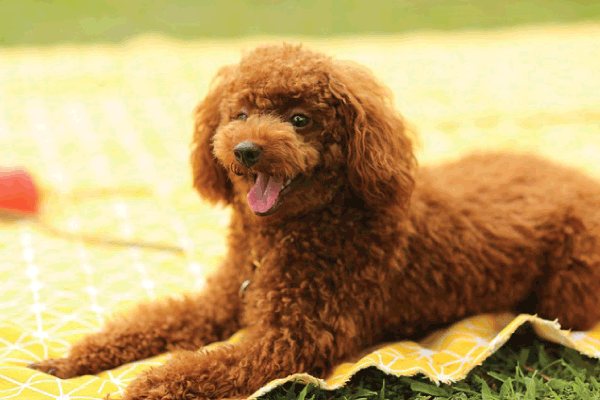
You’ve hit upon a topic that causes a lot of confusion, even among experienced dog owners! While all canine coverings are technically “fur,” the terms “hair” and “fur” are used colloquially to describe very distinct coat types with vastly different grooming needs. Understanding this distinction isn’t just academic; it’s fundamental to proper coat care, especially when it comes to brushing.
This comprehensive guide will unravel the mystery, explain why the distinction matters, and equip you with the knowledge to brush your dog effectively.
Understanding Dog Hair vs. Dog Fur: Why It Matters for Brushing
Introduction: The Common Misconception
Most people use “dog hair” and “dog fur” interchangeably. Scientifically speaking, all canine coverings are made of keratin and are technically “fur.” However, in the world of dog grooming and ownership, these terms have come to denote two very different types of coats, primarily distinguished by their growth cycles, texture, and structure.
Misunderstanding this distinction can lead to improper brushing techniques, damaged coats, skin irritation, excessive shedding, and painful matting. Let’s delve into the specifics.
The Scientific vs. Colloquial Distinction
Scientifically: All mammalian integumentary coverings (excluding true quills) are biologically considered “hair.” The term “fur” is simply a denser, shorter, and often coarser type of hair, typically associated with non-human mammals. So, technically, a dog has “hair.”
Colloquially/Grooming Terminology: This is where the distinction becomes crucial.
“Hair” (in this context): Refers to coats that grow continuously, similar to human hair, and tend to have a single-layer structure.
“Fur” (in this context): Refers to coats with a defined growth cycle (growing to a certain length and then shedding) and often, a double-layer structure (a soft undercoat and a coarser topcoat).
Key Differences Between Dog “Hair” and Dog “Fur” (Colloquial Usage)
| Feature | Dog “Hair” (Colloquial) | Dog “Fur” (Colloquial) |
| Growth Cycle | Continuous growth (anagen phase is prolonged) | Defined growth cycle (grows to a certain length, then sheds) |
| Shedding Pattern | Minimal, year-round shedding (strands fall out over time, similar to human hair) | Seasonal “blowing coat” (heavy shedding, often twice a year), plus regular shedding |
| Coat Structure | Single coat (lacks a dense undercoat) | Often a double coat (dense, soft undercoat for insulation; coarser, protective topcoat) |
| Texture | Typically finer, silkier, softer | Varies from coarse to soft, often thicker |
| Matting | Highly prone to matting due to continuous growth and fine texture | Prone to matting, especially in the undercoat, if not brushed properly |
| Allergen Potential | Often considered “hypoallergenic” as loose dander/hair is trapped | Generally higher dander/allergen release due to shedding |
| Insulation | Less natural insulation | Excellent natural insulation (traps air) |
| Examples | Poodle, Maltese, Bichon Frise, Shih Tzu, Portuguese Water Dog, Afghan Hound | Golden Retriever, Labrador Retriever, German Shepherd, Husky, Border Collie, Pomeranian |
Deep Dive: Dog “Hair” Coats (The Continuous Growers)
Characteristics:
Continuous Growth: Unlike fur, these coats don’t stop growing at a certain length. This is why “hair” breeds often require regular professional grooming or trims.
Single Coat: They typically lack the dense, woolly undercoat found in “fur” breeds. This makes them less insulating but also less prone to “blowing” their coat seasonally.
Fine Texture: Often soft, silky, or woolly, which gives them their characteristic feel but also makes them highly susceptible to tangles and mats.
Low Shedding (Relative): While no dog is truly non-shedding, these breeds shed much less than their “furry” counterparts. The individual strands fall out over time, similar to human hair, rather than in large clumps. The loose hair often gets caught within the growing coat, contributing to matting if not removed.
“Hypoallergenic” Status: Because they shed less dander and the limited shedding gets trapped in the coat, these breeds are often better tolerated by people with allergies.
Why Brushing Matters for “Hair” Coats:
Preventing Matting: This is the #1 priority. Because the hair grows continuously and loose strands get trapped, mats can form quickly and tighten, becoming painful and requiring shaving.
Removing Loose Hair: Despite low shedding, loose hair still needs to be removed to prevent matting and keep the coat healthy.
Distributing Natural Oils: Brushing helps spread natural skin oils, promoting a healthy, shiny coat and moisturized skin.
Stimulating Circulation: Gentle brushing stimulates blood flow to the skin, which is beneficial for coat health.
Recommended Brushing Tools & Technique for “Hair” Coats:
Slicker Brush: Essential for detangling and removing loose undercoat. Use gentle, outward strokes, working in small sections, always brushing down to the skin to prevent surface mats.
Pin Brush: Excellent for longer, silkier coats to glide through, detangle, and fluff. Always ensure the pins have rounded tips to protect the skin.
Metal Comb (Fine/Coarse Toothed): Crucial for “line brushing” – ensuring you’ve brushed all the way to the skin. After using the slicker or pin brush, run the comb through the coat. If it snags, there’s a tangle or mat that needs further attention with the slicker brush or a de-matting tool.
Dematting Tool/Rake/Spray (if needed): For stubborn mats, a dematting spray can help loosen them before carefully working them out with a dematting rake or comb. Never cut mats with scissors unless you are a professional, as it’s very easy to cut the skin.
Frequency: Daily brushing is often recommended for longer “hair” coats, or at least 3-4 times a week, to prevent mats.
Deep Dive: Dog “Fur” Coats (The Shedders)
Characteristics:
Defined Growth Cycle: Fur grows to a specific length, then enters a resting phase (telogen) before shedding to make way for new growth. This is why “fur” breeds don’t typically need haircuts, though some may benefit from trims for hygiene or neatness.
Often Double-Coated: This is the most common and significant characteristic.
Undercoat: A dense, soft, woolly layer close to the skin for insulation against both cold and heat. This layer is the primary source of shedding and matting issues.
Topcoat (Guard Hairs): A coarser, protective outer layer that repels water and dirt, and protects the delicate undercoat.
Seasonal Shedding (“Blowing Coat”): These breeds often shed heavily twice a year (spring and fall) to adapt to changing temperatures. During these periods, they “blow” their entire undercoat. Regular shedding occurs year-round.
Insulation: The double coat provides excellent natural insulation, keeping dogs warm in winter and cool in summer by trapping air. Shaving a double-coated dog can actually disrupt this natural insulation and lead to skin problems or heat stroke.
Why Brushing Matters for “Fur” Coats:
Undercoat Management: The primary goal is to remove the dead, loose undercoat. If left in, it can pack down, become matted, trap moisture (leading to hot spots), and reduce the coat’s insulating properties.
Reducing Shedding: Regular deshedding significantly reduces the amount of fur left around your home.
Preventing Mats in Undercoat: Dead undercoat can quickly form dense mats, especially behind the ears, in the armpits, and on the hind legs.
Promoting Air Circulation: Removing dead undercoat allows air to circulate more freely, which is crucial for skin health and temperature regulation.
Distributing Oils & Stimulating Skin: Similar to “hair” coats, brushing helps distribute natural oils and stimulates circulation.
Recommended Brushing Tools & Technique for “Fur” Coats:
Undercoat Rake/Deshedding Tool: Absolutely essential for double-coated breeds.
Undercoat Rake: Features long, blunt teeth that reach through the topcoat to grab and pull out loose undercoat without damaging the guard hairs.
Deshedding Tools (e.g., Furminator): Designed to remove large amounts of loose undercoat. Use sparingly and correctly – over-use or improper technique can damage the topcoat.
Slicker Brush: Useful for general grooming, breaking up surface mats, and removing loose fur from the topcoat, especially on areas with longer fur (e.g., feathering on a Golden Retriever).
Pin Brush: Good for longer topcoats and general detangling, ensuring the outer coat remains smooth and free of large tangles.
Rubber Curry Brush (Grooming Mitt): Excellent for short, smooth-coated breeds (e.g., Labs) to stimulate circulation, remove loose fur, and add shine. Also great for removing embedded hair during heavy shedding.
Frequency: At least 2-3 times a week, with daily brushing during heavy shedding seasons.
Why the Distinction Matters for Brushing: A Summary
Tool Selection:
Wrong Tool for “Hair”: Using a deshedding tool on a Poodle’s continuous-growth coat can damage the delicate strands, break the hair, and cause irritation. A simple pin or slicker brush is often sufficient.
Wrong Tool for “Fur”: Using only a pin brush on a heavily double-coated breed will only brush the topcoat, leaving the dense, dead undercoat to mat against the skin and cause discomfort. You need an undercoat rake or deshedding tool.
Matting Prevention:
“Hair” coats: Mats are typically formed from loose, continuously growing hair tangling into a dense knot. Brushing to the skin is crucial.
“Fur” coats: Mats are often formed by dead undercoat packing down and tangling, especially during shedding seasons. Removing this dead undercoat is the goal.
Shedding Management:
“Hair” coats: Less shedding, but regular brushing still removes the few loose hairs and prevents them from forming mats.
“Fur” coats: Brushing, especially with deshedding tools, is critical for controlling the massive amounts of fur shed during seasonal blows.
Skin Health:
Regardless of coat type, proper brushing stimulates blood flow, distributes natural oils, and allows you to inspect the skin for lumps, bumps, parasites, or irritation.
For double coats, removing dead undercoat prevents skin from becoming suffocated, which can lead to hot spots or other issues.
Comfort and Welfare:
A matted coat, whether “hair” or “fur,” is incredibly painful for a dog. It pulls on the skin, restricts movement, and can hide skin infections. Regular, appropriate brushing prevents this suffering.
General Brushing Tips for All Dogs:
Start Young: Acclimatize puppies to brushing early and make it a positive experience with treats and praise.
Be Gentle: Never pull or yank the brush. If you encounter a mat, use a detangling spray and gently work it out.
Brush in Layers: For longer coats, part the hair and brush in small sections, from the skin outwards.
Check for Trouble Spots: Pay extra attention to areas prone to matting: behind the ears, armpits, flanks, tail, and between the legs.
Consistency is Key: Regular brushing, even for 5-10 minutes, is far more effective than infrequent, long sessions.
Inspect Skin: Use brushing time to check for any skin issues, parasites, or unusual lumps.
Invest in Quality Tools: Cheap brushes can be ineffective and even damage the coat or irritate the skin.
Conclusion
The distinction between dog “hair” and dog “fur” is not just semantic; it’s a vital piece of knowledge for any responsible dog owner. Understanding your dog’s specific coat type—whether it’s a continuous-growing “hair” coat prone to intricate matting or a double-layered “fur” coat that seasonally sheds in abundance—dictates the tools you choose, the techniques you employ, and the frequency of your grooming routine.
By correctly identifying and caring for your dog’s unique coat, you’ll not only keep them looking their best but also ensure their comfort, health, and overall well-being. Happy brushing!
=====================================
#DogHairVsFur, #DogGrooming, #BrushingDogs, #DogHair, #DogFur, #PetCare, #GroomingTips, #HealthyCoat, #DogCoatTypes, #SheddingSolutions, #DogEducation, #PetGrooming, #LearnAboutDogs, #DogLovers, #DogsOfInstagram, #PetTips, #KnowYourDog, #GroomingEssentials, #DogHealth, #BrushYourDog





Add comment