
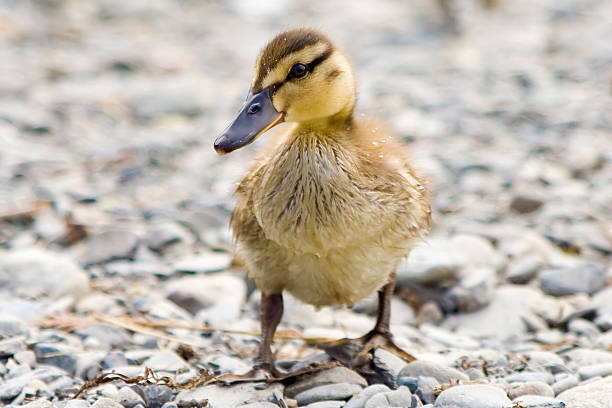
Domestic ducks ( Anas platyrhynchos domesticus and Cairina moschata domestica ) have been companions to humans for millennia, providing high‑quality meat, nutrient‑dense eggs, down for insulation, and a splash of aesthetic charm in backyard settings. While the average hobbyist may start with a single pair of Pekin or Mallard‑type ducks, a deeper understanding of breed‑specific traits, health predispositions, and husbandry requirements is essential for long‑term success and animal welfare.
This guide is written for beginners—people who have never raised a duck before—as well as for intermediate keepers looking to refine their knowledge. It blends breed descriptions with a holistic view of disease etiology, clinical presentation, diagnostics, treatment options, and preventive best practices, all while highlighting the nutritional and public‑health dimensions of duck keeping.
2. The World of Domestic Duck Breeds
2.1 Classic Meat‑Type Breeds
| Breed | Origin | Typical Weight (adult) | Notable Traits |
|---|---|---|---|
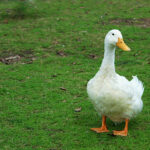
| Pekin | China, 19th c. | 6–9 kg (male), 5–7 kg (female) | Fast growth, broad breast, white plumage; industry standard for meat. |
| Aylesbury | England, early 18th c. | 5.5–7 kg | Cream‑colored feathers, lean meat, historic “king of ducks.” |
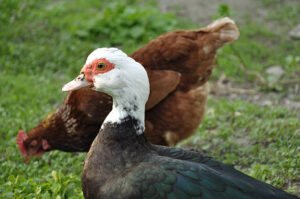
| Muscovy | Central & South America (wild) | 4–6 kg (male), 3–5 kg (female) | Distinctive red facial caruncle, lean meat, quieter than other breeds. |
Why they matter: Meat‑type ducks are selected for rapid weight gain, large breast muscle, and high feed conversion efficiency. Their genetics often predispose them to metabolic disorders (e.g., ascites, hepatic lipidosis) if nutrition or environmental conditions are sub‑optimal.
2.2 Egg‑Production Specialists
| Breed | Origin | Annual Egg Production | Egg Size & Colour |
|---|---|---|---|
| Khaki Campbell | United Kingdom, 1890s | 250–300 eggs | Large, white, high calcium demand. |
| Indian Runner | Indonesia (wild) | 200–250 eggs | Small to medium, white; upright “running” stance. |
| Welsh Harlequin | Wales, early 1900s | 150–200 eggs | Light brown to cream; good for small flocks. |
Why they matter: Egg‑laying ducks lay large, yolk‑rich eggs with a shell that is relatively thicker than chicken eggs. Calcium turnover, vitamin D metabolism, and reproductive organ health are central to their productivity, making them sensitive to dietary imbalances and stress.
2.3 Dual‑Purpose & Ornamental Varieties
| Breed | Origin | Primary Use | Distinctive Features |
|---|---|---|---|
| Rouen | France, 19th c. | Meat/ornamental | Deep mahogany body, “duck‑of‑the‑royal‑court” look. |
| Cayuga | United States, 1850s | Ornamental/egg | Iridescent black plumage, medium egg production. |
| Call Duck | Netherlands, 17th c. | Ornamental/pet | Miniature size (≈0.5 kg), loud “quack.” |
| Swedish Blue | Sweden, 18th c. | Ornamental/meat | Slate‑blue feathering, moderate growth. |
Why they matter: Dual‑purpose and ornamental ducks often have slower growth rates, lower feed efficiency, and a greater emphasis on aesthetic traits. Their unique coat colours can be linked to specific genetic mutations that may affect immunity (e.g., albinism increasing UV sensitivity).
2.4 Emerging & Heritage Lines
- Murray Creek (US): A heritage meat breed prized for flavor and hardiness.
- Bali (Indonesia): Small, bright green/blue plumage; kept mainly as pets.
- Magpie (UK): Black‑and‑white pattern; good for small backyard flocks.
These lesser‑known breeds broaden genetic diversity and often carry ancestral disease resistance genes lost in modern commercial lines. However, they may lack the extensive research base available for Pekins or Khaki Campbells, demanding vigilant observation from the keeper.
3. Why Ducks Get Sick – Primary Causes
Understanding root causes is the cornerstone of effective prevention. Below are the most common drivers of morbidity in domestic ducks:
| Category | Typical Drivers | Example Conditions |
|---|---|---|
| Genetic predisposition | Inherited metabolic quirks, immune‑gene polymorphisms | Ascites in fast‑growing Pekins; vitamin E deficiency in Muscovy. |
| Nutritional imbalance | Inadequate protein, calcium, vitamin D, or excess energy | Egg‑peritonitis, rickets, fatty liver disease. |
| Environmental stressors | Poor ventilation, extreme temperatures, high stocking density | Respiratory infections, heat‑stroke, footpad dermatitis. |
| Pathogen exposure | Bacterial, viral, fungal, parasitic agents in water, feed, or litter | Salmonella spp., Duck Viral Enteritis (DVE), Ascaridia galli. |
| Management lapses | Lack of biosecurity, improper handling, insufficient sanitation | Mycoplasma infections, coccidiosis outbreaks. |
| Zoonotic crossover | Human‑to‑bird or bird‑to‑human transfer of pathogens | Avian influenza, Campylobacter spp. |
Often, several of these factors interact synergistically. For example, a high‑energy diet combined with a cramped housing system can precipitate hepatic lipidosis in a fast‑growing meat breed.
4. Recognising Illness – Signs & Symptoms
Early detection is critical. Below is a systematic checklist for the keeper:
| System | Clinical Sign(s) | What It May Indicate |
|---|---|---|
| General | Lethargy, depression, loss of appetite | Systemic infection, metabolic disease |
| Respiratory | Nasal discharge, sneezing, coughing, open‑mouth breathing | Bacterial pneumonia, Mycoplasma, DVE |
| Digestive | Diarrhoea (watery, mucoid, or bloody), regurgitation, swollen abdomen | Coccidiosis, Salmonella, bumblefoot secondary infection |
| Reproductive | Soft‑shell eggs, cracked shells, prolonged laying pauses | Calcium deficiency, vitamin D deficiency, ovarian cysts |
| Skeletal/Locomotor | Lameness, swollen hock, footpad lesions | Rickets, bumblefoot, gout |
| Skin/Feathers | Dull plumage, feather loss, scaly patches | Mite infestation, fungal dermatitis |
| Neurologic | Tremors, ataxia, seizures | Lead poisoning, botulism, avian encephalitis |
| Behavioral | Aggression, excessive vocalisation, abnormal preening | Stress, pain, endocrine disorders |
It is advisable to maintain a daily health log, noting feed intake, water consumption, and any deviation from normal behaviour.
5. Duck Breeds at Risk
5.1 Pekin – The Ascites‑Prone Giant
Pekins have been selectively bred for rapid muscle accretion, especially in the breast region. This aggressive growth imposes a heightened demand on the cardiovascular and pulmonary systems, predisposing them to pulmonary hypertension (ascites), especially when reared on high‑energy diets or exposed to cold, damp environments. Ascites manifests as a swollen abdomen, laboured breathing, and cyanosis. Management strategies include moderating energy intake, ensuring adequate ventilation, and selecting slower‑growing lines where possible.
5.2 Khaki Campbell – Calcium‑Critical Layers
The prolific laying ability of Khaki Campbells translates into a massive calcium drain for eggshell formation. Inadequate calcium or vitamin D results in egg‑peritonitis, soft‑shell eggs, and skeletal demineralisation (rickets). These ducks thrive when offered a layer diet with a calcium content of 3.5–4.5 % (as limestone) and supplemental sunlight or UV‑B lighting to boost vitamin D synthesis.
5.3 Muscovy – Respiratory Sensitivity
Muscovies are naturally quieter and have a different tracheal anatomy compared to Anas species. They are more susceptible to respiratory bacterial infections such as Pasteurella spp. and Mycoplasma gallisepticum, especially when housed in poorly ventilated barns. Frequent cleaning of water sources, dust‑free litter, and prophylactic vaccination against duck viral enteritis (DVE) curtails morbidity.
5.4 Aylesbury & Rouen – Metabolic Overload
Both Aylesbury and Rouen possess a substantial body mass with a slower metabolic rate. When fed energy‑dense starter rations beyond the growth phase, they develop fatty liver disease (hepatic lipidosis) and gout (uric acid crystal deposition). Their diet should shift to a lower‑energy grower feed after the first 4–6 weeks, coupled with regular exercise in shallow water.
5.5 Call Ducks & Other Miniature Breeds – Heat & UV Sensitivity
Their diminutive size means a higher surface‑area‑to‑volume ratio, making Call ducks prone to heat stress in summer and sunburn on lightly pigmented skin if exposed to intense UV without shade. Providing shade structures, mist cooling, and access to shaded water mitigates these risks.
5.6 Heritage Breeds (Murray Creek, Swedish Blue) – Parasite Burden
Older, less‑intensively selected lines may lack resistance to intestinal parasites (Ascaridia, Heterakis) and external ectoparasites (mites, lice). Regular faecal floatation and dust‑bathing arenas with diatomaceous earth help keep parasitic loads low.
6. Life‑Stage Vulnerability – When Are Ducks Most Susceptible?
| Life Stage | Primary Health Risks | Typical Age Range |
|---|---|---|
| Embryonic (egg) | Egg‑shell breakage, bacterial contamination, temperature extremes | 0–21 days (incubation) |
| Duckling (0‑4 weeks) | Coccidiosis, Salmonella, Rocker (Splay Leg), dehydration | 0–28 days |
| Grower (4‑12 weeks) | Ascites, Nutritional deficiencies, Gout, Molt‑related stress | 4–12 weeks |
| Adult (≥12 weeks) | Reproductive disorders, Respiratory infections, Egg‑peritonitis, Tumors | 12 weeks+ |
| Senior (≥2 years) | Arthritis, Degenerative liver disease, Reduced immunity | >2 years |
Key take‑away: The youngest ducklings require sterile water, warm brooder temperatures (≈32 °C initially, decreasing 2 °C per week), and a high‑protein starter feed (≥22 % protein). As birds progress, the emphasis shifts to balanced energy, calcium, and vitamin D levels, while maintaining stringent biosecurity.
7. Diagnosis – From Observation to Laboratory Confirmation
- Clinical Examination
- Observe gait, breathing, feather condition, and behaviour.
- Palpate abdomen for fluid (ascites) or organ enlargement.
- Sample Collection
- Cloacal swabs for bacterial culture (e.g., Salmonella, Mycoplasma).
- Fecal floatations for coccidia and helminths.
- Blood draws (brachial vein) for CBC, biochemistry (AST, uric acid).
- Post‑mortem necropsy if mortality occurs; organ histopathology can pinpoint viral vs. bacterial causes.
- Laboratory Techniques
- PCR assays for avian influenza, duck viral enteritis, and Mycoplasma spp.
- ELISA for antibody titres after vaccination.
- Radiography (rare, but useful for diagnosing bone deformities in leg‑splay).
- Differential Diagnosis Framework
| Symptom | Most Likely Disease | Confirmatory Test |
|---|---|---|
| Watery diarrhoea + mortality | Salmonella spp. | Culture & serotyping |
| White, thin‑shell eggs, lethargy | Calcium deficiency | Serum calcium, bone radiographs |
| Open‑mouth breathing, nasal discharge | Mycoplasma infection | PCR or culture on selective media |
| Swollen abdomen, cyanosis | Ascites | Post‑mortem heart/lung exam, right‑heart pressure measurement |
| Lameness, swollen hock | Bumblefoot (Staphylococcus) | Bacterial culture from lesion |
8. Treatment – Evidence‑Based Therapies & Supportive Care
| Condition | First‑Line Therapy | Supportive Measures | Withdrawal Times (if for meat/eggs) |
|---|---|---|---|
| Salmonellosis | Enrofloxacin (5 mg/kg IM/PO q24 h) or ciprofloxacin (10 mg/kg PO q12 h) | Re‑hydration (electrolyte solution), isolate affected birds, clean environment | 7‑14 days (depends on drug) |
| Coccidiosis | Toltrazuril (0.5 ml/L drinking water for 5 days) | Clean water, replace litter daily | 0 days (withdrawal not required) |
| Ascites | Diuretics (furosemide 1 mg/kg PO q12 h) + low‑protein diet | Increase ventilation, reduce crowding, adjust feed energy downwards | 5 days |
| Egg‑Peritonitis | Broad‑spectrum antibiotics (e.g., amoxicillin‑clavulanic acid 20 mg/kg PO q12 h) | Calcium supplementation (lime or oyster shell), vitamin D‑enriched feed, reduce laying intensity | 5 days |
| Muscovy Respiratory Infection | Tylosin (10 mg/kg PO q24 h) for Mycoplasma | Nebulisation with saline, avoid drafts, vaccinate against DVE | 5‑7 days |
| Bumblefoot | Topical antiseptic (povidone‑iodine) + oral NSAID (meloxicam 0.5 mg/kg PO q24 h) | Footbaths with 1 % copper sulfate, dry bedding, foot trimming | 0 days |
| Gout | Allopurinol (10 mg/kg PO q24 h) | Low‑protein diet, ample fresh water, avoid high‑purine feeds (e.g., fish waste) | 5 days |
General supportive care principles:
- Fluid therapy: Use warm, sterile electrolyte solutions (e.g., 0.9 % NaCl with 2.5 % dextrose) administered via the crop or subcutaneous route.
- Environmental enrichment: Provide shallow water for dabbling, perches for resting, and opportunities to forage—these reduce stress‑related immunosuppression.
- Isolation protocols: Designate a quarantine area with separate feed and water containers; limit handling to essential procedures with disposable gloves.
9. Prognosis & Potential Complications
| Disease | Expected Recovery (with proper treatment) | Common Complications | Long‑Term Outlook |
|---|---|---|---|
| Salmonellosis | 70‑90 % if early | Chronic carrier state, septicemia | Full recovery possible, but may become a persistent shedder |
| Coccidiosis | 95 % in ducklings with treatment | Secondary bacterial infection | Usually complete recovery; prophylaxis essential |
| Ascites | Variable; 40‑60 % survive with aggressive therapy | Pulmonary edema, heart failure | Survivors may have reduced growth rates |
| Egg‑Peritonitis | 80 % if caught early | Egg‑binding, skeletal demineralisation | Successful control leads to normal laying cycles |
| Muscovy Respiratory Infection | 85 % with antibiotics | Chronic bronchitis, reduced egg output | Often fully resolves; may need repeat courses |
| Bumblefoot | 90 % with wound care | Osteomyelitis, permanent lameness | Early intervention prevents lasting impairment |
| Gout | 70 % with diet change & meds | Renal tubular necrosis | Chronic dietary management required |
Bottom line: Early detection and prompt, targeted treatment dramatically increase survival. Chronic cases may require lifelong management (e.g., calcium enrichment for layers, low‑protein diets for gout‑prone birds).
10. Prevention – Biosecurity, Vaccination, and Management Strategies
- Quarantine
- Isolate new arrivals for minimum 30 days.
- Test fecal samples for parasites and bacterial pathogens before integration.
- Sanitation
- Clean pens weekly with a 1 % bleach solution followed by a thorough rinse.
- Rotate litter (straw, wood shavings) every 2 weeks to reduce ammonia buildup.
- Ventilation & Housing
- Maintain air exchange rates of 10–15 % per hour.
- Provide dry, draft‑free resting areas while ensuring fresh air flow.
- Vaccination Programs
- Duck Viral Enteritis (DVE) vaccine – administered subcutaneously at 6 weeks, booster at 12 weeks.
- Newcastle Disease – optional for mixed‑species flocks; use a live attenuated vaccine compatible with poultry.
- Feed Management
- Use phase‑appropriate feeds (starter → grower → layer).
- Incorporate pelleted feeds to reduce feed spillage and limit bacterial growth in water.
- Water Management
- Provide fresh, clean water daily; treat with hydrogen peroxide (0.05 %) weekly to curb bacterial load.
- Install drainage systems to prevent standing water, which is a breeding ground for E. coli and Salmonella.
- Parasite Control
- Conduct faecal floatations every 6 weeks.
- Administer anticoccidial drugs (sulfonamides) prophylactically in high‑risk seasons.
- Record‑Keeping
- Maintain a flock health log (date, bird ID, feed type, clinical signs, treatment).
- Track egg production and body weight monthly to spot trends early.
11. Diet & Nutrition – Feeding the Whole Life Cycle
11.1 Nutrient Requirements by Stage
| Stage | Protein | Energy (ME kcal/kg) | Calcium (%) | Phosphorus (%) | Vitamin D (IU/kg) |
|---|---|---|---|---|---|
| Starter (0‑4 weeks) | 22‑24 % | 2800‑3000 | 0.8‑1.0 | 0.6‑0.8 | 2500‑3000 |
| Grower (4‑12 weeks) | 18‑20 % | 2600‑2800 | 0.8‑1.0 | 0.5‑0.7 | 1500‑2000 |
| Layer (≥12 weeks) | 16‑18 % | 2700‑2900 | 3.5‑4.5 | 0.4‑0.5 | 2500‑3000 |
| Breeder (seasonal) | 18‑20 % | 2900‑3100 | 3.0‑3.5 | 0.5‑0.6 | 3000‑3500 |
Note: Muscovy ducks require slightly higher protein (up to 20 % in grower) due to slower growth rates.
11.2 Feed Types
| Feed Form | Advantages | Disadvantages |
|---|---|---|
| Pelleted | Low waste, uniform nutrient intake, reduces bacterial contamination | Higher cost, may be less palatable to picky breeds |
| Mashed | Easy to mix with supplements, suitable for ducklings | Higher dust, can promote respiratory irritation |
| Whole‑grain (corn, wheat, barley) | Natural for foraging behaviour | Energy‑dense, risk of obesity if not balanced |
| Supplemental Treats (e.g., mealworms, leafy greens) | Boosts protein & micronutrients, enrichment | Must be fed in moderation to avoid imbalances |
11.3 Water & Electrolytes
- Fresh, clean water is essential for digestion and thermoregulation.
- Electrolyte supplementation (e.g., 3 % NaCl + 0.5 % potassium citrate) during heat stress or disease improves recovery.
11.4 Special Nutritional Concerns
- Calcium sources: crushed oyster shells, limestone grit, or calcium carbonate supplements.
- Vitamin D: natural sunlight (UV‑B 290‑315 nm) for 4–6 hours/day; or synthetic D3 added to feed (minimum 2500 IU/kg).
- Probiotics: Bacillus subtilis or Lactobacillus spp. added to water can improve gut flora and reduce Salmonella colonisation.
- Omega‑3 fatty acids (flaxseed or fish oil) improve egg yolk quality and immune function, especially in high‑producing layers.
12. Zoonotic Risks – Protecting Human Health
| Zoonotic Agent | Transmission Route | Clinical Relevance to Humans | Prevention Measures |
|---|---|---|---|
| Salmonella spp. | Fecal–oral via contaminated eggs, meat, or water | Gastroenteritis, fever, septicemia (high‑risk groups) | Hand‑washing after handling birds, cooking eggs to >71 °C, regular flock testing |
| Campylobacter jejuni | Direct contact, contaminated water | Diarrhoea, abdominal pain | Clean water supply, avoid cross‑contamination with kitchen surfaces |
| Avian Influenza (H5N1, H7N9) | Aerosol or droplet from infected birds | Severe respiratory illness, high mortality | Biosecurity, vaccination (where available), reporting of suspect cases to veterinary authorities |
| Mycobacterium avium complex | Inhalation of aerosolised droppings | Pulmonary disease (especially immunocompromised) | Adequate ventilation, dust suppression, personal protective equipment (PPE) |
| Histoplasma capsulatum (fungus) | Spores from bird droppings | Respiratory infection, granulomatous disease | Avoid disturbing dried droppings, wear masks during cleaning |
| Erysipelothrix rhusiopathiae (Erysipeloid) | Skin abrasions contacting contaminated birds | Localised skin infection, systemic disease | Wear gloves, disinfect wounds promptly |
Key Public‑Health Recommendations
- Separate human food and duck feed – never use kitchen scraps that could harbor pathogens.
- Designate a hand‑washing station near the coop with soap and disposable towels.
- Regularly clean and disinfect equipment (feeders, waterers, egg‑collecting trays).
- Educate all household members (especially children) about safe handling.
- Keep a record of any disease outbreaks and notify local veterinary or public‑health officials promptly.
13. Conclusion & Quick‑Reference Checklist
Raising domestic ducks is rewarding, yet it demands an integrated approach that blends breed knowledge, vigilant health monitoring, balanced nutrition, and sound biosecurity. Below is a concise 30‑point checklist to keep on the wall of your duckroom:
- Identify breed‑specific risks (e.g., Pekin = ascites).
- Provide age‑appropriate feed (starter → grower → layer).
- Offer continuous access to fresh water; change daily.
- Ensure dry, well‑ventilated housing with at least 2 ft² per bird.
- Use calcium sources for layers (oyster shell, limestone).
- Provide UV‑B light or sunlight for vitamin D synthesis.
- Quarantine new birds for 30 days; test feces.
- Conduct weekly health visual checks (behaviour, plumage, gait).
- Record feed intake and egg production weekly.
- Maintain a clean water system (hydrogen peroxide weekly).
- Rotate litter every 2 weeks; keep ammonia <25 ppm.
- Perform faecal floatation every 6 weeks.
- Vaccinate against Duck Viral Enteritis at 6 weeks + booster.
- Treat any respiratory signs early with appropriate antibiotics.
- Use probiotics in water during stress periods.
- Monitor body weight; adjust feed energy accordingly.
- Provide shallow water for dabbling and dry area for roosting.
- Offer dust‑bathing arenas (sand or diatomaceous earth).
- Keep record of all medications and withdrawal times.
- Isolate sick birds; use disposable gloves and boot covers.
- Clean egg‑collecting trays with hot, soapy water after each harvest.
- Store eggs refrigerated (<4 °C) within 2 hours of collection.
- Conduct annual veterinary check‑ups for the flock.
- Educate family members on hand‑washing after handling ducks.
- Avoid feeding raw fish or high‑purine scraps to prevent gout.
- Ensure adequate shade for miniature breeds in hot weather.
- Conduct post‑mortem necropsy on unexplained deaths.
- Maintain logbook of disease outbreaks and treatments.
- Report avian influenza suspicions to authorities immediately.
- Review and update the management plan each season.
By adhering to these guidelines, you’ll foster a thriving, healthy flock while safeguarding your own wellbeing and the environment.
#DuckBreeds,#DomesticDucks,#BackyardDucks,#DuckKeeping,#PekinDuck,#KhakiCampbell,#MuscovyDuck,#DuckHealth,#DuckNutrition,#DuckDisease,#ZoonoticRisk,#AvianFlu,#SalmonellaPrevention,#DuckHusbandry,#EggLayingDucks,#DuckMeat,#DuckCareTips,#DuckFarmManagement,#DuckBiosecurity,#DuckVeterinary,#DuckLifeCycle,#DuckLovers,#PoultryEducation,#SustainableFarming,#AnimalWelfare,#FarmToTable,#DIYDuckCoop,#DuckFeedingGuide,#HealthyDucks
Add comment