
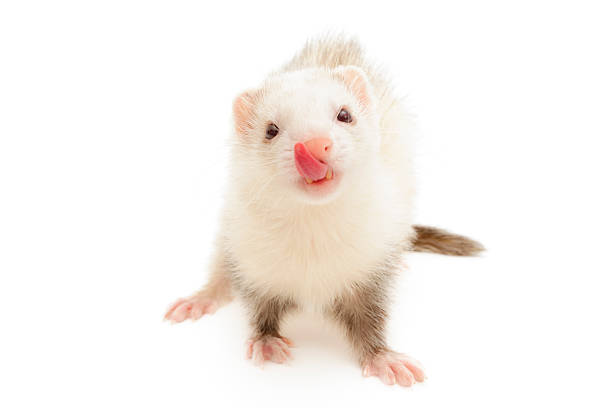
Deconstructing the Myth and Reality of Ferret Musk
Ferrets (Mustela putorius furo) are captivating, playful, and intelligent pets, but they are undeniably associated with a distinct, musky odor. This scent is often the primary reason potential owners hesitate, or the main frustration for existing owners. Contrary to popular belief, the ferret’s characteristic odor is not primarily caused by the infamous anal glands, nor is it a sign of poor hygiene. It is a complex blend of physiological secretions intrinsically linked to their species, their reproductive status, and their overall health.
This elaborate guide aims to demystify ferret scent, moving beyond common myths to provide a comprehensive understanding of the biological origins of the odor, the environmental factors influencing its intensity, and the proven, humane methods for effective management. We will explore the roles of sebaceous glands, hormones, diet, and husbandry practices, providing a scientifically grounded framework for coexisting happily with these unique mustelids.
Part I: The Anatomy and Physiology of Ferret Scent Production
To manage the odor effectively, one must first understand its source. Ferret scent is a sophisticated chemical signature produced by three primary sets of specialized glands distributed across their body.
A. The Role of the Anal Glands (The Misunderstood Source)
Anal glands are perhaps the most famous, yet least frequent, contributor to the daily musk of a pet ferret.
1. Function and Location
The anal glands are two small, pea-sized sacs located internally, just inside the rectum, flanking the anus. They produce a potent, oily, yellow-brown substance known as anal gland secretion.
2. The Nature of the Secretion
This secretion is primarily used for communication, defense, and territorial marking. It is powerful and acrid, capable of clearing a room instantly, but it is not the source of the constant, general body musk. A ferret typically expresses these glands only when extremely frightened, startled, or stressed. The scent dissipates relatively quickly after the initial evacuation, unlike the scent produced by the sebaceous glands.
3. The Myth of Descenting
Surgical removal of the anal glands (descenting, or anal sacculectomy) is a procedure often performed in the United States, usually when the ferret is spayed or neutered. While descenting eliminates the capacity for the ferret to ‘skunk’ when stressed, it has minimal impact on the daily, ambient musky smell. This is critical: Descenting does not make the ferret odorless. Owners who rely solely on this procedure for scent mitigation are often disappointed.
B. The Sebaceous Glands (The Primary Odor Source)
The sebaceous glands are the true architects of the ferret’s characteristic body odor. These microscopic glands are distributed across the entire skin surface, but are highly concentrated in the tail, neck, and shoulder areas.
1. Function and Secretion (Sebum)
Sebaceous glands are responsible for producing sebum, an oily, waxy substance composed of lipids (fats), cholesterol, and cellular debris. Sebum serves vital functions: lubricating the skin and coat, maintaining waterproofing, and providing a protective barrier against moisture loss and bacterial infection.
2. The Mechanism of Musk
The distinctive musk arises from the chemical composition of the sebum itself, combined with the metabolic processes of natural bacteria and yeast living on the skin surface. As the sebum oxidizes and breaks down, volatile organic compounds (VOCs) are released into the air—this is the smell we perceive as ‘ferret musk.’ Because these glands are constantly producing sebum, this odor is constant.
3. Constant Production and Hormonal Control
Sebum production is heavily regulated by sex hormones (androgens), meaning the output is tied directly to the ferret’s reproductive status. Intact (unneutered) ferrets release a significantly greater volume of highly pungent sebum than neutered ferrets.
C. Apocrine and Eccrine Glands (Scent and Heat Regulation)
Like many mammals, ferrets possess sweat glands, though they are much less efficient than human sweat glands.
1. Eccrine Glands
These glands produce purely aqueous (watery) sweat, primarily located on the footpads, and are responsible for small amounts of cooling. They contribute very little to the overall body odor, though a stressed or warm ferret might leave slight, temporary scent marks from their damp paws.
2. Apocrine Glands (The Scent Delivery System)
Apocrine glands are associated with hair follicles and release a thicker, protein-rich secretion directly into the hair shaft. While they serve a minor cooling function, they also act as an auxiliary delivery system for hormonal and pheromonal compounds. The breakdown of these proteins by skin bacteria contributes a secondary layer to the overall body musk.
Part II: Key Factors Influencing Scent Intensity
The level of musk produced by a ferret is not static. It fluctuates dramatically based on internal and external factors. Understanding these variables allows owners to pinpoint the most effective mitigation strategies.
A. Hormonal Status (The Dominant Factor)
The most significant variable affecting scent is the presence and concentration of sex hormones.
1. Intact Ferrets (Hobs and Jills)
- Hobs (Intact Males): The scent of an unneutered male is overwhelmingly strong, pungent, and often described as ‘skunky’ or ‘rancid.’ When a hob enters rut (mating season), his sebaceous glands hyper-secrete sebum, and he will use urine and body rubbing to aggressively mark territory. This scent is functionally repulsive to human senses but serves to attract females and ward off male rivals.
- Jills (Intact Females in Heat): While less overwhelmingly pungent than a hob, an unspayed female in estrus also experiences a significant increase in sebaceous output, increasing her overall musk.
2. Neutered/Spayed Ferrets
Surgically removing the primary sources of androgens (testes) and estrogens (ovaries) significantly reduces the hormonal trigger for sebum production. The musk of a neutered ferret is much milder, cleaner, and manages to be almost imperceptible to many people who spend time around them. This is the single most effective step in managing ferret odor.
B. Diet and Nutrition
The chemical composition of the food a ferret consumes directly impacts the quality and intensity of the scent produced by its sebaceous glands and the waste products it excretes.
1. The Importance of Animal Protein
Ferrets are obligate carnivores. Their digestive tract is short and designed to rapidly process high-quality animal protein and fat. Diets low in meat-based protein and high in grains, fiber, or plant-based proteins (such as corn, peas, or soy—common fillers in low-quality kibbles) put stress on the digestive system. Poorly digested food leads to foul-smelling feces and flatulence, and the metabolic waste products excreted through the skin (via sebum) contain offensive compounds.
2. Fish Oils and Supplements
While necessary for coat health, excessive or rancid fish oil (Omega-3s) supplements can lead to a distinctly ‘fishy’ odor permeating the ferret’s skin and breath. Moderation and quality control of supplements are essential.
C. Health Status (Pathological Odors)
While normal musk is physiological, a sudden or extreme change in odor is a critical clinical sign indicating illness.
1. Adrenal Gland Disease
Adrenal disease is rampant in the domestic ferret population. In this condition, an overactive adrenal gland often produces excessive sex hormones (even in neutered animals). A central symptom of adrenal disease is the return of the aggressive, pungent, ‘intact’ odor, sometimes accompanied by excessive oiliness of the coat and severe hair loss (alopecia). This pathological scent change demands immediate veterinary attention.
2. Gastrointestinal Disturbances
Bacterial overgrowth (e.g., Helicobacter), parasitic infections, or inflammatory bowel disease (IBD) can cause severe diarrhea or highly foul-smelling, often sweet or sour, feces and gas. This smell is distinctly separate from the normal musky odor.
3. Dental Disease
Severe dental disease and infection (periodontitis) often lead to debilitating halitosis (bad breath) that can permeate the immediate environment around the ferret.
Part III: Comprehensive Management and Mitigation Strategies
Effective management of ferret odor requires a holistic approach addressing hygiene, environment, and diet, rather than relying on masking agents or excessive bathing.
A. Environmental Control (The Ultimate Solution)
Since the majority of the ambient smell comes from sebum deposited on bedding and cage surfaces, environmental husbandry is the most powerful tool for odor control.
1. Bedding and Fabric Choices
Ferrets spend 75% of their lives sleeping. Sebum transfers heavily onto sleeping materials.
- Frequent Rotation: Bedding (hammocks, blankets, fleece liners) must be changed and washed much more frequently than for other pets—ideally every 2–3 days.
- Optimal Materials: Fleece and cotton are absorbent. Ensure they are washed thoroughly. Avoid cedar shavings or pine, which can irritate the ferret’s respiratory system.
- Washing Protocol: Use an unscented, hypoallergenic detergent. Adding 1/4 cup of distilled white vinegar or specialized enzymatic odor eliminators to the rinse cycle helps break down residue and neutralize trapped oils that normal detergent misses. Avoid fabric softeners, which leave a film that traps odor.
2. Cage and Habitat Maintenance
The cage itself acts as a scent reservoir, particularly plastic components which absorb oils and ammonia.
- Cage Material: Wire cages (powder-coated) are easier to sanitize than solid plastic tubs, which absorb the musky oils.
- Routine Scrubbing: The entire cage, including ramps, plastic trays, and toys, should be thoroughly wiped down and sanitized weekly. A solution of diluted vinegar and water is excellent for neutralizing ammonia from urine residue without leaving harsh chemical odors.
- Litter Box Discipline: Litter boxes must be scooped daily, and the litter changed completely every 2–3 days. Use paper-based, recycled, or wood-pellet litter—never clumping cat litter, which is dangerous if ingested.
3. Air Circulation and Filtration
Stagnant air magnifies odor concentration.
- Ventilation: Ensure the habitat is in a well-ventilated area, away from direct drafts.
- HEPA Filtration: High-Efficiency Particulate Air (HEPA) filters combined with activated charcoal filters are highly effective at capturing airborne particles (dander, hair) and neutralizing VOCs (odor molecules). Placing a high-quality air purifier near the cage can dramatically improve ambient air quality.
- Avoid Masking Agents: Air fresheners, diffusers, or scented candles do not eliminate odor—they merely mix scents, often resulting in an unpleasant combination that can be irritating or toxic to the ferret’s sensitive respiratory tract.
B. Diet Modification and Water Management
Optimizing the ferret’s internal chemistry through diet can reduce the pungency of the sebaceous secretions.
1. High-Quality, Meat-Based Diet
Transition the ferret to a premium kibble that mimics their natural prey diet: high in animal protein (35–40%), high in fat (18–30%), and extremely low in fiber (<3%). The primary ingredients should be identifiable meats (chicken, turkey, lamb, beef). Reducing the metabolic stress of processing indigestible materials results in cleaner waste and less pungent sebum.
2. Hydration
Ensure constant availability of clean, fresh water. Adequate hydration aids in waste elimination and contributes to overall health, subtly reducing the concentration of metabolic byproducts in secretions.
C. Bathing: Less is More
The concept of bathing a ferret frequently to eliminate odor is counterproductive and harmful.
1. The Rebound Effect
When a ferret is bathed, the detergents strip the protective layer of natural sebum from the skin. The body’s immediate physiological response is to compensate for the loss by triggering the sebaceous glands to hyper-secrete oil. This ‘rebound effect’ results in the ferret becoming oilier and muskier within 24–48 hours of the bath.
2. Recommended Frequency
Ferrets should be bathed no more than once every four to six weeks. Many owners find that excellent environmental hygiene negates the need for bathing entirely, except during shedding season or when the ferret has physically soiled itself.
3. Bathing Technique
- Use appropriate products: Use specific ferret shampoos, or gentle, non-irritating, soap-free products like hypoallergenic oatmeal dog/cat shampoo.
- Lukewarm water: Use shallow, lukewarm water to avoid stress or hypothermia.
- Thorough Drying: Dry the ferret immediately and thoroughly with a towel, and if necessary, a low-heat blow dryer. An excited, damp ferret will often roll around vigorously, using the familiar scent of clean bedding to re-establish their natural odor profile.
D. The Controversial Topic of Anal Gland Expression
Anal gland expression involves squeezing the anal sacs to release the accumulated secretion. This procedure is not a regular part of ferret hygiene and is strongly discouraged for standard odor management.
- Veterinary Procedure Only: Anal glands should only be expressed by a veterinarian or an experienced, trained veterinary technician, and only when medically necessary (e.g., if the glands are impacted or infected).
- Risk of Trauma: Improper technique can cause serious trauma, inflammation, pain, or rupture of the sacs.
- It Does Not Affect Musk: Since the anal glands are not the source of daily musk, expressing them offers no residual benefit for general odor control.
Part IV: Pathological Odors and Health Indicators
A ferret’s characteristic musk is generally consistent. Any radical, sudden, or unfamiliar change in smell should be treated as a potential warning sign of underlying health issues.
A. Analyzing Specific Odor Changes
| Scent Description | Potential Cause | Action Required |
|---|---|---|
| Sweet, Fruity, or Acetone | Diabetic ketoacidosis (rare but serious). The body is breaking down fats for energy. | Immediate Veterinary Emergency. |
| Intensely Pungent/Rancid (Intact Smell) | Adrenal gland disease (most common cause), or the return of reproductive status post-neutering (rare, incomplete castration). | Veterinary Appointment for blood work and potential implant (e.g., Deslorelin). |
| Foul, Rotting Meat/Acre | Severe dental disease, decaying tumors in the mouth or digestive tract. | Veterinary Appointment for dental exam and imaging. |
| Hyper-Foul Feces/Gas | Intestinal parasites (Coccidia, Giardia), bacterial enteritis (e.g., ECE), or severe inflammatory bowel disease. | Veterinary Appointment with fecal sample analysis. |
| Ammonia Smell | Severe, concentrated ammonia from poorly managed urine. Not a body odor, but an environmental hazard. | Immediate and Thorough Cage Cleaning. |
| Fishy Odor (Slight) | Excess fish oil supplementation or rancid oils in the diet. | Review and adjust dietary supplements. |
B. The Elderly Ferret and Odor
As ferrets age, their metabolism slows and their ability to groom themselves may decrease, especially if they suffer from arthritis.
- Lack of Grooming: Senior ferrets require more frequent assistance with spot cleaning and bathing of the hindquarters, which can become soiled if movement is painful.
- Compounding Illnesses: Older ferrets are prone to diseases like insulinoma and heart disease, which often change their metabolic scent profile. Increased vigilance regarding environmental and personal hygiene is necessary.
Part V: Psychological and Social Aspects of Ferret Scent
Understanding ferret scent also involves appreciating its importance to the animal itself and how human perception affects the relationship.
A. Scent as Communication
For ferrets, scent is a primary form of communication, far more important than vocalization.
- Territorial Marking (Scent Dragging): Ferrets often drag their bodies, particularly their flanks and tails, across surfaces, depositing sebum to mark their territory, denote boundaries, and confirm ownership of resources (like food and bedding).
- Recognition: Ferrets recognize members of their “business” (group) by scent. A ferret that smells unfamiliar (e.g., immediately after a bath) may temporarily be treated with suspicion or aggression by its cage mates until its natural scent returns.
- Security and Comfort: The familiar musk of their bedding and their companions provides a profound sense of security. Excessive cleansing of the environment can cause stress because it strips away all familiar scent markers.
B. Human Habituation and Perception
Human olfactory perception of ferret musk varies widely, depending on genetics, environment, and exposure frequency.
- Habituation (Odor Blindness): Owners who spend significant time around their ferrets often become habituated to the musk, sometimes realizing it only when leaving and returning, or when prompted by a visitor.
- The Power of Association: While chemically similar to the scent components of certain other musky animals (like weasels and skunks), the smell is often perceived more negatively due to lack of familiarity. Educating visitors about the biological source of the odor (sebum) can often lessen initial negative reactions.
C. The Ethical Consideration of Minimizing Odor
While extensive odor management is necessary for keeping ferrets indoors, it is crucial to remember that this process is for human comfort.
- Goal: The goal of comprehensive management is not to achieve an odorless state—which is biologically impossible and stressful for the ferret—but to maintain a clean, subtle musk that is tolerable and natural.
- Avoiding Perfumes: Never use perfumes or essential oils directly on the ferret to mask scent. Their sense of smell is far more acute than ours, and these chemicals can be disorienting, toxic, or cause severe respiratory inflammation.
Conclusion: Living Harmoniously with the Musk
The domestic ferret’s notorious musky odor is a fascinating byproduct of its mustelid biology, intricately tied to its reproduction and skin health. It is a constant, unavoidable presence, but one that can be managed effectively through disciplined husbandry.
By shifting focus from the anal glands to the sebaceous glands, and by committing to rigorous environmental cleaning, appropriate diet, and minimal bathing, owners can successfully reduce the intensity of the musk to a level that is subtle and manageable. A well-cared-for, hormonally stable ferret will emit a natural, warm, and generally clean musk that is simply the characteristic signature of this engaging and wonderful companion animal.
#FerretOdorFacts, #FerretMusk, #FerretCareTips, #ExoticPetHusbandry, #FerretHealth, #MustelidScent, #FerretLove, #PetCareGuide, #SebaceousGlands, #TruthAboutFerrets, #FerretsOfInstagram, #OdorManagement, #AskAVet, #AdrenalDiseaseAwareness, #FerretLife.


Add comment