
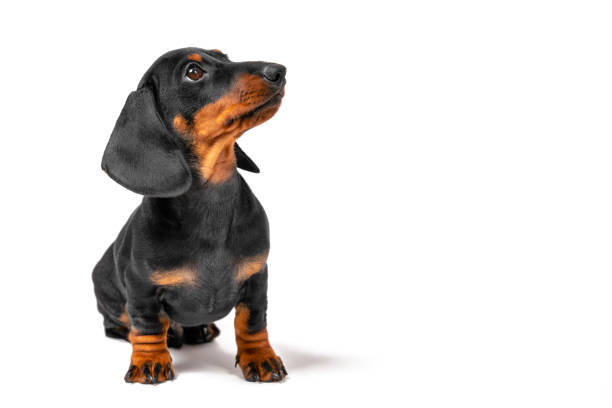
Puppy play biting and mouthing are completely normal and instinctive behaviors that puppies use to explore their world, interact with their littermates, and learn bite inhibition. While it can be frustrating for owners, understanding why puppies do this and how to manage it is key to raising a well-behaved canine companion.
This comprehensive guide will delve into the nuances of puppy play biting and mouthing, covering:
I. The “Why” Behind Puppy Play Biting & Mouthing
- Exploration and Learning: Puppies don’t have hands like humans. Their mouths are their primary tools for exploring textures, tastes, and the environment around them. They learn about the world by putting things in their mouths.
- Socialization and Communication:
- With Littermates: Puppies learn crucial social cues from their siblings. When one puppy bites too hard during play, the other yelps and stops playing. This teaches the biting puppy to moderate their pressure.
- With Mother: The mother dog also plays a role. She may gently correct puppies who bite too roughly, further reinforcing bite inhibition.
- Teething: As puppies grow, their baby teeth fall out and are replaced by adult teeth. This process can be uncomfortable and lead to increased chewing and mouthing.
- Excitement and Overstimulation: Puppies, especially energetic young ones, may bite and nip when they are overexcited, playing intensely, or feeling a surge of adrenaline.
- Seeking Attention: Sometimes, puppies learn that biting or nipping gets them a reaction from their human family, even if it’s a negative one. This can inadvertently reinforce the behavior.
- Developing Jaw Strength and Coordination: Play biting helps puppies exercise their jaw muscles and develop coordination.
II. Distinguishing Play Biting from Other Behaviors
It’s important to differentiate normal play biting from other potential issues:
- Aggression: Aggressive biting is usually accompanied by a stiff body, raised hackles, growling, snarling, lunging, or a hard stare. Play biting is typically loose, bouncy, and characterized by wagging tails and relaxed body language.
- Fear-Based Biting: This occurs when a puppy feels threatened or cornered and bites to defend themselves.
- Resource Guarding: This involves biting when a puppy is protecting a valuable item (food, toy) from being taken away.
If you are unsure whether your puppy’s biting is play-related or a sign of aggression or fear, consult a qualified professional dog trainer or veterinary behaviorist.
III. Understanding Bite Inhibition: The Crucial Skill
Bite inhibition is the learned ability to control the force of a bite. Puppies are born with the instinct to bite, but they need to be taught how to temper that bite so it doesn’t cause harm. This is primarily learned through interactions with littermates and their mother, and reinforced by you.
IV. Strategies for Managing and Redirecting Puppy Play Biting
The goal is not to eliminate biting entirely, but to teach your puppy that biting people is not acceptable and to control the pressure of their mouth.
A. The “Ouch!” Method (Yelping)
- When your puppy bites down hard: Immediately let out a sharp, high-pitched “Ouch!” or “Ow!” This mimics the yelp of a littermate.
- Withdraw: Instantly stop all interaction. Pull your hand away, turn your back, and ignore your puppy for 10-20 seconds.
- Resume Play: If your puppy is calm and not biting, you can resume playing. If they bite hard again, repeat the process.
- Consistency is Key: Every member of the household needs to be consistent with this method for it to be effective. This teaches the puppy that hard bites end the fun.
B. Redirection
- Keep Toys Handy: Always have appropriate chew toys readily available.
- Offer a Toy: When your puppy starts to mouth or bite your hands or clothing, immediately offer them an acceptable chew toy.
- Praise Chewing: When they chew on the toy, praise them enthusiastically. This reinforces that toys are for chewing, not your hands.
- Vary Toys: Offer a variety of textures and types of toys to keep them engaged.
C. Time-Outs
- For Persistent Biting: If the “Ouch!” method and redirection aren’t working, or if the biting is becoming excessively intense, a brief time-out can be effective.
- Gentle Removal: Gently remove your puppy from the situation. This could mean placing them in a playpen or a designated “calm-down” area for a short period (30-60 seconds).
- No Punishment: The time-out is not a punishment; it’s a way to remove the puppy from a situation where they are overstimulated and biting. When they are calm in the time-out area, they can be released.
D. Managing Overstimulation and Excitement
- Recognize the Signs: Learn to recognize when your puppy is getting overexcited. Signs include intense barking, frantic movements, and increased nipping.
- Interrupt and Calm: When you see these signs, calmly interrupt the play and engage in a less stimulating activity, like gentle petting or giving them a chew toy.
- Avoid Rough Play with Hands: Resist the urge to wrestle or play rough with your puppy using only your hands. This can escalate their excitement and encourage biting.
E. Teaching “Soft Mouth”
This is a more advanced technique and is best started once the basic “Ouch!” method is somewhat established.
- Gentle Mouthing: Allow your puppy to gently mouth your hand.
- Apply Slight Pressure: As they mouth, gently apply a tiny bit of pressure with your fingers.
- Reward Calmness: If they relax their pressure or stop mouthing, praise them.
- Increase Pressure Gradually: Over time, you can gradually increase the pressure you apply, rewarding them for not clamping down harder. This helps them understand the difference between gentle and hard pressure.
F. Providing Enough Mental and Physical Stimulation
- Exercise: Ensure your puppy is getting enough age-appropriate exercise. A tired puppy is less likely to be overly excitable and prone to nipping.
- Mental Enrichment: Puzzle toys, training sessions, and scent games can help tire your puppy’s brain, which is just as important as physical exercise.
- Socialization: Safe and positive interactions with other well-behaved, vaccinated dogs can help them learn appropriate play behaviors.
V. What Not to Do
- Punish or Hit: Never hit or physically punish your puppy for biting. This can create fear, anxiety, and may even lead to more serious aggression problems.
- Yank Your Hand Away: When a puppy bites down hard, avoid instinctively yanking your hand away. This can trigger their prey drive and make them bite harder. Pull away slowly and calmly.
- Ignore Severe Biting: If your puppy is biting aggressively or causing injury, don’t just ignore it. Seek professional help immediately.
- Allow Biting of Certain People/Things: Be consistent. If biting is not allowed on hands, it’s not allowed on anyone’s hands.
VI. When to Seek Professional Help
While play biting is normal, there are times when you should consult a professional:
- Aggressive Biting: If your puppy exhibits signs of aggression (stiff body, growling, snarling, hard stare).
- Biting that Causes Injury: If your puppy’s bites are consistently breaking the skin.
- Lack of Improvement: If you’ve been consistent with management techniques for several weeks with no noticeable improvement.
- Fear-Based Biting: If you suspect your puppy is biting out of fear.
- Resource Guarding: If your puppy bites when protecting their food or toys.
A certified professional dog trainer (CPDT-KA or CPDT-KSA) or a veterinary behaviorist can provide tailored advice and guidance.
VII. Patience and Consistency: The Golden Rules
Raising a puppy is a marathon, not a sprint. Teaching bite inhibition and appropriate mouthing takes time, patience, and unwavering consistency. Every interaction is a learning opportunity for your puppy. By understanding their natural behaviors and implementing positive, consistent training methods, you can successfully guide your puppy through this phase and build a strong, trusting relationship.







Add comment