
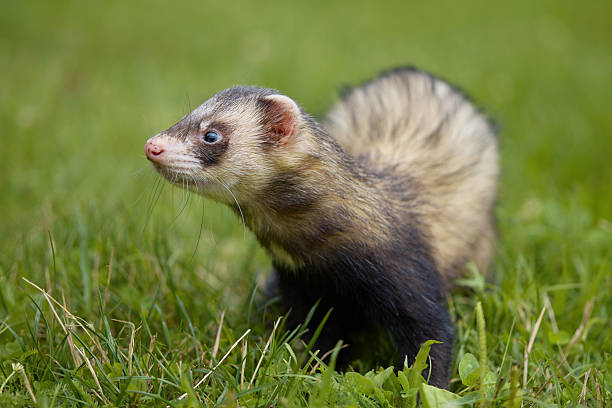
The ferret, Mustela putorius furo, is a fascinating and complex creature whose domestication history stretches back millennia. As a member of the diverse weasel family (Mustelidae), it shares ancestry with otters, badgers, mink, and stoats. Specifically, the ferret is classified as a subspecies derived from the European polecat (Mustela putorius). The designation furo (Latin for “thief”) aptly describes their notorious habit of hoarding small objects.
Unlike cats and dogs, which are domesticated generalists, the ferret remains an obligate carnivore with stringent biological requirements rooted in its Mustelid heritage. Understanding the ferret requires appreciating its unique blend of primal hunting instincts and adaptable, playful domestic companionship. This guide provides an exhaustive exploration of their biology, history, behavior, and the specialized care necessary for their overall welfare.
| Classification Level | Designation |
|---|---|
| Kingdom | Animalia |
| Phylum | Chordata |
| Class | Mammalia |
| Order | Carnivora |
| Family | Mustelidae (Weasels) |
| Genus | Mustela |
| Species | Mustela putorius (European Polecat) |
| Subspecies | Mustela putorius furo (Domestic Ferret) |
II. Anatomy and Physiology: The Specialized Carnivore
The ferret’s torpedo-shaped body, short limbs, and flexible spine are evolutionary adaptations optimized for navigating tunnels and hunting burrowing prey. Their average lifespan ranges typically from 6 to 10 years, though environmental and genetic factors, particularly the prevalence of endocrine diseases, often impact longevity.
A. Musculoskeletal and Integumentary Systems
- Skeletal Structure: The ferret possesses 34 vertebrae, contributing to its extreme flexibility. There is no clavicle (collarbone), which further allows the chest cavity to compress, facilitating movement through narrow spaces.
- Dentition: Ferrets have highly specialized teeth characteristic of an obligate carnivore, designed for shearing and crushing bone, not grinding plant matter. They possess 34 permanent teeth (I 3/3, C 1/1, P 3/3, M 1/2). The large, pointed canines are used for piercing prey, while the modified premolars and molars (carnassial teeth) function like scissors to slice meat.
- Integument and Scent: Ferrets possess two types of scent glands: anal sacs and sebaceous glands distributed across the skin.
- Anal Glands: These glands, positioned at the 4 and 8 o’clock positions surrounding the anus, produce a foul-smelling, musky secretion used primarily in defense or extreme stress. While commonly removed in the exotic pet trade (descenting), this procedure does not eliminate the innate musky odor caused by the sebaceous glands, which is influenced by hormonal status (especially in unneutered animals).
- Coat Cycles: Ferrets experience dramatic seasonal changes in their coat density and weight, often shedding heavily in the spring and developing a dense undercoat in the autumn.
B. Gastrointestinal System and Metabolism
The ferret’s digestive anatomy is fundamentally different from omnivores or herbivores, dictating their critical need for high-quality animal protein and fat.
- Short GI Tract: The ferret possesses an exceptionally short intestinal tract (a simple tube structure) with a minimal cecum and colon. Food transit time is extremely rapid, typically only 3 to 4 hours. This efficient, rapid processing mechanism necessitates a constant intake of highly digestible, nutrient-dense calories.
- Metabolism: They have a high resting metabolic rate and, due to their short intestinal tract, cannot utilize complex carbohydrates or fiber. The diet must sustain their required 30-40% animal protein and 18-30% fat composition.
- Pancreas: The pancreas is disproportionately important in ferrets due to the high incidence of Insulinoma (a tumor of the beta cells).
C. Reproductive Anatomy
Ferrets exhibit seasonal breeding patterns. Males are called hobs, and females are called jills.
- Jills (Females): Jills are induced ovulators. If a female remains unbred during estrus (heat), the persistently elevated estrogen levels can lead to aplastic anemia (estrogen toxicity), a life-threatening condition requiring emergency medical intervention, often an ovariohysterectomy or hormonal treatment. This grave risk mandates that non-breeding females must be spayed (neutered) or chemically suppressed.
- Hobs (Males): Males possess a J-shaped baculum (penile bone), unique among many small mammals. Hobs undergo dramatic seasonal weight gain and hormonal fluctuation referred to as ‘rut,’ resulting in an intensified musky odor and reproductive behavior.
III. Historical Context and Domestication
The domestication of Mustela putorius furo began approximately 2,500 to 3,000 years ago, originating likely in North Africa or the Iberian Peninsula. The primary hypothesis points to the European polecat (Mustela putorius) as the ancestor, though some genetic studies suggest possible hybridization with the Steppe polecat (Mustela eversmanii).
A. The Working Animal: Medieval to Modern
Ferrets were not originally domesticated as companion animals; they were bred for their exceptional ability to hunt.
- Ferreting (Rabbit Hunting): Their primary historical role involves rabbit control, a practice still utilized in parts of Europe and Australia. The ferret is sent down a rabbit warren, causing the rabbits to bolt into waiting nets or traps. This process, known as ‘ferreting,’ is the source of the term itself.
- Pest Control and Industry: They were historically used to clear rodents and, famously, were employed to string cables through long pipes and conduits, especially in early electrical and construction industries due to their ability to navigate cramped, dark spaces.
B. Modern Pet Status and Genetic Lines
Ferrets gained popularity as exotic pets in the United States and Europe during the late 20th century. Most modern ferrets trace their lineage back to commercial breeding facilities.
- Color Variations: Ferrets exhibit diverse coat colors, including sable (the most common, resembling the polecat), albino (white with red eyes), dark-eyed white (DEW), cinnamon, and panda (white head).
- The Marshalls Line: In North America, the vast majority of ferrets are sourced from a single large commercial breeder (Marshall Farms), leading to a relatively small genetic pool. This contributes to the high prevalence of certain inheritable endocrine diseases.
IV. Behavioral Ecology
Ferrets are complex, intelligent, and highly social animals. Their behavior is a blend of their predatory wild heritage and thousands of years of human association.
A. Social Structure and Communication
Ferrets are typically obligately social. They thrive in groups (often called a ‘business’) and need companionship, whether human or conspecific.
- Vocalization: Ferrets communicate primarily through soft sounds.
- Dooking: A soft, clucking sound indicating happiness, excitement, or playful engagement.
- Hissing/Screaming: Warning or distress calls, often heard during fear or pain.
- Chirping/Whispering: Used during mating displays or intense curiosity.
- Scent Marking: Beyond the anal gland musk, ferrets use urination and dragging (rubbing their bodies) to scent-mark territories and individuals.
B. Unique Ferret Behaviors
- The Ferret War Dance (Ferreting Frenzy): This is perhaps the most iconic ferret behavior. When excited, playful, or ready to hunt, the ferret puffs its tail, arches its back, and performs a series of erratic, hopping movements, often bumping into objects and chattering. This is a sign of intense joy and predatory play.
- Dooming/Dead Sleep: Ferrets are notorious for falling into extremely deep, unresponsive sleep cycles, sometimes lasting for hours. They can be difficult to wake and appear lifeless, causing alarm to new owners. As long as the ferret is warm and breathing normally, this profound state of sleep (often referred to as ‘dooming’) is normal.
- Tunneling and Digging: Rooted in their polecat ancestry, ferrets have an instinctual desire to dig and create tunnels. This must be accommodated through deep bedding or sand/rice boxes for enrichment.
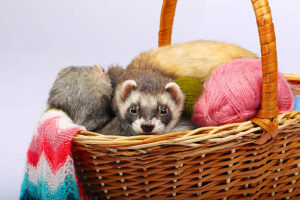
- Hiding and Hoarding (Caching): The furo (thief) designation is earned by the ferret’s habit of “mustelid mischief”—stealing and caching small items, especially soft, shiny, or interesting objects, in secluded hiding spots.
V. Housing and Environmental Enrichment
Providing a safe, stimulating, and appropriate environment is crucial for ferret welfare, mitigating boredom and preventing injury.
A. Caging Requirements
Ferrets spend significant time in their cage, but they are not strictly cage animals and require 4+ hours of daily supervised playtime.
- Size and Structure: Multi-level cages (like converted rabbit or chinchilla cages) are ideal, providing vertical space for climbing and exploration. Wire flooring must be avoided or covered with solid platforms or carpet squares to prevent pododermatitis (sore hocks).
- Bedding: Ferrets prefer soft, washable materials—old t-shirts, towels, or pre-made fleece pouches and hammocks. Cedar and pine shavings are strictly prohibited due to potential respiratory irritation and liver toxicity from volatile oils (phenols).
- Litter Training: While trainable, ferrets are not as naturally inclined to use a litter box as cats. They instinctively choose corners. Owners should utilize paper-based pellets or recycled newspaper litter in corner boxes. Clay litters are strictly avoided due to dust inhalation hazards.
B. Enrichment and Safety Proofing
Ferrets are masters of escape and accessing dangerous areas. The play area must be meticulously ferret-proofed.
- Hazard Identification: Due to their small size and tenacity, ferrets can squeeze through tiny gaps, crawl behind appliances (risking electrical shock), and chew on soft, ingestible hazards.
- The Danger of Rubber: Ferrets have a documented history of chewing on rubber, foam, and soft plastic (especially shoe soles, remote buttons, and earplugs). Ingestion of these foreign bodies is one of the leading causes of surgical intervention in ferrets.
- Enrichment Tools: Enrichment should focus on activities that stimulate hunting patterns.
- PVC pipes (tunnels).
- Dig boxes filled with shredded paper, rice, or dried beans (supervised).
- Wrestling toys (socks, balls too large to swallow).
VI. Nutrition: The Obligate Carnivore Diet
Dietary mismanagement is one of the most common causes of illness in domestic ferrets, contributing to GI upset and, over time, the development of Insulinoma.
A. Essential Nutritional Components
Ferrets require a diet high in animal protein, moderate in fat, and extremely low in fiber and carbohydrates.
- Protein: Must be highly digestible and meat-based (not plant-based proteins like corn gluten meal). A minimum of 30% crude protein, ideally derived from poultry, lamb, or beef sources.
- Fat: Essential for energy and coat health. Crude fat content should be between 18% and 30%.
- Carbohydrates and Fiber: Ferrets lack the digestive enzymes (specifically sucrase) necessary to utilize complex carbohydrates effectively. Excessive carbohydrates stress the pancreas and are a major contributing factor to the high incidence of Insulinoma.
B. Dietary Recommendations (Kibble vs. Raw)
- Commercial Kibble: The most practical and common method. Ferret-specific kibbles designed by specialized manufacturers are ideal. If unavailable, high-quality, grain-free kitten foods (not cat food) may be used temporarily, provided they meet the high protein/fat requirements and contain zero grains or vegetable fillers.
- Raw/Whole Prey Diet (Biologically Appropriate Diet): A growing movement favors feeding ferrets a diet of whole, frozen, raw prey (mice, chicks) or commercially prepared raw meat blends specifically balanced for ferrets. This diet most closely mimics their natural intake but requires diligent attention to nutritional balance and handling hygiene to prevent bacterial contamination.
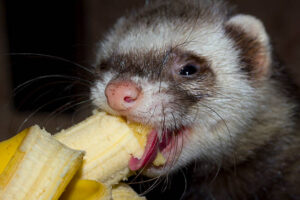
- Absolutely Prohibited Foods: Grains, vegetables, fruits (even small amounts of sugar are detrimental), dairy, chocolate, and caffeine.
VII. Health and Veterinary Care (A Deep Dive into Endocrine Disease)
Ferrets require specialized veterinary care from practitioners experienced in exotic pet medicine. They are prone to several distinct diseases that demand specific diagnosis and treatment protocols.
A. Zoonotic and Preventive Care
- Vaccinations: Ferrets require annual vaccinations against Canine Distemper Virus (CDV), which is almost universally fatal in ferrets. They also require an annual Rabies vaccination.
- Heartworm and Flea Prevention: Depending on geographical location, heartworm prevention (using medications such as ivermectin or selamectin prescribed off-label) and topical flea control are necessary.
- Sterilization and Anemia Risk: The mandatory desexing of female ferrets (jills) at a young age is crucial to prevent fatal aplastic anemia resulting from prolonged estrus.
B. The Endocrine Triad (The Big Three Diseases)
The vast majority of serious illness in older ferrets revolves around three distinct endocrinopathies (hormonal diseases) that often occur concurrently.
1. Adrenal Gland Disease (Hyperadrenocorticism)
This is the most common serious disease in North American ferrets, affecting the adrenal glands (often benign tumors) and causing the overproduction of sex hormones (primarily estradiol and androstenedione), rather than the cortisol seen in dogs and humans (Cushing’s).
- Symptoms: Progressive, symmetrical hair loss (alopecia), often starting at the base of the tail and moving forward; severe pruritus (itching); muscle wasting; and distinct enlargement of the vulva in spayed females or prostate enlargement in males (leading to urinary blockage).
- Diagnosis: Requires specific assays (e.g., measuring adrenal hormone levels) or ultrasound visualization of enlarged adrenal glands.
- Treatment: While surgery (adrenalectomy) is curative for isolated tumors, medical management is common. GnRH Agonist Implants (Deslorelin) or monthly Lupron injections suppress the pituitary-gonadal axis, providing symptom relief and slowing tumor progression.
2. Insulinoma (Pancreatic Beta Cell Tumor)
Insulinoma is a tumor of the beta cells in the pancreas, leading to the excessive secretion of insulin, drastically lowering blood glucose (hypoglycemia). It is the second most common cancer in ferrets.
- Symptoms: Extreme lethargy, chronic weight loss, hypersalivation (drooling), focal seizures, pawing at the mouth, and hind-end weakness (ataxia). In severe crashes, the ferret may lose consciousness.
- Emergency Treatment: Immediate application of a highly concentrated sugar source (e.g., Karo syrup or diluted honey) rubbed onto the gums to stabilize blood sugar, followed by immediate veterinary care.
- Long-Term Management: Requires oral medications like Prednisone (a glucocorticoid that raises blood sugar) and Diazoxide (a medication that inhibits insulin release). Dietary management focuses on frequent, small, meat-based meals.
3. Lymphoma/Lymphosarcoma
Lymphoma, a cancer of the lymphatic system, is the most common malignancy found in ferrets, often manifesting aggressively, even in young animals (juvenile lymphoma).
- Symptoms: Non-specific signs such as chronic, severe weight loss (cachexia), lethargy, dyspnea (difficulty breathing due to thoracic masses), and palpable lymph node enlargement or splenomegaly.
- Diagnosis: Requires bloodwork, radiographs, ultrasound, and often fine-needle aspirates (FNA) or biopsy.
- Treatment: Primarily chemotherapy protocols (using drugs like L-asparaginase, vincristine, and cyclophosphamide), which can sometimes induce remission and significantly improve quality of life, though rarely curative.
C. Other Common Ailments
- Cardiomyopathy: Ferrets are susceptible to heart disease, particularly dilated cardiomyopathy (DCM). Symptoms include coughing, exercise intolerance, and ascites (fluid in the abdomen). Treatment includes traditional cardiac medications (e.g., diuretics, ACE inhibitors).
- Aleutian Disease Virus (ADV): A parvovirus that can cause chronic wasting and immune complex formation. While ferrets can carry the virus asymptomatically, symptomatic ferrets often display progressive neurological signs, tremors, and rear-end paresis. There is no cure, and testing is crucial in breeding operations.
- Foreign Body Obstruction: Highly prevalent due to their tendency to ingest rubber and foam. Symptoms include acute anorexia, vomiting, lethargy, and dark, tarry stools (melena). Requires immediate surgical intervention.
VIII. Reproduction and Breeding Considerations
Ethical breeding of ferrets is challenging due to the pervasive genetic risks associated with the limited gene pool and the complexities of reproductive health.
A. The Reproductive Cycle
- Gestation: The gestation period for a jill is short, approximately 42 days.
- Kits: A litter of ferrets (kits) usually contains 6 to 8 offspring. Kits are born altricial (blind, deaf, and hairless) and are entirely dependent on maternal care for the first 8 weeks.
- Weaning: Kits are typically weaned onto solid food (kibble) between 6 and 8 weeks and should not be separated from their mother before 8 weeks of age to ensure proper socialization and immune development.
B. Ethical and Health Dilemmas
The pervasive nature of the endocrine triad (Adrenal Disease and Insulinoma) necessitates careful genetic selection in breeding. The early spaying/neutering practices ubiquitous in the US pet trade—designed to prevent the fatal aplastic anemia in jills and reduce aggression/musk odor in hobs—may inadvertently contribute to the development of adrenal disease later in life due to hormonal feedback disruption. Some advanced veterinary centers now advocate for late-stage sterilization or chemical sterilization (Deslorelin implants) to mitigate these risks.
IX. Legal and Ethical Considerations
The ferret’s status as a domesticated exotic animal varies dramatically worldwide, affecting ownership rights and research utility.
A. Legal Status
- Prohibition and Restriction: Ferrets are outright banned in certain jurisdictions, most famously California and Hawaii, due to concerns about their potential invasiveness if established in local ecosystems (Hawaii) or perceived risks to native wildlife (California). Regulations vary widely at the municipal level regarding permits and licensing.
- Working Animal Status: In regions where ferreting is still practiced legally (e.g., the UK), they are considered working animals, subject to distinct regulations separate from companion pets.
B. Research Use
Ferrets are considered vital animal models in biomedical research, particularly for infectious diseases.
- Influenza Research: The ferret’s respiratory system and susceptibility to influenza viruses closely mimic human responses, making them the preferred model for testing new vaccines and antiviral treatments for human flu strains.
- Other Uses: They are also used in studies related to cardiovascular function and certain toxicological tests due to their rapid metabolism.
X. Conclusion: The Unique Companion
The ferret, Mustela putorius furo, is an animal of contradictions: a fierce, sleek predator reduced in size and tempered by domestication into a playful, interactive companion. Their deep sleep, infectious ‘war dance,’ and chronic thievery endear them to their owners, but their specialized biology demands dedicated commitment.
Owning a ferret requires understanding the critical dietary needs of an obligate carnivore and the high probability of managing complex endocrine diseases later in life. By providing a safe environment, appropriate nutrition, routine exotic veterinary care, and ample social interaction, the ferret rewards its human companions with a decade of unique mischief and affectionate loyalty, solidifyying its place as one of the most distinctive members of the Mustelid family to grace the domestic sphere.
#FerretFacts, #MustelaPutoriusFuro, #ExoticPetCare, #FerretHealth, #AdrenalDisease, #Insulinoma, #FerretNation, #FerretsOfInstagram, #PocketPet, #ObligateCarnivore, #Ferreting, #MustelidLove, #FerretEnrichment, #ExoticVetMed, #FerretsAreWeird
Add comment