
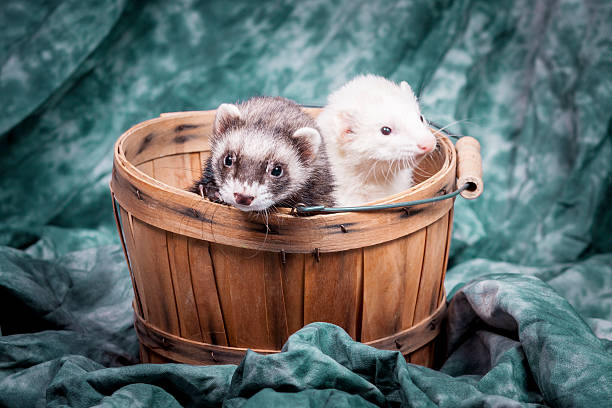
The domestic ferret (Mustela putorius furo), a creature of inherent curiosity and playful energy, spends approximately 75% of its life asleep. Yet, their rest is rarely a solitary affair. The ferret sleep pile—a dynamic, tangled mass of fur, limbs, and contented sighs—is perhaps the most profound manifestation of their social structure, instinctual heritage, and psychological well-being. This elaborate guide delves deeply into the science, sociology, warmth, and soundscape of the ferret cuddle culture, focusing particularly on the integral role played by “Dooking” in their communal existence.
Part I: The Genesis of the Sleep Pile – Instinct, Domestication, and Mustelid Heritage
To understand why ferrets pile, one must first look back at their ancestry. Ferrets are domesticated versions of the European Polecat (Mustela putorius). Unlike solitary predators such as foxes or some types of weasels, polecats are often found dwelling in communal dens, especially during cooler months or when females are raising kits. This collective den behavior is the foundation of the modern ferret’s incessant need to cluster.
1. The Survival Mandate: The Obligate Burrower
Ferrets are obligate burrowers and den users. In the wild, dens offer crucial protection from predators, harsh weather, and environmental instability. A solitary ferret in a den, while safe, is exposed to greater risk if the den is compromised, and faces greater thermal challenges. The sleep pile is not merely a preference; it is a primal, hardwired survival strategy rooted in five key imperatives:
- Thermal Regulation (Thermoregulation): Conserving body heat.
- Security and Vigilance: Mutual protection.
- Scent Marking and Familiarity (Cohesion): Establishing group identity.
- Resource Allocation: Saving energy.
- Social Affiliation (Affection/Comfort): Reducing stress.
2. Defining the “Business”: Societal Structure
Ferrets are unique in that a group of them is officially called a “business.” This term, while perhaps sounding formal, perfectly encapsulates the highly organized (though often messy looking) way ferrets conduct their daily lives, particularly their rest periods. The sleep pile is the business’s centralized headquarters—the core of their social agreement.
Within the business, the sleep pile reinforces bonds established during wakeful play and exploration. A ferret that is isolated or removed from the pile experiences significant stress, reflecting the instinctive understanding that separation equals vulnerability.
Part II: Thermal Dynamics and Biological Necessity – The Science of the Snuggle
The primary and most crucial function of the sleep pile is thermoregulation. Ferrets maintain a relatively high body temperature (around 100°F to 104°F or 37.8°C to 40°C) and, due to their long, slender bodies (the definition of a mustelid), they have a high surface-area-to-volume ratio. This ratio means they lose heat rapidly.
1. Heat Conservation: The Physiological Advantage
When ferrets cluster, they minimize the exposed surface area of the group, drastically reducing the rate of heat loss.
- The Anchor Ferret: Often, one or two larger, calmer ferrets serve as the base, or “Anchor,” of the pile. Their stable body temperature offers a foundation of warmth.
- The Peripheral Snugglers: Smaller, younger, or recently active ferrets burrow directly into the body mass, maximizing contact and minimizing exposure to the open air. Their high metabolism contributes fresh heat to the core.
Studies observing thermal imagery of ferret piles confirm that the core temperature of a nested pile remains significantly higher and more stable than the ambient temperature, crucial for energy conservation during long periods of rest.
2. The Role of Sleep Cycles and Torpor
Ferrets are polyphasic sleepers, meaning they sleep in multiple bouts throughout the day, alternating between periods of intense, erratic play. Their sleep is often characterized by extreme depth; they can be difficult to wake, sometimes leading inexperienced owners to panic.
- Deep Sleep vs. Torpor: While the pile facilitates deep, restorative sleep, it also helps prevent involuntary states of emergency rest, such as mild torpor. Torpor is a state of reduced metabolic activity, often induced by cold or lack of food. Although domestic ferrets should never enter true torpor, the instinctual drive to huddle is a biological mechanism designed to prevent the need for this energy-saving, but potentially dangerous, physiological slowdown. The pile ensures warmth and metabolic stability, allowing for uninterrupted REM (Rapid Eye Movement) sleep, where the characteristic twitching, mild whimpers, and light dooking occur.
3. Scent and Sensory Familiarity
Ferrets heavily rely on their sense of smell. Scent is the currency of familiarity and social belonging.
- Pheromonal Signature: Each ferret carries a unique scent signature (musk). When they sleep piled together, these scents merge, creating a powerful, unifying group aroma. This combined scent signals safety and acceptance.
- The Anal Gland Myth: While ferrets possess anal glands (which release scent primarily when frightened or excited), their general body musk, produced by sebaceous glands, is what fundamentally defines their comfort zone. A ferret introduced to a pile where the group scent is already established immediately feels the biological imperative to merge and adopt that shared signature.
Part III: The Social Architecture of the Cuddle Pile
The ferret sleep pile is not merely a collection of bodies; it is a highly fluid, yet structured, social institution. Dynamics shift based on age, health, hormonal status, and recent interactions.
1. Roles Within the Pile: Identifying the Archetypes
While roles are not rigid, certain behavioral patterns are frequently observed:
- The Pillow/Anchor (The Base): This ferret is usually the most relaxed, often the largest, or simply the first to settle. They endure the weight of others without complaint, offering maximum surface area for others to latch onto. They seldom move until the entire group stirs.
- The Barracuda/Burrower (The Core): These ferrets are determined to reach the deepest, warmest point. They employ highly specialized methods of insertion—often shoving, wriggling, and occasionally nip-poking—to displace others and achieve maximal insulation.
- The Explorer (The Periphery): These ferrets choose to sleep loosely attached to the main mass, often with a head or paw hanging out. They are typically lighter sleepers and act as the early warning system. They are the first to wake and investigate disturbances, often stretching out their bodies like a spring-loaded watchman.
- The Solitary Sentinel (The Edge Case): Occasionally, a ferret will sleep nearby but not physically touching the pile. This is usually due to age (comfort issues), temporary irritation (they were jostled one too many times), or illness. Unless constant, this isolated resting is generally normal; they still maintain sensory connection (smell, sound) with the group.
2. Conflict Resolution: The “Spicy Pile”
Despite the perception of pure bliss, the formation of the pile often involves minor conflict, affectionately known as a “Spicy Pile” start.
- The Nudging Nudge: A ferret attempting to find a spot may aggressively nudge a sleeping comrade with their nose or rear end.
- The Displacement Nip: If nudging fails, a quick, almost reflexive nip to the butt or scruff may occur. This is not meant to injure; it’s a command: “Move over, I need this spot.”
- The Tangle and Roll: The most common form of pile conflict is the entanglement leading to a dramatic, rolling untangle. This often involves a short burst of hissing or chattering, followed immediately by silence as both ferrets settle back down, sometimes having swapped positions entirely.
These skirmishes are essential for maintaining the fluidity and hierarchy of the sleeping arrangement, ensuring that the warmest spots are earned or negotiated.
Part IV: Dooking – The Soundtrack of Contentment and Cuddle Culture
The defining vocalization of the ferret is the “dook.” Dooking is a soft, rhythmic, clicking chatter produced by short, rapid exhalations of air over the tongue and teeth. It is the purest auditory signal of ferret happiness, curiosity, and excitement. Crucially, dooking is deeply integrated into the sleep pile culture.
1. The Linguistic Function of the Dook
While many owners associate dooking with playtime, it has a separate, vital function when the ferrets settle down.
- The Pre-Sleep Dook: As ferrets are settling into the pile, the occasional soft, rhythmic dook acts as an all-clear signal. It communicates, “I am safe, I am happy, the environment is secure.” Hearing this sound from a companion provides auditory reassurance, promoting deeper relaxation in the group.
- The Dream Dook (REM Stage): During deep REM sleep, many ferrets exhibit twitching, tail flicking, and soft vocalizations. A very quiet, almost whispered dook may be heard. This is generally interpreted as a physiological overflow of positive emotion—dreaming of chase, play, or perhaps, the perfect snuggle spot. This sound further solidifies the perceived safety of the environment.
2. Dooking vs. Hissing: The Spectrum of Communication
It is important for owners to distinguish contentment dooking from alarm or aggression sounds.
| Vocalization | Context in the Pile | Meaning |
|---|---|---|
| Dooking | Settling, Stretching, REM Sleep | Contentment, Security, Excitement |
| Hissing | Sudden displacement, fear, pain | Warning, irritation, “Back off!” |
| Chattering | Mild agitation, playful warning | Minor annoyance, playful challenging |
| Screaming/Chirping | Severe pain, intense fear, major threat | Distress (requires immediate investigation) |
The dominance of dooking during rest confirms that the sleep pile is fundamentally a positive experience for the business, serving as a restorative psychological and physical sanctuary.
Part V: Managing the Pile – Owner Intervention and Safety
While instinct drives the cuddle culture, owners bear the responsibility of ensuring the pile environment is safe, healthy, and optimized for rest.
1. The Introduction of New Members
Introducing a new ferret (often called “quarantining” and then “ferret math”) requires careful pile management to ensure acceptance. The pile is the final frontier of social acceptance.
- Scent Familiarization: Before physical introduction, placing the new ferret’s bedding near the existing pile allows their scents to mingle. This pre-conditions the business to accept the new signature as part of the overall den aroma.
- The Neutral Ground Meet-Up: Initial contact should always be in a neutral, open space (like a bathtub or a hallway) away from the established sleeping zone. This minimizes territorial claims.
- The First Pile (Monitored): Once play has occurred without aggression, the ultimate test is the first pile. The new ferret will instinctively seek the warmth and security of the group. Owners must watch for:
- “Ball-Up” Behavior: The new ferret curling into a defensive ball, refusing to stretch out.
- Sustained Aggression: Repeated, serious biting (beyond displacement nips) from the old business.
- Intervention Threshold: If a ferret screams, or if blood is drawn, the pile must be temporarily dissolved and introductions retreated to supervised play. Often, the established business will simply adopt the new ferret through scent absorption and collective warmth.
2. Recognizing Danger in the Deep Sleep Pile
While the pile is usually benign, owners must be aware of risks associated with intense clustering, particularly in relation to health and temperature.
- Heatstroke Risk: Ferrets are highly susceptible to heatstroke. If the ambient temperature is already high (above 80°F or 27°C), the insulation provided by a dense pile can cause dangerous overheating. Owners must prioritize cooling and separation if the ferrets are restless or panting near each other.
- Illness and Isolation: A typically cuddly ferret that suddenly and consistently chooses to sleep outside the pile is a significant red flag. Sickness, pain (especially from adrenal disease pressing on the back), or lethargy often cause them to seek cool, solitary spots. This behavior requires immediate veterinary attention.
- Crush Risk (Rare): While incredibly rare in healthy adults, if a very small kit is placed in a pile with several large, older ferrets, there is a remote risk of accidental obstruction of breathing due to pressure. Ensuring appropriate supervised bedding is crucial for very young or frail ferrets.
Part VI: Environmental Optimization – The Perfect Hammock and Bedding
The physical environment profoundly impacts the quality and density of the ferret sleep pile. Owners can facilitate maximal cuddling by providing the right conditions.
1. Security and Darkness
Ferrets are crepuscular (most active at dawn and dusk), meaning their deepest sleep occurs during the day and during the deepest hours of the night.
- The Cave Effect: The most desirable sleeping arrangements mimic the security of a dark, underground den. This means multi-layered hammocks, sleep sacks, and deep plastic tubs lined with towels. These spaces encourage entry and subsequent clustering.
- Material Choice: Ferrets prefer soft, absorbent materials that they can easily burrow into or drag around. Fleece, flannel, and old T-shirts are ideal. Avoid materials that easily snag claws or are difficult to clean (such as loose knit or burlap).
2. The Multi-Level Den Concept
In a complex cage setup, a business will often designate specific areas for different types of rest.
- The Deep Pile Spot: Usually the lowest, darkest, most secluded hammock or sack, reserved for the primary, multi-hour sleep period.
- The Surface Nap Spot: A flat, breathable area (like a loose blanket on a shelf) used for quick, shallow naps between play sessions.
Providing tiered options ensures that the ferrets can manage their thermal and social needs dynamically throughout the day. If a ferret needs to cool down, they can move to the flat, open spot; if they need deep comfort and security, they retreat to the pile.
Part VII: The Psychological and Emotional Depth of the Sleep Pile
Beyond mere survival and warmth, the ferret sleep pile provides profound psychological benefits that are essential to their long-term welfare.
1. Anxiety Reduction and Stress Management
Ferrets are sentient beings capable of experiencing stress, particularly when their routine is disrupted, or if they lack sufficient social stimulation.
- Touch and Oxytocin: The continuous physical contact within the pile promotes the release of oxytocin (the “cuddle hormone”) in both the ferrets and, often, the owner observing them. This hormone is a natural stress-reducer, fostering feelings of security, bonding, and contentment.
- The Sound of Silence (Secure Sleep): Ferrets in a pile rarely suffer from “startle reflex” sleep interruptions. The weight and warmth of their peers dampen external shocks and internal anxieties, allowing for uninterrupted, high-quality rest.
2. The Legacy of Socialization
Ferret kits learn the fundamental social rules of the business—sharing space, regulating nips, and recognizing distress calls—within the confines of the massive, tangled litter pile. This early exposure determines their ability to integrate successfully into adult groups.
When an owner takes a young ferret, they are obligated to provide a substitute for this intense early socialization. If only one ferret is kept (highly discouraged), the human owner often becomes the primary “anchor” for warmth and security, leading to the highly bonded, pocket-ferret behavior many owners cherish. However, the presence of at least one other ferret allows them to fulfill their deep-rooted need for a communal sleep pile, ultimately leading to a more natural and balanced existence.
Conclusion: The Enduring Bond of the Business
The ferret sleep pile is not just an adorable spectacle; it is a complex, multi-functional institution driven by centuries of mustelid evolution and the immediate needs of survival. It represents the pinnacle of ferret social cohesion, serving as a dynamic furnace, a behavioral classroom, a communication hub (often punctuated by the soft, rhythmic assurance of dooking), and a psychological sanctuary.
For the devoted ferret owner, understanding the principles of the sleep pile translates directly into providing optimal care. It is a constant reminder that these tiny, energetic creatures are intrinsically linked to one another, finding their deepest comfort, greatest security, and most profound rest in the tangled, musky, and utterly essential embrace of the business.
#FerretBehaviorExplained #FerretDookSound #UltimateFerretGuide #FerretSleepPatterns #HowToIntroduceFerrets #FerretCareTips #UnderstandingFerrets #MustelidBehavior #PetVlog #FerretFAQ #DookDook #FerretLove #FerretsOfInstagram #DeepSleepers #CuddleGoals #SleepyFerrets #TheBusiness #ExoticPets #FurryFriends #FerretPile #FerretSleepPile #DookingCulture #FerretBusiness #MustelidLove #CuddlePuddle #FerretSocialLife #FerretsOfFacebook #ComprehensiveFerretGuide #ExoticPetCare #FerretCommunity


Add comment