
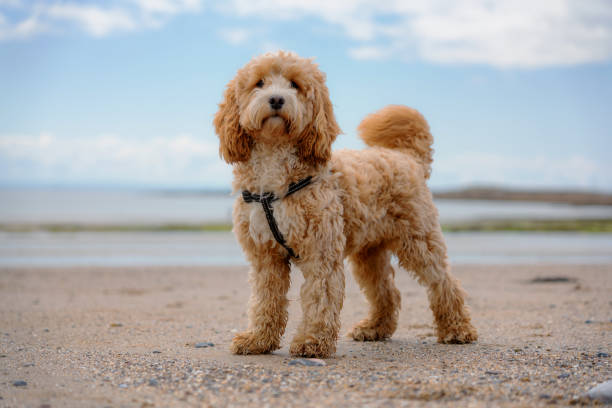
The world of dog behavior is a fascinating tapestry woven with instinctive reactions, learned responses, and the intricate communication signals that our canine companions employ. Among these signals, “freezing” stands out as a particularly intriguing and often misunderstood behavior. While it might appear as a simple cessation of movement, freezing in dogs is a complex, multi-faceted response rooted in their evolutionary history and individual experiences. For dog trainers, understanding the nuances of freezing is paramount to building effective training strategies, fostering trust, and ensuring the well-being of the dogs in their care.
This comprehensive guide delves deep into the various reasons behind freezing behavior in dogs, exploring its underlying physiological and psychological drivers. We will examine how freezing can manifest, the contexts in which it typically occurs, and its potential implications for both the dog and its human handler. Moreover, we will provide practical, actionable insights for dog trainers on how to interpret, manage, and even utilize this behavior in a positive and constructive manner.
The Evolutionary Roots of Freezing: A Survival Mechanism
At its core, freezing is an involuntary, instinctual response designed for survival. In the wild, a cornered prey animal’s primary objective is to avoid detection and predation. Freezing, also known as tonic immobility or playing dead, is a powerful defensive strategy that can be incredibly effective. By becoming perfectly still, a dog can:
- Camouflage: Blend into their surroundings, making them harder for predators to spot, especially if they are in tall grass or shadowed areas.
- Avoid Drawing Attention: A moving target is much more likely to attract attention than a stationary one. Freezing can make a predator lose sight of them or simply move on, assuming the threat has passed or is no longer interesting.
- Wait for an Opportunity: While frozen, a dog can assess the situation, waiting for the predator to move away or for a chance to escape when the predator’s attention is diverted.
- Reduce Pain/Injury: In some extreme scenarios, a severe shock or injury might trigger a freezing response. This could be a way for the animal to temporarily shut down to minimize the sensation of pain and allow the body to cope with the trauma.
This innate survival mechanism is deeply ingrained in a dog’s genetic makeup, even in domesticated breeds. While our modern companions may not face the same immediate predatory threats as their wild ancestors, the underlying biological wiring remains, and the triggers for this ancient response can still be activated by various stimuli.
Decoding the “Why”: Triggers and Contexts for Freezing
Understanding why a dog freezes requires careful observation and an awareness of the surrounding environment and events. Freezing is not a singular behavior with a single cause; rather, it’s a response that can be elicited by a wide range of factors, often categorized as:
1. Fear and Anxiety: The Most Common Culprit
Fear is arguably the most prevalent trigger for freezing behavior. When a dog perceives a threat, their nervous system floods with adrenaline, preparing them for a fight, flight, or freeze response. Freezing, in this context, is an attempt to avoid confrontation or engagement with the perceived threat. Common fear-based triggers include:
- Unfamiliar Sounds: Loud noises like fireworks, thunder, construction, or even a sudden slamming door can trigger freezing as the dog tries to assess the danger and remain undetected.
- New or Intimidating Environments: Entering a crowded place, a vet’s office, or an unfamiliar park can be overwhelming. The sheer volume of new stimuli can cause a dog to shut down and freeze.
- Unfamiliar People or Animals: A stranger approaching too quickly, an assertive dog, or an animal that has previously caused fear can lead to a freezing response as the dog tries to gauge intentions and avoid conflict.
- Specific Objects or Situations: Certain objects, like vacuum cleaners, brooms, or even specific types of toys, can become associated with negative experiences and trigger freezing. Similarly, specific situations, like being handled in a particular way or placed in a confined space, can elicit this response.
- Past Traumatic Experiences: Dogs who have endured abuse, neglect, or traumatic events are more likely to exhibit freezing behavior when similar situations or triggers re-emerge. This is a learned association of “danger = freeze.”
2. Uncertainty and Ambiguity: When the Dog Doesn’t Know What to Do
Sometimes, freezing isn’t about outright fear but rather about a dog’s confusion or uncertainty about what is expected of them or what the situation entails. This can occur in:
- Complex Training Scenarios: If a dog is presented with a cue they don’t fully understand, or if the training environment is too distracting, they might freeze as they try to process the information.
- Social Interactions: In social settings, if a dog is unsure how to interpret another dog’s body language or intentions, they might freeze to observe and avoid missteps.
- Conflicting Cues: If a dog receives mixed signals from their handler or the environment, they may freeze as they try to reconcile the conflicting information.
3. Discomfort and Pain: A Physical Manifestation
Physical discomfort or pain can also lead to a freezing response. When a dog is experiencing pain, their natural instinct is to minimize movement to avoid exacerbating the injury or to signal to others that they are vulnerable and require care. This can be seen when:
- During Veterinary Examinations: A dog experiencing pain might freeze when a veterinarian touches a sensitive area.
- After an Injury: If a dog sustains an injury, they might freeze to avoid putting weight on a sore limb or to prevent further harm.
- With Underlying Medical Conditions: Certain medical conditions that cause chronic pain or discomfort can lead to intermittent freezing episodes.
4. Appeasement and Conflict Avoidance: A Social Strategy
In social dynamics, freezing can be a sophisticated appeasement gesture. When a dog feels overwhelmed, threatened, or out of their depth in a social interaction, they might freeze to communicate deference and avoid escalating the situation. This is often accompanied by other appeasement signals like lip licking, yawning, or averting their gaze. It’s a way of saying, “I am not a threat. I am not challenging you. Please leave me alone or let’s de-escalate.”
5. Immobility as a “Last Resort”
It’s important to note that freezing is often a last resort when flight or fight are not viable options. If a dog feels truly trapped or unable to escape a perceived threat, freezing becomes their most effective defense mechanism.
Recognizing the Nuances of Freezing: Beyond the Stillness
Freezing is not a monolithic behavior. It can manifest in various ways, and understanding these subtle differences can provide crucial insights into the dog’s emotional state. Key aspects to observe include:
- Duration: Freezing can last from a fleeting moment to several minutes, depending on the intensity of the trigger and the dog’s coping mechanisms.
- Body Posture:
- Low and Tense: The dog might lower their body, tuck their tail, and tense their muscles, indicating fear and apprehension.
- Stiff and Alert: In some cases, the dog might remain upright but become incredibly stiff, with ears pricked and eyes wide, scanning for threats. This can be more about hyper-vigilance than pure fear.
- Head Held High, Body Still: This can sometimes indicate a more confident dog assessing a situation, rather than pure fear.
- Facial Expressions:
- Whale Eye: The whites of the eyes become visible as the dog’s gaze shifts away from the perceived threat, but their eyes are still wide.
- Lip Licking: A common sign of stress and appeasement.
- Yawning: Another displacement behavior often seen when a dog is feeling stressed or uncertain.
- Mouth Closed and Tense: The dog’s muzzle may appear tight, indicating held-in tension.
- Vocalizations: While freezing itself is a lack of movement, it might be preceded or followed by whining, whimpering, or a low growl if the dog is feeling particularly anxious or cornered.
- Environmental Context: The specific circumstances surrounding the freezing episode are paramount. What happened immediately before? What is the dog facing? Who or what is present?
Implications for Dog Training and Behavior Modification
For dog trainers, recognizing and understanding freezing behavior is crucial for several reasons:
- Accurate Assessment: Without understanding freezing, trainers might misinterpret it as disobedience, stubbornness, or a lack of engagement, leading to inappropriate training methods.
- Safety: Forcing a frozen dog to move or engage can escalate their fear and anxiety, potentially leading to a bite or other defensive reactions.
- Building Trust: Approaching a frozen dog with empathy and understanding builds trust. When a dog learns that their handler recognizes and respects their signals of distress, they are more likely to rely on their handler for support.
- Effective Intervention: Knowing the triggers allows trainers to implement targeted strategies to help dogs overcome their freezing responses.
Strategies for Trainers: Managing and Modifying Freezing Behavior
When encountering freezing behavior in your training sessions or in client dogs, a thoughtful and systematic approach is necessary.
1. Identify the Trigger: The Foundation of Intervention
This is the most critical first step. Engage in detailed observation and questioning to pinpoint what is causing the dog to freeze. Keep a log of:
- The situation: Where did it happen? Who was present?
- The stimuli: What sounds, sights, or smells were present? What was the interaction?
- The dog’s body language before, during, and after: What other signals were evident?
- The duration and intensity of the freeze: How long did it last? How still was the dog?
2. Prioritize Safety and De-escalation
If a dog is frozen due to fear or anxiety, the immediate priority is not to force them to comply but to ensure their safety and de-escalate the situation:
- Back Off: If you are the trigger, move away from the dog. If a person or another dog is the trigger, create distance.
- Remove the Stimulus (if possible): If a loud noise is the cause, move to a quieter area. If an object is triggering it, remove the object if feasible.
- Do Not Force Interaction: Never physically drag, push, or force a frozen dog to move. This will only increase their fear and damage your relationship.
- Speak in a Calm, Soothing Tone: Avoid loud or sharp commands. Gentle reassurance can be helpful, but avoid excessive talking, which can sometimes be overwhelming for a fearful dog.
3. Building Confidence Through Positive Reinforcement
Once triggers are identified and safety is ensured, focus on building the dog’s confidence and resilience:
- Desensitization and Counter-Conditioning (DSCC): This is a cornerstone of behavior modification for fear-based freezing.
- Desensitization: Gradually expose the dog to the trigger at a low intensity where they do not freeze or show signs of distress. This might mean being in a room far from a loud noise, or seeing a feared object at a great distance.
- Counter-Conditioning: Pair the low-intensity exposure with highly rewarding experiences (e.g., high-value treats, favorite toys). The goal is to change the dog’s emotional response from negative to positive. For example, play fetch with a favorite toy at a distance from the vacuum cleaner, gradually moving closer as the dog remains comfortable.
- Gradual Introductions to New Environments: If a dog freezes in new places, start with short, positive visits during quiet times. Gradually increase the duration and complexity of the environment.
- Positive Socialization (for appropriate ages): For puppies, controlled and positive introductions to various people, dogs, and environments are crucial to prevent fear-based freezing later in life. For adult dogs with past trauma, careful, voluntary social interactions are key.
4. Teaching Alternative Behaviors
Instead of just trying to stop the freezing, teach the dog more desirable coping mechanisms:
- “Find It” Game: Scatter treats on the ground. This encourages sniffing and exploration, which can help redirect a dog from their frozen state to focus on a positive, rewarding activity. It also encourages movement and engages their natural foraging instincts.
- “Touch” or “Targeting” Cues: Train the dog to touch your hand or a target stick with their nose. This can be used to re-engage a frozen dog and redirect their attention.
- “Go to Mat” or “Place” Cues: If the freezing occurs in a specific context (e.g., when strangers arrive), training a reliable “go to mat” cue can provide the dog with a safe, predictable space to retreat to and help them feel more in control.
5. Respecting the Dog’s Signals and Pace
- Never Punish Freezing: Punishment will only exacerbate fear and anxiety, making the freezing behavior worse and potentially leading to aggression.
- Allow the Dog to “Unfreeze” on Their Own: When the dog feels safe and the trigger is removed or managed, they will eventually move. Be patient and allow this to happen naturally.
- Recognize When to Seek Professional Help: If freezing behavior is severe, persistent, or accompanied by other concerning behaviors (e.g., aggression, extreme avoidance), consult a qualified professional dog trainer or a veterinary behaviorist. They can provide a personalized assessment and develop a tailored behavior modification plan.
6. Leveraging Freezing (in limited, controlled situations)
While primarily viewed as a problem behavior to be modified, in very specific and controlled contexts, a brief freeze can sometimes be a useful tool for a trainer:
- During “Look at That” Games (for reactivity): If a dog is reactive to a trigger, they might freeze briefly when they first see it. A trainer can use this moment of stillness to reward the dog for simply noticing the trigger without reacting negatively, then ask for an alternative behavior once they start to unfreeze. This is a highly advanced technique that requires expert timing and understanding of the dog’s threshold.
- As a Pause for Processing: In complex training scenarios, a brief, intentional pause where the dog freezes can sometimes be interpreted as them “thinking” or processing the information, rather than a full-blown fear response. The trainer can then use this pause to reinforce any subtle positive signs of engagement before moving forward.
It is crucial to emphasize that using freezing in this way requires a deep understanding of canine behavior and should not be attempted without significant experience. The primary focus for most trainers will be on understanding and managing the freezing that arises from distress.
Conclusion: Embracing a Deeper Understanding
The freezing behavior in dogs is a powerful testament to their complex emotional landscape and their deep-seated instincts for survival. For dog trainers, it is not a sign of defiance but a critical communication signal that demands our attention, empathy, and expertise. By understanding the evolutionary roots, identifying the diverse triggers, and employing patient, positive, and science-based training methodologies, we can help dogs navigate their fears, build their confidence, and foster a stronger, more trusting bond.
The journey of understanding freezing is ongoing, requiring continuous observation, adaptation, and a commitment to the well-being of our canine companions. By embracing this deeper understanding, trainers can unlock new levels of effectiveness, transforming potentially challenging behaviors into opportunities for growth and the creation of truly resilient and happy dogs.
#DogFreezing, #CanineBehavior, #DogTrainingTips, #FearfulDogs, #AnxiousDogs, #DogBehaviorModification, #PositiveReinforcement, #DogWellness, #UnderstandingDogs, #DogTrainerLife, #CanineCommunication, #DogRehab, #BehavioralIssues, #AnimalBehavior, #DogLove, #SmartDog, #Instincts, #HappyDog, #DogLife, #PetTraining.







Add comment