
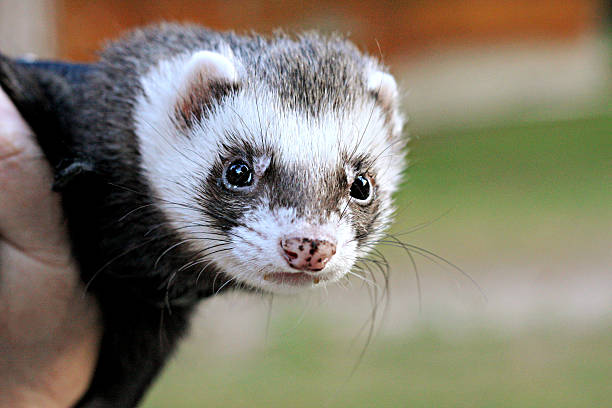
Ferrets are intelligent, energetic, and highly social pets that have become increasingly popular in households around the world. As a member of the Mustelidae family—related to weasels, otters, and minks—ferrets are prone to a wide range of infectious and non-infectious diseases, with Upper Respiratory Infections (URIs) among the most common health concerns affecting these curious little carnivores. URIs in ferrets can range from mild, self-limiting colds to life-threatening pneumonia, necessitating prompt recognition, diagnosis, and treatment. This comprehensive guide explores URIs in ferrets from etiology to zoonotic risks, providing pet owners, veterinarians, and animal care professionals with a detailed understanding of the condition.
Understanding Upper Respiratory Infections in Ferrets
Upper Respiratory Infections (URIs) in ferrets involve inflammation or infection of the nasal passages, sinuses, pharynx, and trachea. These infections are caused by a variety of pathogens, including viruses and bacteria, and can rapidly progress if not properly managed. URIs are particularly concerning in ferrets due to their relatively small airways and high metabolic rate, which can lead to rapid deterioration.
While mild respiratory signs may initially resemble the common cold, owners should not underestimate these symptoms. Left untreated, URIs can lead to secondary bacterial complications, pneumonia, and even death, especially in young, old, or immunocompromised ferrets.
Causes of Urinary Respiratory Infections in Ferrets
URIs in ferrets are primarily caused by viral and bacterial agents. Environmental factors and host susceptibility also play crucial roles in disease development.
1. Viral Causes
- Influenza Viruses (Human Strains): The most common viral cause of URIs in ferrets is the influenza virus, specifically human influenza A and B. Ferrets are highly susceptible to human flu strains and can contract them from infected household members. The virus spreads via respiratory droplets and close contact.
- Canine Distemper Virus (CDV): Though primarily associated with a fatal systemic disease, distemper can initially present with respiratory signs before progressing to severe dermatological, neurological, and gastrointestinal symptoms. Vaccination has greatly reduced its prevalence, but it remains a deadly threat.
- Coronaviruses: Ferrets can also be affected by ferret-specific coronaviruses, such as those causing Ferret Systemic Coronavirus (FSCV) or the milder Enteric Coronavirus (ECE). While primarily intestinal, some variants may contribute to respiratory symptoms, especially in co-infections.
- Parainfluenza Virus: Less common, but can contribute to respiratory signs, especially in multi-ferret households or shelters.
2. Bacterial Causes
- Bordetella bronchiseptica: This bacterium is a significant cause of “Kennel Cough” in dogs and can infect ferrets, especially in crowded or stressed environments. It leads to severe tracheobronchitis, coughing, nasal discharge, and in severe cases, pneumonia.
- Streptococcus spp.: Can be a secondary invader following viral damage to the respiratory epithelium.
- Pasteurella multocida: Rare but possible, especially in ferrets with co-housed rabbits or guinea pigs.
- Mycoplasma spp.: Can cause chronic respiratory disease, often in immunocompromised or stressed animals.
3. Environmental and Lifestyle Risk Factors
- Poor Ventilation: Stagnant air or ammonia buildup from dirty litter boxes increases respiratory irritation.
- Dust and Allergens: Litter dust (especially from clay or scented litters), air fresheners, or smoke can trigger inflammation and worsen infections.
- Cold and Drafty Environments: Exposure to cold drafts or temperature fluctuations weakens respiratory defenses.
- Stress: Changes in environment, overcrowding, or introduction of new pets can suppress immune function.
- Weakened Immunity: Due to poor nutrition, concurrent illness (like adrenal disease or insulinoma), or age (very young kits or geriatric ferrets).
Signs and Symptoms of URIs in Ferrets
Recognizing early signs of a URI is critical for timely intervention. Symptoms can be subtle initially but progress rapidly. Owners should maintain a close watch, especially during flu seasons or after exposure to sick humans or animals.
Early/Less Severe Symptoms
- Frequent sneezing
- Clear or slightly cloudy nasal discharge
- Mild lethargy
- Occasional cough (dry or honking)
- Rubbing or pawing at the face
- Reduced appetite (mild)
Progressive/Moderate Symptoms
- Thick, yellow or green nasal discharge (indicative of bacterial involvement)
- Labored or rapid breathing
- Wheezing or raspy breathing
- Persistent cough (often productive)
- Increased lethargy and reluctance to move
- Fever (rectal temperature >103°F or 39.4°C)
- Conjunctivitis (watery or pus-filled eyes)
- Hunched posture and fluffed fur (signs of discomfort)
Severe/Life-Threatening Symptoms
- Open-mouth breathing
- Cyanosis (bluish gums or tongue due to lack of oxygen)
- Complete refusal to eat or drink
- Neurological signs (seizures, imbalance—rare but can occur in systemic infections)
- Collapse or severe depression
Note: Fever may not always be present, especially in very young or old ferrets, whose thermoregulation may be impaired.
Diagnosis of URIs in Ferrets
Accurate diagnosis of URIs requires a combination of clinical history, physical examination, and diagnostic testing. Ferrets are experts at masking illness, so early veterinary evaluation is crucial.
1. Clinical History and Physical Examination
- History: Veterinarian will inquire about recent exposure to sick humans, other pets, or stressful events. Vaccination history (especially against distemper) is critical.
- Physical Exam: The vet will assess lung sounds via auscultation (using a stethoscope), check for nasal discharge, examine eyes and ears, palpate lymph nodes, and evaluate hydration and body condition.
2. Diagnostic Tests
- Nasal or Oropharyngeal Swabs: PCR (Polymerase Chain Reaction) testing for influenza A/B, canine distemper, Bordetella, or other pathogens.
- Blood Work (CBC and Chemistry Panel):
- Elevated white blood cell count suggests bacterial infection.
- Lymphopenia may be seen in viral conditions like distemper or influenza.
- Biochemistry helps assess organ function—important since ferrets often have co-existing conditions.
- Radiography (X-rays): Essential to evaluate for pneumonia, bronchitis, or lung consolidation. Chest X-rays may reveal increased interstitial or alveolar patterns.
- Cytology and Culture: If bacterial infection is suspected, nasal swabs can be cultured to identify the causative organism and determine antibiotic sensitivity.
- Distemper Testing: Rapid in-house ELISA tests or PCR to rule out canine distemper—a must in unvaccinated or symptomatic ferrets.
- Fungal Testing: Rarely, fungal infections (e.g., Aspergillus) may mimic URIs, especially in immunocompromised animals.
3. Differential Diagnoses
Other conditions that can mimic URI symptoms include:
- Foreign body in the nasal passage
- Dental abscesses
- Nasal tumors (especially in older ferrets)
- Allergic rhinitis
- Heart disease with pulmonary edema
- Lymphoma (can present with respiratory signs due to mediastinal involvement)
Treatment of URIs in Ferrets
Treatment depends on the underlying cause and severity of clinical signs. Prompt and aggressive therapy improves outcomes, especially since ferrets deteriorate rapidly.
1. Supportive Care
Supportive care is the cornerstone of URI management in ferrets.
- Hydration: Subcutaneous or intravenous fluids may be required for dehydrated ferrets.
- Nutritional Support: Ferrets have high metabolic needs and can develop hepatic lipidosis (fatty liver) within days of not eating. Appetite stimulants (e.g., mirtazapine) or assisted feeding with gruel (e.g., Hill’s a/d, Oxbow Critical Care for Cats mixed with water) may be necessary.
- Humidification: Use a cool-mist humidifier to loosen mucus and ease breathing. Avoid hot steam, which can burn.
- Nebulization: Saline nebulization (2-3 times daily) can hydrate airways and deliver medications directly.
- Warm, Quiet Environment: Keep the ferret in a stress-free, draft-free, warm area during recovery.
2. Antiviral Therapy
- For Influenza: There is no FDA-approved antiviral specifically for ferrets, but oseltamivir (Tamiflu®) is commonly used off-label under veterinary guidance. Early administration (within 24-48 hours of symptoms) improves efficacy.
- Dosage: Typically 1–2 mg/kg orally every 12–24 hours for 5–7 days, adjusted per vet recommendation.
- Note: Vaccination of humans in contact with ferrets during flu season is an excellent preventive measure.
3. Antibiotic Therapy
Antibiotics are critical if bacterial infection is suspected or confirmed.
- For Bordetella:
- Doxycycline (5–10 mg/kg orally every 24 hours)
- Enrofloxacin (5–10 mg/kg orally every 24 hours)
- Chloramphenicol (50 mg/kg orally every 12 hours—used cautiously due to bone marrow suppression risk)
- For Secondary Bacterial Infections:
- Amoxicillin-clavulanic acid (Clavamox®): 12.5–25 mg/kg orally every 12 hours
- Cefovecin (Convenia®): Long-acting injectable antibiotic (single dose lasts ~10–14 days), useful for difficult-to-pill patients.
- Duration: Typically 7–14 days, depending on severity. Always complete the full course.
4. Symptomatic Treatment
- Nasal Decongestants: Not routinely recommended; use with extreme caution. Oxymetazoline drops (e.g., Afrin®) may be used once if guided by a vet due to rebound congestion risk.
- Eye Ointments: If conjunctivitis is present, topical antibiotics like erythromycin or tetracycline may be prescribed.
- Anti-inflammatories: Rarely used unless severe inflammation is present (e.g., meloxicam under vet supervision).
5. Hospitalization
Severe cases with pneumonia, severe dehydration, or anorexia may require hospitalization for:
- Oxygen therapy
- IV fluid support
- Nebulization and coupage (gentle chest percussion to loosen secretions)
- Tube feeding or esophagostomy tube placement
Prognosis and Complications
The prognosis for ferrets with URIs varies widely depending on the pathogen, timeliness of treatment, and the animal’s overall health.
Prognosis
- Mild Viral URI (e.g., human flu): Good to excellent with supportive care and antivirals. Most ferrets recover within 7–14 days.
- Bacterial Infections (e.g., Bordetella): Fair to good with appropriate antibiotics, though chronic or recurrent infections can occur.
- Canine Distemper: Poor to fatal. Even with aggressive treatment, survival is rare. Vaccination is the only reliable prevention.
- Pneumonia: Guarded. Ferrets with pneumonia require prolonged treatment and are at risk for respiratory failure.
Potential Complications
- Secondary Bacterial Pneumonia: The most common complication following viral URIs.
- Chronic Rhinitis or Sinusitis: Persistent inflammation damages nasal turbinates, leading to lifelong discharge and odor.
- Hepatic Lipidosis: Due to prolonged anorexia.
- Dehydration and Electrolyte Imbalance: Especially in young or geriatric ferrets.
- Otitis Media/Interna: Middle ear infection from spread of pathogens up the Eustachian tubes.
- Death: Can occur rapidly—within 48 hours in severe cases, particularly with distemper or advanced pneumonia.
Prevention of URIs in Ferrets
Prevention is far more effective—and less stressful—than treatment. A proactive approach can substantially reduce the risk of URIs.
1. Vaccination
- Canine Distemper Vaccine: The most important vaccine for ferrets. Use only USDA-approved ferret-specific distemper vaccines (e.g., PureVax Ferret Distemper). Initial series: 8, 11, and 14 weeks, then annually.
- Rabies Vaccine: Required in many areas (e.g., IMRAB®), but not related to URI prevention.
- Influenza: No ferret-specific flu vaccine, but human flu vaccination of household members is strongly recommended.
2. Minimize Exposure
- Avoid close contact between sick humans and ferrets during cold/flu season.
- Quarantine new ferrets for at least 2–4 weeks before introducing to existing pets.
- Use masks and handwashing if you are ill.
- Do not allow ferrets to interact with sick dogs, cats, or other animals.
3. Environmental Management
- Ventilation: Ensure good air circulation without drafts. Use HEPA air purifiers.
- Litter Choice: Use low-dust, non-clay litters (e.g., paper-based or recycled wood pellets).
- Regular Cleaning: Clean litter boxes daily, cages weekly, and sanitize food/water bowls frequently.
- Avoid Smoke and Aerosols: No smoking near ferrets; avoid air fresheners, perfumes, or cleaning sprays.
4. Stress Reduction
- Provide hiding places and quiet rest areas.
- Maintain routine and avoid sudden changes.
- Ensure regular social interaction and playtime.
5. Health Monitoring
- Weigh your ferret weekly to detect early weight loss.
- Learn to take rectal temperature (normal: 100–103°F or 37.8–39.4°C).
- Schedule annual wellness exams.
Diet and Nutrition in Ferrets with URIs
Proper nutrition is not just supportive—it’s essential for recovery.
1. Basic Nutritional Needs
Ferrets are obligate carnivores requiring:
- High protein (30–40% of diet)
- High fat (15–20%)
- Low fiber and carbohydrates
- Taurine and essential amino acids
2. Diet During URI Illness
When a ferret is sick, appetite often declines. To maintain caloric intake:
- Wet or Blended Food: Mix high-quality ferret or kitten food with warm water or meat-based baby food (strained chicken, turkey—avoid garlic/onion).
- Ferret-Specific Recovery Diets: Products like Evanger’s Ferret Vitality or Wysong Epigen 90 can be helpful.
- Frequent Small Meals: Offer food every 3–4 hours.
- Hand-Feeding: Use a syringe (without a needle) to gently feed small amounts. Never force-feed aggressively to avoid aspiration.
- Hydration Support: Add warm water or Pedialyte (unflavored) to food mixtures.
3. Supplements (Consult Vet First)
- Probiotics: To support gut health, especially during antibiotic use.
- Omega-3 Fatty Acids: For immune support.
- Vitamin C: While ferrets can synthesize vitamin C, supplementation may support immunity in severe illness (use cautiously).
4. Foods to Avoid
- Lactose-containing foods (can cause diarrhea)
- High-sugar foods (e.g., baby food with fruit)
- Grains and vegetables
- Human junk food
Zoonotic Risk: Can Ferrets Transmit URIs to Humans?
The zoonotic potential (disease transmission from animals to humans) of URIs in ferrets is a legitimate concern.
Human-to-Ferret Transmission (High Risk)
- Ferrets are highly susceptible to human influenza A and B, including pandemic strains (e.g., H1N1). Infected humans can easily transmit the virus through coughing, sneezing, or close contact.
Ferret-to-Human Transmission (Low, but Possible)
- While rare, ferrets infected with human flu strains can shed the virus and potentially transmit it back to humans, particularly immunocompromised individuals.
- No documented cases of Bordetella bronchiseptica transmission from ferrets to healthy humans, though possible in people with severe immune deficiency.
Best Practices for Minimizing Zoonotic Risk
- If you are sick: Avoid close contact with your ferret. Wear a mask and wash hands before handling.
- If your ferret is sick: Treat with gloves, mask, and hand hygiene. Consider limiting contact with infants, elderly, or immunocompromised individuals.
- Do not kiss or share food with your ferret.
Canine distemper is not zoonotic—it cannot infect humans.
Conclusion
Upper Respiratory Infections in ferrets are common but should never be taken lightly. From a simple sneeze to advanced pneumonia, URIs can escalate rapidly due to the ferret’s small size and fragile respiratory system. Understanding the causes, recognizing early symptoms, and seeking prompt veterinary care are essential for a positive outcome.
Prevention through vaccination, environmental management, and minimizing stress plays a critical role in keeping ferrets healthy. Owners must be vigilant, especially during human flu season, as ferrets can catch colds from their human companions. Supportive care, appropriate medications, and nutritional support are key to recovery.
By combining knowledge, proactive care, and a strong partnership with a knowledgeable veterinarian, ferret owners can navigate the challenges of URIs and ensure a long, happy life for their beloved pets.
#FerretHealth, #FerretCare, #FerretURIs, #FerretFlu, #FerretSneezing, #FerretCough, #FerretPneumonia, #FerretInfluenza, #FerretRespiratory, #FerretVaccination, #FerretDistemper, #BordetellaInFerrets, #FerretOwnerTips, #FerretWellness, #FerretNutrition, #FerretMedicine, #FerretVet, #SmallPetCare, #FerretLife, #ExoticPets, #FerretLover, #FerretRescue, #FerretCommunity, #FerretHabits, #PetHealthTips, #AnimalHealth, #RespiratoryInfection, #FerretEmergency, #ZoonoticDiseases, #HealthyFerrets
Add comment