
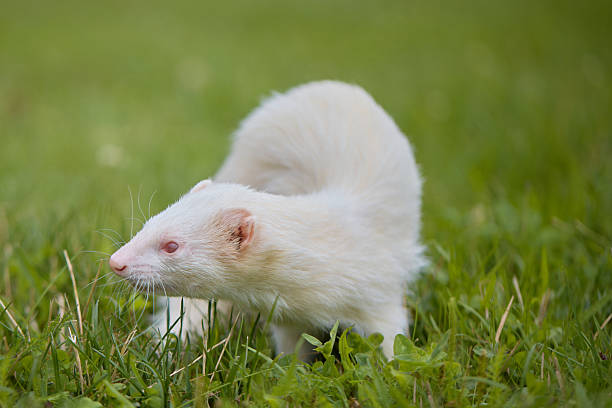
Urinary blockage, or urethral obstruction, is a life-threatening emergency in male ferrets due to their anatomical predisposition. Male ferrets have a narrow urethra that runs through the prostate gland, making them highly susceptible to obstruction. If left untreated, this condition can lead to kidney failure, sepsis, or death within 48 hours. Early recognition, prompt veterinary intervention, and long-term management are critical. This guide explores causes, diagnosis, treatment, and prevention strategies to ensure pet owners can act swiftly and effectively.
2. Causes of Urinary Blockages
Understanding the root causes is essential for prevention and treatment. Key causes include:
2.1 Urolithiasis (Urine Stones)
- Composition: Calcium oxalate or struvite stones are common.
- Risk Factors: Poor diet (high protein/calcium), dehydration, or imbalanced calcium metabolism.
- Prevalence: Affects 25–30% of male ferrets.
2.2 Urethral Plugs
- Definition: Mixture of calcium salts, urine, and fecal matter.
- Triggers: Poorly balanced diets (e.g., high-protein cat food), obesity, or sedentary lifestyles.
2.3 Urethral Strictures
- Post-Surgical Complications: Scarring from prior catheterization or surgery.
- Inflammatory Causes: Chronic infections or prostate enlargement.
2.4 Tumors or Growths
- Benign/Malignant Lesions: Prostate hyperplasia (common in older, unneutered ferrets) or cancerous growths.
2.5 Trauma
- External Injuries: Accidents, fights, or blunt force can damage the urethra.
2.6 Secondary Causes
- Low-Testosterone Conditions: Hypogonadism (low testosterone) increases risk due to weakened urinary sphincter tone.
3. Signs and Symptoms
Male ferrets often exhibit non-specific symptoms, requiring vigilance from owners.
3.1 Early Signs
- Straining to Urinate: Frequent or ineffectual attempts to urinate.
- Licking Genital Area: Indication of discomfort or irritation.
- Restlessness: Agitated behavior, pacing, or refusal to sleep.
3.2 Progressive Symptoms
- Swollen Abdomen: Painful, tense bladder due to urine retention.
- Fever or Lethargy: Systemic signs of infection or toxin buildup.
- Vomiting or Loss of Appetite: Indicates kidney stress.
3.3 Emergency Signs
- Inability to Urinate (Anuria): A medical emergency requiring immediate action.
- Shock Symptoms: Pale gums, cold paws, or unconsciousness.
4. Diagnosis
Prompt veterinary evaluation is crucial. Diagnostic methods include:
4.1 Physical Examination
- Palpation: A distended, tender bladder is often detectable.
- Abdominal X-rays/ Ultrasound: Identifies stones, prostate size, or urethral blockages.
4.2 Urinalysis
- Crystal Detection: Struvite or calcium oxalate crystals may be present.
- Infection Screening: Presence of bacteria or white blood cells.
4.3 Blood Tests
- Kidney Function Markers: Elevated creatinine or BUN indicates kidney damage.
- Electrolyte Imbalance: Common due to inability to excrete waste.
4.4 Advanced Imaging
- Fluoroscopy: Dynamic evaluation of the urinary tract.
5. Treatment Options
Urgent intervention is necessary to save the ferret’s life. Treatment pathways include:
5.1 Emergency Catheterization
- Purpose: Place a urinary catheter to drain the bladder.
- Risks: Urethral trauma if performed by an inexperienced vet.
5.2 Surgical Interventions
- Urethrostomy: Surgical creation of a new urinary opening.
- Prostate Surgery: For cases involving benign prostatic hyperplasia.
5.3 Supportive Care
- IV Fluids: Correct dehydration and flush toxins.
- Pain Management: Analgesics to reduce discomfort (e.g., buprenorphine).
- Antibiotics: Prevent or treat secondary infections.
5.4 Long-Term Management
- Dietary Adjustments: Prevent recurrence of stones or plugs.
- Neutering: Reduces prostate-related risks.
6. Prognosis and Complications
Outcomes depend on timeliness of treatment and underlying health:
6.1 Prognosis
- Early Intervention: >80% survival rate with prompt catheterization.
- Delayed Treatment: Mortality increases by 50% if untreated beyond 48 hours.
6.2 Potential Complications
- Acute Kidney Failure: Permanent damage if toxins build up.
- Urinary Tract Infections (UTIs): Secondary to obstruction or catheterization.
- Bladder Rupture: Rare but fatal in extreme cases.
7. Prevention Strategies
Proactive measures reduce the risk of recurrence:
7.1 Dietary Management
- Low-Testosterone Diets: Neutered ferrets benefit from specialized feeds.
- Hydration: Encourage water intake via fountains or moist foods.
7.2 Regular Veterinary Checkups
- Prostate Screening: Annual ultrasounds for older ferrets.
- Dental Care: Prevent secondary infections.
7.3 Environmental Enrichment
- Exercise: Prevent obesity, a risk factor for plug formation.
- Stress Reduction: Stress weakens immunity and increases straining.
8. Diet and Nutrition
A balanced diet is foundational to urinary health:
8.1 Commercial Ferret Food
- Formulated Feeds: Look for low-calcium, high-protein recipes.
- Avoid Cat Kibble: High in calcium and plant protein.
8.2 Supplements
- Calcium Binders: Prevent stone formation (e.g., chitosan).
- Prebiotics/Probiotics: Support gut and urinary tract health.
8.3 Hydration Hacks
- Fresh Water Only: Avoid flavored water or drinks.
- Moist Diets: 50% of total food should be wet food.
9. Zoonotic Risk Considerations
While urolithiasis itself is not zoonotic, infections can pose risks:
9.1 Bacterial Transmission
- E. coli or Proteus: Possible in cases of UTIs.
- Hygiene Practices: Wash hands after cage cleaning or handling soiled bedding.
9.2 Hand Hygiene
- Avoid Cross-Contamination: Use gloves during catheterization or wound care.
10. Conclusion
Urinary blockages in male ferrets require immediate action, preventive care, and lifelong dietary vigilance. Pet owners must recognize early signs and collaborate with veterinarians to ensure timely intervention. With proper management, ferrets can lead healthy lives free from this devastating condition.
#FerretVet, #PetEmergencyVid, #FerretHealthVlog, #FerretDIY, #PetFirstAidVid, #FerretDietTips, #FerretCare101, #FerretTraining, #PetOwnership2024, #FerretCommunity.


Add comment