
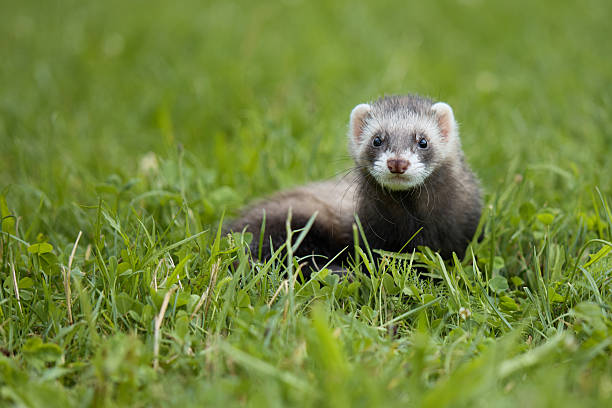
Ferrets (Mustela putorius furo) have become beloved companion animals worldwide, prized for their playful personalities and inquisitive nature. As obligate carnivores with a high metabolic rate, they have unique physiological quirks that predispose them to certain health problems—one of the most under‑recognized being urinary tract disease.
Urinary tract infections (UTIs) in ferrets can range from a simple, self‑limiting cystitis (inflammation of the bladder) to complex, life‑threatening ascending infections that involve the ureters, kidneys, or even the perineum. Because ferrets are adept at masking pain, early signs may be subtle, leading owners to miss the “window” for early intervention. This guide delves deep into every facet of ferret UTI and cystitis, providing a 3,500‑plus‑word reference that clinicians, students, and dedicated ferret owners can rely on.
2. Ferret Urinary Anatomy & Physiology – A Quick Refresher
| Structure | Key Features | Relevance to Disease |
|---|---|---|
| Kidneys | Paired, bean‑shaped, ~1 g each; high glomerular filtration rate (≈ 6 ml/min/kg). | Sensitive to dehydration, ureteral obstruction, and systemic infection. |
| Ureters | Thin, muscular tubes (≈ 2 mm diameter) that transport urine to the bladder. | Prone to obstruction by uroliths or congenital strictures. |
| Bladder | Thin‑walled, highly distensible; capacity ~10‑15 ml. | The most common site for bacterial colonisation & inflammation. |
| Urethra (Male) | Long, sigmoid‑shaped, ~2 cm, with a prostatic “bulb.” | Acts as a bacterial reservoir; difficult to catheterize. |
| Urethra (Female) | Short (~4 mm), straight; opening located near the vulva. | Higher susceptibility to ascending infection due to short length. |
| Peri‑urethral Glands | Small accessory glands (particularly in males) that secrete scent‑signalling fluids. | Can become infected secondarily, spreading to the bladder. |
Physiological notes
- Ferrets excrete highly concentrated urine (specific gravity 1.038‑1.050) – an adaptation for water conservation.
- Urinary pH usually ranges from 6.0–7.0 but can become more alkaline with diet changes.
- The normal flora of the ferret urinary tract is sparse; the presence of any bacterial growth is typically considered pathogenic unless proven otherwise.
3. Epidemiology: How Common Are UTIs & Cystitis in Ferrets?
- Incidence: Retrospective studies from veterinary teaching hospitals (2008‑2022) report that UTIs account for 5‑9 % of all ferret presentations, making them the third most common problem after gastrointestinal and respiratory disease.
- Gender predisposition: Females are 1.5‑2 × more likely to develop cystitis due to a shorter urethra.
- Age factor: Animals > 3 years show a higher incidence, correlating with cumulative exposure to stressors, diet changes, and subclinical renal decline.
- Seasonality: Slight spikes in the winter months are observed, likely linked to decreased water intake and indoor heating that reduces humidity.
4. Causes & Predisposing Factors
4.1 Infectious Agents
| Pathogen | Typical Source | Pathogenic Mechanism | Comments |
|---|---|---|---|
| Escherichia coli (most common) | Fecal contamination, environmental surfaces, contaminated food/water | Adherence via fimbriae → bladder colonisation → inflammation | Often susceptible to ampicillin, enrofloxacin, or trimethoprim‑sulfa. |
| Staphylococcus spp. (coagulase‑positive) | Skin lesions, grooming, bedding | Biofilm formation on urothelial surfaces | May require longer courses of therapy; watch for MRSA‑like resistance patterns. |
| Proteus mirabilis | Soil, raw meat, contaminated water | Produces urease → alkalinisation → urolith formation | Highly associated with struvite stones; treat aggressively. |
| Enterococcus faecalis | Fecal material, opportunistic | Can survive low‑pH environments; often resistant to many antibiotics | Often seen in recurrent infections. |
| Pseudomonas aeruginosa | Wet environments, contaminated water bowls | Produces exotoxins; resistant to many drugs | Requires culture‑guided therapy. |
| Candida spp. | Over‑growth due to antibiotic use or immune suppression | Yeast can colonise the urinary tract, especially in diabetics | Requires antifungal agents (e.g., fluconazole). |
| Parasites (e.g., Capillaria spp.) | Rare; ingestion of infective eggs | Direct irritation of urothelium | Typically seen in ferrets with severe sanitation lapses. |
4.2 Non‑Infectious Mechanical & Metabolic Factors
- Urolithiasis – Crystals (struvite, calcium oxalate, cystine) can irritate the bladder wall, providing a nidus for bacterial colonisation.
- Obstructive lesions – Neoplasia (e.g., transitional cell carcinoma), inflammatory polyps, or congenital strictures can impede urine flow, promoting bacterial overgrowth.
- Dehydration – Concentrated urine favors crystal formation and reduces flushing of bacteria.
- Dietary imbalances – Excess dietary magnesium, phosphorus, or inappropriate pH‑altering foods can predispose to stone formation.
- Foreign bodies – Inadvertent ingestion of plastic, hairballs, or litter material that lodges in the urethra.
4.3 Systemic & Immune‑Mediated Influences
- Diabetes mellitus – Hyperglycaemia creates a glucose‑rich urine, fostering bacterial growth.
- Hyperadrenocorticism – Cortisol‑induced immunosuppression increases infection risk.
- Stress‑induced immunosuppression – Frequent cage changes, loud environments, or inadequate enrichment.
- Concurrent infections – Respiratory or gastrointestinal infections can disseminate bacteria hematogenously to the urinary tract.
5. Clinical Presentation – Signs & Symptoms
| Category | Typical Observation | Ferret‑Specific Nuance |
|---|---|---|
| Behavioral | Increased nocturnal urination, frequent “dribbling,” reluctance to use litter box | Ferrets may “hide” with a shallow urination pattern; owners may notice damp bedding rather than overt spraying. |
| Urinary | Hematuria (fresh or smoky), dysuria (straining), pollakiuria (frequent small voids), urinary incontinence | Small volume of urine may be mixed with mucus or pus; smell can be foul. |
| Systemic | Lethargy, anorexia, weight loss, fever (38.5‑40 °C), dehydration | Ferrets can become “floppy” and show a “hunched” posture. |
| Pain indicators | Abdominal guarding, vocalisation when handled, increased respiratory rate | Because ferrets are stoic, subtle signs such as a “padded” gait or licking the perineal area are key clues. |
| Complications | Palpable bladder mass, abdominal distension, vomiting (if ascending infection reaches kidneys) | In severe cases, peritonitis may develop with marked abdominal pain and rapid decline. |
Note: “Spraying” is often misinterpreted as a territorial behaviour but may be a sign of dysuria or irritation.
6. Diagnostic Work‑up
6.1 History & Physical Examination
- Signalment: Age, sex, neuter status, diet, housing type (cage vs. free‑range), recent stressful events.
- Dietary review: Type of food (commercial kibble, raw diet, homemade), water source, treat frequency.
- Previous medical record: Past UTIs, antibiotic courses, known allergies, vaccine status.
Physical exam should include:
- Palpation of the lower abdomen for bladder distension or masses.
- Assessment of mucous membrane colour, capillary refill time, and temperature.
- Inspection of the perineal area for redness, discharge, or trauma.
6.2 Laboratory Tests
- Urinalysis (minimum of 0.5 ml) – ideally obtained via cystocentesis (preferred) or clean‑catch mid‑stream. Evaluate:
- Specific gravity (SG) – < 1.015 may indicate renal concentrating defect or over‑hydration; > 1.045 suggests dehydration.
- pH – 6.0‑7.0 normal; > 7.5 raises suspicion for urease‑producing bacteria (e.g., Proteus).
- Cytology – presence of neutrophils, bacteria (rod‑ or cocci‑shaped), crystals, or yeasts.
- Dipstick – checks for leukocyte esterase, nitrites (positive nitrite indicates gram‑negative organisms), blood, protein.
- Urine culture & sensitivity – Essential before initiating antibiotics when possible; send at least 10 µl of urine in a sterile tube.
- Complete blood count (CBC) – Look for leukocytosis, left shift (band neutrophils), or anemia (chronic disease).
- Serum biochemistry – Assess BUN, creatinine, electrolytes (especially potassium, sodium), glucose, ALT/AST. Elevated BUN/creatinine suggests renal involvement or dehydration.
- Blood gas & lactate – Useful if septic shock is suspected.
6.3 Imaging Modalities
| Modality | Indications | What It Shows |
|---|---|---|
| Plain radiography (ventrodorsal, lateral) | Suspected uroliths, bladder distension | Radiopaque stones (struvite, calcium oxalate); soft‑tissue opacity of bladder wall. |
| Abdominal ultrasound | Detailed bladder wall evaluation, ureteral dilation, kidney architecture | Wall thickening (> 2 mm), sediment, uroliths (even radiolucent), hydronephrosis. |
| CT (non‑contrast) | Complex cases with ambiguous radiographs, pre‑surgical planning | Precise stone composition, location, and size. |
| Cystoscopy (rare in practice) | Direct visualization, biopsy, stone removal | Mucosal lesions, polyps, tumor masses. |
6.4 Advanced Diagnostics
- Histopathology of bladder biopsies when chronic cystitis or neoplasia is suspected.
- PCR panels for atypical pathogens (e.g., Mycoplasma) in persistent cases.
Diagnostic algorithm (simplified)
- Initial assessment → Urinalysis (cystocentesis).
- If pyuria/bacteriuria → Urine culture & sensitivity + CBC/chem.
- If imaging indicated → Radiographs → Ultrasound → CT.
- If recurrent or atypical → Cystoscopy or biopsy.
7. Therapeutic Strategies
7.1 Antimicrobial Therapy
| Antibiotic | Spectrum | Typical Dose (Ferrets) | Duration | Comments |
|---|---|---|---|---|
| Amoxicillin‑clavulanate | Broad (Gram‑+, some Gram‑‑) | 20 mg/kg PO q12h | 10‑14 days | First‑line for E. coli; watch for GI upset. |
| Enrofloxacin | Fluoroquinolone – strong Gram‑‑ coverage | 5 mg/kg PO q24h | 7‑10 days | Use if culture shows susceptibility; avoid in young kits (< 3 months). |
| Trimethoprim‑sulfamethoxazole | Gram‑+ & Gram‑‑ | 15 mg/kg PO q12h | 10‑14 days | May cause hyper‑bilirubinemia; monitor liver enzymes. |
| Cephalexin | First‑generation cephalosporin | 25 mg/kg PO q8h | 10‑14 days | Good for Staph spp.; limited Pseudomonas activity. |
| Gentamicin (injectable) | Aminoglycoside – Gram‑‑ | 4 mg/kg IM/SC q24h | 5‑7 days | Reserve for severe infections; monitor kidney values. |
| Fluconazole (if fungal) | Antifungal | 10 mg/kg PO q24h | 14‑21 days | Adjust for hepatic function. |
Key antimicrobial stewardship points
- Culture first when possible; empiric therapy should be limited to narrow‑spectrum agents.
- Re‑culture after 5‑7 days if clinical improvement is absent.
- Avoid long‑term prophylactic antibiotics; they promote resistance and disrupt normal flora.
7.2 Anti‑Inflammatory & Analgesic Protocols
- NSAIDs: Meloxicam 0.1 mg/kg PO q24h (max 3 days) – effective for pain, but avoid in renal compromise.
- Corticosteroids: Low‑dose prednisolone (0.5 mg/kg PO q24h for 3‑5 days) may reduce severe inflammation but can impair immune response; use only when infectious component is under control.
- Opioids: Buprenorphine 0.01‑0.02 mg/kg SC q12h for acute pain.
7.3 Fluid & Electrolyte Management
- Subcutaneous fluids (e.g., Lactated Ringer’s, 5 ml/kg) are often sufficient for mild dehydration.
- IV fluid therapy (0.9 % NaCl, 10 ml/kg/hour) indicated for moderate‑to‑severe dehydration, sepsis, or renal involvement.
- Electrolyte correction: Monitor potassium (hypokalemia common with polyuria) and correct gradually to avoid cardiac arrhythmias.
7.4 Dietary & Lifestyle Modifications
| Modification | Rationale | Practical Tips |
|---|---|---|
| Increase water intake | Dilutes urine, reduces crystal formation | Provide multiple fresh water bowls, water fountains, or wet food (≥ 70 % moisture). |
| Low‑magnesium, low‑phosphorus diet | Prevents struvite/cystine stone formation | Choose high‑protein, grain‑free ferret diets; avoid “kitten” foods high in minerals. |
| Urine‑acidifying additives (e.g., DL‑methionine) | Lowers urinary pH; discourages urease‑producing bacteria | Use under veterinary guidance; monitor urine pH weekly. |
| Frequent litter cleaning | Reduces bacterial load in the environment | Spot‑clean after each void; change substrate weekly. |
| Stress reduction | Minimises immunosuppression | Provide enrichment (toys, tunnels), maintain a consistent routine, limit loud noises. |
7.5 Surgical Interventions
- Urolith removal – via cystotomy for bladder stones or ureteroscopic lithotripsy for ureteral stones.
- Partial cystectomy – indicated for localized neoplasia or chronic ulcerative cystitis unresponsive to medical therapy.
- Urethral catheterization – performed only by experienced clinicians; may be necessary for obstructive cases but carries a high risk of iatrogenic trauma.
Post‑operative care involves analgesia, broad‑spectrum antibiotics, and strict bladder drainage monitoring.
8. Prognosis, Expected Outcomes & Potential Complications
| Condition | Expected Prognosis (with treatment) | Common Complications |
|---|---|---|
| Simple bacterial cystitis | Excellent – full resolution in 7‑10 days if appropriate antibiotics used. | Recurrence (30 %); bladder wall fibrosis if repeated episodes. |
| UTI with uroliths | Good to fair – depends on stone type and ability to remove. | Stone recurrence, obstruction, post‑operative infection. |
| Ascending pyelonephritis | Guarded – may lead to chronic renal insufficiency. | Renal scarring, hypertension, decreased lifespan. |
| Chronic cystitis (idiopathic) | Variable – may become refractory; requires lifelong management. | Bladder fibrosis, urinary incontinence, secondary infection. |
| Urethral obstruction | Poor to critical if not addressed promptly (risk of bladder rupture, uroperitoneum). | Peritonitis, septic shock, death. |
| Neoplastic bladder disease | Fair to poor – depends on tumor type and stage. | Metastasis, hematuria, severe dysuria. |
Key prognostic indicators
- Early detection → higher chance of full recovery.
- Response to culture‑guided antibiotics → favorable.
- Absence of underlying metabolic disease (e.g., diabetes) → better outcome.
9. Prevention – Building a UTI‑Resistant Environment
- Hydration is King
- Offer fresh water at least twice daily.
- Use automatic water dispensers to keep water cool and flowing.
- Litter Management
- Choose low‑dust, absorbent litter (e.g., paper‐based).
- Clean the litter box daily; deep‑clean weekly with mild, non‑ionic detergents.
- Dietary Vigilance
- Feed a high‑protein, low‑carbohydrate diet formulated for ferrets.
- Avoid “cat” foods that contain excessive plant proteins and minerals.
- Routine Veterinary Screening
- Annual health exams with a baseline urinalysis.
- For senior ferrets (> 3 years), consider biannual urine cultures if any urinary signs appear.
- Environmental Enrichment
- Provide multiple hiding places, toys, and social interaction (where appropriate) to reduce stress‑induced immunosuppression.
- Avoid Unnecessary Antibiotics
- Use antibiotics only when a bacterial infection is confirmed.
- Monitor Weight & Body Condition
- Overweight ferrets have altered water metabolism; maintain ideal BCS (4‑5/9).
- Hygiene for Owners
- Hand‑wash before and after handling the ferret’s litter box.
- Disinfect cages and food bowls with a diluted bleach solution (1 % sodium hypochlorite) weekly.
10. Diet & Nutrition – Feeding for a Healthy Urinary Tract
| Nutrient | Desired Level | Food Sources | Practical Feeding Tips |
|---|---|---|---|
| Protein | ≥ 45 % of metabolizable energy (high-quality animal protein) | Raw chicken, turkey, rabbit, high‑grade ferret kibble | Feed 2‑3 meals daily; avoid plant‑based protein boosters. |
| Fat | 20‑30 % (provides energy & essential fatty acids) | Fish oil, chicken fat | Add a few drops of salmon oil daily for omega‑3 benefits. |
| Carbohydrate | Minimal (< 5 %) | Very limited; typically from grain‑free formulas | Choose grain‑free or “raw” diets; avoid rice, corn, wheat. |
| Moisture | ≥ 70 % (wet food or fresh water) | Canned ferret diet, fresh meat, broth (no onion/garlic) | Add water to dry kibble (1 : 1) to boost intake. |
| Magnesium & Phosphorus | Low to moderate; avoid excess (≤ 0.2 % Mg, ≤ 0.5 % P) | Quality commercial ferret diets are already balanced | Check label for mineral content; supplement only under vet advice. |
| Vitamin A | Essential for mucosal health | Liver (in moderation), fortified kibble | Liver should not exceed 1 % of weekly diet (to avoid hypervitaminosis A). |
| Urine‑acidifying agents | Optional; may include DL‑methionine (0.1 % of diet) | Available as a supplement | Use only if urine pH > 7.0, and after culture results. |
Sample Daily Menu (Adult 1.2 kg Ferret)
- Morning: 30 g high‑protein wet diet (≈ 80 % moisture) + 1 ml salmon oil.
- Mid‑day: 15 g raw chicken thigh (skin removed) + 5 ml water.
- Evening: 30 g grain‑free ferret kibble soaked in water (1:1) + a small piece of cooked rabbit liver (≈ 2 g).
Special Considerations
- Diabetic ferrets: Low‑carbohydrate, high‑protein diets while monitoring glucose closely.
- Renal disease: Moderately reduced protein (35‑40 %) with careful phosphorus restriction; consult a veterinary nutritionist.
- Obesity prevention: Calculate caloric needs (~ 280 kcal/kg/day) and adjust portions accordingly.
11. Zoonotic Risk – What Owners Need to Know
| Zoonotic Pathogen | Typical Transmission Route | Relevance to Ferret UTI |
|---|---|---|
| Escherichia coli (UPEC strains) | Fecal‑oral, contaminated surfaces, direct contact with urine | Common in ferret UTIs; can cause urinary infections in humans, especially immunocompromised persons. |
| Salmonella spp. | Fecal shedding, contaminated food (raw diets) | Ferrets can be asymptomatic carriers; urinary infection is rare but possible. |
| Staphylococcus aureus / MRSA | Direct skin contact, contaminated objects | If ferret skin lesions accompany cystitis, owners may acquire skin infections. |
| Pseudomonas aeruginosa | Water sources, moist environments | Rarely zoonotic, but can cause opportunistic infections in humans with open wounds. |
| Candida spp. | Direct contact, especially with moist areas | Generally low risk but may affect immunocompromised owners. |
Practical Zoonosis Prevention
- Hand hygiene – Wash hands with soap and water after handling the ferret, its litter, or any soiled bedding.
- Protective gloves – Wear disposable gloves when cleaning the litter box in cases of known infection.
- Environmental disinfection – Use a 1 % bleach solution on surfaces that may have been contaminated by urine.
- Avoid raw meat feeding for immunocompromised owners; raw diets carry higher Salmonella risk.
- Separate sick animals from healthy household members until cleared by a veterinarian.
12. Owner’s Checklist & Quick Reference Guide
| Action | Frequency | Details |
|---|---|---|
| Observe litter habits | Daily | Note any dribbling, increased frequency, or avoidance. |
| Check water bowl | Twice daily | Ensure water is fresh, clean, and accessible. |
| Inspect perineal area | Every grooming | Look for redness, swelling, discharge. |
| Weight & BCS check | Weekly | Use a kitchen scale; record body condition score. |
| Urinalysis (baseline) | Annually (or with any sign) | Vet‑performed via cystocentesis. |
| Complete physical exam | Every 6‑12 months | Include oral, respiratory, and abdominal exams. |
| Dental care | Every 6 months | Dental disease can act as a bacterial reservoir. |
| Litter box cleaning | Daily spot, full change weekly | Use low‑dust, absorbent litter; disinfect weekly. |
| Vaccination updates | As per vet schedule | While no specific UTI vaccine exists, overall immunity helps. |
| Stress reduction | Ongoing | Provide enrichment, consistent routine, and safe handling. |
When to Call the Vet Immediately
- Hematuria with lethargy or vomiting.
- Straining to urinate (possible obstruction).
- Sudden swelling of the abdomen.
- Fever (> 40 °C) or rapid breathing.
#FerretHealth, #FerretUTI, #FerretCystitis, #SmallAnimalVet, #PetCare, #FerretNutrition, #ZoonoticRisk, #FerretWellness, #FerretDiet, #VetTips, #FerretLove, #FerretLife, #FerretOwners, #FerretPrevention, #FerretTreatment, #FerretPrognosis, #FerretComplications, #PetHealth, #AnimalHealth, #FerretCare, #FerretUrology, #FerretMedicine, #FerretUrinaryHealth, #FerretDental, #FerretHydration, #FerretEnrichment
Add comment