
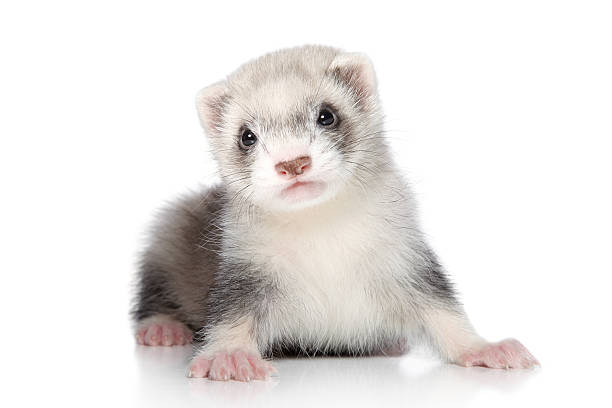
Urolithiasis, the formation of stones (calculi) in the urinary tract, is an increasingly recognized condition in domestic ferrets (Mustela putorius furo). While less common than in dogs or cats, urolithiasis in ferrets involves the development of stones in the kidneys (nephroliths), ureters, bladder (cystoliths), or urethra. The condition can be life-threatening due to the ferret’s small urinary tract and limited physiological resilience. Early recognition, prompt diagnosis, and appropriate management are essential to ensure a favorable outcome.
This comprehensive guide delves into the causes, clinical signs and symptoms, diagnostic approaches, treatment options, prognosis, associated complications, prevention strategies, dietary and nutritional considerations, zoonotic risks, and overall management of urolithiasis in ferrets.
Understanding Urolithiasis in Ferrets
Urolithiasis refers to the presence of mineralized concretions (stones) in any part of the urinary system—kidneys, ureters, bladder, or urethra. In ferrets, bladder stones (cystoliths) are more commonly reported than kidney stones (nephroliths). These stones vary in composition, size, number, and location, and their effects depend on these variables.
The urinary system in ferrets functions similarly to other mammals: the kidneys filter waste products and excess ions from the blood, urine is transported via the ureters to the bladder, and it is eventually expelled through the urethra. When urinary saturation with crystals exceeds the body’s ability to dissolve or excrete them, stone formation can occur.
Ferrets are obligate carnivores with unique metabolic and urinary characteristics. Their urine is typically more concentrated and slightly acidic, which influences the types of stones formed. Urolithiasis is more prevalent in middle-aged to older ferrets (3–7 years), although it can occur at any age, especially with predisposing factors.
Causes and Risk Factors
Urolithiasis in ferrets arises from a complex interplay of metabolic, dietary, infectious, and environmental factors. Understanding the underlying causes is crucial in prevention and treatment.
1. Dietary Factors
Ferrets require a high-protein, low-fiber, and low-carbohydrate diet. Diets high in plant-based proteins, carbohydrates, or inappropriate supplements can alter urinary pH and mineral excretion.
- Oxalate-rich foods (e.g., spinach, beet greens) may contribute to calcium oxalate stone formation.
- High magnesium and phosphorus intake (common in low-quality cat foods) can promote struvite (magnesium ammonium phosphate) crystal development.
- Excessive calcium supplementation or imbalanced calcium-to-phosphorus ratios may lead to stone formation.
- Low water intake due to dry-only diets can result in concentrated urine, increasing the likelihood of crystallization.
2. Urinary pH
Ferrets normally have slightly acidic urine (pH 6.0–7.0). Shifts in pH can predispose to certain types of stones:
- Alkaline urine (pH >7.5) favors struvite formation.
- Acidic urine (pH <6.0) promotes calcium oxalate stones.
Urinary pH can be affected by diet, urinary tract infections (UTIs), and metabolic conditions.
3. Urinary Tract Infections (UTIs)
Bacterial infections, particularly those involving urease-producing bacteria like Staphylococcus and Proteus, can alkalinize urine and lead to struvite stone formation. Ferrets with underlying immunosuppression (e.g., adrenal disease, insulinoma) are more susceptible.
4. Dehydration
Inadequate water consumption—common in ferrets fed dry kibble only—results in concentrated urine, increasing mineral saturation and stone formation risk.
5. Metabolic and Endocrine Disorders
Ferrets are prone to several metabolic conditions that indirectly increase urolithiasis risk:
- Adrenal gland disease: Can alter hormone balance and affect urinary composition.
- Insulinoma: Chronic hypoglycemia and stress may influence renal function.
- Renal disease: Impaired kidney function can reduce the excretion of minerals.
6. Genetic and Anatomical Factors
While not clearly established, some ferrets may have a genetic predisposition to urinary issues. Male ferrets are at higher risk for urethral obstruction due to their longer, narrower urethra.
7. Environmental and Behavioral Causes
- Limited access to fresh water.
- Avoidance of litter boxes due to cleanliness or territorial stress.
- Chronic urinary retention from pain or discomfort elsewhere.
Signs and Symptoms
Ferrets are masters at hiding illness, so signs of urolithiasis can be subtle until the condition becomes severe. Clinical signs depend on the location, size, and number of stones, as well as the presence of infection or obstruction.
Early or Mild Symptoms
- Straining to urinate (stranguria)
- Frequent attempts to urinate with little output
- Prolonged squatting in the litter box
- Vocalization during urination (indicating pain)
- Hematuria (blood in urine) – may be visible or microscopic
- Lethargy or decreased activity
- Decreased appetite
Moderate to Severe Manifestations
- Complete urinary obstruction (medical emergency)
- Abdominal pain – the ferret may cry out, guard the abdomen, or adopt a hunched posture
- Dribbling of urine or urine leakage
- Vomiting and nausea
- Depression, weakness, or collapse
- Polyuria (increased urination) and polydipsia (increased thirst) – especially with kidney involvement
- Distended, painful bladder palpable on physical exam
- In males: inability to urinate due to urethral blockage, often at the penile urethra or os penis (bony structure in male ferrets)
Species-Specific Considerations
- Male ferrets are at greater risk for urethral obstruction due to the narrow urethral diameter and the presence of the os penis.
- Female ferrets are more prone to UTIs, which can contribute to stone formation.
- Older ferrets with concurrent diseases (e.g., adrenal tumors) may have masked or overlapping symptoms.
Prolonged urinary retention can lead to bladder rupture, kidney damage (hydronephrosis), or systemic toxicity from uremia.
Diagnosis
Diagnosis of urolithiasis requires a combination of history, physical examination, laboratory testing, and imaging.
1. History and Physical Examination
- A detailed history including diet, water intake, litter habits, and prior health issues (e.g., adrenal disease, insulinoma).
- Physical exam may reveal a distended, painful bladder, abdominal discomfort, or signs of systemic illness.
2. Urinalysis
This is a cornerstone diagnostic tool:
- pH measurement: Alkaline urine suggests struvite; acidic urine may indicate calcium oxalate.
- Sediment examination: Identifies crystals (struvite, calcium oxalate, ammonium biurate).
- Hematuria, pyuria, bacteriuria: Indicate infection or inflammation.
- Specific gravity: Low values may suggest poor concentrating ability; high values indicate concentrated urine.
Note: Urine collection in ferrets can be challenging. Cystocentesis (urine collection via needle into the bladder) is most reliable to avoid contamination.
3. Blood Work
- Complete blood count (CBC): May reveal leukocytosis (infection), anemia, or stress leukogram.
- Serum biochemistry: Assesses kidney function (BUN, creatinine), electrolytes, glucose, and protein levels. Elevated BUN and creatinine suggest renal impairment.
4. Imaging
Imaging is essential to identify location, size, and number of stones.
- Radiography (X-rays):
- Most bladder stones (especially struvite and some calcium oxalate) are radiopaque and visible on X-ray.
- Proper positioning (lateral and ventrodorsal views) is essential.
- Some stones (e.g., urate) may be radiolucent and not visible.
- Ultrasound:
- Highly sensitive for detecting stones, even radiolucent ones.
- Assesses bladder wall thickness, presence of masses, hydronephrosis, and kidney structure.
- Can guide cystocentesis safely.
- Contrast Studies:
- Rarely used, but may help identify ureteral stones or strictures.
5. Stone Analysis
If stones are removed surgically or retrieved from urine, quantitative analysis (via infrared spectroscopy or polarized light microscopy) determines composition—critical for guiding preventive therapy.
Common stone types in ferrets:
- Struvite (magnesium ammonium phosphate) – often associated with UTIs.
- Calcium oxalate – linked to high oxalate diets and acidic urine.
- Urate stones – rare, but possible in ferrets with liver disease or genetic predisposition.
- Cystine stones – very rare; require special testing.
6. Culture and Sensitivity
If UTI is suspected, urine culture guides antibiotic selection, especially if struvite stones are present.
Treatment
Treatment depends on the severity of the condition, the location and composition of the stones, and the presence of obstruction or infection.
1. Emergency Management
Complete urinary obstruction is a life-threatening emergency requiring immediate intervention.
- Urethral Catheterization: A small urinary catheter may be placed under sedation or anesthesia to relieve obstruction. This is more difficult in males due to the os penis.
- Relief of Bladder Pressure: In cases of extreme distension, emergency cystocentesis may be performed to decompress the bladder and prevent rupture.
- Fluid Therapy: Intravenous (IV) fluids correct dehydration, improve renal perfusion, and help flush toxins.
2. Surgical Intervention
Surgery is often necessary, especially for large stones or urethral obstruction.
- Cystotomy: Surgical opening of the bladder to remove stones. This is the most common and effective method for bladder stones.
- Requires general anesthesia.
- Postoperative care includes pain management, antibiotics, and monitoring for complications.
- Urethrostomy: Rarely performed; may be considered in recurrent male obstructions, but carries high risk in ferrets.
- Nephrolithotomy: Kidney stone removal—very rare and technically challenging.
3. Medical Dissolution (Limited Efficacy)
Unlike cats and dogs, medical dissolution of stones in ferrets is generally not effective due to their unique metabolism and lack of targeted protocols.
- Struvite stones: Theoretically could be dissolved with urine acidification and antibiotics (if infection is present), but this is risky and time-consuming.
- Calcium oxalate stones: Cannot be dissolved medically; must be removed surgically.
4. Antibiotic Therapy
For UTIs, antibiotics based on culture and sensitivity results are prescribed for 2–4 weeks. Prophylactic antibiotics may be needed post-surgery.
5. Pain Management
Analgesics such as buprenorphine or meloxicam (used cautiously due to renal risk) help manage pain and improve comfort.
6. Supportive Care
- Ensure hydration via subcutaneous or IV fluids if needed.
- Offer highly palatable, easily digestible food.
- Minimize stress during recovery.
Prognosis and Complications
Prognosis
- With early diagnosis and prompt treatment, the prognosis is generally good.
- Ferrets undergoing cystotomy for bladder stones often recover fully if no underlying diseases are present.
- Urinary obstruction, especially if prolonged (>24–48 hours), can lead to acute kidney injury, hyperkalemia, and death.
- Recurrence rates are high without dietary and lifestyle modifications.
Complications
- Acute Kidney Injury (AKI): Due to back pressure from obstruction or nephrotoxic drugs.
- Bladder Rupture: From overdistension; requires emergency surgery and carries poor prognosis.
- Uremia: Build-up of waste products leading to neurological signs, vomiting, and death.
- Septicemia: From untreated UTIs.
- Recurrence of Stones: Without proper diet and monitoring.
- Anesthetic Risk: Ferrets, especially older or sick ones, are sensitive to anesthesia.
Prevention Strategies
Preventing urolithiasis is far more effective than treating it. Key preventive measures include:
1. Optimal Diet
- Feed a species-appropriate, high-quality ferret or kitten diet with:
- High animal-based protein (>35%)
- Moderate fat (15–20%)
- Low fiber (<3%)
- Low carbohydrates
- Balanced calcium-to-phosphorus ratio (~1.2:1)
- Avoid plant proteins, grains, fruits, vegetables, and sugary treats.
- Limit treats high in calcium or oxalates.
2. Hydration
- Provide constant access to fresh, clean water.
- Use water bowls instead of bottles, as ferrets may drink more from bowls.
- Add water to food (if dry) to increase moisture intake—wet or canned food is beneficial.
3. Regular Veterinary Checkups
- Annual or biannual wellness exams; include urinalysis and blood work in older ferrets.
- Monitor for early signs of adrenal disease or insulinoma.
4. Litter Box Hygiene
- Clean litter boxes daily.
- Use non-dusty, unscented litter (e.g., paper-based).
- Multiple boxes in multi-ferret households.
5. Early Detection
- Monitor urination habits, frequency, and posture.
- Test urine periodically if ferret is at high risk.
- Address UTIs promptly.
6. Weight Management
- Obesity increases metabolic strain and may indirectly affect urinary health.
Diet and Nutrition: The Key to Prevention
Nutrition plays a central role in both the development and prevention of urolithiasis in ferrets.
Ideal Ferret Diet
- Commercial Ferret Food: Brands like Marshall Premium, Totally Ferret, or high-quality kitten foods (e.g., Wellness Kitten, Eagle Pack).
- Raw Diet (Controversial): Some owners feed raw meat (turkey, chicken, rabbit) with bones, organs, and supplements. However, risks include bacterial contamination and nutrient imbalance unless formulated by a vet.
- Avoid: Dog food, cat food with plant ingredients, table scraps, dairy, sugar, grains.
Macronutrient Balance
- Protein: Must be from animal sources—ferrets lack the enzymes to utilize plant proteins efficiently.
- Fats: Essential for energy and fat-soluble vitamins.
- Carbohydrates: Ferrets have no dietary need; excess can lead to insulinoma and obesity.
Mineral Balance
- Calcium and Phosphorus: High levels, especially with vitamin D, increase urinary saturation. Calcium-to-phosphorus ratio should be near 1.2:1.
- Magnesium: Excessive amounts promote struvite crystals.
- Oxalates: Found in spinach, sweet potatoes, nuts—should be avoided.
Water Intake
- Ferrets on dry kibble alone often have highly concentrated urine.
- Wet food increases water intake and dilutes urine, reducing crystal formation.
- Flavored water (e.g., diluted chicken broth) may encourage drinking, but avoid salt or onion/garlic.
Supplements
- Avoid calcium supplements unless specifically prescribed.
- Cranberry supplements (controversial; may acidify urine slightly but lack strong evidence in ferrets).
- Probiotics may support urinary and gut health.
Zoonotic Risk
Urolithiasis itself is not a zoonotic disease—humans cannot contract bladder or kidney stones from ferrets.
However, some factors associated with urolithiasis can pose indirect zoonotic concerns:
- Urinary tract infections (UTIs): Some bacteria causing UTIs (e.g., E. coli, Staphylococcus) are zoonotic and can be transmitted through contact with urine, especially in immunocompromised individuals.
- Poor hygiene when handling ferrets or cleaning litter boxes.
- Antibiotic-resistant bacteria from prolonged or inappropriate antibiotic use.
Prevention of Zoonotic Transmission
- Always wash hands after handling ferrets or cleaning cages.
- Wear gloves when handling urine or infected materials.
- Clean litter boxes with pet-safe disinfectants (e.g., diluted bleach solution—rinse thoroughly).
- Avoid close facial contact, especially with sick animals.
- Keep ferrets away from food preparation areas.
While the zoonotic risk is low, good hygiene practices are essential for all pet owners.
Special Considerations for Ferret Owners
1. Young vs. Older Ferrets
- Juveniles: Rarely affected unless on inappropriate diet.
- Seniors: Higher risk due to declining kidney function, comorbidities, and chronic disease.
2. Gender Differences
- Males: Higher risk of life-threatening obstruction—monitor closely for urinary signs.
- Females: Higher risk of UTIs—regular urinalysis recommended.
3. Multi-Ferret Households
- Stress and competition can lead to reduced water intake or litter box avoidance.
- Ensure each ferret has access to water and multiple litter boxes.
4. Monitoring After Treatment
- Post-surgical ferrets need:
- Close observation for urination.
- Pain medication as prescribed.
- Follow-up urinalysis and imaging to check for recurrence.
- Dietary review.
5. When to See a Veterinarian
Seek immediate veterinary care if your ferret:
- Has not urinated in 12–24 hours.
- Is straining without producing urine.
- Appears lethargic, vomiting, or in pain.
- Has blood in urine.
- Is unusually weak or unresponsive.
Conclusion
Urolithiasis in ferrets is a serious, potentially fatal condition that requires vigilant monitoring, prompt diagnosis, and aggressive treatment. While relatively uncommon, its incidence may be rising due to dietary misconceptions and increased lifespan of pet ferrets. A deep understanding of risk factors—particularly improper diet and dehydration—is key to prevention.
Veterinary care must be species-specific, and owners must be educated on the unique nutritional needs of ferrets. Surgery remains the primary treatment for most stones, and recurrence is common without lifelong dietary management. The prognosis is favorable with early intervention, but delays can lead to irreversible kidney damage or death.
Through proper nutrition, hydration, hygiene, and regular veterinary checkups, ferret owners can dramatically reduce the risk of urolithiasis and support a long, healthy life for their beloved pets.
#FerretHealth, #UrolithiasisInFerrets, #FerretBladderStones, #FerretKidneyStones, #FerretUTI, #FerretCare, #FerretDiet, #FerretNutrition, #FerretOwnerTips, #FerretVet, #FerretMedicalEmergency, #FerretSurgery, #FerretCystotomy, #FerretUrinaryHealth, #FerretHydration, #FerretLitterBox, #FerretStrainingToPee, #FerretHematuria, #FerretPain, #FerretZoonotic, #FerretWellness, #FerretAdrenalDisease, #FerretInsulinoma, #FerretLife, #ExoticPets, #FerretCommunity, #PetFerret, #FerretLovers, #FerretTips, #FerretPrevention, #FerretGrooming, #FerretHabits, #FerretBehavior, #FerretEmergency, #FerretVetVisit, #FerretCheckup, #FerretUrinalysis, #FerretBloodWork, #FerretImaging, #FerretStoneRemoval, #FerretDietTips, #FerretHydrationTips

Add comment