
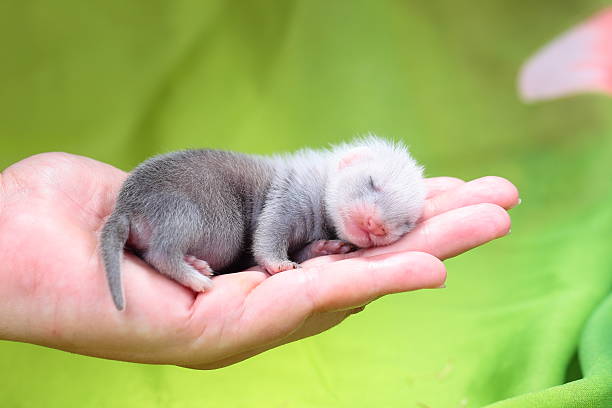
Vestibular disease in ferrets is a condition that disrupts the inner ear or brain structures responsible for balance and spatial orientation. It can cause alarming symptoms like head tilts, rolling, and loss of coordination. This guide provides an in-depth exploration of the condition, covering its causes, diagnosis, treatment, and management strategies. Whether you’re a concerned ferret owner or a veterinary professional, this resource aims to empower you with knowledge to support your ferret’s health.
1. Understanding the Vestibular System
The vestibular system is a critical network of sensory organs responsible for maintaining balance, posture, and spatial orientation. In ferrets, it includes the inner ear (labyrinth) and neural pathways connecting to the brain. Key components:
- Semicircular Canals: Detect head movement and rotational motion.
- Vestibular Nerves: Transmit signals from the inner ear to the brain.
- Cerebellum: Processes sensory input to coordinate movement.
When this system is disrupted, ferrets experience disorientation, nausea, and unsteady gait.
2. Causes of Vestibular Disease in Ferrets
Idiopathic Vestibular Disease
- Primary Cause: Unknown; most common in middle-aged to older ferrets.
- Often resolves spontaneously within weeks.
Infectious Causes
- Bacterial Infections: Pasteurella multocida or middle ear infections.
- Viral Infections: Distemper or paramyxovirus (less common).
- Fungal or Parasitic Infections: Rare but possible.
Trauma or Injury
- Head trauma from falls, fights, or accidental injuries.
Neoplasia
- Tumors in the brain or inner ear (e.g., meningiomas).
Toxins
- Household chemicals, medications (e.g., aminoglycoside antibiotics), or heavy metals.
Degenerative Diseases
- Neurological disorders like degenerative myelopathy (rare in ferrets).
3. Signs and Symptoms
Identifying symptoms early is crucial for prompt intervention:
- Head Tilt: The most common sign (left or right tilt).
- Loss of Balance: Staggering, falling, or rolling.
- Horizontal Nystagmus: Involuntary eye movements (horizontal or rotary).
- Circling: Persistent movement in one direction.
- Vomiting or Nausea: Due to vestibular stimulation.
- Altered Appetite: Reduced or absent food intake.
- Behavioral Changes: Lethargy, aggression, or disorientation.
4. Diagnosis
Physical Examination
- Assessing head tilt, nystagmus, and neurological deficits.
Diagnostic Tests
- Otoscopy: To check for ear infections.
- Blood Tests: Rule out systemic infections or toxins.
- Imaging:
- MRI/CT Scans: Identify tumors, inflammation, or structural issues.
- X-rays: Detect ear bone abnormalities.
Differential Diagnosis
- Stroke (rare in ferrets).
- Poisoning (e.g., organophosphates).
- Inner ear polyps or wax buildup.
5. Treatment Options
Supportive Care
- Anti-nausea Medications: Metoclopramide or ondansetron.
- Fluid Therapy: Prevent dehydration from vomiting or reduced water intake.
- Sedatives: Diazepam for acute distress.
Specific Treatments
- Antibiotics: For bacterial infections (e.g., enrofloxacin).
- Antifungals: For fungal infections (terbinafine).
- Surgery: Remove tumors or correct inner ear abnormalities.
Home Care
- Confinement: Limit movement to prevent injury.
- Elevated Food/Water: Reduce strain from head tilt.
- Manual Feeding/Warming: Ensure hydration and nutrition.
Recovery Period
- Idiopathic cases often recover within 2–4 weeks.
- Chronic infections or tumors require long-term management.
6. Prognosis and Complications
Prognosis
- Idiopathic Cases: 80%–90% recover fully.
- Infectious/Traumatic Cases: Depends on underlying cause and treatment.
- Neoplasia: Guarded unless surgically resectable.
Complications
- Aspiration Pneumonia: From rolling onto water or vomit.
- Secondary Infections: Unchecked ear or systemic infections.
- Chronic Vestibular Dysfunction: Persistent head tilt or balance issues.
7. Prevention Strategies
- Regular Veterinary Check-ups: Early detection of ear issues.
- Avoiding Toxins: Secure cleaning products and medications.
- Safe Housing: Remove hazards that could cause falls.
- Vaccinations: Protect against distemper and other viruses.
8. Diet and Nutrition
- High-Quality Ferret Food: Protein-rich, low-carb diets (e.g., raw meat or specialized pelleted food).
- Hydration: Provide clean, accessible water to prevent dehydration.
- Avoid Overfeeding: Obesity can worsen balance issues.
9. Zoonotic Risk
- Low Risk: Most vestibular diseases in ferrets are non-contagious.
- Exemptions: Bacterial infections like Pasteurella can be zoonotic (rare).
- Precautions: Wash hands after handling, avoid contact with sick ferrets.
10. When to Seek Veterinary Help
Contact your vet immediately if your ferret shows:
- Severe head tilt or rolling.
- Signs of trauma (e.g., bleeding, swelling).
- Refusal to eat or drink for 24+ hours.
- Progression of symptoms over days.
Frequently Asked Questions
- Q1: Can vestibular disease in ferrets be fatal?
- A1: Rarely, but complications like aspiration pneumonia can be life-threatening if untreated.
- Q2: Is surgery common for vestibular disease?
- A2: Only for tumors or severe trauma; most cases are managed medically.
- Q3: How do I help my ferret eat with a head tilt?
- A3: Elevate food bowls or use a syringe to feed moistened food.
#FerretHealth #VestibularDisease #FerretHeadTilt #FerretCare #FerretBalanceIssues #FerretDisease #FerretVetCare #FerretWellness #FerretNutrition #FerretRecovery #FerretNeurology #FerretSymptoms #FerretVetTips #FerretPetCare #FerretDiet #FerretEmergencyCare #FerretZoonoticDisease #FerretOwner #FerretFirstAid

Add comment