
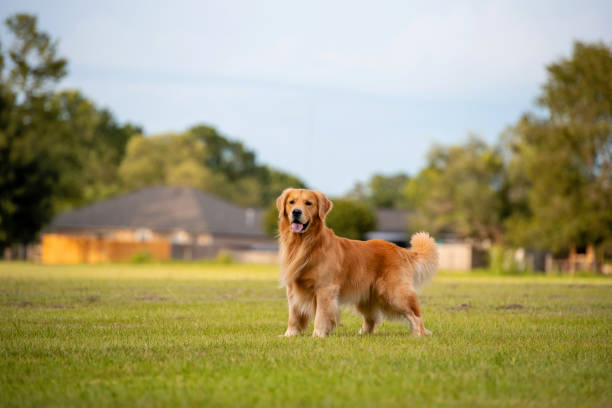
Living with a deaf dog is a profoundly rewarding experience that requires a shift in perspective and communication methods. These resilient animals often compensate for their lack of hearing with heightened senses of sight, smell, and touch, making them incredibly observant and responsive to visual and tactile cues. This guide will provide elaborate strategies for building effective communication and ensuring their safety and happiness.
Part 1: Understanding Deafness in Dogs
Before diving into training, it’s crucial to understand the nature of deafness:
- Congenital Deafness: Often inherited, present from birth. Common in certain breeds (Dalmatians, Australian Shepherds, Boxers, Great Danes, English Setters, etc.), especially those with white or Merle coats.
- Acquired Deafness: Developed later in life due to injury, infection, old age, ototoxic medications, or neurological issues.
- Partial vs. Profound Deafness: Some dogs may retain residual hearing, while others are completely deaf. It’s best to assume profound deafness for training consistency.
- Signs of Deafness: Lack of response to sounds, deep sleep, easily startled, barking excessively (or not at all), not “coming” when called, lack of startle reflex to loud noises.
- Diagnosis: A BAER (Brainstem Auditory Evoked Response) test, performed by a veterinary specialist, is the only definitive way to diagnose deafness.
Key Principle: A deaf dog is not “broken” or “less than.” They are simply different learners, and with the right approach, they can lead full, happy, and well-adjusted lives.
Part 2: Mastering Visual Cues and Communication
Visual communication is the cornerstone of training a deaf dog. It requires consistency, clarity, and patience from the handler.
A. Core Principles of Visual Communication:
- Consistency is Paramount: Every family member must use the exact same hand signals for each command. Inconsistency will confuse your dog.
- Clarity and Exaggeration: Signals should be clear, distinct, and slightly exaggerated initially so your dog can easily differentiate them.
- Positive Reinforcement: Always use high-value treats and enthusiastic visual praise (e.g., a big smile, two thumbs up, a happy dance) immediately after they perform the desired action.
- Capture Attention First: You can’t give a visual cue if your dog isn’t looking at you. This is the first skill to teach.
- Patience and Empathy: Learning a new language takes time for both you and your dog. Celebrate small victories and avoid frustration.
B. Types of Visual Cues:
- Hand Signals (Primary Communication):
- Developing a Lexicon: Start with essential commands and build from there. Keep signals simple and distinct.
- Essential Commands:
- “Watch Me/Look”: Tap your chest, point to your eyes, or bring a treat to your nose. This is fundamental for gaining attention.
- “Sit”: Hand raised, palm flat, moving upwards over their head.
- “Down”: Hand lowered, palm flat, moving downwards towards the ground.
- “Stay”: Flat palm held facing the dog, like a “stop” sign.
- “Come” (Recall): Broad, sweeping arm motion towards your body, or clapping hands visually.
- “Good/Yes”: Thumbs up, or a specific joyful hand gesture paired with a treat.
- “No/Leave It”: Sharp, downward chop of the hand, or a closed fist.
- “Wait/Stop”: Flat palm facing the dog, often accompanied by a body block.
- “Potty/Go Outside”: Wiggle fingers, or make a circle with your hand.
- “Leash/Walk”: Mimic putting on a leash, or a walking motion with fingers.
- Body Language: Your own body posture, facial expressions, and movements convey a lot. Be mindful of stiff vs. relaxed postures.
- Training Tip: Start in a quiet, distraction-free environment. Show the treat, make the signal, lure the dog into position, perform the action, reward immediately, and give visual praise. Repeat.
- Light Signals (For Attention/Recall, especially at a distance or in the dark):
- Flashlight: A gentle, low-beam flashlight can be used to get your dog’s attention, especially in a yard at night. Flash it quickly a few times, then when they look at you, give your “come” signal and reward. Never shine directly into their eyes.
- Doorbell Light: Some deaf dog owners install a visual doorbell that flashes a light when rung, alerting the dog to someone at the door.
- Laser Pointer (with caution): While sometimes used playfully, avoid overusing laser pointers as they can lead to obsessive behaviors. If used for attention, immediately transition to a real object or a treat.
- Vibration Signals (For Attention/Recall, especially at a distance):
- Vibration Collars (NOT Shock Collars): These collars emit a mild, humane vibration, similar to a cell phone, to gain the dog’s attention. They are not for punishment.
- Training Association:
- Start by having your dog next to you.
- Give a very low vibration pulse.
- Immediately follow with a high-value treat and a visual “good” signal.
- Repeat many times. The dog learns: vibration = treat.
- Once associated, pair the vibration with your visual “come” signal. Vibrate, then give “come.” Reward when they come.
- Gradually increase distance and distraction.
- Important Note: Always introduce vibration collars positively. If your dog shows fear or discomfort, reassess your approach.
- Pagers/Tactile Alerts: Similar principle, but often used for service or working deaf dogs to alert them to specific events.
- Tactile Cues (For waking, close-up communication):
- Gentle Touch: Always wake a sleeping deaf dog with a gentle touch (e.g., lightly touching their shoulder or back) rather than startling them.
- Foot Stomp (for close-range attention): A gentle stomp of your foot can create enough vibration on the floor to get their attention if they’re indoors and not looking at you.
- Leash Pressure: Use gentle, consistent leash pressure for guidance, turns, and stops during walks.
C. Training Tips for Visual Cues:
- “Watch Me” First: This is the most important cue. Teach your dog to make eye contact on command. You can do this by holding a treat near your eyes and rewarding when they look.
- Short, Frequent Sessions: Deaf dogs thrive on short (5-10 minute), frequent training sessions throughout the day.
- Proofing: Practice cues in various environments with increasing distractions.
- Visual Marker: Some trainers use a quick thumbs-up or a specific hand gesture as a “visual clicker” to mark the exact moment of correct behavior, followed immediately by a treat.
- Family Involvement: Ensure everyone in the household uses the same signals.
Part 3: Safe Play for Deaf Dogs
Play is vital for a dog’s mental and physical well-being. For deaf dogs, it requires extra diligence to ensure safety and prevent misunderstandings.
A. Principles of Safe Play:
- Constant Supervision: Never leave a deaf dog unsupervised, especially during play with other dogs or in new environments.
- Secure Environment: Always play in a securely fenced area or on a leash. Deaf dogs cannot hear approaching dangers (cars, other dogs, people).
- Read Body Language: As their “ears,” you must be meticulously observant of your deaf dog’s and their playmates’ body language.
- Clear Start and Stop: Be able to initiate and end play clearly with visual cues.
- Appropriate Partners: Carefully select playmates for your deaf dog.
B. Types of Play and Safety Considerations:
- Solo Play:
- Benefits: Builds independence, mental stimulation, safe outlet for energy.
- Activities: Puzzle toys, KONGs filled with treats, chew toys, snuffle mats, scent-based games (e.g., hiding treats around the house).
- Safety: Ensure toys are appropriate size and non-toxic. Rotate toys to maintain interest.
- Human-Deaf Dog Play:
- Benefits: Strengthens bond, reinforces visual cues, provides structured exercise.
- Activities:
- Fetch (with Visual Recall): Throw a favorite toy. When your dog retrieves it, give your “come” signal or a vibration cue. Reward when they return and drop the toy.
- Tug-of-War: Teach “take it” (a visual cue to grab the toy) and “drop it” (a visual cue to release, perhaps involving a hand gesture and treat exchange).
- Hide-and-Seek (with Variation): Hide in plain sight initially, then gradually behind objects. When they find you, give a happy visual praise and reward. You can also stomp your foot to create vibration if they’re close.
- Scent Games: Hide treats or toys, and encourage them to sniff them out.
- Safety: Monitor energy levels. Ensure a safe, clear space. Use visual cues to manage excitement.
- Deaf Dog-Dog Play: This requires the most careful management.
- Selecting Playmates:
- Temperament: Choose calm, well-socialized, polite, and non-aggressive dogs. Avoid overly boisterous, dominant, or unpredictable dogs.
- Play Style: Look for dogs with compatible play styles. A small, shy deaf dog might be overwhelmed by a large, rough player.
- Familiarity: Introduce new playmates gradually and under strict supervision.
- Introducing Play:
- Neutral Territory: Always start introductions in a neutral, securely fenced area.
- On Leash (Initially): Keep both dogs on leashes initially to control interactions. Allow them to sniff and observe each other.
- Body Language Check: Look for relaxed body language: loose tails, play bows, soft eyes, gentle sniffing. Avoid stiff bodies, hard stares, raised hackles, growling (even if your dog can’t hear, the other dog’s growl is a warning).
- Monitoring Play:
- Constant Vigilance: Your eyes are your deaf dog’s ears. Watch every interaction.
- Intervention: Be prepared to intervene instantly. Use your visual “break” or “stop” command, or gently separate them with your body (known as splitting). If play escalates beyond appropriate levels (e.g., one dog is clearly overwhelmed, pinning, nipping too hard), end the session.
- Play Bows: Observe for play bows – a clear signal that the interaction is meant to be playful.
- No Unsupervised Play: Never leave a deaf dog alone with another dog, especially one they don’t know intimately, as they cannot hear warning cues.
- Managing Interactions:
- Polite Greetings: Teach your deaf dog a visual cue for polite greetings (e.g., “gentle touch” or “say hello” for a brief sniff, no jumping).
- De-escalation: If one dog becomes too intense, visually cue a “break” or “lie down” for a short cool-off period.
- Prevent Resource Guarding: Supervise closely around toys or food if multiple dogs are present.
- Selecting Playmates:
C. Play Environment Safety:
- Fencing is Non-Negotiable: A securely fenced yard (with no escape points) is essential for off-leash play. Even a small gap can lead to disaster.
- Clear Hazards: Remove any potential dangers from the play area: toxic plants, small objects they could ingest, sharp edges.
- Outdoor Awareness: When on walks, always be hyper-vigilant. Scan for cars, bikes, other dogs, and people approaching from behind. Your deaf dog cannot hear them.
- ID Tags and Vests: Ensure your deaf dog wears a collar with clear ID tags (including your phone number) and a tag or vest indicating “I AM DEAF.” This is crucial if they ever get lost.
Part 4: General Safety and Well-being
Beyond specific training and play, daily life with a deaf dog requires thoughtful adjustments.
- Waking a Deaf Dog: Always approach gently and touch an area where they will not be startled (e.g., shoulder, back, foot). Never from the head or suddenly.
- Door Safety: Teach a “wait” or “stay” signal at doors. Always leash your deaf dog before opening the door to an unfenced area.
- Environmental Awareness Indoors: Keep pathways clear. If your dog is prone to deep sleep anywhere, make sure high-traffic areas are clear around them.
- Car Safety: Use a crash-tested harness or crate in the car. They cannot hear approaching vehicles or sudden braking.
- Stranger Interaction: Teach a “sit” or “stay” when people approach. Inform people that your dog is deaf and advise them to approach slowly and let the dog see them before touching.
- Enrichment: Deaf dogs thrive on mental stimulation. Scent work (nose games), puzzle toys, and learning new visual tricks keep their minds active and prevent boredom.
- Routine: A predictable daily routine helps deaf dogs feel secure and confident.
- Affection: Provide plenty of physical affection – gentle massages, belly rubs, and cuddles – to reinforce your bond and provide comfort.
Conclusion
Living with a deaf dog is an incredible journey of discovery and connection. By embracing visual cues, establishing clear communication, and prioritizing safety in all aspects of their lives, you can provide your deaf companion with a rich, full, and happy existence. Their heightened senses and profound reliance on your visual guidance create a unique and unbreakable bond, proving that love truly transcends all barriers. With patience, consistency, and a deep understanding, your deaf dog will not only thrive but will also teach you to see the world in a whole new, beautiful way.






Add comment