
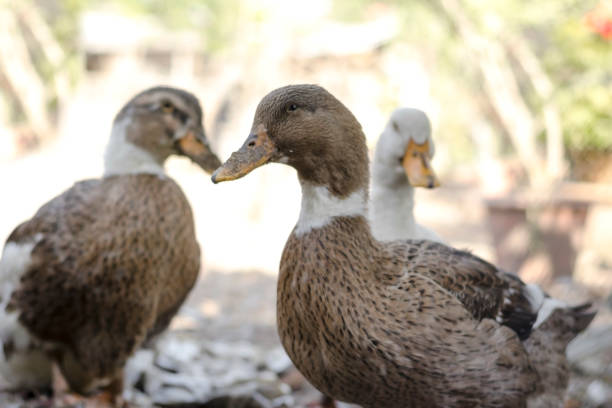
Vitamin A deficiency, also known as hypovitaminosis A, is a common and serious nutritional disorder in ducks that affects multiple physiological systems and can result in significant morbidity and mortality, especially in young and growing birds. This deficiency arises when a duck’s diet lacks sufficient retinol (the active form of vitamin A) or its precursors, such as beta-carotene. Ducks, like all birds, rely heavily on a balanced diet to maintain proper health, and vitamin A plays a vital role in maintaining epithelial integrity, vision, immune function, reproduction, and growth. This comprehensive guide explores all aspects of Vitamin A deficiency in ducks, including its causes, signs and symptoms, breed susceptibility, affected life stages, diagnosis, treatment, prognosis, complications, prevention strategies, dietary management, and zoonotic risks.
Causes of Vitamin A Deficiency in Ducks
Vitamin A deficiency in ducks is primarily caused by inadequate nutrition. Ducks are omnivorous and naturally consume a variety of plant and animal matter that provides essential nutrients, including vitamin A. However, in domestic and captive settings, ducks are often fed inappropriate diets, which can lead to deficiency. The most common causes include:
- Inadequate Dietary Intake: Many commercial diets or homemade feed rations lack sufficient vitamin A or its provitamins. Diets based primarily on corn, wheat, or other grains are notoriously low in vitamin A and beta-carotene. Feeding only bread or scratch grains—common in backyard flocks—is especially problematic.
- Poor Absorption: Even if vitamin A is present in the diet, deficiencies can occur due to malabsorption. Conditions affecting the gastrointestinal tract such as coccidiosis, bacterial enteritis, or liver disease can impair the absorption of fat-soluble vitamins, including vitamin A.
- Destruction of Vitamin A in Feed: Vitamin A is highly sensitive to oxidation and degrades rapidly when feed is stored improperly, exposed to heat, light, or air for extended periods. Poor-quality or old feeds may contain little to no bioavailable vitamin A.
- High-Fat Diets with Rancid Oils: Rancid fats in feed can destroy vitamin A and other fat-soluble vitamins. Diets high in oxidized fats further exacerbate deficiency.
- Increased Requirements: Certain life stages and conditions such as rapid growth, egg production, or illness increase the duck’s demand for vitamin A. If these increased needs are not met, deficiency can develop rapidly.
- Lack of Green Forage: Ducks in the wild consume aquatic plants, algae, and green vegetation rich in beta-carotene (a precursor to vitamin A). Captive ducks without access to natural foraging grounds often miss out on this vital nutrient source.
- Species-Specific Needs: Ducks have higher vitamin A requirements than chickens, making them particularly susceptible when fed poultry rations not adjusted for their needs.
Signs and Symptoms of Vitamin A Deficiency in Ducks
The clinical signs of vitamin A deficiency in ducks are multifaceted, as the vitamin is essential for epithelial tissue health, vision, immune function, and skeletal development. Symptoms typically develop gradually and become severe if untreated. Common signs include:
- Ocular Lesions: One of the earliest and most characteristic signs is eye involvement. Affected ducks may develop:
- Swollen, closed eyes due to conjunctivitis
- Cloudy or opaque corneas (keratitis)
- Excessive tearing (epiphora)
- Thick, yellowish discharge around the eyes
- In severe cases, blindness or complete ocular deformation
- Nasal and Oral Discharges:
- Thick, mucoid or caseous (cheese-like) discharge from the nostrils
- Sneezing and labored breathing due to obstruction of the nasal passages
- Swelling around the beak and sinuses
- Difficulty preening and eating due to oral discomfort
- Oropharyngeal and Tracheal Lesions:
- White or yellow plaques on the mucous membranes of the mouth and throat
- Ulcerations or pseudomembranes in the trachea, larynx, and esophagus
- Gaping, gasping, or “gurgling” sounds during respiration
- Poor Growth and Weight Loss:
- Stunted growth in ducklings
- Failure to thrive despite adequate caloric intake
- Emaciation in chronic cases
- Neurological and Musculoskeletal Issues:
- Ataxia (loss of coordination)
- Weakness or paralysis in severe cases due to nerve compression from swollen sinuses
- Lameness or reluctance to walk
- Reproductive Problems:
- Reduced egg production in adult hens
- Thin-shelled or misshapen eggs
- Poor hatchability of eggs
- High embryonic mortality in fertile eggs
- Immune Suppression:
- Increased susceptibility to secondary infections such as respiratory diseases (e.g., avian cholera, aspergillosis)
- Prolonged recovery from illness
- Skin and Feather Abnormalities:
- Dry, flaky skin
- Poor feather quality and delayed feathering in ducklings
- Increased susceptibility to skin infections
- Urinary Tract Abnormalities:
- In severe deficiency, squamous metaplasia can occur in the epithelium of the ureters and kidneys, leading to urate deposits and potential kidney dysfunction.
Duck Breeds at Risk (with Explanation)
While all duck breeds can suffer from vitamin A deficiency if fed an inadequate diet, certain breeds are more prone due to their physiology, growth rate, or common rearing conditions. The most at-risk breeds include:
Pekin Ducks, Khaki Campbells, Muscovy Ducks, Indian Runners, and Mallards (in captivity)
Pekin ducks, one of the most commonly raised domestic breeds, are particularly susceptible due to their rapid growth rate, especially in commercial settings. Their high metabolic demand for nutrients, including vitamin A, makes them vulnerable when fed only grain-based or low-quality diets. Pekins are often raised for meat, and intensive farming conditions sometimes prioritize growth promoters over balanced nutrition, leading to deficiencies.
Khaki Campbells and Indian Runners, primarily kept for egg production, also face increased vitamin A requirements during laying cycles. When these ducks are not provided with green forage or vitamin-enriched supplements, they frequently develop deficiency symptoms, particularly ocular and respiratory signs.
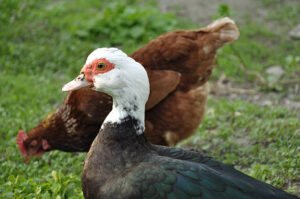
Muscovy ducks are especially interesting in their susceptibility. Unlike other duck breeds, Muscovies tend to be more selective foragers and may not consume enough green vegetation when given limited range. Additionally, they are often used in hybrid production (e.g., Mule ducks) and may be fed improper rations. Their larger size and longer maturation period also increase their vitamin needs over time.
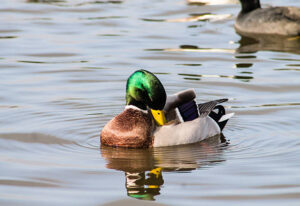
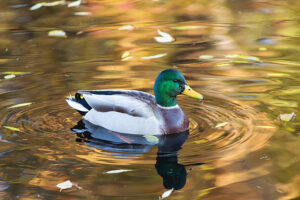
Even wild-type ducks such as Mallards, when kept in captivity (e.g., in zoos, sanctuaries, or ornamental ponds), can develop vitamin A deficiency. In the wild, they forage on aquatic plants rich in carotenoids, but in confinement, they often receive supplemental feed lacking in diversity. This mismatch between their natural dietary habits and captive feeding regimens puts them at high risk.
In general, ducklings of all breeds are more vulnerable than adults. Their rapid development, higher metabolic rates, and dependency on maternal yolk reserves (which may be low in vitamin A if the hen is deficient) make them prime candidates for early onset deficiency. Early signs in ducklings include swollen eyes, nasal discharge, and failure to thrive.
Affected Life Stage
Vitamin A deficiency most commonly affects ducklings between 1 to 6 weeks of age, although it can occur at any stage of life under poor nutritional conditions.
- Neonatal and Juvenile Ducks (0–8 weeks): Ducklings are at highest risk because they are growing rapidly and have high vitamin A demands for proper development of eyes, respiratory, and immune systems. Deficiency in this stage often presents as swollen eyes, nasal discharge, and stunted growth. The yolk sac in newly hatched ducklings contains vitamin A transferred from the mother, but if the breeder hen is deficient, the yolk will not provide enough reserves, leading to early onset of symptoms.
- Growers (8–16 weeks): During this period, ducks continue to grow and develop. While less vulnerable than ducklings, they still require adequate vitamin A for proper organ development, especially vision and respiratory tract health. Deficiency may result in poor feathering, delayed sexual maturity, and increased susceptibility to respiratory infections.
- Adult Ducks (16+ weeks): Adult ducks, particularly laying hens, have increased vitamin A needs due to egg production. Deficiency in adults may manifest as reduced fertility, poor eggshell quality, and increased embryonic mortality. Male ducks may experience reduced libido and sperm quality. Additionally, adult ducks with chronic deficiency may develop kidney damage due to epithelial changes in the urinary tract.
- Breeder and Laying Ducks: These birds have the highest metabolic demand for vitamin A and are often the first to show reproductive and hatchability issues when deficient.
Diagnosis of Vitamin A Deficiency in Ducks
Diagnosis is based on a combination of clinical signs, dietary history, physical examination, and sometimes laboratory or pathological investigations.
- Clinical Evaluation:
- History of feeding a poor or unbalanced diet (e.g., bread, scratch grains, old or rancid feed)
- Observation of classic signs: swollen eyes, nasal discharge, respiratory distress, poor growth
- Physical Examination:
- Ophthalmic exam revealing conjunctivitis, corneal ulcers, or cloudiness
- Oral cavity inspection for plaques or pseudomembranes
- Palpation of the head for sinus swelling
- Necropsy Findings: In deceased birds, post-mortem examination often reveals:
- Caseous exudate (cheese-like material) in nasal passages, sinuses, and throat
- Thickened, opaque conjunctiva
- Keratinization and squamous metaplasia in epithelial linings of the respiratory, ocular, and urinary tracts
- Secondary bacterial infections in lungs or air sacs
- Histopathology:
- Biopsy of affected tissues showing squamous metaplasia (transformation of normal epithelium into keratinized, abnormal tissue)
- Inflammation and necrosis in areas like the trachea, esophagus, or kidneys
- Biochemical Analysis:
- Serum vitamin A (retinol) levels can be measured, though this is less common in avian practice due to cost and availability.
- Low serum retinol levels confirm deficiency.
- Response to Treatment:
- A presumptive diagnosis can be supported by improvement in clinical signs following vitamin A supplementation.
- Differential Diagnosis: Vitamin A deficiency must be differentiated from:
- Infectious bronchitis or other respiratory viruses
- Avian influenza
- Mycoplasmosis
- Aspergillosis
- Bacterial infections such as Pasteurella multocida (fowl cholera)
- Trauma or foreign body in the eye or respiratory tract
Treatment of Vitamin A Deficiency in Ducks
Prompt treatment is essential to reverse symptoms and prevent long-term complications.
- Vitamin A Supplementation:
- Injectable Vitamin A: The most effective method for severe deficiency. Water-soluble forms (e.g., vitamin A palmitate) can be administered intramuscularly. Dosage: 1,000–2,000 IU per duckling, 3,000–5,000 IU per adult duck, repeated every 3–7 days for 2–3 doses depending on severity.
- Oral Vitamin A: Can be given via crop tube or dropper. Fish liver oil (e.g., cod liver oil) is rich in vitamin A and D and can be used cautiously. Dosage: 0.1–0.3 mL per duckling, 0.5–1 mL per adult, once or twice weekly. Avoid overuse to prevent hypervitaminosis A.
- Supportive Care:
- Flush eyes and nostrils gently with sterile saline to remove discharge.
- Provide soft, moist feed if the duck has difficulty eating.
- Maintain a clean, stress-free environment.
- Isolate sick birds to prevent secondary infections.
- Antibiotics:
- Secondary bacterial infections are common. Broad-spectrum antibiotics (e.g., enrofloxacin, tetracyclines) may be prescribed under veterinary guidance.
- Environmental Management:
- Ensure access to clean water for drinking and eye rinsing (ducks naturally clear their eyes by submerging).
- Provide shade and protection from strong light if birds are photophobic.
- Gradual Reintroduction of Balanced Diet: While treating, transition to a proper diet to prevent recurrence.
Prognosis & Complications
Prognosis:
- Good to excellent if diagnosed and treated early, before permanent tissue damage occurs.
- Guarded in advanced cases with severe ocular, respiratory, or neurological involvement.
- Blind or severely debilitated birds may not recover fully, even with treatment.
Complications:
- Permanent Blindness: Corneal scarring or retinal damage may result in irreversible vision loss.
- Chronic Respiratory Disease: Scarring and narrowing of airways due to inflammation may lead to persistent breathing difficulties.
- Secondary Infections: Immunosuppression increases the risk of pneumonia, airsacculitis, and septicemia.
- Skeletal Deformities: In ducklings, vitamin A is crucial for bone development. Deficiency may lead to abnormal growth plates and limb deformities.
- Renal Damage: Squamous metaplasia in the ureters can lead to urate deposition (gout-like symptoms) and kidney failure.
- Reproductive Failure: Chronic deficiency reduces fertility and hatchability, affecting flock productivity.
- High Mortality in Ducklings: Untreated deficiency can lead to 50–100% mortality in young birds.
Prevention of Vitamin A Deficiency
Prevention is more effective and economical than treatment.
- Balanced Commercial Feed:
- Use waterfowl-specific or game bird feed formulated with adequate vitamin A.
- Avoid feeding only chicken layer or broiler feed, which may not meet duck requirements.
- Access to Fresh Greens:
- Provide daily access to fresh leafy greens: kale, spinach, dandelion greens, lettuce, Swiss chard.
- Allow free-range time in safe, pesticide-free areas for natural foraging.
- Supplementation:
- Add cod liver oil or avian multivitamin drops to drinking water periodically (follow label instructions).
- Use pelleted or crumbled feeds with stabilized vitamin A.
- Proper Feed Storage:
- Store feed in cool, dry, dark places in airtight containers to preserve vitamin potency.
- Use feed within 6–8 weeks of milling or purchase.
- Breeder Nutrition:
- Ensure breeder ducks receive adequate vitamin A to supply yolks with sufficient reserves for developing embryos.
- Regular Health Monitoring:
- Watch for early signs such as eye swelling or nasal discharge.
- Conduct periodic flock health checks.
- Educate Caretakers:
- Avoid feeding bread, junk food, or scratch grains as primary diet.
- Promote awareness in schools, parks, and zoos about proper duck nutrition.
Diet and Nutrition for Optimal Vitamin A Intake
A duck’s diet must be nutritionally complete. Key recommendations include:
- Vitamin A Requirements:
- Ducklings: 8,000–10,000 IU/kg of feed
- Growers: 6,000–8,000 IU/kg
- Adults/Layers: 8,000–12,000 IU/kg
- Natural Sources of Vitamin A/Carotenoids:
- Dark leafy greens (kale, spinach, collards)
- Carrots (grated or steamed)
- Sweet potatoes
- Pumpkin
- Algae and aquatic plants (duckweed, water hyacinth)
- Yellow corn (moderate amounts, not sole diet)
- Fish or shrimp (source of preformed vitamin A)
- Cod liver oil (supplemental source)
- Commercial Feeds:
- Use crumbles or pellets labeled for ducks or waterfowl.
- Choose feeds fortified with vitamins, especially A, D, and E.
- Avoid medicated chick feeds unless necessary (not formulated for ducks).
- Grit and Calcium:
- Provide insoluble grit to aid digestion of plant material.
- Layer ducks need extra calcium for eggshells—offer oyster shell separately.
- Hydration:
- Ensure constant access to clean water—vital for mucous membrane health and foraging behavior.
Zoonotic Risk of Vitamin A Deficiency in Ducks
Vitamin A deficiency in ducks is not zoonotic, meaning it cannot be transmitted from ducks to humans. It is strictly a nutritional disorder and does not involve infectious pathogens.
However, there are indirect zoonotic concerns:
- Secondary Infections: Ducks with vitamin A deficiency are more susceptible to bacterial infections like Salmonella or E. coli, which are zoonotic. Immunocompromised ducks can shed these pathogens in feces, posing a risk to humans, especially children or immunocompromised individuals.
- Poor Hygiene Practices: Handling sick ducks or contaminated environments without proper hygiene (handwashing, glove use) can lead to disease transmission.
- Antibiotic Use: If antibiotics are used to treat secondary infections, improper use can contribute to antimicrobial resistance, a growing public health concern.
Hence, while vitamin A deficiency itself is not a zoonotic disease, the resulting health decline in ducks may increase the risk of exposure to zoonotic agents. Practicing good biosecurity, hygiene, and veterinary oversight is essential.
Conclusion
Vitamin A deficiency in ducks is a preventable, yet potentially devastating, condition that primarily stems from improper nutrition. It affects ducks of all ages but is especially dangerous in young, rapidly growing birds. Clinical signs involving the eyes, respiratory tract, and overall growth are hallmark indicators. Diagnosis relies on clinical signs, dietary history, and sometimes lab or post-mortem findings. Treatment with vitamin A supplementation, supportive care, and dietary correction can lead to full recovery if initiated early.
Prevention is straightforward and hinges on providing a balanced, vitamin-rich diet, access to fresh greens, and proper feed storage. Duck owners, farmers, and wildlife caretakers must understand the unique nutritional needs of ducks—especially their higher vitamin A requirements compared to chickens.
By promoting proper feeding practices and early recognition of deficiency symptoms, we can ensure healthier, longer-lived ducks, whether raised for eggs, meat, or as part of conservation and educational programs. Public education on feeding ducks in parks—avoiding bread and providing healthy alternatives—is also a critical component of prevention on a broader scale.
Ultimately, the key to preventing vitamin A deficiency lies in proactive management, awareness, and a commitment to animal welfare through proper nutrition.
#DuckNutrition, #DuckHealthTips, #HypovitaminosisA, #Ducklings, #DuckDiet, #HealthyDucks, #DuckOwnerTips, #WaterfowlHealth, #DuckVitamins, #DuckEyes, #DuckRespiratory, #DuckDietGuide, #DuckFarm, #DuckSanctuary, #PreventDisease, #AnimalNutrition, #PoultryHealth, #DuckCareGuide, #FowlHealth, #VitaminDeficiency, #DuckWellness, #DuckTreatment, #DuckRecovery, #DuckHusbandry, #OrganicDuckFeed, #DuckForaging, #DuckGreens, #DuckKeeper, #DuckLife
Add comment