
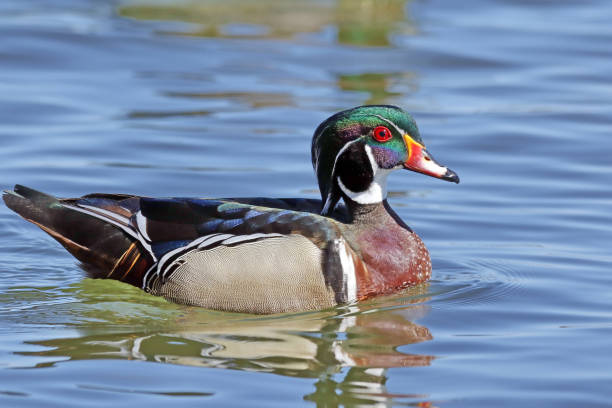
Vitamin D3 (cholecalciferol) is a critical nutrient for the health and well-being of ducks. While commonly associated with human health, this vitamin plays an equally vital role in avian physiology, particularly in maintaining strong bones, supporting immune function, and regulating calcium and phosphorus metabolism. In ducks, Vitamin D3 deficiency can lead to severe health issues, including skeletal deformities, poor egg production, and weakened immunity. This guide provides an in-depth exploration of Vitamin D3 deficiency in ducks, covering its causes, symptoms, at-risk breeds, diagnostic methods, treatment options, prevention strategies, and more.
The Role of Vitamin D3 in Ducks
Vitamin D3 is a fat-soluble vitamin that plays a central role in calcium and phosphorus homeostasis. In ducks, it is essential for bone development, muscle function, and immune system regulation. Unlike many other animals, ducks are not dependent solely on dietary sources of Vitamin D3; they can synthesize it through exposure to ultraviolet B (UVB) radiation from natural sunlight. However, when ducks are kept in indoor environments or areas with limited sunlight, their ability to produce adequate Vitamin D3 is compromised, increasing the risk of deficiency.
In addition to its role in calcium absorption, Vitamin D3 supports the development of strong eggshells in laying ducks. A deficiency can lead to thin, brittle shells and reduced hatchability in breeding ducks. It also affects the growth and development of ducklings, as they require sufficient Vitamin D3 to build healthy skeletal structures. When a duck lacks this essential nutrient, it can experience a range of health issues that, if left untreated, may become chronic or even life-threatening.
The importance of understanding Vitamin D3 deficiency in ducks is multifaceted. For poultry keepers and farmers, it is crucial to recognize the signs of deficiency early to prevent long-term damage to their flocks. Additionally, researchers and veterinarians must stay informed about the latest developments in avian nutrition to provide accurate guidance and treatments. By exploring the causes, symptoms, and solutions related to Vitamin D3 deficiency in ducks, this guide aims to raise awareness and equip caretakers with the knowledge needed to ensure optimal duck health.
Causes of Vitamin D3 Deficiency in Ducks
Vitamin D3 deficiency in ducks can arise from various factors, including inadequate sunlight exposure, poor dietary management, and underlying health conditions that affect nutrient absorption. Among these, the most significant cause is a lack of exposure to natural sunlight, which is the primary source for ducks to synthesize Vitamin D3. UVB radiation from sunlight provides the necessary energy for ducks to convert cholesterol in their skin into Vitamin D3. Without regular access to sunlight, ducks are unable to produce sufficient levels of this essential vitamin, leading to deficiency. This issue is particularly prevalent in ducks raised in indoor environments, such as commercial poultry farms or backyard setups where light exposure is limited.
Dietary inadequacy is another major contributor to Vitamin D3 deficiency. While ducks can obtain some of their Vitamin D3 requirements through their diet, the amount typically provided in commercial feed may not be sufficient, especially in regions with limited sunlight. In such cases, the feed should be supplemented with additional Vitamin D3 to ensure ducks receive the necessary amount for optimal health. Inadequate supplementation, particularly during the critical growth stages of ducklings, can lead to developmental issues and long-term health complications. Moreover, ducks that are fed a primarily plant-based diet may be at higher risk of deficiency, as natural food sources such as insects and algae, which are rich in Vitamin D3, may not be readily available.
In addition to environmental and dietary factors, certain internal health issues can impair a duck’s ability to absorb or utilize Vitamin D3 effectively. For instance, gastrointestinal disorders or parasitic infections can interfere with nutrient absorption in the digestive tract, leading to malabsorption of Vitamin D3 even when it is present in sufficient quantities in the diet. Chronic conditions such as liver disease can also affect the metabolism of Vitamin D3, as the liver plays a key role in converting the vitamin into its active form. These internal factors can exacerbate the risk of deficiency, making it essential for caretakers to monitor ducks for any underlying health issues that may impact their ability to synthesize or utilize the vitamin.
Environmental factors such as geographic location and seasonal changes can also influence the risk of Vitamin D3 deficiency in ducks. Ducks in regions with long winters or frequent overcast skies may experience periods of reduced sunlight exposure, which can lead to a gradual decline in Vitamin D3 levels. Similarly, ducks raised in enclosed spaces without artificial UVB lighting are at a higher risk of deficiency compared to those with unobstructed access to sunlight. Seasonal variability in diet and feeding practices can further compound this issue, as caretakers may unknowingly reduce the intake of Vitamin D3-rich foods during certain times of the year.
Understanding the various causes of Vitamin D3 deficiency in ducks is crucial for developing effective prevention and management strategies. While sunlight exposure is the most direct and natural solution, caretakers must also consider dietary supplementation and address any underlying health issues that may impair nutrient absorption. By identifying and addressing the root causes of deficiency, duck owners can take proactive steps to maintain the health and well-being of their flock.
Signs and Symptoms of Vitamin D3 Deficiency in Ducks
Vitamin D3 deficiency in ducks can manifest in a range of physical, behavioral, and growth-related symptoms. Recognizing these indicators is essential for early intervention and treatment. One of the most noticeable signs is skeletal abnormalities, particularly in young ducklings. Ducks with a deficiency may exhibit delayed skeletal development, soft or deformed bones, and a hunched or stunted posture. These symptoms are similar to rickets in other animals, as Vitamin D3 is crucial for the proper mineralization of bones. In adult ducks, a deficiency can lead to weakened bones, which may result in fractures or an inability to support the bird’s weight, making them appear lame or reluctant to move.
Behavioral changes are another key indicator of Vitamin D3 deficiency in ducks. Affected ducks may display a lack of energy or lethargy, spending more time resting than engaging in normal ducking or foraging behaviors. This fatigue can be accompanied by a decrease in activity levels, particularly during periods when ducks are typically most active. In laying ducks, a deficiency can result in a significant drop in egg production. Additionally, the eggs may have thin, soft, or irregular shells, which are more prone to cracking. These symptoms are often exacerbated in breeding ducks, as the high calcium demands of egg production place additional strain on the bird’s ability to maintain adequate Vitamin D3 levels.
Poor feathering is also a common symptom of Vitamin D3 deficiency in ducks. Normally, ducks have smooth, tightly packed feathers that provide insulation and protection. In deficient individuals, the feathers may appear rough, dry, or patchy, with a lack of proper growth in certain areas. This condition is frequently observed in ducks that do not receive sufficient sunlight or dietary supplementation, as Vitamin D3 is essential for healthy feather development. In severe cases, ducks may experience delayed molting or incomplete feathering cycles, leaving them vulnerable to temperature extremes and potential infections.
Growth deficiencies in ducklings are among the most concerning symptoms of Vitamin D3 deficiency. Young ducks with inadequate levels of this vitamin may exhibit stunted growth, failing to reach the expected weight and size for their age. This slow development can lead to long-term issues, as underdeveloped ducks are more likely to suffer from health problems later in life. Additionally, ducklings may struggle to stand or walk properly due to weak muscle development, further limiting their ability to interact with the flock and forage for food. If left untreated, these developmental issues can result in chronic health complications and reduced lifespan.
In some instances, Vitamin D3 deficiency can also impact a duck’s immune system. Ducks with low levels of this vitamin may be more susceptible to infections and diseases, as Vitamin D3 plays a role in supporting immune function. Affected ducks may show signs of illness more frequently, take longer to recover from infections, or exhibit recurring health issues such as respiratory or digestive problems. This increased vulnerability can lead to higher mortality rates in flocks that are not properly managed, particularly in commercial or large-scale duck-keeping operations.
Recognizing these symptoms early is crucial for effective treatment and management. By closely monitoring ducks for physical abnormalities, behavioral changes, and growth deficiencies, caretakers can identify vitamin D3 deficiency before it leads to severe complications. Prompt intervention, including dietary adjustments and increased sunlight exposure, can help restore nutrient levels and improve the health and well-being of the flock.
Duck Breeds at Risk of Vitamin D3 Deficiency
While all ducks can be affected by Vitamin D3 deficiency, certain breeds are more susceptible due to their specific management practices, geographical distribution, and nutritional requirements. Understanding the unique characteristics of at-risk breeds can help caretakers implement targeted prevention and treatment strategies.
Muscovy Ducks are particularly vulnerable to Vitamin D3 deficiency due to their indoor-rearing tendencies. These ducks are often raised in enclosed spaces, especially in urban or suburban backyard settings, where exposure to natural sunlight is limited. Additionally, Muscovy ducks are not known for their foraging behavior, making them reliant on dietary supplementation for adequate vitamin intake. Their relatively sedentary lifestyle in confined environments further increases the risk of deficiency if their diet lacks sufficient Vitamin D3.
Pekin Ducks, a popular choice for meat and egg production, are also at higher risk of Vitamin D3 deficiency in commercial farming conditions. Due to their high growth rates and rapid development, these ducks require significant amounts of calcium and phosphorus, both of which are regulated by Vitamin D3. In intensive farming systems, where ducks are often raised in large sheds without access to sunlight, the lack of UVB exposure can lead to a deficiency that compromises bone development and eggshell quality. Additionally, Pekin ducks are highly sensitive to the effects of poor nutrition, making dietary imbalances a major contributing factor.
Cayuga Ducks are another breed predisposed to Vitamin D3 deficiency due to their seasonal molting patterns and reduced activity during certain periods. These ducks naturally undergo a heavy molt once a year, during which their energy and nutrient demands increase significantly. If their diet lacks adequate Vitamin D3, the molting process can be disrupted, leading to poor feather regrowth and weakened immunity. Because Cayuga ducks are often raised in shaded or overcast climates, their limited access to natural sunlight can exacerbate the issue.
Khaki Campbell Ducks, widely bred for their high egg production, are also at risk due to the nutritional demands of frequent laying. These ducks require a steady supply of Vitamin D3 to support the development of strong eggshells and maintain overall health. In indoor egg-laying operations, where ducks are confined to small spaces and exposed to artificial lighting, the absence of natural sunlight increases the likelihood of deficiency. Additionally, the high metabolic activity associated with constant egg production can deplete Vitamin D3 levels if not properly replenished through diet or supplementation.
Indian Runner Ducks are another species that are more prone to Vitamin D3 deficiency, although they are often well-suited for outdoor living. However, their upright posture and compact body structure make them more susceptible to skeletal issues if their Vitamin D3 intake is inadequate. These ducks are frequently kept in backyard environments where access to sunlight is inconsistent, and their diet may not be supplemented with enough Vitamin D3 to meet their needs. This can result in developmental issues, particularly in ducklings, leading to weak bones and impaired mobility.
Anas Platyrhynchos (wild ducks) also face the risk of Vitamin D3 deficiency, although this is more commonly observed in captive or semi-captive populations. In the wild, these ducks naturally obtain Vitamin D3 through exposure to sunlight and dietary sources such as aquatic plants and insects. However, in managed or domesticated settings, such as parks or rehabilitation centers, their access to natural sunlight may be limited, and their diet may not provide sufficient levels of the vitamin. This deficiency can impact their ability to maintain strong bones and healthy plumage, particularly in birds raised in captivity for extended periods.
By identifying the specific needs and vulnerabilities of these at-risk breeds, caretakers can tailor their management strategies to mitigate the likelihood of Vitamin D3 deficiency. Implementing targeted supplementation, ensuring access to sunlight, and monitoring dietary intake are essential steps in supporting the health and well-being of these ducks.
The Impact of Vitamin D3 Deficiency Across Different Life Stages
The effects of Vitamin D3 deficiency in ducks vary significantly depending on their life stage, with the most severe consequences often observed in ducklings and laying ducks. During the embryonic and early growth stages, a lack of adequate Vitamin D3 can lead to developmental abnormalities that may persist throughout a duck’s life. In ducklings, the deficiency can cause delayed skeletal development, resulting in weak, deformed bones that make standing, walking, or swimming difficult. This condition is particularly concerning because it can severely limit the duckling’s ability to forage for food and interact with the flock, increasing their vulnerability to health complications. Additionally, the lack of proper bone mineralization can result in a hunched posture or a condition resembling rickets, which can lead to chronic lameness or mobility issues if left untreated.
In juvenile ducks, the deficiency can also manifest as poor feathering and delayed growth. Vitamin D3 plays a crucial role in the development of healthy, dense plumage, which is essential for insulation, buoyancy, and overall health. Ducks with inadequate Vitamin D3 levels may exhibit rough, patchy, or incomplete feathering, which can leave them exposed to temperature extremes and increase their susceptibility to infections. Moreover, slow growth rates in young ducks can reduce their chances of reaching a healthy adult size, which can have long-term implications for their reproductive and productivity capabilities. In commercial duck farming, this stunted growth can lead to significant economic losses, as ducks fail to meet weight benchmarks required for market readiness.
Adult ducks, particularly those in breeding or egg-laying flocks, are also vulnerable to the effects of Vitamin D3 deficiency, but the symptoms manifest differently compared to ducklings. One of the most noticeable issues in laying ducks is a decline in egg production, as well as the development of thin, brittle, or irregularly shaped eggshells. This occurrence is due to the fact that Vitamin D3 is essential for calcium regulation, which plays a vital role in eggshell formation. Ducks that lack sufficient levels of this vitamin may also experience a reduction in the quality of the eggs they lay, with some cases resulting in eggs that are soft or prone to cracking. This issue is particularly problematic for breeders and farmers, as it directly impacts the hatchability rate of eggs and the overall viability of the flock.
In addition to reproductive concerns, adult ducks suffering from Vitamin D3 deficiency are more susceptible to health problems due to compromised immune function. A lack of adequate Vitamin D3 can weaken the bird’s ability to fight off infections, making them more prone to illnesses such as respiratory infections or digestive disorders. This increased vulnerability to disease is especially problematic in large-scale duck operations, where an outbreak can quickly spread throughout the flock and result in high mortality rates. Moreover, ducks with chronic deficiencies may experience a gradual decline in vitality, leading to reduced activity levels, poor foraging behavior, and overall poor health.
The impact of Vitamin D3 deficiency is further compounded in older ducks, as the condition can lead to more severe long-term consequences. As ducks age, their skeletal strength naturally declines, and a deficiency can accelerate this deterioration, leading to increased instances of fractures or mobility issues. Additionally, older ducks may struggle to maintain a healthy body weight, as the deficiency can interfere with nutrient absorption and metabolic regulation. In some cases, chronic Vitamin D3 deficiency can lead to irreversible bone deformities or persistent health complications, significantly reducing the lifespan of affected ducks.
The importance of maintaining optimal Vitamin D3 levels throughout a duck’s life cannot be overstated, as the deficiency can have far-reaching effects that impact their growth, reproduction, immunity, and overall quality of life. Caretakers must be vigilant in monitoring their ducks for signs of deficiency at all life stages, particularly in young ducklings and laying ducks, to ensure early intervention and effective treatment. By addressing Vitamin D3 deficiency at the appropriate time, duck owners can prevent long-term health issues and support the well-being of their flock.
Diagnosis of Vitamin D3 Deficiency in Ducks
Accurately diagnosing Vitamin D3 deficiency in ducks is a critical step in ensuring effective treatment and long-term health outcomes. Due to the wide range of symptoms associated with this condition, a comprehensive diagnostic approach that involves both clinical evaluation and laboratory testing is essential. Early detection through observation and veterinary consultation can significantly improve the prognosis for affected ducks.
The initial step in diagnosing Vitamin D3 deficiency is a thorough clinical assessment of the duck’s symptoms. Caretakers should look for common signs of deficiency, such as skeletal abnormalities, poor feathering, lethargy, and developmental delays in ducklings. A duck exhibiting lameness, an inability to stand, or a hunched posture may be suffering from weakened bones due to an insufficient vitamin D3 intake. In laying ducks, a noticeable drop in egg production accompanied by thin or soft eggshells can be indicative of a deficiency, as Vitamin D3 is crucial for proper calcium and phosphorus regulation in egg development. Behavioral changes, such as reduced activity levels or increased susceptibility to illness, should also be considered as potential indicators of the condition. By documenting these symptoms, caretakers can provide valuable information to a veterinarian for further evaluation.
In addition to symptom assessment, laboratory tests are necessary to confirm the presence of Vitamin D3 deficiency. Blood tests are the most reliable method for diagnosing this condition, as they can measure the levels of calcium, phosphorus, and 25-hydroxyvitamin D3 in the duck’s bloodstream. A deficiency in this vitamin is typically associated with abnormally low calcium and phosphorus levels, as Vitamin D3 plays a key role in regulating these essential minerals in the body. Additionally, the 25-hydroxyvitamin D3 test specifically measures the circulating form of the vitamin, providing a more accurate assessment of the duck’s overall status. These tests can help differentiate Vitamin D3 deficiency from other conditions that may present similar symptoms, such as hypocalcemia or skeletal abnormalities caused by other nutritional imbalances.
To further aid in diagnosis, veterinary professionals may conduct a physical examination to assess the duck’s skeletal structure and muscle tone. This can be particularly important in young ducklings, as delayed or abnormal bone development is a hallmark symptom of Vitamin D3 deficiency. Diagnostic imaging techniques such as X-rays may be used in severe cases to visualize skeletal deformities or signs of rickets-like conditions in the bones. These imaging tools can help confirm the presence of weakened or deformed bones, which are typically caused by inadequate Vitamin D3 levels.
In some cases, veterinarians may also perform dietary and environmental evaluations to determine the root cause of the deficiency. This can include analyzing the duck’s feed for adequate Vitamin D3 content and assessing the accessibility of natural sunlight or artificial UVB lighting. By identifying contributing factors, such as a lack of exposure to UVB radiation or insufficient dietary supplementation, caretakers can develop targeted strategies to address the deficiency and improve the duck’s overall health.
Diagnosis of Vitamin D3 deficiency in ducks requires a combination of clinical observation, laboratory testing, and environmental assessment. By employing these methods, caretakers can accurately identify the condition and take appropriate steps to restore optimal vitamin levels. Early detection and timely intervention are crucial for ensuring the best possible outcome for affected ducks, as untreated deficiencies can lead to long-term complications. Once diagnosed, a tailored treatment plan can be implemented to address the deficiency and support the duck’s health and well-being.
Treatment Strategies for Vitamin D3 Deficiency in Ducks
Addressing Vitamin D3 deficiency in ducks requires a multifaceted approach that includes dietary supplementation, increased exposure to natural light, and, in some cases, veterinary intervention. The most effective treatment method depends on the severity of the deficiency, the life stage of the duck, and the underlying causes. Implementing a comprehensive treatment plan can help restore optimal vitamin levels and prevent long-term complications.
The first and most essential step in treating Vitamin D3 deficiency is adjusting the duck’s diet to ensure adequate nutrient intake. Commercial duck feed often contains a base level of Vitamin D3, but in cases of deficiency, additional supplementation is necessary. Feed should be enriched with sources of Vitamin D3, such as fish oil, fortified ingredients, or specific duck vitamins. In severe cases, caretakers may need to administer high-dose Vitamin D3 supplements to rapidly correct the deficiency. These supplements are typically available in liquid or powder form and can be mixed directly into the feed or drinking water. However, it is crucial to follow dosage guidelines carefully, as excessive intake of Vitamin D3 can lead to toxicity and other health complications.
In addition to dietary adjustments, increasing exposure to natural sunlight is a critical factor in treating Vitamin D3 deficiency in ducks. UVB radiation from sunlight allows ducks to synthesize Vitamin D3 in their skin, making it an essential component of their nutritional needs. Ducks that are raised in indoor environments or areas with limited sunlight should be moved to outdoor enclosures or provided with artificial UVB lighting to compensate for the lack of natural exposure. Artificial UVB lamps designed for poultry can be installed in duck enclosures to mimic the effects of sunlight. It is important to ensure that ducks have access to these lamps for several hours a day to maximize vitamin synthesis. However, caretakers must regulate the intensity of the light and avoid overexposure, which can be harmful to the birds’ skin and eyes.
In cases of severe or prolonged Vitamin D3 deficiency, veterinary intervention may be necessary to support the recovery process. A veterinarian can perform a comprehensive health assessment and recommend targeted treatments based on the duck’s specific condition and overall health. In some instances, calcium and phosphorus supplements may be prescribed in conjunction with Vitamin D3 to support bone development and mineral balance. These supplements are particularly important for laying ducks, as they require increased calcium for egg production. A veterinarian may also assess the duck for underlying health issues that could be contributing to the deficiency, such as digestive or liver problems, and provide appropriate treatments to address these concerns.
Another key aspect of treatment is monitoring the duck’s response to the interventions and adjusting the plan as needed. Caretakers should track changes in the duck’s behavior, physical condition, and activity levels to evaluate the effectiveness of the treatment. If the duck shows signs of improvement, such as increased mobility, better feathering, and a return to normal activity levels, the treatment plan can be maintained or gradually adjusted to provide long-term support. In cases where the duck does not respond to treatment, the veterinarian may need to investigate alternative causes or modify the treatment approach to ensure the best possible outcome.
By combining dietary supplementation, increased sunlight exposure, and veterinary care, caretakers can effectively treat Vitamin D3 deficiency in ducks and support their overall health. Proactive management and close monitoring are essential to ensure a successful recovery and prevent the recurrence of the deficiency. With the right treatment strategies, affected ducks can regain their strength, vitality, and ability to thrive in their environment.
Prognosis and Potential Complications from Vitamin D3 Deficiency in Ducks
The prognosis for ducks suffering from Vitamin D3 deficiency largely depends on the severity of the condition, the stage at which it is diagnosed, and the effectiveness of the treatment strategy implemented. In mild cases, where a deficiency is detected early and addressed promptly through dietary supplementation and increased exposure to natural or artificial UVB light, the prognosis is generally favorable. Ducks in this scenario can experience a full recovery with no long-term complications, provided they receive consistent care and their nutrient levels are properly maintained.
However, in more severe or prolonged cases, the prognosis becomes less certain. Ducks with advanced Vitamin D3 deficiency, particularly those in critical growth stages or who have already developed significant skeletal abnormalities or poor eggshell quality, may require more extensive interventions to improve their health. Even with treatment, these ducks may not fully recover from the condition, especially if the deficiency has led to lasting developmental issues such as permanent bone deformities or chronic weakness. For example, ducklings with severe rickets-like symptoms may struggle with mobility for the rest of their lives, limiting their ability to forage, swim, or interact with the flock. Similarly, laying ducks with prolonged deficiencies may continue to produce eggs with fragile shells or suffer from reduced fertility, which can impact the productivity of the flock as a whole.
One of the most serious complications of untreated Vitamin D3 deficiency in ducks is the increased susceptibility to secondary health problems. A lack of this essential vitamin can weaken the immune system, making ducks more prone to infections and diseases. These vulnerabilities can lead to a range of illnesses, including respiratory infections, digestive disorders, and even systemic bacterial or viral conditions that are difficult to treat. In commercial duck farming settings, the spread of such diseases can quickly become a major issue, leading to higher mortality rates and significant economic losses. Additionally, ducks with compromised immune systems may take longer to recover from illnesses, requiring extended veterinary care and further resources.
Another potential complication of Vitamin D3 deficiency is the impact it can have on the overall flock health and productivity. In breeding operations, ducks suffering from severe deficiencies may experience a decline in egg production or an increase in hatchlings with developmental issues, reducing the viability of the population. These complications can make it difficult to maintain a healthy and productive flock, especially if the deficiency is not addressed through proper nutritional management and environmental adjustments.
In some cases, ducks with chronic Vitamin D3 deficiency may also develop metabolic and digestive problems due to the disruption of calcium and phosphorus regulation. These imbalances can lead to a range of health issues, including poor nutrient absorption, digestive tract disorders, and metabolic stress. Over time, these complications can contribute to a gradual decline in the duck’s overall health, even if the initial deficiency is eventually corrected.
Given the potential complications associated with Vitamin D3 deficiency, it is crucial for caretakers to monitor their ducks closely and intervene at the first signs of the condition. Early detection and treatment can significantly improve the prognosis and reduce the risk of long-term health issues. By implementing a comprehensive management strategy that includes proper nutrition, adequate sunlight exposure, and regular health assessments, caretakers can help prevent the progression of the deficiency and support the long-term well-being of their ducks.
Prevention and Best Practices for Managing Vitamin D3 Deficiency in Ducks
Preventing Vitamin D3 deficiency in ducks requires a proactive approach that combines proper dietary planning, access to natural sunlight, and regular health monitoring. By implementing these strategies, caretakers can reduce the risk of deficiency and ensure the long-term health and productivity of their flock. The most effective prevention method is to provide ducks with unobstructed access to natural sunlight for a significant portion of the day. Sunlight exposure is essential for ducks to synthesize Vitamin D3, as ultraviolet B (UVB) radiation from the sun triggers the conversion of cholesterol in their skin into the active form of the vitamin. In backyard or small-scale operations, caretakers should ensure that ducks have a designated outdoor area where they can bask in direct sunlight for several hours daily. For ducks raised in commercial or indoor environments, artificial UVB lighting should be installed to mimic the effects of natural sunlight and promote proper vitamin synthesis.
In addition to sunlight exposure, dietary management plays a crucial role in preventing Vitamin D3 deficiency. Ducks require a balanced diet that provides adequate levels of this essential vitamin to support bone development, egg production, and immune function. Commercial duck feed often includes a base level of Vitamin D3, but in areas with limited sunlight or in indoor-raised flocks, additional supplementation is necessary to ensure optimal nutrient levels. Feed can be enriched with Vitamin D3 sources such as fortified duck vitamins, fish oil, or other dietary additives that support the bird’s nutritional needs. Caretakers should also consider providing ducks with access to natural food sources such as aquatic plants and small aquatic invertebrates, as these can contribute to their Vitamin D3 intake. It is important to monitor the feed regularly to ensure that it meets the specific requirements of the duck breed and life stage, as deficiencies can easily occur if the diet is not properly balanced.
Regular health assessments are also an essential part of preventing Vitamin D3 deficiency in ducks. By closely observing the flock for early signs of the condition, caretakers can intervene before the deficiency leads to severe complications. Indicators such as skeletal abnormalities, poor feathering, and behavioral changes should be carefully monitored, as they can signal a developing deficiency. Routine check-ups with a veterinarian can help confirm the duck’s overall health and provide recommendations for any necessary dietary or environmental adjustments. In large-scale duck operations, caretakers should maintain detailed records of each bird’s health and feeding practices to identify potential risk factors and implement targeted prevention strategies.
Proper management of duck enclosures is another key factor in maintaining optimal Vitamin D3 levels. Enclosures should be designed to allow for adequate sunlight exposure while also protecting ducks from extreme weather conditions. During periods of prolonged overcast weather or in regions with limited sunlight, caretakers should supplement the duck’s diet with additional Vitamin D3 to compensate for the reduced natural synthesis. Artificial UVB lighting should be installed in these enclosures to ensure consistent exposure, and the lighting should be maintained and replaced as needed to guarantee optimal function. Additionally, ensuring that ducks have access to clean water and a well-ventilated environment can support overall health and prevent complications that may arise from poor living conditions.
By implementing these prevention strategies, caretakers can minimize the risk of Vitamin D3 deficiency in their ducks and promote a healthy, productive flock. Regular monitoring, proper diet management, and access to natural or artificial sunlight are all essential components of a comprehensive prevention plan. With these measures in place, ducks can maintain optimal vitamin levels throughout their lives, reducing the likelihood of long-term health issues and supporting their overall well-being.
Nutritional Considerations and Dietary Guidelines for Vitamin D3 in Ducks
A well-balanced diet is essential for supporting adequate levels of Vitamin D3 in ducks, as dietary intake can significantly impact their ability to maintain optimal health. While ducks can synthesize a portion of their required Vitamin D3 through exposure to natural sunlight, certain food sources also contribute to their vitamin intake. Selecting the appropriate feed and supplementing with additional sources of Vitamin D3 can help ensure ducks receive the necessary nutrients to support bone development, eggshell quality, and overall vitality.
Commercial duck feed is typically fortified with essential vitamins, including Vitamin D3, to meet the nutritional needs of the birds. However, the amount of Vitamin D3 in these feeds can vary depending on the type of feed and the manufacturer’s formulation. Starter feed, which is specifically designed for young ducklings, often contains higher levels of the vitamin to support rapid skeletal development. As ducks transition into grower and layer feed, the Vitamin D3 content is adjusted to meet the changing nutritional requirements of the birds. When selecting feed for ducks, caretakers should look for products labeled with a guaranteed analysis that includes the amount of Vitamin D3 per serving or weight to ensure they meet the specific needs of their flock.
Natural food sources can also contribute to a duck’s Vitamin D3 intake. Ducks have an opportunistic foraging behavior, which allows them to obtain nutrients from a variety of plant and animal sources. Aquatic plants such as algae, watercress, and duckweed are rich in naturally occurring Vitamin D3 and can be beneficial dietary additions for ducks with access to ponds or outdoor environments. Small aquatic invertebrates such as mollusks, crustaceans, and insects also provide a natural source of the vitamin. For ducks raised in confined or controlled environments, caretakers can incorporate these elements into their birds’ diets by supplementing with fresh greens or formulated supplements that mimic the nutritional benefits of these foraged foods.
In situations where dietary intake alone is insufficient to meet the duck’s Vitamin D3 needs, supplementation is a valuable strategy for preventing deficiency. Commercially available duck vitamins often include Vitamin D3 as one of the key ingredients and can be added to the feed or drinking water to boost intake. These supplements are particularly useful for ducks raised in indoor environments or in regions with limited sunlight exposure, as they help compensate for the reduced natural synthesis of the vitamin. When selecting supplements, caretakers should choose high-quality products specifically formulated for avian species to ensure safe and effective nutrient delivery. Additionally, it is important to follow dosage recommendations carefully, as excessive intake of Vitamin D3 can lead to toxicity and other health complications.
Adequate calcium and phosphorus intake is also crucial for supporting the effectiveness of Vitamin D3 in ducks, as these minerals work in tandem to promote proper bone and eggshell development. Ducks require a balanced calcium-to-phosphorus ratio in their diet to ensure optimal mineral absorption and utilization. In laying ducks, this balance is particularly important, as inadequate calcium intake can lead to soft or brittle eggshells, even in the presence of sufficient Vitamin D3. To maintain this balance, caretakers can provide calcium-rich supplements such as oyster shell grit or crushed limestone, particularly for ducks engaged in egg production. Monitoring the calcium and phosphorus levels in the diet is essential, as an imbalance can interfere with the bird’s ability to utilize Vitamin D3 effectively and may lead to skeletal issues or reduced reproductive performance.
In summary, a comprehensive dietary approach that includes commercial feed fortified with Vitamin D3, access to natural food sources, and targeted supplementation can help support optimal health in ducks. By carefully managing these nutritional factors, caretakers can ensure their ducks receive the necessary nutrients to maintain strong bones, healthy plumage, and productive egg-laying capabilities. Regular dietary assessments and adjustments based on the duck’s age, breed, and environmental conditions can further enhance the effectiveness of these strategies, reducing the risk of deficiency and promoting long-term viability in the flock.
Zoonotic Risks and Public Health Implications of Vitamin D3 Deficiency in Ducks
While the primary concern of Vitamin D3 deficiency in ducks is the health of the birds themselves, it is also important to consider potential zoonotic risks and public health implications. Zoonotic diseases are those that can be transmitted between animals and humans, and understanding these risks is essential for maintaining both avian and human health. While Vitamin D3 deficiency itself is not directly transmissible to humans, the effects of the deficiency can have indirect implications for public health, particularly in commercial or large-scale duck operations.
One of the most significant zoonotic concerns associated with ducks and poultry in general is the potential for disease transmission between birds and humans. Ducks can act as carriers for various avian influenza strains, including H5N1 and H7N9, which pose a threat to public health when they infect humans. While Vitamin D3 deficiency is not directly linked to avian influenza, the weakened immune system in deficient ducks can make them more susceptible to infections and diseases. A compromised immune system can lead to an increased incidence of illness within the flock, which may, in turn, create a higher risk of disease transmission to humans who come into contact with the birds or their products. Additionally, if ducks with weakened immunity become infected with zoonotic pathogens, they may serve as a more efficient reservoir for the virus, increasing the likelihood of outbreaks in both avian and human populations.
Another public health consideration is the impact of Vitamin D3 deficiency on the nutritional quality of duck products, particularly duck meat and eggs. In commercial duck production, the condition can lead to reduced egg production and the development of thin, brittle eggshells, which may increase the risk of contamination during handling, storage, or transportation. In severe cases, the overall quality of the eggs may decline, making them more prone to bacterial contamination due to compromised shell integrity. Similarly, ducks with poor skeletal development due to Vitamin D3 deficiency may have lower meat quality, with potential implications for food safety and consumer health. Ensuring that ducks receive adequate Vitamin D3 levels not only supports their health but also helps maintain the integrity of the food supply chain and reduces the risk of contamination-related illnesses in consumers.
In addition to direct disease transmission and food safety concerns, there are broader implications related to antibiotic resistance and the potential overuse of medications in the treatment of ducks with Vitamin D3 deficiency. When ducks suffer from deficiencies, they are more prone to infections and diseases, which can lead to an increased reliance on antibiotics for disease control. The overuse of antibiotics in duck farming has contributed to the rise of antibiotic-resistant bacteria, a growing public health concern on a global scale. Addressing Vitamin D3 deficiency through proper nutrition and management can help reduce the need for excessive antibiotic use, promoting healthier flock management practices and mitigating the spread of antibiotic-resistant pathogens.



Add comment