
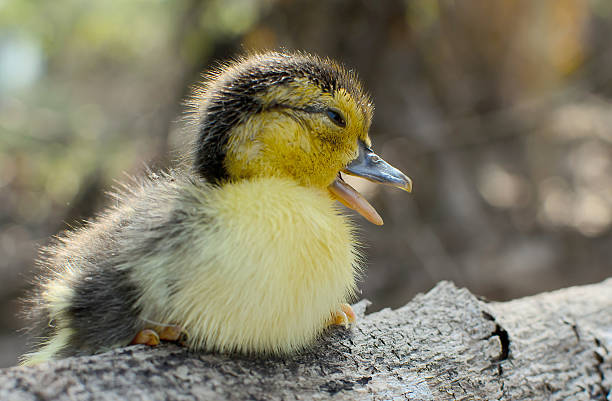
Vitamin E and selenium are essential micronutrients that play critical roles in maintaining duck health. These nutrients act as powerful antioxidants, protecting cells from oxidative damage caused by free radicals. Vitamin E, a fat-soluble vitamin, supports immune function, aids in the development of healthy cells, and plays a vital role in muscle maintenance. Selenium, a trace mineral, works in conjunction with vitamin E by enhancing its antioxidant activity and supporting enzyme production necessary for proper metabolic function. A deficiency in either of these nutrients can lead to a range of health issues in ducks, including impaired growth, poor feather development, reproductive disorders, and weakened immune defenses.
Ducks, like all poultry, require a balanced diet that includes adequate levels of vitamin E and selenium. These nutrients are especially crucial during early development, as deficiencies can hinder proper muscle formation and neurological function. In severe cases, vitamin E and selenium deficiency can result in muscular dystrophy, which causes progressive muscle weakness and coordination issues. The condition is often accompanied by neurological signs such as tremors, droopiness, and difficulty in movement, which significantly affect the duck’s quality of life. Additionally, deficiency can compromise the reproductive system, leading to reduced fertility, embryonic mortality, and poor hatchability.
Understanding how vitamin E and selenium deficiencies develop is essential for duck owners and poultry farmers to ensure proper nutrition and disease prevention. These deficiencies can arise due to inadequate dietary intake, imbalanced feed formulations, or poor soil quality in foraged diets. Environmental factors such as exposure to high temperatures and high-fat diets can also increase the oxidation of fats, further depleting the body’s selenium and vitamin E stores. Recognizing the causes, symptoms, and management strategies for these deficiencies is crucial in maintaining the health and productivity of duck flocks.
Causes of Vitamin E and Selenium Deficiency in Ducks
Vitamin E and selenium deficiencies in ducks can stem from various factors, with dietary inadequacy being the most common cause. Ducks require a well-balanced diet that includes adequate levels of both nutrients, particularly when raised for commercial purposes. Feed that is low in vitamin E and selenium, such as poor-quality grains or forage with minimal nutritional value, can lead to deficiency. In backyard or free-range ducks, the lack of essential nutrients may arise from reliance on low-selenium soil or insufficient supplementing of their natural foraging habits. Ducks that primarily consume plant-based diets, such as grasses, seeds, or legumes, are particularly at risk, as these foods may lack sufficient amounts of selenium unless grown in fertile soils. Additionally, the bioavailability of selenium can be limited in certain regions, particularly in areas with selenium-deficient soils, leading to a generalized deficiency in foraged foods.
Feed formulation is another critical factor influencing vitamin E and selenium levels in ducks. Commercial duck feed is typically fortified with essential nutrients to meet the specific requirements of different duck breeds and growth stages. However, when feed formulations are not properly balanced or when feed is stored improperly, the levels of these nutrients can degrade over time. For example, vitamin E is a fat-soluble antioxidant that can be destroyed during high-temperature feed processing or storage in humid conditions. Selenium, on the other hand, can be rendered insoluble or chemically bound in improperly formulated feed, reducing its bioavailability. Moreover, ducks raised on high-fat diets may experience an increased demand for vitamin E and selenium, as the oxidation of fats generates free radicals that deplete antioxidant reserves. This increased demand is not always accounted for in standard feed formulations, leading to an imbalance. The type and quality of feed additives also play a role—using organic versus inorganic selenium supplements can affect how well ducks absorb and utilize the mineral.
Environmental and geographical factors can further contribute to vitamin E and selenium deficiency in ducks. Selenium is naturally present in soil and is absorbed by plants, which in turn serve as sources for grazing animals. In regions with selenium-deficient soils, forage and grains may have insufficient selenium levels, increasing the risk of deficiency in ducks that rely on these food sources. Similarly, vitamin E levels in plants can be influenced by soil quality and environmental stressors such as drought, excessive fertilization, or exposure to pollutants. Ducks raised in areas with poor soil health may not receive adequate levels of these nutrients unless their feed is specifically fortified. Additionally, ducks that are not provided access to a diverse and nutritionally rich diet—especially those in captivity or confined areas without regular foraging opportunities—may be more susceptible to deficiency.
Lastly, disease and digestive issues can exacerbate vitamin E and selenium deficiency in ducks. Certain infections, such as coccidiosis, can damage the intestinal lining, impairing nutrient absorption and leading to deficiencies over time. Ducks with gastrointestinal disorders may also struggle to process and absorb these essential nutrients effectively. Additionally, conditions that affect liver health can hinder the synthesis of vitamin E-dependent enzymes, contributing to a decline in vitamin E levels. When ducks are unable to absorb and utilize these nutrients properly due to disease or digestive issues, they are at a higher risk of developing deficiency-related health complications. Understanding these causes is essential for designing effective prevention and treatment strategies to ensure optimal duck health and productivity.
Clinical Signs and Symptoms of Vitamin E and Selenium Deficiency in Ducks
Vitamin E and selenium deficiency can manifest through a range of physical, reproductive, and immune-related signs and symptoms in ducks. One of the most common physical indicators is muscular dystrophy, characterized by progressive muscle weakness and degeneration. Affected ducks may exhibit tremors, droopiness, and an unsteady gait due to damage to the neuromuscular system. In severe cases, ducks may experience significant muscle atrophy, leading to reduced mobility and an inability to support their body weight. Another notable physical symptom is the development of skeletal lesions, particularly in rapidly growing duck breeds such as Pekins. These lesions can result in deformities and impaired weight-bearing ability, further contributing to mobility issues. Additionally, vitamin E and selenium-deficient ducks may display poor feather development, with dull, brittle feathers and delayed molting.
Reproductive complications are also common in ducks suffering from these deficiencies. Female ducks may experience a decrease in fertility, reduced egg production, and increased embryonic mortality. The deficiency can lead to poor embryonic development, resulting in dead-in-shell embryos or weak, underdeveloped ducklings. Moreover, the hatching success rate may be significantly reduced due to the compromised health of developing embryos. In male ducks, deficiency can lead to degeneration of the seminiferous tubules in the testes, affecting sperm quality and fertility. Overall, these reproductive issues can impact the productivity of duck farms and diminish the viability of duck egg production.
In addition to physical and reproductive symptoms, ducks with vitamin E and selenium deficiency are more vulnerable to infectious diseases. The immune system relies heavily on these nutrients to maintain proper function, and their depletion can lead to a weakened immune response. Deficient ducks may exhibit an increased susceptibility to bacterial and viral infections, with a higher incidence of disease and slower recovery. Common signs of immune-related issues include susceptibility to respiratory infections, poor response to vaccinations, and prolonged recovery from illness. Additionally, ducks with chronic deficiency may experience progressive weight loss and general debilitation, further compromising their overall health. Recognizing these clinical signs is essential for early detection and intervention to prevent long-term complications and support the well-being of affected ducks.
Duck Breeds Most at Risk of Vitamin E and Selenium Deficiency
Certain duck breeds are particularly vulnerable to vitamin E and selenium deficiency due to their unique physiological traits and dietary requirements. The Pekin duck, one of the most commonly farmed breeds for meat production, is among the most susceptible. Pekins are characterized by their rapid growth rate, which places high metabolic stress on their bodies and increases their demand for essential nutrients, including vitamin E and selenium. Additionally, their preference for high-fat feed to support rapid weight gain can exacerbate oxidative stress, further depleting antioxidant reserves. This breed is particularly prone to muscular dystrophy when deficiencies are present, as the rapid development of their musculature makes them more sensitive to oxidative damage. Commercial Pekin duck feed is often formulated with nutrient fortification to meet these requirements, but improper feed formulation or inadequate supplementation can lead to deficiency-related complications, especially in large-scale poultry operations.
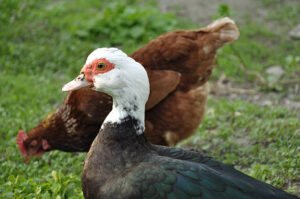
The Muscovy duck, a dual-purpose breed raised for both meat and egg production, is also at risk due to its unique metabolic profile. Muscovy ducks have a lower thyroid hormone concentration compared to other poultry breeds, which affects their overall metabolic rate and nutrient utilization. This slower metabolism means they may require a different nutrient balance to maintain optimal health. Additionally, Muscovy ducks tend to forage extensively, relying on plant-based diets that may be low in selenium, particularly in areas with selenium-deficient soils. This increases the risk of deficiency when foraging is their primary food source. Furthermore, Muscovy ducks exhibit a higher susceptibility to certain diseases when their immune defenses are compromised, making vitamin E and selenium deficiencies particularly concerning in this breed. Their larger body size compared to other breeds also means that deficiency-related symptoms, such as progressive muscle weakness and reproductive issues, can have a more pronounced impact on their overall productivity.
Khaki Campbell ducks, a breed primarily raised for egg production, face specific risks associated with vitamin E and selenium deficiency due to their high egg-laying capabilities. These ducks are known for their consistent and high-quality egg production, which places significant metabolic demands on their bodies. The development of healthy eggs requires adequate levels of antioxidants, as oxidative stress can compromise yolk quality and embryonic development. A deficiency in vitamin E and selenium can result in decreased fertility, embryonic mortality, and reduced hatchability in this breed. Additionally, the increased metabolic activity associated with continuous egg production can further deplete antioxidant reserves, making these ducks more prone to deficiency if their diet is not properly supplemented. Maintaining optimal levels of these nutrients is essential to support the health of Khaki Campbell ducks and ensure consistent egg production.
Beyond these specific breeds, other duck breeds that are naturally inclined toward high growth rates, high egg production, or extensive foraging may also be at increased risk of vitamin E and selenium deficiency. Factors such as dietary habits, geographic location, and breed-specific metabolic traits can all contribute to the likelihood of deficiency. Understanding these breed-specific vulnerabilities is crucial for poultry farmers and duck owners to implement targeted nutrition strategies and minimize the risk of deficiency-related health issues.
Effects of Vitamin E and Selenium Deficiency on Different Stages of a Duck’s Life
Vitamin E and selenium deficiency can have significant consequences across all life stages of ducks, with young ducks and hatchlings being the most vulnerable. In hatchlings, deficiency can lead to critical health complications due to their underdeveloped immune systems and high metabolic demands. The development of healthy muscle function is particularly important during this early stage, and a lack of these essential nutrients can result in neuromuscular disorders such as white muscle disease. Affected hatchlings may exhibit weakness, uncoordinated movement, or the inability to stand, which can prevent them from feeding properly and lead to additional health complications. In severe cases, deficiency-related conditions in hatchlings may result in high mortality rates, as they are unable to recover from the initial symptoms.
Young ducks, particularly those raised for rapid growth such as Pekins, face an increased risk of muscular dystrophy due to the high metabolic activity required for muscle development. Vitamin E and selenium work together as antioxidants to protect muscle cells from oxidative damage, and their deficiency can cause progressive muscle degeneration. Young ducks suffering from this condition may display symptoms such as lameness, reluctance to move, and a wobbly gait. As a result, their ability to grow and reach market weight is significantly impaired. Additionally, the deficiency can affect the development of other tissues, particularly in ducks raised for egg production, where antioxidant support is essential for the formation of healthy eggs. Young female ducks that experience early deficiency may develop reduced reproductive capabilities later in life, leading to long-term consequences for egg production and fertility.
Adult ducks are not immune to the effects of vitamin E and selenium deficiency, although the symptoms may differ from those seen in younger birds. Reproductive issues are of particular concern in adult hens and drakes, as the deficiency can lead to reduced fertility, poor egg quality, and increased embryonic mortality. The development of healthy eggs requires a strong antioxidant defense system, and a lack of these nutrients can compromise yolk formation and embryonic viability. Additionally, adult ducks with deficiency are more susceptible to infectious diseases due to a weakened immune system, which can lead to increased susceptibility to bacterial and viral infections. Overall, while adult ducks may experience a slower progression of deficiency-related symptoms compared to younger birds, the impact on productivity and long-term health is still substantial. Understanding how these deficiencies affect different life stages is essential for implementing effective prevention and treatment strategies to ensure optimal duck health.
Diagnosis of Vitamin E and Selenium Deficiency in Ducks
Accurately diagnosing vitamin E and selenium deficiency in ducks requires a combination of clinical observations, laboratory analyses, and histopathological evaluations. Veterinarians and poultry health professionals typically begin the diagnostic process by examining the duck for characteristic symptoms such as progressive muscle weakness, tremors, poor feather condition, and difficulty in movement. These neurological and muscular signs are key indicators of deficiency, as vitamin E and selenium play a crucial role in protecting muscle and nerve function. A thorough physical assessment may also reveal signs of embryonic mortality in breeding ducks or reduced egg production, further supporting the suspicion of a deficiency.
Once clinical symptoms are identified, blood or serum testing is commonly used to determine the levels of vitamin E and selenium. Serum samples can be analyzed for alpha-tocopherol, the most biologically active form of vitamin E, to measure its concentration in the duck’s bloodstream. Lower than normal levels of alpha-tocopherol suggest a potential deficiency. Similarly, selenium levels can be assessed through serum tests, as selenium is a co-factor for several antioxidant enzymes, including glutathione peroxidase. Low activity of these enzymes may indicate selenium deficiency, even if serum levels appear normal. These laboratory tests provide quantitative data to confirm the presence of a deficiency and guide subsequent treatment strategies.
In addition to blood tests, histopathological examination is a valuable diagnostic technique. Muscle and tissue biopsies can be analyzed for structural changes associated with vitamin E and selenium deficiency, such as muscle fiber necrosis, lipid peroxidation, and neuronal degeneration. These microscopic evaluations provide insight into the extent of cellular damage and confirm the presence of deficiency-induced pathologies. For commercial duck operations, post-mortem evaluation is often performed in affected birds to determine the severity of muscle dystrophy and identify histological changes indicative of deficiency.
Specialized laboratory testing may also be necessary in cases where the deficiency is not readily apparent or when determining the precise form of selenium present in the duck’s system. Some forms of selenium, such as selenomethionine, are more bioavailable than inorganic selenium, and identifying the specific selenium form can influence dietary supplementation strategies. Proper diagnosis is crucial for implementing effective treatment and preventing long-term health complications in affected ducks.
Treatment Options for Vitamin E and Selenium Deficiency in Ducks
Treating vitamin E and selenium deficiency in ducks requires a comprehensive approach that includes dietary supplementation, medical interventions, and supportive care to restore optimal nutrient levels and alleviate symptoms. The most effective method of treatment is through the administration of supplemental vitamin E and selenium in the duck’s diet. Commercial feed can be fortified with these nutrients, ensuring ducks receive adequate levels to support their metabolic needs. Liquid or powdered vitamin E and selenium supplements can be mixed into their feed or drinking water for quicker absorption. For ducks with advanced deficiency symptoms, injectable vitamin E and selenium may be necessary to rapidly correct the deficiency and provide immediate relief. However, the use of injections should be done under veterinary supervision to avoid over-supplementation, which can lead to toxicity.
In addition to direct supplementation, supporting the duck’s overall health is essential for effective treatment. Probiotics and digestive enzymes can be introduced to improve nutrient absorption, particularly in ducks with gastrointestinal issues that may hinder the uptake of these vital micronutrients. Electrolyte solutions may also be beneficial for dehydrated or weakened ducks, as they help restore fluid balance and support metabolic function. Providing clean, fresh water at all times ensures that ducks remain well-hydrated and can effectively process the supplemented nutrients.
Adjusting the duck’s diet to include natural sources of vitamin E and selenium can also support long-term recovery. Foods such as sunflower seeds, almonds, and flaxseed are rich in vitamin E, while selenium can be obtained from fish, organ meats, and certain grains, particularly those grown in selenium-rich soils. Encouraging ducks to forage in environments where selenium availability is sufficient can further aid in restoring nutrient balance. It is important to monitor the duck’s progress after initiating treatment, as gradual improvements in muscle strength, coordination, and overall vitality are typically observed as the deficiency is corrected. With consistent management and proper nutrient supplementation, most ducks can recover fully from vitamin E and selenium deficiency.
Prognosis and Potential Complications of Vitamin E and Selenium Deficiency in Ducks
The prognosis for ducks with vitamin E and selenium deficiency largely depends on the severity and duration of the deficiency, as well as the effectiveness of the treatment. In mild to moderate cases, early detection and appropriate supplementation can lead to full recovery, with improvements in muscle function, coordination, and overall health within a few weeks. However, if the deficiency is left untreated for an extended period, the prognosis becomes more guarded, as prolonged nutrient depletion can cause irreversible damage to muscle and nerve tissues. Ducks that have developed progressive muscular dystrophy may not fully regain their strength, leading to long-term mobility issues and reduced quality of life. Additionally, severe deficiency in hatchlings can result in high mortality rates, with affected ducklings unable to recover from the initial signs of weakness and neurological impairment.
Long-term complications of vitamin E and selenium deficiency can also have lasting effects on duck productivity and reproductive health. Prolonged deficiency can damage skeletal muscle structures, leading to chronic muscle atrophy and impaired movement, particularly in meat-producing breeds like Pekins. In egg-laying breeds, such as Khaki Campbells, the deficiency can lead to irreversible changes in the reproductive system, including reduced fertility, poor egg quality, and higher rates of embryonic mortality. Ducks that have experienced extended periods of deficiency may also develop metabolic imbalances, making them more susceptible to infections and slower to recover from illnesses. Furthermore, chronic deficiency can weaken the immune system, increasing the risk of prolonged or recurring diseases, which can significantly impact flock health and overall productivity.
Timely treatment and proper nutritional management are essential in minimizing complications and ensuring a positive outcome. Ducks that receive early intervention with appropriate supplementation typically have the best recovery rates, while delayed treatment may result in persistent health issues. By maintaining balanced nutrient levels and closely monitoring duck health, poultry farmers and duck owners can reduce the risk of long-term complications and support optimal growth and productivity.
Prevention of Vitamin E and Selenium Deficiency in Ducks
Preventing vitamin E and selenium deficiency in ducks requires a proactive approach that includes balanced dietary management, proper feed formulation, and regular monitoring of nutrient levels in both feed and the surrounding environment. A well-balanced diet is essential for ensuring that ducks receive adequate levels of these essential nutrients. For commercial duck operations, using high-quality feed that is specifically formulated for duck nutrition is crucial. Nutrient-fortified feed should include appropriate levels of vitamin E and selenium, with particular attention given to breeds with higher metabolic demands, such as Pekin and Khaki Campbell ducks. Including natural sources of these nutrients, such as sunflower seeds, flaxseed, and selenium-rich grains, can further enhance dietary balance.
In addition to dietary considerations, feed formulation must be carefully managed to ensure proper bioavailability of vitamin E and selenium. The type of selenium supplement used can significantly impact its effectiveness, with organic selenium forms such as selenomethionine generally being more bioavailable than inorganic sources. Furthermore, the processing and storage of feed can affect the stability of these nutrients, as exposure to high temperatures and humidity can degrade their potency. Storing feed in cool, dry conditions helps preserve nutrient content, ensuring that ducks receive the maximum benefit from their diet. For ducks raised in free-range or backyard environments, it is important to ensure that their foraging areas are rich in selenium-containing plants. In areas with selenium-deficient soils, supplementing feed or providing selenium-enriched water can help prevent deficiencies.
Regular monitoring of duck flocks is essential for early detection of potential deficiency risks. Routine health checks and blood tests can help assess the levels of selenium and vitamin E in ducks, allowing for timely dietary adjustments. By implementing a preventative approach that includes proper nutrition, tailored feed formulations, and periodic health evaluations, duck owners can significantly reduce the risk of deficiency-related complications and support overall flock health.
Diet and Nutrition for Ducks to Prevent Vitamin E and Selenium Deficiency
A well-balanced diet is essential for maintaining adequate levels of vitamin E and selenium in ducks to prevent deficiency-related health issues. Natural food sources rich in these nutrients should be incorporated into their daily feed to ensure optimal growth, reproduction, and overall health. Vitamin E is primarily found in plant-based oils, seeds, and green vegetables. Sunflower seeds, almonds, wheat germ, and flaxseed are excellent sources of vitamin E, and including these in duck feed can help support antioxidant activity and muscle function.Greens such as spinach, kale, and broccoli also contain vitamin E and can be beneficial when added to the duck’s diet. Commercial duck feed is often fortified with these nutrients, but supplementary sources are essential, especially in ducks with high nutrient demands due to rapid growth or egg production.
Selenium levels in ducks heavily depend on the selenium content of their feed and foraged foods. Selenium is naturally present in certain grains, such as wheat, corn, and barley, particularly when grown in selenium-rich soils. However, selenium availability can vary significantly depending on geographical location, as many regions have naturally low soil selenium levels. In such areas, feed supplementation with selenium is necessary to meet the duck’s requirements. Selenium can also be derived from animal-based food sources such as fish (especially selenium-rich species like tuna and salmon), organ meats like liver, and eggs. Incorporating these nutrient-rich foods into the duck’s diet can help maintain adequate selenium levels and support overall metabolic function.
Proper feed formulation is also crucial for ensuring that ducks receive both vitamin E and selenium in the correct ratios. A diet that is excessively high in fat may increase the duck’s requirement for these nutrients, as fat oxidation produces free radicals that deplete antioxidant reserves. Therefore, balancing fat and antioxidant content in the feed is essential to prevent deficiency. Providing ducks with a diverse and nutritionally rich diet, combined with appropriate supplementation in selenium-deficient regions, is vital for maintaining their health and preventing deficiency-related complications.
Zoonotic Risk of Vitamin E and Selenium Deficiency in Ducks
While vitamin E and selenium deficiency primarily affect duck health, there is a potential zoonotic risk associated with these conditions, particularly in humans who consume contaminated duck products or are exposed to deficient birds. Although vitamin E and selenium deficiencies are not directly transmissible from ducks to humans, prolonged exposure to insufficiently nourished poultry or the consumption of affected duck meat and eggs can have indirect health implications. In regions where ducks are a primary source of animal protein, a deficiency in these essential nutrients may lead to lower quality food products, potentially contributing to human nutritional deficiencies, particularly in selenium and vitamin E. Selenium, in particular, plays a crucial role in human immune function, thyroid health, and antioxidant defense, and a deficiency in this mineral can increase susceptibility to infections and chronic diseases.
In cases where ducks exhibit severe vitamin E and selenium deficiency, the quality of their meat and eggs may be compromised, leading to lower nutrient content in the food supply. Ducks raised in selenium-deficient environments may produce meat and eggs with suboptimal selenium levels, which can impact the nutritional value for human consumption. Additionally, vitamin E-deficient ducks may have a higher incidence of lipid oxidation in their meat, leading to rancidity and reduced food safety. Furthermore, in areas where ducks are raised in close proximity to human populations, the health of ducks can serve as an environmental indicator of selenium and vitamin E availability in the region. Low selenium levels in duck populations may suggest that local soils and crops are also selenium-deficient, which can have broader implications for human health, especially in regions where dietary selenium intake is already limited.
To mitigate these risks, it is essential to maintain proper nutrition in duck flocks through balanced feed and appropriate supplementation. Regular monitoring of selenium and vitamin E levels in both ducks and human diets can help prevent potential health issues in affected populations. Ensuring that ducks are adequately nourished not only supports their health but also contributes to the overall food safety and nutritional quality of poultry products for human consumption.
#DuckNutrition #VitaminEDeficiency #SeleniumDeficiency #DuckHealth #AvianHealth #DuckCare #PoultryNutrition #BirdHealth #DuckFarming #DuckDiet #AvianNutrition #DuckFeeding #SeleniumInDucks #DuckSymptoms #DuckVitamins #DuckWellness #DuckFeedSupplements #DuckHealthTips #DuckGrowth #DuckReproduction #DuckDeficiency #DuckHealthManagement #DuckHusbandry #DuckProduction #DuckDiseasePrevention #DuckDisease #DuckFeedingTips #DuckNutritionTips #DuckFeedingGuide #DuckVetCare #DuckDietSupplements #DuckHatchlingCare #DuckNutritionForGrowth #DuckFeedFormulation #DuckSupplements #DuckHealthMaintenance #DuckFarmHealth #DuckHealthCare #DuckHealthIssues #DuckHealthAdvice #DuckNutritionGuide #DuckVitaminSupplements #DuckMineralDeficiency #DuckVitaminGuide #DuckMineralSupplements #DuckSupplementalFeed #DuckHealthAndNutrition #DuckAntioxidantSupport #DuckNutrientBalance #DuckVitaminRequirements #DuckSeleniumLevels #DuckVitaminsAndMinerals #DuckNutritionInformation #DuckFeedingChallenges #DuckHealthDiagnosis #DuckHealthCheck #DuckNutritionForFarmers #DuckHealthAndGrowth #DuckNutritionalNeeds #DuckFeedingStrategies #DuckNutritionManagement #DuckWellnessTips #DuckHealthAndDisease #DuckHealthAndVitamins #DuckHealthAndMinerals #DuckFeedAdditives #DuckHealthAndSupplements
Add comment