
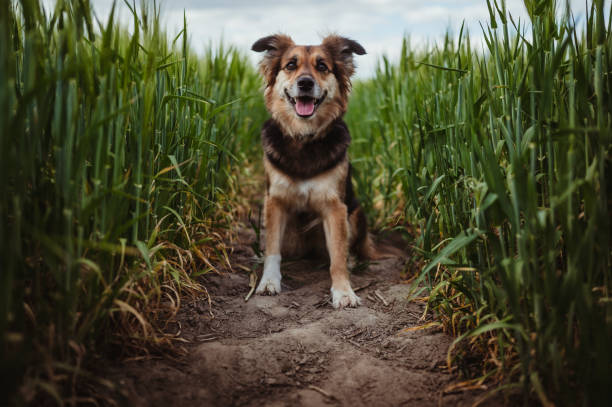
Dogs are naturally playful creatures, and incorporating water into their daily activities can greatly enhance their physical and emotional well-being. For senior dogs, those recovering from surgery, or those living with chronic mobility challenges such as arthritis, hip dysplasia, degenerative myelopathy, or spinal injuries, traditional land-based play can be painful or impossible. However, water-based activities offer a unique solution—a low-impact environment that reduces stress on joints while encouraging movement, muscle strengthening, and mental stimulation. This comprehensive 3,500-word guide explores safe, joyful, and therapeutic water games specifically tailored for dogs with mobility issues, ensuring every pup—regardless of physical limitations—can splash, play, and thrive.
Understanding Mobility Issues in Dogs
Before diving into water games, it’s essential to understand the types of mobility impairments dogs may face. These range from age-related decline to congenital conditions and post-surgical recovery phases:
- Arthritis (Osteoarthritis): A degenerative joint disease causing stiffness, pain, and reduced range of motion. Common in older dogs and large breeds.
- Hip or Elbow Dysplasia: Abnormal development of joints, common in breeds like German Shepherds, Labrador Retrievers, and Golden Retrievers.
- Intervertebral Disc Disease (IVDD): A spinal condition where discs press on the spinal cord, often affecting Dachshunds and Corgis.
- Degenerative Myelopathy (DM): A progressive disease of the spinal cord leading to hind limb weakness and paralysis.
- Post-Surgical Recovery: Dogs recovering from orthopedic surgeries (e.g., TPLO, FHO) need low-impact exercise.
- Neurological Conditions: Such as stroke, vestibular disease, or cerebellar ataxia affecting coordination.
Water therapy, or hydrotherapy, has long been recognized for its benefits, but many pet parents are unaware they can adapt water play at home for fun and therapy alike.
The Science Behind Water Therapy for Dogs
Water provides natural buoyancy, which supports the dog’s body weight and dramatically reduces gravitational pressure on joints. This makes water ideal for exercise in dogs with compromised mobility. The resistance water offers also helps build muscle strength without high impact.
Key benefits include:
- Pain Reduction: Warm water soothes stiff joints and improves circulation, reducing inflammation and discomfort.
- Muscle Strengthening: The resistance of water forces muscles to work harder, helping maintain or rebuild strength, especially in underused limbs.
- Improved Range of Motion: Gentle movements in water help maintain flexibility in joints.
- Cardiovascular Health: Light swimming or paddling increases heart rate safely.
- Mental Stimulation: Novel activities keep dogs mentally engaged, reducing anxiety and boredom.
According to veterinary physiotherapists, even 10–15 minutes of regular water play can significantly improve quality of life for dogs with limited mobility.
Safety First: Preparations and Precautions
Water games should never compromise safety. Here’s how to ensure a secure and positive experience for your dog:
1. Consult Your Veterinarian
Before any aquatic activity, get clearance from your vet. They can assess your dog’s condition and may recommend specific water temperature, duration, or types of movement.
2. Use a Canine Life Jacket
Even for non-swimming water play, a properly fitted life vest provides buoyancy and peace of mind. Look for jackets with:
- Handle on top for easy lifting
- Reflective strips for visibility
- Adjustable straps for secure fit
- Neoprene or mesh material for comfort
3. Choose the Right Environment
Avoid deep or unpredictable bodies of water. Ideal locations include:
- Shallow kiddie pools
- Calm, clean lake edges (with gradual slopes)
- Dog-friendly splash pads
- Indoor hydrotherapy pools (at vet rehab centers)
- Bathtubs or large outdoor tubs (heated, if possible)
Ensure the water is clean and free from strong currents, waves, or slippery surfaces.
4. Regulate Water Temperature
Warm water (between 80–88°F or 27–31°C) is best for dogs with arthritis or stiffness. Cold water may cause muscle spasms or discomfort. Use a thermometer to check.
5. Limit Duration
Start with 5–10 minutes and gradually increase to 15–20 minutes. Watch for signs of fatigue: heavy panting, trembling, reluctance to move, or excessive drooling.
6. Have a Support System
For dogs with severe mobility challenges, you or a helper should be in the water or nearby to guide, support limbs, and prevent falls.
7. Provide Non-Slip Surfaces
Use rubber mats or textured pool liners to prevent slipping when entering or exiting the water.
8. Rinse Afterward
Always rinse your dog with fresh water after play, especially if using chlorinated pools, saltwater, or lakes with algae.
Ideal Water Games for Dogs with Mobility Issues
The following games are designed to be safe, low-stress, and fun. They focus on mental engagement, gentle movement, and sensory enjoyment rather than vigorous swimming.
1. Floating Toy Retrieval (Shallow Water Version)
Best for: Dogs with mild to moderate mobility issues who can stand or sit in water.
How to Play:
- Fill a shallow kiddie pool or bathtub with 3–6 inches of warm water.
- Place floating toys (rubber ducks, soft silicone balls, or dog-safe floating rings) on the surface.
- Encourage your dog to reach for or gently bat at the toys with their nose or paw.
- For added challenge, gently nudge toys a few inches away—close enough that your dog can stretch without losing balance.
Adaptations:
- Use long-handled tongs to move toys if your dog can’t reach.
- Sit beside your dog and guide their paw to the toy for tactile stimulation.
- Offer verbal encouragement and treats for participation.
Benefits: Encourages neck and shoulder movement, enhances coordination, provides mental stimulation.
2. Floating Treat Puzzles
Best for: Dogs with limited mobility who may not move much but can reach forward.
How to Play:
- Use a floating dog puzzle toy (available commercially) or DIY one: cut holes in a plastic bottle, fill with kibble, and float it.
- Place it in shallow water where your dog can see and reach it.
- As your dog nudges or bats it, treats will slowly dispense.
- Supervise closely to prevent chewing on plastic.
DIY Tip: Use a clean, large yogurt cup with small holes poked in the lid. Fill with dry food or freeze low-sodium broth with treats inside for a longer-lasting puzzle.
Benefits: Keeps dogs mentally engaged, encourages gentle head and neck movement, prolongs playtime.
3. Water Target Taps
Best for: Dogs who can sit or lie down in shallow water.
How to Play:
- Float small, soft targets (ping pong balls, foam discs, or water-safe stickers on a floating pad).
- Use a treat or toy to guide your dog to “touch” the target with their nose.
- Reward immediately with praise or a treat.
Tip: Start with targets within easy reach. Gradually increase distance as your dog gains confidence.
Benefits: Enhances focus, encourages head and neck mobility, builds confidence.
4. Gentle Water Massage and Wading
Best for: Dogs with severe mobility issues or paralysis.
How to Play:
- Fill a shallow container or kiddie pool with warm water.
- Support your dog (using a sling, harness, or your arms) as they stand or sit in water.
- Gently move your hands through the water around their legs and body, creating a light current.
- Use a soft spray from a hose or handheld shower to provide a calming water flow.
Note: This isn’t a “game” in the traditional sense, but the sensory experience can be deeply therapeutic and enjoyable.
Benefits: Soothes sore muscles, improves circulation, reduces anxiety, promotes passive limb movement.
5. Floating Bubble Chase
Best for: Dogs with limited movement but good eyesight and neck control.
How to Play:
- Use a pet-safe bubble solution (no toxic chemicals).
- Blow bubbles over the water surface.
- Encourage your dog to follow or gently snap at the floating bubbles.
- Many dogs find bubbles fascinating and will track them with their eyes or stretch to pop them.
Caution: Avoid commercial bubble solutions with glycerin or detergents. Opt for pet-safe or homemade versions (1 cup water, 2 tbsp dish soap—pet-safe brand, 1 tbsp glycerin—optional).
Benefits: Enhances visual tracking, encourages gentle stretching, provides joy and novelty.
6. Water Sensory Bin Play
Best for: Dogs who cannot enter water but benefit from tactile stimulation.
How to Play:
- Fill a shallow bin with 2–3 inches of warm water.
- Add floating objects: rubber toys, plastic cups, waterproof squeakers.
- Let your dog explore with their nose, paws, or muzzle.
- You can hide treats just under the surface for sniffing.
Tip: Place the bin on a non-slip mat and sit beside your dog to guide interaction.
Benefits: Stimulates senses, reduces stress, encourages exploratory behavior.
7. Guided Paddling (Assisted Hydrotherapy)
Best for: Dogs recovering from surgery or with hind limb weakness.
How to Play:
- In chest-deep but calm water (e.g., hydrotherapy pool, calm lake edge), support your dog using a sling or harness with a handle.
- Gently encourage paddling movements by supporting their hindquarters.
- Move slowly forward, allowing front legs to paddle while hind legs trail or make small kicks.
- Keep sessions under 10 minutes initially.
Note: This should be done under veterinary guidance or with a certified canine rehabilitation therapist initially.
Benefits: Builds muscle, improves coordination, reduces joint strain.
8. Water Sound & Splashing Game
Best for: Dogs with limited movement but strong senses.
How to Play:
- Sit beside a shallow pool and gently slap the water surface with your hand.
- The sound and ripples will attract your dog’s attention.
- Encourage them to watch or reach toward the ripples.
- You can drop a light object (e.g., ping pong ball) to create splashes.
Benefits: Stimulates auditory and visual senses, encourages head movement, provides entertainment.
Creative DIY Water Play Setups
You don’t need a pool or the ocean to make water fun. Here are some affordable, accessible ideas:
1. Kiddie Pool Paradise
- Use a plastic kiddie pool (12–18 inches deep).
- Fill with 3–5 inches of warm water.
- Add floating toys, treat puzzles, and shade (umbrella or canopy).
- Place on grass or a non-slip mat to prevent sliding.
Tip: Add ice cubes on hot days for a cooling effect—many dogs enjoy pawing at them.
2. Bathtub Splash Zone
- Use a large bathtub with non-slip mat.
- Fill with just enough warm water to cover paws.
- Float toys or drip water from a cup.
- Sit beside your dog and turn it into bonding time.
3. Splash Pad Play
- Visit dog parks with splash pads (spray fountains with shallow water).
- Let your dog stand under or near gentle sprays.
- Bring a towel and life jacket for safety.
4. Hose Tip Games
- Use the gentle spray from a garden hose.
- Let water trickle over your dog’s paws or legs (ensure temperature is warm).
- Move the stream slowly to encourage tracking.
Caution: Never spray directly in the face or use high pressure.
Adapting Games for Different Abilities
Not all dogs with mobility issues are the same. Customize activities based on your dog’s condition:
For Dogs with Front Limb Weakness:
- Focus on rear-end support games.
- Use floating toys at chest level so they don’t have to lower their head too far.
- Try water massage on front legs while dog sits.
For Dogs with Hind Limb Paralysis:
- Support with a hind-end sling during wading.
- Use toys to encourage upper body movement.
- Focus on sensory water play.
For Dogs with Neck or Spine Issues:
- Avoid games requiring excessive head movement.
- Use toys within eye-level range.
- Opt for splash or sound-based games.
For Blind or Visually Impaired Dogs:
- Use squeaky floating toys.
- Stick to tactile games (water bin, massage).
- Maintain consistent setup locations.
Maximizing the Therapeutic Value
Turn water games into more than play—make them part of a holistic care routine.
1. Schedule Regular Sessions
Aim for 3–4 times per week. Consistency leads to better muscle tone and joint health.
2. Combine with Other Therapies
Pair water games with:
- Physical therapy exercises
- Massage
- Laser therapy
- Acupuncture
- Dietary supplements (glucosamine, omega-3s)
3. Track Progress
Keep a journal noting:
- Duration of play
- Movements observed
- Signs of discomfort or joy
- Improvement in mobility
Share with your vet or rehab therapist.
4. Use Positive Reinforcement
Reward participation—never force. Use treats, praise, or favorite toys to build a positive association.
Common Mistakes to Avoid
Even with the best intentions, pet parents can make errors. Avoid these pitfalls:
- Forcing Entry into Water: Some dogs fear water. Introduce gradually with paws only.
- Ignoring Signs of Discomfort: Whining, trembling, or trying to leave the water means stop.
- Using Cold Water: Can worsen arthritis and cause muscle stiffness.
- Skipping the Life Jacket: Even in shallow water, dogs can lose balance.
- Overplaying: Fatigue can lead to injury. Less is more.
- Using Unsafe Toys: Avoid small parts, sharp edges, or toxic materials.
- Neglecting Drying: Thoroughly towel-dry, especially in skin folds, to prevent chills or infections.
Emotional and Cognitive Benefits
Beyond physical therapy, water games boost emotional well-being.
Reduces Anxiety and Depression
Many senior or disabled dogs become withdrawn. The novelty and sensory input of water reawaken curiosity and joy.
Strengthens Human-Animal Bond
Spending playful time together fosters trust and deepens your connection.
Combats Boredom
Dogs with mobility issues often spend long hours resting. Water games break the monotony, preventing behavioral issues.
Builds Confidence
Success in reaching a toy or enjoying a splash can give disabled dogs a sense of accomplishment.
When Water Play Isn’t Suitable
While water games are beneficial for many, they may not be safe for all dogs. Avoid water play if your dog has:
- Open wounds or recent surgical incisions
- Skin infections
- Heart conditions (consult vet)
- Severe respiratory issues
- Fear or aggression around water
Always prioritize your dog’s comfort and safety.
Professional Hydrotherapy vs. At-Home Water Games
Professional canine hydrotherapy centers offer underwater treadmills and heated pools with trained therapists. These are excellent for rehabilitation but can be costly or inaccessible.
At-home water games are:
- Affordable
- Convenient
- Customizable
- Great for maintenance and emotional health
Ideal Use Case:
- Use professional hydrotherapy for intensive rehab.
- Use at-home water games for fun, maintenance, and daily enrichment.
Many vets recommend combining both for best outcomes.
Testimonials and Real-Life Success Stories
Story 1: Bella, 11-year-old Labrador with Arthritis Bella’s owner started shallow kiddie pool games twice a week. Within a month, Bella could stand longer and showed less stiffness. “She barks at the pool now—she wants to play,” says her owner.
Story 2: Max, Dachshund with IVDD After back surgery, Max couldn’t walk. With vet-guided paddling in warm water, he regained partial use of his hind legs. Water games became part of his daily routine.
Story 3: Daisy, 13-year-old Poodle with DM Daisy is now wheelchair-bound. Her owner uses a water bin with floating toys. “She can’t move much, but she smiles when she bats at a duck,” says her human.
Final Tips for Success
- Start Small: Begin with 2 inches of water and 3 minutes of play.
- Be Patient: It may take several sessions for your dog to feel comfortable.
- Keep It Fun: If your dog isn’t enjoying it, stop and try a different activity.
- Involve the Whole Family: Turn it into a bonding time.
- Document the Joy: Take photos and videos—cherish the moments.
Conclusion
Water games for dogs with mobility issues are not just fun—they are a powerful tool for enhancing physical comfort, emotional well-being, and quality of life. By adapting traditional play to accommodate limited movement, pet parents can offer their cherished companions a joyful, stimulating experience that supports both body and mind. From floating toy retrieval to sensory water bins, these activities prove that every dog, no matter their physical restrictions, deserves to laugh, splash, and play.
With safety, kindness, and creativity, you can transform your backyard, bathtub, or local splash pad into a therapeutic playground. The sound of water, the gentle splash of a paw, and the joyful tilt of a dog’s head as they chase a floating ball—these are the moments that make caregiving deeply rewarding.
Let the water flow, and let the games begin.
#WaterGamesForDogs, #DogsWithMobilityIssues, #SeniorDogCare, #CanineHydrotherapy, #DogRehabilitation, #LowImpactExercise, #ArthritisInDogs, #DogLifeJacket, #ShallowWaterPlay, #FloatingToysForDogs, #SensoryPlayForDogs, #DIYDogGames, #DogPhysicalTherapy, #DisabledDogs, #DogWellness, #TherapeuticPlay, #SeniorDogActivities, #DogMobilityAids, #CanineRecovery, #DogSplashPad, #WarmWaterTherapy, #DogPoolFun, #AdaptiveDogPlay, #DogCareTips, #VetRecommended, #HydrotherapyAtHome, #DogMentalStimulation, #PetParentLife, #DogRecoveryJourney, #SpecialNeedsDogs






Add comment