
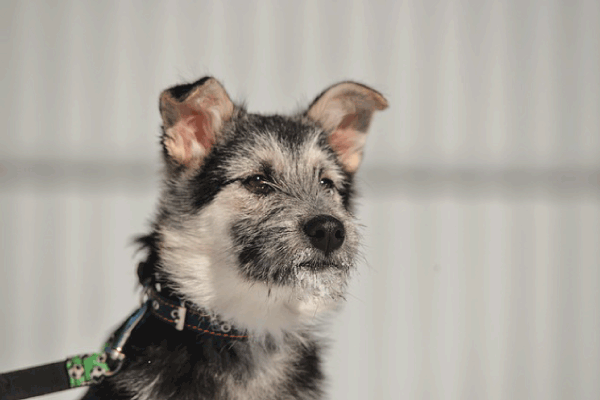
Bathing your dog is more than just about cleanliness; it’s a vital part of maintaining their skin and coat health. While high-quality shampoos and conditioners are important, two often-overlooked yet critical factors in preventing post-bath skin irritation are the temperature of the water and the thoroughness of the rinse. Mastering these techniques ensures a comfortable bathing experience and a healthy, irritation-free coat for your canine companion.
The Science Behind Skin Irritation from Improper Bathing
Before diving into the “how-to,” let’s understand why water temperature and rinsing are so crucial:
- Skin Barrier Function: A dog’s skin, like ours, has a natural protective barrier composed of oils and lipids. This barrier helps retain moisture, protect against environmental aggressors, and maintain a healthy pH balance.
- Shampoo’s Role: Shampoos are designed to lift dirt, excess oils, and debris from the skin and coat. However, if not used correctly or removed completely, they can strip away too much of this protective barrier or leave irritating residues.
- Temperature’s Impact:
- Too Hot: High temperatures can dry out the skin by stripping natural oils excessively, cause actual burns, and exacerbate existing skin conditions. It can also open pores too much, making them more susceptible to irritation.
- Too Cold: While less irritating, very cold water can be uncomfortable, cause stress, make blood vessels constrict (hindering proper cleaning), and can be dangerous for puppies, senior dogs, or those with health conditions (risk of hypothermia).
- Residue’s Damage: Unrinsed shampoo or conditioner residue acts as a constant irritant. It can:
- Cause Itching: The residue itself is foreign material that the skin reacts to.
- Dry the Skin: It can continue to draw moisture from the skin as it dries, leading to flakiness and dryness.
- Create Hot Spots: Moist, sticky residue provides a perfect breeding ground for bacteria and yeast, leading to painful infections known as “hot spots” (acute moist dermatitis).
- Dull the Coat: Residue clings to hair shafts, making the coat appear dull, greasy, or matted.
Part 1: The Goldilocks Zone of Water Temperature
The goal is to find water that is “just right” – comfortable for your dog, effective for cleaning, and safe for their skin.
1. Too Hot: The Dangers and Why to Avoid It
- Risk of Burns: A dog’s skin is thinner than a human’s and can burn more easily. What feels comfortably warm to your hand might be scalding to them.
- Excessive Oil Stripping: Hot water aggressively strips natural skin oils, leading to dry, itchy, and flaky skin post-bath. This compromises the skin’s protective barrier.
- Increased Irritation: If your dog already has sensitive or irritated skin, hot water will only make it worse, intensifying redness and discomfort.
- Stress and Discomfort: While some dogs tolerate warmth, genuinely hot water causes distress and can make future baths a struggle.
2. Too Cold: The Discomfort and Limitations
- Stress and Fear: Most dogs dislike cold water. It can make them shiver, anxious, and resistant to bathing.
- Hypothermia Risk: Especially for small breeds, puppies, senior dogs, or those with underlying health issues, prolonged exposure to cold water can lead to a dangerous drop in body temperature.
- Ineffective Cleaning: Cold water is less effective at breaking down oils and dirt, potentially requiring more scrubbing and shampoo, which can, in turn, lead to incomplete rinsing later.
- Muscle Tension: Cold water can cause muscles to tense, making the bath a rigid, uncomfortable experience.
3. Just Right: The Ideal Temperature
The ideal water temperature for bathing most dogs is lukewarm to body temperature, typically between 98-102°F (37-39°C). This is slightly cooler than what many humans prefer for their own showers.
- How to Test It:
- The Wrist Test: The most reliable method is to test the water on the inside of your wrist or elbow, not just your hand. It should feel pleasantly warm, not hot. If it feels hot to you, it’s definitely too hot for your dog.
- Thermometer: For ultimate precision, a bath thermometer can be used, especially if you have a puppy, senior, or a dog with sensitive skin.
- Benefits of Lukewarm Water:
- Comfort: It’s soothing and minimizes stress, making bath time more enjoyable.
- Effective Cleaning: Warm water helps to loosen dirt and oils without excessively stripping the skin.
- Safety: Reduces the risk of burns or hypothermia.
- Optimal Absorption: Allows shampoos and conditioners to work effectively on the coat and skin.
Tips for Maintaining Water Temperature:
- Consistent Flow: If using a shower sprayer, try to maintain a consistent flow and temperature throughout the bath.
- Small Batches: If using a tub and a pitcher, ensure each refill is at the correct temperature.
- Monitor Your Dog: Watch for signs of discomfort (shivering, trying to escape, excessive panting) and adjust immediately.
Part 2: The Art of the Perfect Rinse
This is arguably the most critical step in preventing skin irritation. Many owners underestimate the time and effort required for a truly thorough rinse.
1. Why Rinsing is Paramount: Understanding Residue’s Harm
As mentioned, shampoo and conditioner residue left on the skin and coat is a primary culprit for post-bath irritation. It’s not just about aesthetics (dull coat); it’s about health:
- Chemical Irritation: The chemicals in shampoo, even mild ones, are not meant to remain on the skin. They can cause a “chemical burn” effect, leading to redness, itching, and inflammation.
- Dryness and Flaking: Residue can continue to draw moisture from the skin, causing extreme dryness, flaking (dandruff-like), and persistent itching.
- Hot Spots (Acute Moist Dermatitis): Trapped moisture and sticky residue create an ideal environment for bacteria and yeast to proliferate. This often manifests as rapidly spreading, painful, weeping sores that dogs lick and chew relentlessly.
- Odor: Ironically, residual shampoo can lead to a “dirty dog” smell returning quickly, as it traps dirt and oils and promotes bacterial growth.
- Dull Coat: Residue coats the hair shaft, preventing it from reflecting light, making the coat appear lifeless and greasy.
2. How to Rinse Effectively: Techniques for a Squeaky Clean Dog
The general rule of thumb: Rinse at least twice as long as you think you need to. If you think you’re done, rinse for another 60 seconds.
- The Right Equipment:
- Handheld Shower Sprayer: This is ideal. It provides directed, consistent water flow and allows you to get close to the skin.
- Deep Sink/Tub: For larger dogs, a bathtub is essential. For smaller dogs, a laundry sink can work well.
- Systematic Approach:
- Start from the Neck Down: Begin rinsing at the base of the neck and work your way down the dog’s body. Gravity helps carry the suds downward.
- Lift the Hair: This is crucial, especially for dogs with thick or double coats. Use your fingers to lift and separate the fur, allowing the water stream to penetrate right down to the skin. Don’t just rinse the top layer.
- Multiple Passes: Rinse each section thoroughly, then move on. Once you’ve rinsed the entire dog, go back and do it all again.
- Target Tricky Spots: Pay special attention to:
- Armpits and Groin: These areas are prone to matting and soap accumulation.
- Under the Tail/Anal Area: Often overlooked.
- Paws and In-Between Toes: Shampoo can get trapped here easily.
- Under the Ears/Cheeks: Suds can hide in these folds.
- Neck and Chest: Where water tends to pool.
- Listen and Feel:
- The “Squeaky Clean” Test: After a thorough rinse, run your hand over your dog’s wet fur. It should feel “squeaky” and free of any slippery film or stickiness. If it feels at all slimy, keep rinsing.
- No Visible Suds: Visually inspect the fur. Lift it up and check for any remaining bubbles, especially where the fur meets the skin.
- Rinse until Water Runs Clear: The runoff water from your dog’s coat should be completely clear, not milky or bubbly.
3. Common Rinsing Mistakes to Avoid:
- Rushing the Process: The biggest mistake! Patience is key.
- Not Penetrating the Coat: Just spraying the surface of a thick coat won’t get rid of shampoo deep down.
- Missing Hidden Areas: Forgetting the paws, armpits, or under the tail.
- Not Enough Water Pressure: A gentle drizzle won’t effectively dislodge suds. A steady, moderate stream is needed.
- Assuming Conditioner Doesn’t Need As Much Rinsing: Conditioners, especially those that are heavier or leave-in formulas, still need thorough rinsing unless specifically designed to be left in small amounts. Always follow product instructions.
Pre-Bath Preparations: Setting the Stage for Success
Proper preparation significantly reduces the risk of irritation and makes bathing easier.
- Thorough Brushing: Brush your dog before the bath to remove loose hair, dirt, and any mats or tangles. Mats trap shampoo and water, making them impossible to rinse thoroughly and very difficult to dry, leading to skin irritation and hot spots.
- Gather Supplies: Have everything ready before you put your dog in the tub: shampoo, conditioner, towels, cotton balls for ears (to prevent water from entering), and a non-slip mat for the tub.
- Dilute Shampoo: Many dog shampoos are concentrated. Diluting them with water (follow product instructions, usually 1 part shampoo to 5-10 parts water) makes them easier to distribute evenly and rinse out completely.
- Protect Ears and Eyes: Place cotton balls gently in your dog’s outer ear canals to prevent water from entering (do not push deep). Use a tearless facial shampoo or carefully avoid the eye area.
Post-Bath Care: Continuing the Prevention
The care doesn’t stop when the rinse is complete.
- Thorough Drying:
- Towel Dry: Use highly absorbent towels to blot and squeeze as much water out of the coat as possible. Do not rub vigorously, as this can tangle fur and irritate skin.
- Hair Dryer (Optional): If using a hair dryer, use it on a cool or low-heat setting specifically designed for pets. Keep it moving and never hold it in one spot. Ensure the air is not too hot by testing it on your own skin. This is especially important for double-coated breeds to prevent moisture from being trapped against the skin, leading to hot spots.
- Comb Through: Once almost dry, gently comb through the coat to ensure no tangles have formed and to help air circulation.
- Monitor for Irritation: Over the next 24-48 hours, keep an eye on your dog. Look for:
- Excessive scratching, licking, or chewing
- Redness or rash on the skin
- Flaking or dandruff
- Dull or greasy-looking coat
- Any unusual odor
Special Considerations
- Puppies and Senior Dogs: Both ends of the age spectrum are more sensitive to temperature fluctuations and stress. Be extra gentle, use slightly cooler water for puppies (to avoid overheating), and ensure shorter bath times.
- Dogs with Existing Skin Conditions: Always consult your veterinarian before bathing a dog with allergies, dermatitis, hot spots, or other skin issues. They may recommend specific medicated shampoos and provide precise instructions on water temperature and rinsing.
- Double-Coated Breeds (e.g., Huskies, Golden Retrievers, German Shepherds): These breeds require extra time for rinsing and drying due to their dense undercoats. Trapped moisture and shampoo in a double coat are prime causes of severe skin issues.
Conclusion
Achieving a truly clean dog without causing skin irritation is a delicate balance. By paying careful attention to water temperature and dedicating ample time to thorough rinsing, you can transform bath time from a potential source of discomfort into a positive experience that contributes significantly to your dog’s overall health and well-being. Patience, observation, and a methodical approach are your best tools in preventing post-bath skin irritation and ensuring your furry friend stays happy, healthy, and itch-free.
======================
#DogGrooming, #SkinIrritationPrevention, #DogBath, #WaterTemperature, #RinsingTechnique, #SensitiveSkinDog, #PetHealth, #GroomingTips, #DogCare, #HealthySkinDogs, #PreventItching, #CanineCare, #PetGroomerTips, #DogDermatology





Add comment