
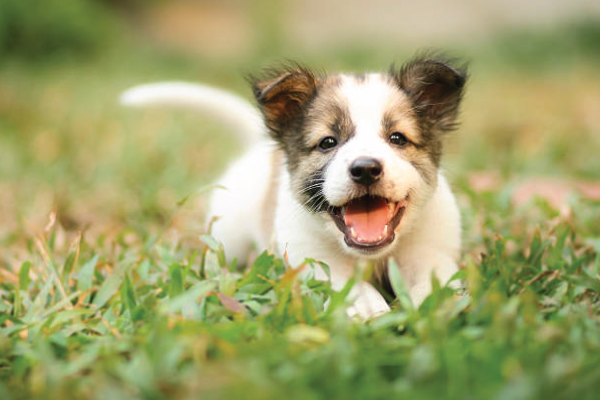
Your dog returns from the groomer looking, smelling, and feeling like a million bucks. Their coat is immaculate, their nails are perfect, and they exude a fluffy freshness. But within a week, that pristine look can start to fade.
Maintaining that “just-groomed” appearance isn’t just about aesthetics; it’s about your dog’s health, comfort, and hygiene. A well-maintained coat is less prone to painful matting, skin issues, and pests. This guide will provide you with the tools, techniques, and schedules to keep your canine companion looking and feeling their best, strengthening your bond and potentially saving you money in the long run.
Part 1: The Essential At-Home Grooming Toolkit
Before you begin, you need the right tools. Investing in quality equipment will make the job easier, safer, and more effective.
For Brushing & De-Shedding:
- Slicker Brush: The go-to brush for most coat types. It has fine, short wires packed closely together, excellent for removing loose fur, de-shedding, and working through minor tangles.
- Pin Brush: Resembles a human hairbrush. Ideal for dogs with long, silky coats (like a Yorkshire Terrier or Maltese) as it’s gentler and less likely to cause breakage.
- Undercoat Rake or De-Shedding Tool (e.g., Furminator): Absolutely essential for double-coated breeds (like Huskies, German Shepherds, Golden Retrievers). It reaches deep to remove the dense, dead undercoat without damaging the topcoat.
- Metal “Greyhound” Comb: A dual-sided comb with fine and coarse teeth. This is your “detector” tool. After brushing, run this comb through the coat to find any hidden tangles or mats you may have missed.
For Bathing & Drying:
- Dog-Specific Shampoo & Conditioner: Human shampoos have the wrong pH for a dog’s skin and can cause irritation. Choose one suited to your dog’s skin type (e.g., oatmeal for sensitive skin, whitening for white coats).
- High-Velocity Dryer (Optional but Recommended): While a human hairdryer on a cool setting can work, a high-velocity dryer is a game-changer. It blasts water off the coat and helps straighten hair, making it easier to brush and preventing mats from forming as the dog dries.
- Absorbent Towels: Microfiber towels are excellent for soaking up excess water.
For Tidying & Touch-Ups:
- Blunt-Nosed or Safety-Tipped Scissors: CRUCIAL. These are the only scissors you should use for minor trims around the eyes, paws, and sanitary areas to prevent accidental pokes.
- Claw Clippers or a Nail Grinder: Choose the style you and your dog are most comfortable with.
- Styptic Powder: An absolute must-have. It instantly stops bleeding if you accidentally clip the nail too short (quicking the nail).
- Dog-Specific Eye & Ear Wipes/Cleaner: Gentle, pre-moistened wipes or solutions for cleaning delicate areas.
- Dog Toothbrush & Enzymatic Toothpaste: For maintaining dental hygiene and fresh breath.
Part 2: The Core Pillars of Maintenance
Mastering these four areas will cover 90% of what’s needed to keep your dog looking sharp.
Pillar 1: The Golden Rule – Consistent Brushing
This is the single most important thing you can do. Brushing prevents mats, distributes natural skin oils, removes dead hair and dander, and stimulates blood flow to the skin.
How Often?
- Long, Curly, or Fine Coats (Poodles, Doodles, Shih Tzus): Daily. These coats mat incredibly easily.
- Double Coats (Huskies, Shepherds, Collies): 2-3 times per week. More during shedding seasons (spring and fall).
- Short, Smooth Coats (Labradors, Beagles, Boxers): Once a week is usually sufficient to control shedding and keep the coat shiny.
The Proper Technique: Line Brushing
- Don’t Just Skim the Top: Surface brushing is deceptive. It makes the topcoat look nice while mats are forming underneath, close to the skin.
- Work in Sections: Start at a lower point, like a paw. Hold the hair up with one hand and, with your other hand, use the slicker brush to brush the hair underneath down in layers, creating a “line” or part.
- Move Upwards: Continue this process, moving up the leg and body, section by section.
- Target High-Friction Areas: Pay extra attention to areas that mat easily: behind the ears, in the “armpits,” under the collar, and where the legs meet the body.
- The Comb Test: After you’ve brushed a section, run your metal comb through it. If it glides from the skin to the tip of the hair, you’re done with that section. If it snags, go back and brush more.
Pillar 2: Eyes, Ears, and Face
A clean face instantly makes a dog look fresher.
- Eyes: Daily, use a soft, damp cloth or a dog-specific eye wipe to gently clean away any “sleep” or discharge from the corners of the eyes. For dogs prone to tear stains (like Maltese or Poodles), this daily cleaning is crucial to prevent staining and skin irritation.
- Ears: Weekly, check your dog’s ears. They should be pale pink, clean, and free of odor. If you see minor dirt, use a vet-approved ear cleaning solution on a cotton ball (NEVER a Q-tip) to gently wipe the visible parts of the outer ear. A foul odor, redness, or excessive discharge warrants a vet visit.
- Beard & Muzzle: For dogs with beards (like Schnauzers), wipe their muzzle with a damp cloth after meals to prevent food from hardening in their fur and causing odors.
Pillar 3: Paws and Nails
Tidy paws and short nails are a hallmark of a well-groomed dog.
- Nail Trimming: Long nails are uncomfortable, affect a dog’s posture, and can get snagged. Trim them every 2-4 weeks.
- Pro-Tip: If you’re nervous, just snip the very tip of the nail. It’s better to take too little than too much. Have styptic powder ready just in case. A nail grinder can feel safer for beginners as it files the nail down gradually.
- Paw Pad Tidy-Up: Hair growing between the paw pads can collect dirt, ice balls in winter, and reduce traction. Carefully use your blunt-nosed scissors to trim the hair so it is flush with the pads. Never dig between the pads with the scissors.
Pillar 4: Sanitary & “Tidy” Trims
This is key for long-haired breeds to maintain hygiene.
- Sanitary Trim: Carefully use your blunt-nosed scissors to trim the hair around your dog’s potty areas. This prevents feces and urine from clinging to the fur, which is unhygienic and can lead to skin irritation.
- Eye Corner Trim: For dogs with hair that grows into their eyes, use the blunt-nosed scissors to carefully trim away the strands obstructing their vision. ALWAYS point the scissors away from the eye. It can be helpful to have a second person hold the dog’s head still.
Part 3: The At-Home “Spa” Bath (As Needed)
Bathing too often can strip the skin of natural oils, but a well-timed bath can restore that fresh scent and shine. Only bathe when your dog is legitimately dirty or starting to smell.
- BRUSH THOROUGHLY FIRST: This is non-negotiable. Water tightens mats like concrete. Never, ever bathe a matted dog.
- Protect the Ears: Place a small cotton ball in each ear to prevent water from getting in, which can cause ear infections.
- Use Lukewarm Water: Test the temperature as you would for a baby.
- Lather & Rinse: Lather from the neck down, avoiding the face. Rinse, rinse, and rinse again. Leftover shampoo is a leading cause of skin irritation.
- Clean the Face Last: Use a washcloth to gently wipe the face, avoiding getting soap in the eyes or mouth.
- Dry Completely: Towel dry vigorously. Then, use a high-velocity dryer or a human dryer on a cool/low setting. Brush the coat as you dry to prevent tangles and achieve a fluffy finish.
Part 4: Putting It All Together – A Sample Schedule
- Daily (5-10 minutes):
- Quick all-over brush (especially for long/curly coats).
- Wipe eye corners and muzzle.
- Brush teeth.
- Weekly (20-30 minutes):
- A thorough line-brushing session and comb-through.
- Check and clean ears.
- Check nails and trim if needed.
- Check paw pads and trim fur if needed.
- Monthly / As-Needed:
- Bath and full dry.
- Perform any needed sanitary or eye-corner trims.
When to Leave It to the Professionals
Your role is maintenance, not replacement. DO NOT attempt the following at home:
- Removing Large, Tight Mats: Trying to cut these out with scissors is extremely dangerous and a common cause of severe skin lacerations. Leave them for a groomer who can safely shave them out.
- Full Haircuts: Shaping and styling a coat requires skill, proper tools, and training.
- Expressing Anal Glands: This should only be done by a groomer or veterinarian.
- Dealing with Skin or Ear Infections: If you notice sores, excessive scratching, redness, or a foul odor, consult your vet immediately.
By dedicating a small amount of time each week to these maintenance tasks, you can easily extend the life of a professional groom, keeping your dog comfortable, healthy, and looking fantastic until their next appointment.
====================
#doggrooming #petgrooming #dogcare #petcare #coatcare #doghygiene #petshygien #dogmaintenance #petmaintenance #groomingtips #dogtips #pettips #professionalgrooming #athomegrooming #freshdoglook #cleandog #healthydog #happydog #doghealth #pethealth #dogsofinstagram #instadog #doglover #groomingroutine





Add comment