
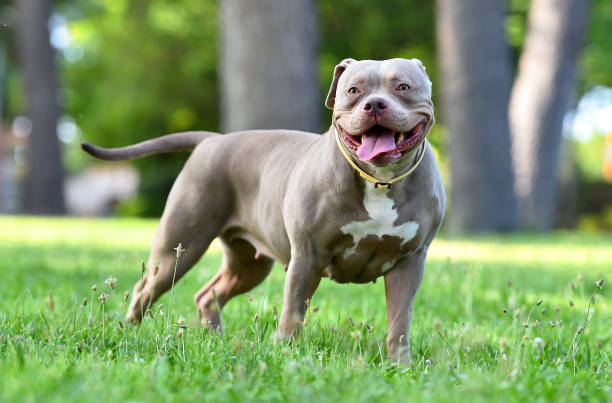
Dog obedience training is a journey filled with incredible highs, occasional plateaus, and sometimes, unexpected challenges. For many dog owners, the path to a well-behaved canine companion can feel overwhelming, inconsistent, and at times, frustrating. We train when we remember, celebrate fleeting successes, and often feel discouraged by regressions without truly understanding why. This is where a structured, comprehensive weekly progress tracker becomes not just helpful, but an indispensable tool for transforming your training efforts into a systematic, objective, and ultimately, deeply rewarding experience.
This elaborate guide will delve into the profound benefits of maintaining a weekly progress tracker, outline its essential components, provide detailed strategies for recording successes, analyzing setbacks, and effectively leveraging rewards, and demonstrate how this powerful system can revolutionize your dog’s training, deepen your bond, and lead to consistent, measurable improvement.
The Cornerstone of Effective Training: Why a Weekly Progress Tracker?
Imagine embarking on a long road trip without a map or GPS. You might eventually reach your destination, but it would be a meandering, inefficient, and likely frustrating journey. Dog training without a progress tracker is much the same. It often relies on subjective memory, leading to missed opportunities, misinterpretations, and a lack of clear direction. A weekly progress tracker acts as your training compass, offering a multitude of benefits:
- Beyond Instinct: The Need for Structure: Our daily lives are busy, and our memories are fallible. We easily forget the nuances of a training session – the specific environment, the dog’s mood, the exact reward used. A tracker provides a structured framework, ensuring that every session, every interaction, and every observation is systematically recorded, creating a concrete history of your dog’s learning. This moves training from an arbitrary activity to a deliberate, data-driven process.
- Objective Data vs. Subjective Feeling: One of the biggest pitfalls in dog training is relying solely on emotion. A “bad day” might feel like a major setback, even if the overall trend is positive. A tracker provides objective data, allowing you to see patterns and trends that your feelings might obscure. This prevents trainer burnout and frustration by showcasing incremental improvements and allowing for a rational analysis of challenges rather than emotional reactions.
- Identifying Patterns and Trends: Is your dog consistently struggling with recall in high-distraction environments on Tuesdays? Do they perform better in the mornings than in the evenings? Does a specific type of treat yield better results for a particular command? A tracker helps you identify these crucial patterns related to time, location, distractions, rewards, and even your dog’s energy levels. These insights are gold for tailoring your approach.
- Motivation and Accountability: Seeing tangible progress, no matter how small, is incredibly motivating. When you visually track successes, it reinforces your efforts and encourages you to stay consistent. The tracker also serves as an accountability partner, gently reminding you to stick to your training schedule and review your progress. This consistent engagement is paramount for long-term success.
- Tailoring Training to Your Dog: Every dog is an individual with a unique personality, learning style, and set of motivators. What works for one dog might not work for another, and what works today might not work tomorrow. By meticulously tracking responses, you gain a deeper understanding of your specific dog’s learning curve, allowing you to personalize the training methods, adjust the pace, and optimize the rewards to suit their individual needs.
- Building a Stronger Bond: The act of observing, recording, celebrating successes, and thoughtfully addressing challenges fosters a deeper connection with your dog. You become a more attuned observer of their body language, their emotional state, and their learning process. This heightened awareness strengthens the communication between you, building trust and a more harmonious relationship.
Dissecting the Tracker: Essential Components for Comprehensive Tracking
A truly effective weekly progress tracker goes beyond a simple checklist. It’s a detailed log that captures the nuances of each training session and provides a holistic view of your dog’s learning journey. Here are the essential components to include:
- Weekly Overview:
- Date Range: Clearly define the week (e.g., “October 23 – October 29”).
- Overall Weekly Goals: What are your primary objectives for this week? (e.g., “Achieve 5-second ‘Stay’ with mild distractions,” “Reduce pulling on leash by 50%”).
- Key Focus Areas: List the specific commands or behaviors you’ll concentrate on.
- Daily Log (Per Training Session): This is the heart of your tracker, where you record the granular details. Aim for multiple, short training sessions throughout the day rather than one long one. Each session gets its own entry.
- Date & Day: Crucial for identifying day-specific patterns.
- Time of Session: Morning, afternoon, evening? This can impact your dog’s energy and focus.
- Duration: How long was the session? (e.g., 5 minutes, 10 minutes). Short, frequent sessions are often more effective.
- Location/Environment: Where did the training take place? (e.g., “Quiet living room,” “Backyard with neighbor’s dog barking,” “Busy park sidewalk”). This context is critical for understanding success or difficulty levels related to distractions.
- Specific Commands/Skills Practiced: List precisely what you worked on (e.g., “Sit,” “Down from a distance,” “Heel for 10 steps,” “Leave It with kibble”). Be specific.
- Criteria/Goal for the Session: What was your specific aim for this session? (e.g., “3 successful ‘Sits’ in a row,” “Hold ‘Down’ for 3 seconds,” “Walk without pulling for 20 feet”).
- “Successes” Section: This is where you celebrate and detail achievements.
- What happened? Provide a concise, descriptive account.
- Why was it a success? What specific criteria were met? What milestone was reached? (e.g., “Dog offered a ‘Sit’ instantly,” “Maintained eye contact during ‘Stay’ despite a bird,” “Came on first ‘Recall’ despite distance”).
- How did you reward? Be specific about the type, timing, and intensity of the reward (e.g., “High-value chicken treat immediately after sit, followed by verbal praise and gentle ear scratch,” “Throw of favorite squeaky toy,” “Access to sniff a bush”).
- “Setbacks/Challenges” Section: This is not a place for self-blame, but for objective analysis.
- What happened? Detail the specific difficulty (e.g., “Dog ignored ‘Recall’ command,” “Pulled extensively on the leash,” “Broke ‘Stay’ repeatedly,” “Nipped at treat hand”).
- Potential Contributing Factors: Engage in self-reflection here. What might have caused this? (e.g., “Too many distractions,” “Dog seemed tired/over-stimulated,” “My timing was off,” “My cue was unclear,” “Reward wasn’t motivating enough,” “Dog was hungry/needed to potty,” “I was frustrated/impatient”).
- Planned Adjustments/Next Steps: Based on your analysis, what will you try differently next time? (e.g., “Go back to a quieter environment,” “Reduce distance/duration,” “Use higher-value treats,” “Break skill into smaller steps,” “Consult a video or trainer,” “Try a different cue”).
- “Observations/Notes” Section: A free-form space for anything else relevant.
- Dog’s overall energy level, mood, responsiveness.
- Handler’s mood/frustration level (critical for self-awareness).
- Any new ideas, questions that arose.
- Unexpected behaviors (good or bad).
- Environmental changes (weather, new smells, unexpected noises).
- Overall Weekly Summary: At the end of the week, dedicate time to reflect.
- Key Victories: Summarize the main successes.
- Persistent Challenges: Note any difficulties that occurred repeatedly.
- Progress on Main Goals: Did you meet your weekly goals? Why or why not?
- Adjustments for Next Week’s Plan: What will be your focus next, based on this week’s data?
- Celebration/Reward for the Handler: Acknowledge your own consistency and effort!
The Art of Recording Successes: Fueling Motivation and Reinforcing Progress
Recording successes is far more than just ticking a box. It’s about recognizing the incremental steps forward, reinforcing correct behaviors, and building confidence in both you and your dog.
- Defining Success Beyond Perfection:
- Initial Acquisition: The first time your dog performs a new behavior, even if clumsy or prompted. This is a huge win!
- Approximations: Getting closer to the desired behavior (e.g., a slight head turn towards you when called, even if they don’t come all the way). Reinforce these small steps towards the final goal.
- Fluency: Performing reliably in a low-distraction environment.
- Generalization: Performing the behavior in new environments, with varying distractions.
- Increased Duration/Distance: Holding a ‘Stay’ for longer, coming from further away.
- Reduced Prompting: Performing the behavior with a less obvious cue or no lure.
- Specificity is Key in Documentation: Avoid vague entries like “Dog sat well.” Instead, be detailed: “Dog sat quickly on first verbal cue, held for 3 seconds despite another dog walking past 10 feet away. Used high-value liver treat and cheerful praise.” This level of detail helps you recall the specifics, understand the context, and replicate successful conditions.
- Tracking Milestones: Break down complex behaviors into smaller, achievable milestones. Your tracker should reflect progress through these stages:
- Stage 1: Lure/Prompt Dependence: Dog needs a lure (e.g., treat to nose) or physical prompt.
- Stage 2: Verbal/Hand Cue Only: Dog responds to a specific cue without physical guidance.
- Stage 3: Distraction Proofing (Low): Dog performs with minor distractions (e.g., another person in the room).
- Stage 4: Distraction Proofing (High): Dog performs with significant distractions (e.g., park, other dogs, squirrels).
- Stage 5: Duration/Distance/Generalization: The behavior holds for longer, from further away, in entirely new locations.
- The Psychological Impact of Success Tracking:
- For the Dog: Clear, consistent positive reinforcement builds confidence, makes training enjoyable, and strengthens their understanding of what is desired. They learn that engaging with you leads to good things.
- For the Handler: Tracking successes combats the common feeling of not making progress. It provides tangible evidence of your hard work paying off, boosting your morale and preventing burnout. It refocuses your attention on what’s working, encouraging you to replicate those conditions.
- Examples of Detailed Success Entries:
- Loose-leash walking: “Walked 15 steps without pulling on the sidewalk near our house. Focused on me for 5 out of 15 steps. Rewarded with small piece of cheese every 3 steps.”
- Recall: “Came running immediately from 20 feet away in the backyard, even with a bird flying nearby. Received a jackpot of 5 high-value hot dog pieces and vigorous praise.”
- Stay: “Held a 1-minute ‘Down-Stay’ in the living room while I left the room for 30 seconds and returned. Rewarded with favorite Kong toy stuffed with peanut butter.”
Navigating Setbacks: Learning from Bumps in the Road
Setbacks are not failures; they are invaluable data points. Every challenge presents an opportunity to learn, adjust, and refine your approach. The key is to analyze them objectively, rather than letting them derail your motivation.
- Embracing Setbacks as Learning Opportunities: No dog learns perfectly in a linear fashion. Every dog will have days where they seem to “forget” everything, or new environments overwhelm them. These moments are critical for identifying weaknesses in your training or in your dog’s understanding. Treat them as puzzles to solve, not reasons to give up.
- Objective Analysis, Not Emotional Reaction: When a setback occurs, it’s easy to feel frustrated or disappointed. The tracker helps you step back. Instead of thinking, “My dog is stubborn,” you can record, “Dog broke ‘Stay’ 5 times in a row.” Then, you move to the analytical phase. Describe what happened without judgment.
- Identifying the “Why”: Root Cause Analysis: This is the most crucial part of addressing setbacks. Ask yourself these questions and record your hypotheses:
- Environmental Factors: Was the environment too stimulating? Too many new smells, sounds, or sights? Was it too hot/cold? Was there a specific trigger (e.g., another dog, a squirrel, a loud noise)?
- Dog-Related Factors:
- Physical State: Was your dog tired, hungry, thirsty, or needing to relieve themselves? Is he feeling unwell?
- Emotional State: Was your dog anxious, over-excited, stressed, or fearful?
- Developmental Stage: Is your dog entering adolescence (“teenage phase”) where they test boundaries or seem to “forget” commands?
- Threshold: Was the dog “over threshold” – too agitated or stressed to learn?
- Handler-Related Factors: Be honest with yourself.
- Inconsistent Cues: Did you use a different word or hand signal? Was your cue unclear or weak?
- Poor Timing: Was your reward/correction delivered too late?
- Frustration/Impatience: Was your tone of voice or body language conveying frustration, making the dog less willing to engage?
- Unclear Communication: Was your expectation clear to the dog?
- Wrong Reward: Was the reward not motivating enough for the given distraction level?
- Lack of Patience/Expectations: Were you expecting too much, too soon?
- Training Plan Issues:
- Too Difficult, Too Fast: Did you progress too quickly to a harder step without solidifying the foundation?
- Insufficient Proofing/Generalization: Did you not practice enough in varying environments before expecting mastery?
- Not Enough Reinforcement: Were you asking for too much without adequate rewards?
- Formulating Solutions and Adjustments: Based on your root cause analysis, brainstorm and record specific actions you’ll take.
- Break Down the Skill: If a command is too complex, break it into smaller micro-steps.
- Reduce Distractions: Go back to an easier, less stimulating environment.
- Change Rewards: Experiment with higher-value treats, different toys, or new “life rewards” (e.g., access to sniff, a short game).
- Practice in Shorter Bursts: Reduce session duration to maintain focus.
- Revisit Foundational Steps: If your dog is struggling with an advanced version, go back to the basic version of the command.
- Change Your Cues: Try a different verbal cue or hand signal.
- Seek Professional Guidance: If you’re consistently hitting roadblocks, note that you’ll contact a certified professional dog trainer.
- Examples of Detailed Setback Entries:
- Loose-leash walking: “Pulled constantly, lunged at two different dogs in the park today.”
- Analysis: Park was too stimulating, dog was likely over-threshold. My attention wasn’t 100% on him; I missed early signs. My treats were too low-value for this environment.
- Adjustment: Next session, go to a quieter street. Focus on “Look at me” command using high-value chicken for every successful glance. Will use a shorter leash for more control.
- Recall: “Ignored me completely when off-leash in the woods, chasing a deer scent for several minutes.”
- Analysis: Deer scent was far more rewarding than anything I had to offer. Recall not proofed enough for high-level distraction. Dog was too far away for my voice to be effective.
- Adjustment: Practice recall on a 30-foot long-line in a less distracting area. Use jackpot rewards for every successful recall. Research stronger recall games.
- Loose-leash walking: “Pulled constantly, lunged at two different dogs in the park today.”
The Power of Rewards: Acknowledging Effort and Reinforcing Desired Behaviors
Rewards are the engine of positive reinforcement training. They communicate to your dog, “Yes! That’s exactly what I want!” Recording how you reward is as important as recording the behavior itself.
- Understanding What Motivates Your Dog: Not all dogs are motivated by the same things, and motivation can change based on the environment or their mood. This is crucial for effective training.
- Food: Varies hugely in value. Low-value (kibble), medium-value (dog treats), high-value (cheese, chicken, hot dogs, specific wet food).
- Toys: Squeaky toys, tug toys, balls. Some dogs are more toy-motivated than food.
- Praise: Verbal (“Good boy!”), excited tone.
- Physical Affection: Petting, scratches (ensure your dog enjoys this as a reward).
- Life Rewards: Access to sniff, go through a door, chase a squirrel (if controlled), play a game, greet a person/dog. These are extremely powerful.
- Types of Rewards and Their Application:
- Primary Reinforcers: Inherently rewarding (food, water, shelter). Best for initial learning and high-distraction environments.
- Secondary Reinforcers: Something that gains value by being paired with a primary reinforcer (e.g., “Good!” followed by a treat). Allows for bridging time between behavior and primary reward.
- Continuous Reinforcement: Rewarding every correct behavior, essential for initial learning.
- Intermittent Reinforcement: Rewarding some correct behaviors, ideal for maintaining known behaviors once learned.
- Timing and Delivery:
- Timing: The reward must be delivered within 1-3 seconds of the desired behavior. This is critical for the dog to make the correct association. Mark the behavior with a verbal marker (“Yes!” “Good!”) or a clicker, then deliver the reward.
- Delivery: Make the reward exciting and easy to access. Hand-feeding treats, playfully tossing a toy.
- Varying Rewards: Keep your dog engaged by not always using the same reward. This prevents habituation and keeps them guessing (in a good way!), increasing their motivation. A jackpot (multiple high-value treats) for exceptional performance can be very impactful.
- Fading Lures, Not Rewards: The goal is to fade physical lures or prompts so the dog responds to your verbal or hand cue alone. However, you should not fade rewards entirely, especially for well-known behaviors in new or challenging environments. Rewards transition from continuous to intermittent, but they remain a vital part of maintaining behavior.
- Recording Rewards: Beyond simply writing “treat,” detail the type of treat, its value, the amount, and the dog’s reaction. This helps you determine what rewards are most effective for different situations.
- “Used high-value diced chicken, 3 pieces. Dog took it gently, immediately looked at me for more.”
- “Mid-value crunchy biscuit, 1 piece. Dog ate it but seemed more interested in sniffing the ground.”
- “Verbal praise (‘Good boy!’) and a quick game of tug with his favorite rope toy. Dog was highly engaged.”
- Weekly Rewards for the Handler: Don’t forget yourself! Training a dog is hard work. When you’ve consistently tracked your progress, met your goals, or overcome a challenge, reward yourself. A special coffee, an hour with a good book, or a new dog training book – acknowledge your own dedication.
Analyzing Your Data: Unlocking Insights and Shaping Future Training
The true power of the progress tracker lies in its ability to transform raw data into actionable insights. Simply recording isn’t enough; you must regularly review and analyze your entries.
- Spotting Trends and Patterns:
- Temporal Patterns: Are certain days of the week consistently better or worse? Does the time of day influence performance? (e.g., “Mornings before breakfast are always best for focus,” or “Evenings after a long walk are too tiring for complex tasks”).
- Environmental Patterns: Are particular locations consistently challenging (e.g., busy park, vet’s office) or consistently successful (e.g., quiet home, backyard)?
- Handler Technique Patterns: Does a specific tone of voice, body posture, or type of reward consistently lead to more success or setbacks? Do your emotions (recorded in observations) correlate with your dog’s performance?
- Skill-Specific Patterns: Is your dog consistently struggling with one specific skill (e.g., ‘Stay’ duration, ‘Recall’ with specific distractions)? Or excelling in another?
- Identifying Strengths and Weaknesses: The tracker clearly highlights where your dog excels and where they need more work. But it also helps identify your strengths and weaknesses as a trainer. Perhaps you’re great at breaking down skills but struggle with consistency, or vice-versa.
- Evaluating Training Methods: Are the methods you’re using (luring, shaping, capturing, specific tools) actually effective for this dog, in these circumstances? If you’re consistently noting setbacks with a particular approach, it’s a sign to explore alternatives.
- Informing Future Goals: The data from your tracker allows you to set realistic, progressive, and highly targeted goals for the next week, month, or even year. Instead of vaguely aiming for “better recall,” you can aim for “reliable recall from 30 feet in a dog park 3 out of 5 times.” This makes your goals measurable and achievable.
- Quantitative vs. Qualitative Data: Both are important.
- Quantitative: Number of successful repetitions, duration of stays, distance of recalls, percentage of no-pull steps.
- Qualitative: Dog’s overall engagement, enthusiasm for training, responsiveness, handler’s mood, quality of the bond observed. Combine both to get a complete picture. A dog might perform a command correctly (quantitative success) but seem disengaged (qualitative setback), indicating a need to investigate motivation.
Adapting and Evolving: Adjusting Your Training Plan Based on Tracker Insights
A training plan should never be rigid. It’s a dynamic document that evolves based on your dog’s progress and the insights gained from your tracker. This adaptability is key to overcoming plateaus and continuing to build on success.
- Flexibility is Key: Your tracker provides the data to inform decisions, but you are the ultimate strategist. Be prepared to shift gears, try new approaches, or even return to earlier steps if the data suggests it’s necessary.
- Incremental Adjustments: Avoid making drastic changes all at once. Small, incremental adjustments are easier to evaluate. If you change too many variables at once (e.g., new location, new cue, new reward), you won’t know which change had the desired effect. Implement one or two changes, then track their impact.
- When to Scale Up or Down:
- Scale Up: If your dog is consistently achieving success (e.g., 80-90% reliability) in a particular environment or with a specific skill, it’s time to increase the challenge.
- Add Duration: Ask for a ‘Stay’ for 5 seconds, then 10, then 15.
- Increase Distance: Call your dog from 10 feet, then 20, then 30.
- Introduce Distraction: Move from a quiet room to a slightly distracting room, then to the backyard, then to a park sidewalk.
- Generalize: Practice the skill in entirely new locations.
- Scale Down: If your dog is consistently struggling (e.g., less than 50% reliability) or showing signs of stress/disengagement, it’s time to reduce the difficulty.
- Simplify the Skill: Go back to an earlier, easier stage of the behavior.
- Reduce Distractions: Return to a less stimulating environment.
- Shorten Sessions: End sessions before your dog (or you) gets frustrated.
- Increase Reinforcement: Use higher-value rewards more frequently.
- Re-evaluate Motivation: Is what you’re offering truly rewarding?
- Scale Up: If your dog is consistently achieving success (e.g., 80-90% reliability) in a particular environment or with a specific skill, it’s time to increase the challenge.
- Revisiting Foundational Skills: Never be afraid to go back to basics. If your dog is struggling with an advanced ‘Stay’ in a busy park, it likely means their foundational ‘Stay’ in a quiet home environment needs reinforcement. A quick review can solidify understanding and prevent future regressions.
- Seeking Professional Guidance: If your tracker consistently shows roadblocks that you can’t overcome with your adjustments, it’s a clear signal to seek help from a certified professional dog trainer. The beauty of the tracker is that you can share it directly with your trainer, giving them a detailed, objective view of your journey and allowing them to provide more targeted advice.
The Long-Term Impact: Beyond Weekly Sessions
While the progress tracker is a weekly tool, its benefits extend far beyond the immediate training sessions, shaping your entire relationship with your dog and your approach to their well-being.
- Sustained Motivation and Consistency: The tracker acts as a continuous feedback loop. Seeing the graph of progress, no matter how jagged, is a powerful motivator. This sustained motivation translates into greater consistency, which is the single most important factor in successful dog training.
- Clearer Communication and a Deeper Bond: By consistently observing, recording, and adjusting, you become more attuned to your dog’s signals, learning style, and individual needs. This enhanced understanding leads to clearer communication from both sides, fostering trust and deepening the emotional bond you share. Your dog learns they can rely on you for guidance and positive reinforcement, making them a more confident and happy companion.
- Achieving Ambitious Goals: From basic obedience to advanced skills, canine sports (agility, rally, obedience), or even therapy dog work, the tracker empowers you to tackle increasingly complex goals. By systematically breaking down objectives and tracking progress, seemingly impossible feats become achievable, one tracked week at a time.
- Preventing Behavioral Issues: The tracker helps you identify early signs of struggle or frustration in your dog, enabling you to address potential problem behaviors proactively before they escalate. It allows you to pinpoint triggers for unwanted behaviors and design targeted interventions.
- A Legacy of Learning: Over time, your progress tracker becomes a chronicle of your and your dog’s shared journey. It’s a testament to your patience, dedication, and the incredible learning capacity of your canine companion. This historical record can be a source of pride and a valuable reference for future training endeavors or even for understanding your dog’s behavior across different life stages.
Practical Implementation: Making the Tracker Work for You
The best tracker is the one you actually use. Here are practical tips for integrating it into your routine:
- Choosing Your Medium:
- Notebook/Journal: Simple, readily available. Allows for free-form notes and sketches.
- Digital Spreadsheet (Excel, Google Sheets): Excellent for organization, easy to add columns, sort data, and even create graphs. Can be accessed from multiple devices.
- Dedicated Apps: There are various dog training apps that offer logging features, some with pre-set categories. Explore options to find one that suits your style.
- Designing Your Template: Whether digital or physical, create a template that includes all the essential components discussed earlier. You can find many printable templates online, or design your own to fit your specific needs. Make it visually appealing and easy to fill out.
- Consistency Over Perfection: Don’t let the quest for perfect detail prevent you from tracking at all. Even brief notes are better than no notes. Aim for consistency, even if some entries are shorter than others. The habit is more important than the initial flawless execution.
- Setting Aside Time: Integrate tracker completion into your daily and weekly routine.
- Daily: Immediately after each training session, take 2-5 minutes to jot down successes, setbacks, and observations. Don’t wait, as details fade quickly.
- Weekly: Dedicate 15-30 minutes at the end of each week to review the entire week’s entries, summarize, analyze patterns, and plan for the next week. Treat this like an important ‘trainer meeting’ with yourself.
- Reviewing Regularly: Make the weekly review non-negotiable. This is where the magic happens – where data transforms into insight and next steps. Without regular review, the tracker is just a log, not a tool for growth.
Conclusion
The journey of dog obedience training is a marathon, not a sprint. It demands patience, consistency, and a willingness to learn and adapt. A weekly progress tracker is your most valuable ally on this path. It transforms an often-subjective and emotional endeavor into an objective, data-driven process, allowing you to celebrate every small victory, learn constructively from every challenge, and understand your canine companion on a deeper level than ever before.
By committing to this practice, you’re not just training a dog; you’re building a stronger relationship, fostering mutual understanding, and empowering both yourself and your furry friend to achieve remarkable things. Embrace the tracker, and watch your dog’s potential, and your bond, flourish.
#DogObedienceTraining, #WeeklyProgressTracker, #DogTrainingJourney, #PositiveReinforcement, #DogTrainingTips, #PetParenting, #DogLife, #TrainingGoals, #CanineCompanion, #SmartDogTraining, #BehaviorChange, #DogTrainerTips, #MyDogAndMe, #ProgressTracking, #RewardBasedTraining, #DogTraining, #DogObedience, #WeeklyWins, #PuppyTraining, #PositiveDogTraining, #DogBehavior, #TrainYourDog, #DogLove, #PetTraining, #DogsofInstagram, #InstaDog, #CanineTraining, #SmartDog, #HappyDogHappyLife, #DogGoals, #TrainingJournal, #DogTrainingTutorial, #ObedienceTraining, #DogProgressTracking, #HowToTrainYourDog, #DogTrainingTipsAndTricks, #PositiveReinforcementDogTraining, #DailyDogTraining, #DogBehaviorExplained, #DogTrainingJourney, #PetTrainingGuide, #PuppyTrainingSeries, #DogTrainingVlog, #CanineCompanionship, #DogOwnerLife, #TrainYourDogAtHome, #DogTrainingLog







Add comment