
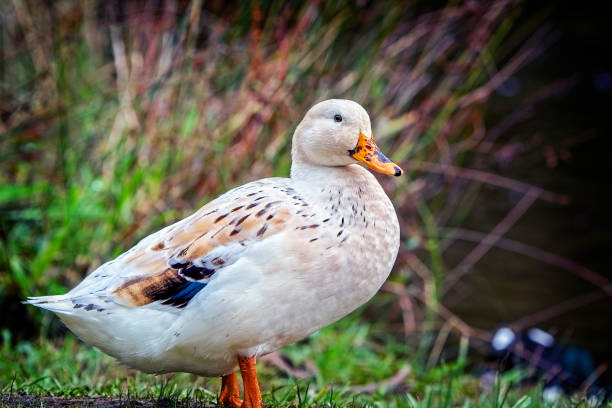
The Welsh Harlequin Duck, a rare yet captivating domestic duck breed, is renowned for its striking appearance and versatility in domestic settings. Originating in Wales during the 1800s, this breed is a crossbreed between a Pekin duck and a mallard, resulting in a unique combination of characteristics that distinguishes it from other duck varieties. The distinctive plumage of the Welsh Harlequin, marked by a rich iridescent blue-green on the upper parts and a chestnut head and neck in males, not only adds to its visual appeal but also serves as a testament to its intriguing genetic lineage. The females, on the other hand, exhibit a more muted brownish-gray plumage with hints of iridescence, reflecting their evolutionary adaptations to various environments.
This breed plays a significant role in both the domestic poultry and conservation landscapes. While not as commonly raised as other breeds, the Welsh Harlequin is valued for its robustness and adaptability, making it suitable for small-scale farming and backyard settings. Their ability to thrive in diverse climates enhances their appeal as a hardy breed. Moreover, the Welsh Harlequin is recognized as a heritage breed, garnering interest among enthusiasts committed to preserving genetic diversity in poultry. Understanding the breed’s history, aesthetics, and role in domestic contexts is essential for those looking to appreciate or raise these remarkable ducks. Their significance extends beyond mere aesthetics, as they contribute to the biodiversity and sustainability of poultry farms. 😊
Common Names and Synonyms
The Welsh Harlequin Duck is known by several names, reflecting its historical development and regional classification. The primary and most widely recognized name for this breed is Welsh Harlequin, which emphasizes its origins in Wales and distinct genetic makeup. The term Harlequin refers to the breed’s characteristic mottled or iridescent plumage, although it is often used broadly to describe ducks with similar coloration. However, it is important to distinguish the true Welsh Harlequin from other duck breeds that may share similar names.
Some alternative labels for this breed include Welsh Harlequin Duck, Harlequin Duck, and Harlequin, but these names can sometimes lead to confusion. In some contexts, the term “Harlequin Duck” may refer to wild duck species rather than the domestic Welsh Harlequin. To avoid misidentification, it is best to use the full name Welsh Harlequin Duck when referring specifically to the domestic breed. Additionally, the term Harlequin is sometimes applied to other duck breeds that exhibit mottled or iridescent plumage, such as the Harlequin Mallard or Blue Duck, which are not directly related to the Welsh Harlequin.
Despite these variations in nomenclature, the Welsh Harlequin is a distinct and recognized breed within the domestic duck category. It is not a hybrid of the Harlequin wild duck species but rather a domesticated variety developed in Wales. The inclusion of “Welsh” in the name helps clarify its geographical origin and distinguishes it from other Harlequin-type ducks. When researching or discussing the breed, it is essential to use accurate terminology to ensure proper identification and understanding, especially for breeders, conservationists, and poultry enthusiasts.
Primary Purpose of the Welsh Harlequin Duck
The Welsh Harlequin Duck is primarily raised for two main purposes: egg production and meat yield. As a duck breed, it is well-regarded for its ability to produce a moderate number of eggs, making it a popular choice among small-scale farmers and backyard enthusiasts seeking to incorporate ducks into their poultry operations. On average, Welsh Harlequins can lay between 130 to 150 eggs per year, with some individuals producing even more under optimal conditions. This productivity is particularly appealing for those interested in sustainable egg production, as the breed’s hardiness allows it to thrive in various climates and conditions.
In terms of meat yield, the Welsh Harlequin is noted for its compact yet well-muscled build, which contributes to a desirable meat quality. Unlike some larger breeds, these ducks do not grow as fast as Pekins but still offer a good balance of meat production and manageable size, making them suitable for both commercial and home-based farming. This dual-purpose nature allows producers to maximize their return on investment by utilizing the breed for both food and fiber, ultimately contributing to the sustainability of small agricultural practices.
Moreover, the Welsh Harlequin’s adaptability to different farming systems enhances its appeal. They can be raised in traditional confinement systems as well as in free-range environments, allowing for flexibility in management practices. This versatility is especially beneficial for farmers who wish to diversify their operations while maintaining a focus on quality meat and egg production. Overall, the Welsh Harlequin Duck serves as an excellent addition to many poultry flocks, offering both practical and economic advantages for breeders looking to enhance their farming endeavors. 😊
Physical Characteristics of the Welsh Harlequin Duck
The Welsh Harlequin Duck boasts a distinctive appearance that sets it apart from other duck breeds. Both male and female ducks exhibit a unique combination of colors and patterns, characterized by a rich, iridescent plumage that glimmers in shades of green, brown, and blue, especially under sunlight. Males are typically more vibrant, showcasing an intense chestnut head and neck, which contrasts beautifully with their dark body hues. In contrast, females display a more muted color palette, often appearing in shades of gray or brown with subtle hints of iridescence, which can vary depending on the light.
A notable feature of the Welsh Harlequin is its speculum, a patch of color on the wing that is uniquely marked with iridescent, dark green or blue. Both genders possess this striking trait, which is further enhanced by a white edge, making it a defining characteristic of the breed. This attribute not only contributes to their visual appeal but also plays a role in their evolutionary adaptations, potentially serving as a means of communication among flocks.
Sexual dimorphism is evident in the Welsh Harlequin, as males tend to be slightly larger and more robust. The size difference is complemented by variations in beak color and head shape, with males typically having a more prominent and colorful beak. Their tail feathers also differ, with males possessing longer, more pointed tail feathers that add to their regal appearance. Overall, these physical characteristics contribute to the Welsh Harlequin’s charm, making them a popular choice for poultry enthusiasts who appreciate both aesthetics and functionality in their ducks. 😊
Weight and Growth Curve of the Welsh Harlequin Duck
The growth patterns of the Welsh Harlequin Duck are notable for their steady progression and moderate weight gain. Typically, adult males reach a weight range of 4.5 to 5.5 kilograms, while females are slightly lighter, averaging between 3.5 to 4.5 kilograms. The growth trajectory of these ducks generally follows a predictable pattern, with the majority of their weight gain occurring during the first 14 to 16 weeks of life. This period is critical for establishing a strong foundation for both egg production and meat yield, as the ducks develop the necessary musculature and body structure.
The average weight gain during the rearing phase is approximately 0.1 to 0.2 kilograms per week, although this can vary based on factors such as diet, living conditions, and genetic predispositions. It’s important for keepers to monitor the ducks closely during this phase, ensuring they receive a balanced diet rich in protein and essential nutrients to promote healthy growth. The initial growth spurt is typically most pronounced during the first few months, after which the rate of weight gain stabilizes as the ducks approach their adult size.
Weight variations among flocks can be influenced by several environmental and genetic factors, including the quality of feed, housing conditions, and the overall health of the birds. Ducks raised in optimal environments, with access to clean water, appropriate shelter, and a nutritious diet, tend to exhibit more consistent growth patterns. In contrast, stressors such as poor nutrition or suboptimal living conditions can lead to variations in both weight and overall health. Understanding these factors is essential for breeders, as it informs management practices that can enhance productivity and ensure the well-being of the Welsh Harlequin Duck throughout its life cycle. Consequently, a well-managed rearing process is crucial to achieving the best possible weight and growth outcomes for these remarkable ducks. 😊
Climatic Tolerances and Adaptability of the Welsh Harlequin Duck
The Welsh Harlequin Duck is renowned for its remarkable adaptability to a wide range of climatic conditions. Originating in the temperate climates of Wales, these ducks have shown resilience in various environments, thriving in everything from the cooler climates of the UK to the warmer regions of the United States. Their robust constitution allows them to withstand seasonal variations, making them suitable for diverse geographical areas. In temperate climates, Welsh Harlequins typically enjoy a mild existence, where temperatures are neither excessively hot nor cold, allowing them to maintain optimal health and productivity.
In cooler climates, such as those found in Scotland or northern Wales, these ducks are well-equipped to handle the lower temperatures. Their dense feathering provides insulation, and their ability to seek shelter from wind and wet weather helps mitigate the effects of colder conditions. However, it’s essential for keepers to provide adequate housing and shelter during harsher winters to prevent cold stress, especially for younger ducks. Conversely, in warmer climates, Welsh Harlequins can adapt, but they may require access to shade and water sources to stay cool during the hotter months. Their natural instinct to seek out water not only serves as a means of cooling down but also supports their overall health and hygiene.
The versatility of the Welsh Harlequin in different environments is a significant advantage for breeders looking to raise these ducks in various regions. Whether in free-range settings or confined environments, their adaptability contributes to their hardiness and productivity, making them a valuable addition to both small-scale farms and larger agricultural operations. By understanding and accommodating their climatic preferences, breeders can ensure the well-being and continued success of their Welsh Harlequin flocks in any setting. 😊
Reproduction and Egg Production of the Welsh Harlequin Duck
The reproductive habits of the Welsh Harlequin Duck reflect their unique biology and breeding behaviors. These ducks typically reach sexual maturity at around 6 to 7 months of age, with optimal egg production occurring when they are in their prime. The average lifespan of Welsh Harlequins allows for a productive period of approximately 3 to 4 years, during which they can lay between 130 to 150 eggs annually, with some individual hens producing even more under ideal conditions. This consistent productivity makes them a valuable asset for small-scale egg production systems.
Egg-laying behavior in Welsh Harlequins is influenced by several factors, including day length, temperature, and overall health. As a spring-laying breed, egg production tends to increase during the early stages of the breeding season, with peaks in output occurring during the months of April and May. However, as the days shorten in the late summer and into autumn, egg production typically declines. This natural fluctuation is essential to consider for breeders, as supplemental lighting can be used to manipulate egg production and extend the laying period if desired. Additionally, maintaining a clean and safe environment encourages hens to lay eggs in nesting areas, rather than scattering them elsewhere, which can lead to increased hatching success.
Hatching characteristics of the Welsh Harlequin are also notable. When incubated under proper conditions, their eggs have a relatively high hatch rate, generally around 80 to 90%. The incubation period lasts approximately 28 days, during which it is crucial to maintain consistent temperature and humidity levels to ensure successful hatching. Welsh Harlequin ducks are also known for their maternal instincts; many hens will naturally incubate their eggs and raise their ducklings without the need for intervention. This behavior can be beneficial in small flock settings, allowing for the development of family units and promoting social bonding among the birds.
Understanding these reproductive patterns and egg production capabilities is essential for breeders aiming to maximize the efficiency of their Welsh Harlequin flocks while ensuring the health and well-being of their ducks. By providing a supportive environment and recognizing the breeding behaviors of this delightful breed, keepers can effectively manage their flocks and enhance productivity. 😊
Flying Ability and Flighted Enclosures for Welsh Harlequin Ducks
Welsh Harlequin Ducks possess flying abilities that are typical of their domestic duck counterparts; however, their flight is relatively limited compared to wild species. While they are not known for sustained flight, these ducks can fly short distances to escape perceived threats, such as predators or sudden disturbances. Their heavy build and moderate wingspan contribute to this limitation, as the males can become quite large. Consequently, owners may need to manage their enclosures to prevent potential flight escapades, particularly in settings with open fields or proximity to other water sources.
To protect against flying ducks, it is advisable to use flighted enclosures. A well-designed flighted enclosure should have a netting or wire cover that reaches at least 4 to 5 feet in height, which is sufficient to prevent the ducks from taking off and flying out. Additionally, securing the sides of the enclosure with sturdy fencing is essential, as Welsh Harlequins may attempt to climb or dig their way out if they feel confined. Providing enough space within the enclosure is crucial to encourage natural behaviors and prevent stress, which can lead to increased flight attempts.
Moreover, the presence of perching areas and water features can enhance the enclosure’s appeal while also supporting the ducks’ well-being. Regular observation of the flight patterns and behaviors of the flock allows owners to identify any tendencies for flight and make necessary adjustments to the enclosure design. By understanding and accommodating the flying abilities of Welsh Harlequin Ducks, owners can ensure a safe and secure environment that promotes productivity and peace of mind. 😊
Origin and Historical Development of the Welsh Harlequin Duck
The Welsh Harlequin Duck has a rich history that traces back to 1800s in Wales, where it was initially developed as a crossbreed between a Pekin duck and a mallard. This unique combination was not merely a chance occurrence but rather a deliberate effort by breeders to enhance the duck’s qualities for domestic purposes. The primary objectives of this breeding strategy were to improve the duck’s egg-laying capacity and early maturity, making it a more versatile and productive bird for small-scale farming operations. The Pekin duck, known for its rapid growth and meat yield, was crossed with the mallard, a wild duck recognized for its adaptability and robustness, resulting in a breed that harmoniously blends these desirable traits.
The Welsh Harlequin’s development marks a significant chapter in the evolution of domestic ducks, particularly in the context of poultry raising. This breed showcases the ingenuity of early breeders who understood the importance of selecting for traits that would support both productivity and sustainability in agricultural settings. As a result, the Welsh Harlequin has become an essential asset in farming communities, offering a reliable source of eggs and meat while contributing to biodiversity in the poultry sector.
The significance of the Welsh Harlequin extends beyond mere agricultural production. It serves as a living testament to the historical practices of selective breeding and the importance of preserving genetic diversity among domestic species. As the demand for heritage breeds continues to grow, the Welsh Harlequin stands out as a remarkable example of what can be achieved through thoughtful breeding practices. This breed not only enriches the genetic pool but also provides valuable insights into the relationship between human intervention and animal husbandry, reflecting the intricate interplay of history, biology, and cultural practices in the world of poultry. 😊
Life Expectancy of the Welsh Harlequin Duck
The life expectancy of the Welsh Harlequin Duck generally ranges from 6 to 8 years under optimal conditions, although this can vary based on numerous factors including diet, living conditions, and overall health management. With proper care, these ducks can lead long and healthy lives. Key aspects of their health management include providing a balanced diet rich in proteins, vitamins, and minerals, ensuring clean and safe housing environments, and regular veterinary check-ups to monitor for any signs of illness or stress. Good nutrition is essential for maintaining their energy levels and reproductive capabilities, as well as for supporting their overall immune function.
Lifestyle significantly influences the longevity of these ducks. A well-managed environment that minimizes stress, such as the presence of predators or overcrowding, can enhance their life expectancy. Access to clean water for both drinking and swimming is crucial, as it promotes hygiene and reduces the risk of disease. Additionally, providing ample space for movement and social interaction helps to keep them active and engaged, contributing to their mental and physical health.
It is important to note that as Welsh Harlequins age, their activity levels may decrease, and they might be more susceptible to certain health issues, such as musculoskeletal problems. Regular observation of their behavior and physical condition is essential for early detection of any health concerns. By prioritizing a comprehensive approach to their care, breeders can significantly enhance the life expectancy of their Welsh Harlequin flocks while ensuring a high quality of life throughout the ducks’ lives. 😊
Common Health Issues Affecting the Welsh Harlequin Duck
The Welsh Harlequin Duck is generally a hardy breed, but like all domestic ducks, it is susceptible to various health issues that can impact their well-being and productivity. One of the most prevalent concerns is hock and foot problems, particularly hock rot (bursitis) and footpad dermatitis. These conditions are often caused by prolonged exposure to wet or dirty environments, which can lead to bacterial infections and inflammation. Welsh Harlequins, due to their active nature and tendency to forage, are at a higher risk when kept in muddy or unhygienic enclosures. To prevent such issues, it is essential to provide clean, dry bedding and ensure regular cleaning of their housing areas. Additionally, avoiding overcrowding can reduce the risk of excessive stress and injury, particularly in free-range settings where ducks may engage in pecking or territorial disputes.
Another significant health concern is infectious diseases, such as Newcastle disease and avian influenza. These viral infections can spread rapidly in flocks and may lead to severe illness or even death if not properly managed. While domestic ducks are not as commonly affected by avian influenza as chickens, the Welsh Harlequin can still be vulnerable when exposed to wild birds or contaminated environments. To mitigate the risk, biosecurity measures such as regular disinfection of equipment, limiting contact with wild waterfowl, and maintaining strict hygiene protocols within the enclosure are crucial. In the case of Newcastle disease, vaccination is an effective preventive measure, and following recommended poultry health guidelines can help reduce the likelihood of outbreaks.
Viral infections such as duck viral enteritis (DVE), also known as Marek’s disease in ducks, can pose a serious threat to Welsh Harlequin flocks. DVE is highly contagious and often fatal, particularly in young ducks. Early signs may include lethargy, loss of appetite, and neurological symptoms before sudden death occurs. Preventative strategies include maintaining good sanitation, avoiding exposure to infected birds, and ensuring that the flock has not had contact with wild waterfowl, which are potential carriers of the disease. While there is no specific treatment for DVE, proactive health management can significantly reduce the risk of infection.
To maintain the overall health of Welsh Harlequin Ducks, it is also essential to monitor for signs of parasitic infestations, such as mites or lice, which can weaken the birds and reduce their productivity. Regular inspections, proper housing, and environmental management can help prevent and control these issues. Additionally, ensuring a balanced diet with appropriate nutrient levels is crucial for supporting their immune system and preventing nutritional deficiencies that can compromise their overall health.
Advanced Breeding and Genetic Tips for the Welsh Harlequin Duck
For advanced keepers engaged in raising Welsh Harlequin Ducks, a comprehensive understanding of breeding and genetics is essential for producing healthy, productive flocks. One of the primary goals in selective breeding is to enhance desirable traits such as egg production, meat yield, and early maturity while preserving the breed’s distinct characteristics. Achieving this requires careful selection of breeding stock based on lineage, performance, and genetic diversity.
A fundamental principle in successful breeding is selecting stock that demonstrates optimal performance in key areas. For egg-laying flocks, choosing females with proven high egg production and consistent laying patterns is crucial. Lineage tracking allows for the identification of strong breeding lines, ensuring that desirable traits can be perpetuated across generations. Additionally, males should be selected based on their fertility, vigor, and ability to sire offspring with the same physical and behavioral traits. By maintaining detailed breeding records, keepers can identify patterns and make informed decisions that improve flock quality over time.
Maintaining genetic diversity within a Welsh Harlequin flock is equally important to prevent inbreeding and reduce the incidence of hereditary health issues. A narrow genetic pool can lead to increased susceptibility to disease and reduced vitality in the flock. To preserve genetic diversity, breeders should avoid mating closely related ducks and instead seek out new bloodlines from reputable sources. Exchanging breeding stock with other Welsh Harlequin keepers or obtaining birds from established breeders can introduce new genetic material and enhance the resilience of the flock.
In addition to selecting for productivity and health, ethical breeding practices should be prioritized to ensure the well-being of the ducks. This includes avoiding excessive inbreeding, which can lead to developmental issues and reduced lifespan. By focusing on balanced breeding strategies that emphasize both productivity and animal welfare, advanced keepers can cultivate a thriving Welsh Harlequin flock that meets both practical and ethical standards.
Nutritional Requirements for Welsh Harlequin Ducks
Meeting the nutritional requirements of Welsh Harlequin Ducks is essential for promoting healthy growth, optimal egg production, and breeding success. A well-balanced diet should include a combination of commercial feed, fresh water, and forage, all tailored to the specific needs of the breed throughout different life stages. The dietary requirements for Welsh Harlequins can be broken down into several key phases: starter diet, grower feed, adult maintenance feed, and specialized needs during breeding and molting periods.
During the starter phase, which typically spans the first 8 to 10 weeks of a duckling’s life, a high-protein diet is crucial for rapid growth. A starter feed with 16 to 18% crude protein is recommended, along with essential vitamins and minerals such as calcium, phosphorus, and vitamin D. This stage is vital for developing strong bones and muscle mass, as well as laying the groundwork for future egg production. Producers should ensure that ducklings have constant access to fresh water, as this supports hydration and overall health.
As Welsh Harlequins transition into the grower phase, the protein content in their diet can be slightly reduced, ideally to around 14 to 16%. This stage typically lasts from week 10 to 16 and is focused on achieving optimal body weight for egg production. At this point, incorporating forage and greens into their diet can provide essential fiber and nutrients, promoting healthy digestion and a well-rounded diet.
For adult Welsh Harlequins, a maintenance feed with 12 to 14% protein is sufficient to support their overall health and maintain body condition. It is essential to provide a constant supply of calcium and phosphorus to support eggshell formation, particularly for breeding females. Additionally, providing access to a free-choice mineral supplement can help meet any nutritional gaps and ensure that ducks receive the necessary micronutrients for their well-being.
During breeding and molting periods, the nutritional needs of Welsh Harlequins increase. Breeding females require higher levels of protein and calcium to support egg production, while ducks undergoing molting should be fed a diet rich in vitamins to promote feather regrowth. Ensuring that ducks have access to clean water at all times is critical, as it not only supports hydration but also aids in digestion and nutrient absorption. By adhering to these nutritional guidelines and monitoring the health of the flock, producers can enhance their Welsh Harlequin Ducks’ productivity and overall welfare. 😊
Housing and Environmental Design for Welsh Harlequin Ducks
Creating an optimal housing environment is crucial for the well-being and productivity of Welsh Harlequin Ducks. These ducks thrive in settings that reflect their natural behaviors, which include swimming, foraging, and social interaction. A well-designed enclosure should allow for ample space, access to fresh water, and a clean living environment, all of which contribute to their health and happiness.
First and foremost, the enclosure should be spacious enough to allow ducks to roam and engage in natural activities. A general guideline is to provide at least 2 square feet of space per duck when they are housed in a confined area. This allows for social gatherings without overcrowding, which can lead to stress and the spread of disease. Additionally, incorporating elements that promote physical activity, such as perches, banks, and varied terrain, can encourage the ducks to explore and exercise, contributing to their overall health.
Water access is a vital component of a Welsh Harlequin’s environment. These ducks are natural swimmers and require a clean, shallow pool for swimming and preening. The water should be regularly monitored and cleaned to prevent the growth of algae and the spread of disease. A minimum water depth of 6 inches is recommended, allowing ducks to submerge comfortably. Additionally, ducks may benefit from having a few shallow areas for dabbling and foraging, which supports their natural instincts and helps maintain healthy egg production.
When considering the housing structure itself, it is important to design it for predator-proofing. Welsh Harlequins are vulnerable to a variety of predators, including raccoons, foxes, and birds of prey. The enclosure should be constructed with sturdy fencing or wire mesh, extending several feet underground to prevent digging. The height of the fence should also account for the ducks’ flight capabilities, typically around 4 to 5 feet, to discourage them from flying out and to provide a sense of security. Additionally, using materials that are weatherproof and durable will ensure the longevity of the housing while providing a safe haven for the ducks in all weather conditions.
Proper ventilation is equally essential within the housing environment. Ducks generate a considerable amount of moisture through their activities, which can lead to condensation and the growth of mold. Ensuring that the enclosure is well-ventilated while still protecting the ducks from harsh weather is crucial. Incorporating adjustable windows or vents allows for airflow, keeping the environment fresh and reducing the risk of respiratory issues among the flock.
In conclusion, designing a housing and environmental setup that meets the specific needs of Welsh Harlequin Ducks involves careful consideration of space, water access, predator-proofing, and ventilation. By creating an environment that supports their natural behaviors and addresses their health requirements, keepers can ensure the ducks thrive and contribute to a productive flock. 🦆
Behavioral Traits and Enrichment of the Welsh Harlequin Duck
The Welsh Harlequin Duck exhibits a range of behavioral traits that can significantly impact its well-being and productivity in a domestic setting. One of the most notable characteristics of these ducks is their calm and social nature, which makes them relatively easy to handle and interact with. However, their social dynamics can also lead to pecking orders, especially in larger flocks, which can result in stress or aggression if not managed properly. To mitigate potential conflicts, it is essential to maintain a balanced group size and provide sufficient space for each duck to express natural behaviors.
Enrichment for Welsh Harlequins can be achieved through various methods that stimulate their cognitive and physical needs, promoting overall health and happiness. Incorporating elements such as water features, foraging materials, and perches can encourage natural behaviors, allowing ducks to engage in activities like swimming, dabbling, and exploring. The presence of objects like floating toys, floating rafts, or even small obstacles in the water can provide entertainment while also fostering social interaction among the flock. Additionally, providing a variety of foraging materials, such as greens and grains scattered in the enclosure, encourages them to search for food, which can reduce stress and promote physical activity.
Proper housing design that allows ample space for free movement and socialization is crucial to support the behavioral needs of the Welsh Harlequin. A well-structured environment with clear sightlines for ducks to observe their surroundings can enhance their sense of security and reduce anxiety. Monitoring duck behavior regularly is also essential, as any signs of distress or aggression should be addressed promptly to maintain a harmonious flock. By prioritizing behavioral enrichment and addressing their social dynamics, keepers can create a thriving and happy environment for their Welsh Harlequin Ducks. 😊
Economic Considerations and Cost-Benefit Analysis of Raising Welsh Harlequin Ducks
Raising Welsh Harlequin Ducks involves a careful examination of both the costs associated with their care and the economic benefits they can provide. While the initial investment in housing, feed, and equipment can be substantial, the potential for profitability makes this breed an attractive option for small-scale farmers and backyard enthusiasts. For those aiming to maximize their return on investment, understanding the economic implications is crucial.
The Welsh Harlequin is primarily raised for its egg-laying potential and meat yield, which translates into marketable products. On average, a well-managed flock can produce around 130 to 150 eggs per year per hen, which can be sold for consumption or used for hatching. The demand for duck eggs is growing, particularly in niche markets, as their flavor and texture are highly valued in culinary applications. Additionally, the meat of Welsh Harlequin Ducks is considered to be of high quality, offering a leaner profile compared to other duck breeds, which appeals to health-conscious consumers. This dual-purpose nature enhances the economic potential of the breed, allowing for a diversified income stream.
However, it is essential to consider the associated costs of raising these ducks. The feed requirements for Welsh Harlequins can vary depending on the life stage, with starter feed typically costing more than maintenance feed. Additionally, the costs for housing, especially in larger flocks, can add up, necessitating a balance between initial outlay and long-term gains. Effective management of these resources is vital for maintaining profitability. For instance, implementing cost-saving practices such as using foraged materials and optimizing feed efficiency can significantly reduce overhead costs.
Moreover, the Welsh Harlequin’s adaptability to various climates and its relatively hardy nature contribute to lower veterinary and health costs. By providing a clean environment and ensuring good nutrition, the incidence of health issues can be minimized, further improving the cost-benefit ratio. Ultimately, while raising Welsh Harlequin Ducks does require an initial investment, their productivity and marketability can yield substantial returns for those who are prepared to manage their flock with care and attention to detail. This makes them a viable option for those looking to establish a sustainable and profitable poultry enterprise. 🦆
Environmental Impact and Sustainability of Welsh Harlequin Ducks
Raising Welsh Harlequin Ducks contributes positively to environmental sustainability, as these birds have several characteristics that enhance the ecological benefits of poultry farming. One of the primary advantages is their relatively low impact on natural resources compared to other livestock. Welsh Harlequins are efficient foragers, which means they require less commercial feed than many other duck breeds, thereby reducing the overall demand for grain and other feed crops. This foraging behavior not only promotes biodiversity in the surrounding ecosystem but also contributes to natural pest control by consuming insects and plant matter that might otherwise become problematic in agricultural settings.
Moreover, the manure produced by Welsh Harlequins is rich in nutrients and can be utilized as a natural fertilizer, enriching the soil and reducing the need for synthetic fertilizers. This closed-loop system supports sustainable farming practices, as it helps maintain soil health and promotes a balanced ecosystem. Additionally, their ability to thrive in diverse environments means that they can be raised in settings that may not be ideal for other livestock, further diversifying land use and enhancing the resilience of agricultural systems.
These ducks are also known for their hardiness and adaptability, which allows them to be raised in a variety of conditions without requiring excessive inputs. Their moderate growth rate and lower maintenance needs translate into a reduced carbon footprint compared to larger, more resource-intensive breeds. By
Add comment