
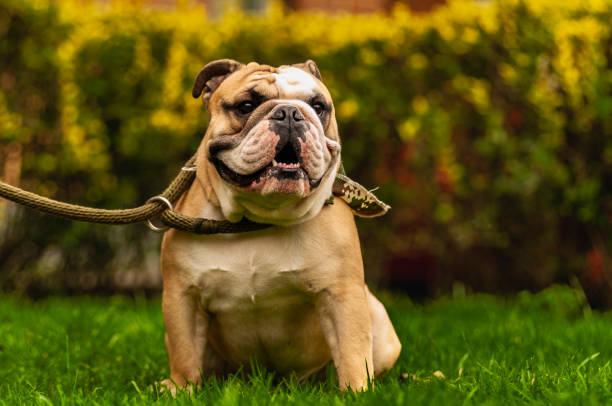
The world of dog training and behavior is a fascinating journey into the minds of our canine companions. While we often focus on teaching cues, reinforcing good habits, and addressing overt behavioral issues, a deeper understanding of a dog’s subtle communication can transform our relationship with them. Among the most revealing of these subtle signals are displacement behaviors, often referred to as “calming signals” or “stress behaviors.” These seemingly out-of-context actions are, in reality, powerful indicators of a dog’s internal emotional state, particularly when they are experiencing conflict, anxiety, or stress.
This comprehensive guide will explore displacement behaviors in dogs in depth. We will dissect their origins, provide a detailed catalog of common displacement behaviors with illustrative examples, discuss the underlying causes, and equip you with the knowledge to recognize, interpret, and ultimately, to help your dog manage their stress more effectively.
The Roots of Displacement Behaviors: Evolution, Communication, and Conflict
To understand displacement behaviors, we must first appreciate the evolutionary and social context from which they arise. Dogs, as descendants of wolves, have inherited a rich and complex communication system. In social species like canids, clear and consistent communication is vital for maintaining group cohesion, avoiding conflict, and ensuring survival. Wolves, living in hierarchical packs, developed a sophisticated repertoire of body language, vocalizations, and scent signals to convey their intentions, emotions, and social status.
Displacement behaviors are thought to have evolved as a way for animals to de-escalate potentially confrontational situations. Imagine two wolves facing off. One might feel a surge of conflicting emotions: the urge to flee (fear) versus the urge to stand their ground (aggression). This internal conflict can lead to a temporary “short-circuit” in the brain, triggering an unrelated, often mundane, behavior that serves to break the tension and signal a lack of immediate threat. It’s like saying, “Whoa, hold on! I’m really conflicted here, and this is making me uncomfortable, so I’m going to do something else to diffuse the situation.”
This concept was first extensively studied and popularized by Dr. David Mech in wolf behavior and later applied to domestic dogs by experts like Turid Rugaas, who coined the term “calming signals.” Rugaas observed that dogs, even when not in direct conflict, use these behaviors to communicate their unease and to try and soothe themselves or others.
Key Concepts:
- Conflict: The primary driver. This can be internal (e.g., wanting to greet a stranger but also being fearful of them) or external (e.g., a dog being pulled by their leash while another dog approaches).
- De-escalation: The function of these behaviors. They are attempts to lower the emotional temperature of a situation.
- Communication: They are signals to other dogs and humans, often indicating “I’m not a threat,” or “This is making me uncomfortable.”
- Self-Soothing: A way for the dog to manage their own internal stress and anxiety.
A Detailed Catalog of Common Displacement Behaviors in Dogs
Displacement behaviors can range from subtle flickers of the eyes to more pronounced actions. Recognizing them requires careful observation of a dog’s entire body language. Here’s a detailed look at some of the most common displacement behaviors:
- Lip Licking/Flicking:
- Description: A quick flick of the tongue over the lips, sometimes a more prolonged lick. The mouth might also be held slightly open, or the lips may appear slightly pulled back.
- When to Observe: Often seen when a dog is approached by a stranger, during veterinary exams, when a person leans over them, or when two dogs are greeting and one feels uncertain.
- Interpretation: “I’m feeling a bit uncertain or stressed by this interaction.” It can also be a sign of mild anxiety or anticipation. Sometimes, it’s simply a response to dryness in the mouth due to stress.
- Yawning:
- Description: A wide opening of the mouth, often accompanied by a stretching of the jaw. This is not necessarily a sign of tiredness.
- When to Observe: When a dog is feeling stressed, anxious, or uncomfortable. This could be during a tense interaction with another dog, when a human is giving them “the look,” or before a potentially unpleasant event like a bath or nail trim.
- Interpretation: “This situation is making me anxious, and I need to try and calm myself down (and perhaps signal my discomfort to you).” Often, a yawn is a subtle plea to end the stressful interaction.
- Sniffing the Ground/Object:
- Description: Suddenly and intently sniffing the ground, a wall, a rug, or any nearby object, even if there’s nothing particularly interesting there. This is not true exploration or foraging.
- When to Observe: When a dog is feeling overwhelmed by a social situation, during a tense encounter with another dog, when being corrected, or when greeting someone they are unsure about.
- Interpretation: “I’m feeling uncomfortable, and I need a moment to break eye contact and gather my thoughts (or pretend to be preoccupied).” It’s a way to disengage from the immediate pressure.
- Turning the Head Away/Looking Away:
- Description: A distinct, abrupt turn of the head, averting the gaze from the source of stress. This is more than just a casual glance away; it’s a deliberate act of avoidance.
- When to Observe: When a person stares directly at the dog, when another dog is approaching too intensely, or when a dog feels threatened or challenged.
- Interpretation: “I don’t want to engage with this threatening stimulus. Please back off.” It’s a signal of appeasement and a desire to avoid confrontation.
- Whale Eye (Showing the Whites of the Eyes):
- Description: The dog’s eyes momentarily widen, causing the whites (sclera) to become visible around the iris. The head may remain relatively still while the eyes move.
- When to Observe: When the dog feels threatened, cornered, or is anticipating something unpleasant. Often seen when a person leans over a dog, during a vet exam, or when another dog is looming.
- Interpretation: “I am very uncomfortable and feel trapped. I’m trying to see what’s happening without directly engaging, and I’m communicating my fear.” This is a significant indicator of rising stress.
- Pacing/Circling:
- Description: Walking back and forth in a confined space or in a tight circle.
- When to Observe: In situations of high anxiety or anticipation, such as waiting for their owner to return, during a storm, or when confined for too long.
- Interpretation: “I’m experiencing a lot of internal tension and need to release some of this pent-up energy and anxiety.” While not always a “displacement” behavior in the strictest sense, pacing often occurs alongside other stress signals when a dog is unable to resolve their internal conflict.
- Shaking Off (Without Being Wet or Dirty):
- Description: A vigorous shake of the entire body, similar to how a dog shakes off water.
- When to Observe: Immediately after a stressful encounter or event, when transitioning from a tense situation to a calmer one, or when feeling overwhelmed by stimuli. It can be seen after a greeting with another dog, after a vet visit, or after being scolded.
- Interpretation: “I’m releasing the tension and stress from that experience. I’m trying to reset and move on.” It’s a physical way of shedding emotional baggage.
- Freezing/Stiffening:
- Description: The dog becomes immobile, rigid, and tense. Their body language becomes “locked.”
- When to Observe: When a dog feels threatened, cornered, or is experiencing intense fear. This can precede a growl, snap, or flight.
- Interpretation: “I’m completely overwhelmed and unsure how to proceed. This is a very serious level of stress.” While freezing can be a sign of extreme fear, in some contexts, a brief stiffening can be a precursor to other displacement behaviors as the dog tries to resolve their conflict.
- Scratching (Without an Itch):
- Description: A scratch, usually behind the ear or on the flank, that is not motivated by an actual itch or parasite.
- When to Observe: When feeling anxious or uncomfortable in a social situation, during training when the dog is struggling, or when being handled by a stranger.
- Interpretation: “This is making me a bit uneasy, and I need to do something to distract myself.”
- Panting (When Not Hot or Exercising):
- Description: Rapid, shallow breaths, often with the tongue visible. This is distinct from normal panting after exertion.
- When to Observe: During periods of stress, anxiety, or excitement. This can include veterinary visits, car rides, meeting new people, or fireworks.
- Interpretation: “I’m feeling a lot of internal arousal and stress. This is my body’s way of trying to cope.”
- Vocalization (Whining, Sighing, Groaning):
- Description: While barks and growls are clear communication, softer vocalizations like whines, sighs, or groans can also indicate stress.
- When to Observe: When a dog is feeling anxious, bored, frustrated, or uncomfortable. A soft sigh can be a release of tension.
- Interpretation: “I’m feeling uneasy/frustrated/bored, and I’m expressing it in a low-level way.”
- Changes in Body Posture (Lowering the Head, Tuck of the Tail, Flattened Ears):
- Description: These are often part of a broader signal of submission or fear, but they can also be used to try and “disappear” or appear less threatening, thus stemming from a place of internal conflict.
- When to Observe: When a dog feels intimidated or uncertain.
- Interpretation: “I’m trying to make myself smaller and less noticeable to reduce the perceived threat.”
- “Play Bow” (Used Out of Context):
- Description: While a play bow is typically an invitation to play, a dog might sometimes use a half-hearted or awkward play bow in a tense situation.
- When to Observe: When a dog is trying to diffuse a situation and is unsure of how else to communicate their desire to avoid conflict, but still wants to appear friendly.
- Interpretation: “I want to be friendly, but I’m also scared/conflicted. Let’s not fight.”
Understanding the Causes: When Do Displacement Behaviors Emerge?
Displacement behaviors are not random acts. They are triggered by specific situations that create internal conflict or a rise in arousal that the dog struggles to manage. Here are some common scenarios:
- Social Greetings and Encounters:
- Encountering an unfamiliar dog: The dog wants to investigate and potentially greet, but also feels unsure or fearful of the other dog’s body language or energy.
- Meeting new people: The dog wants to be friendly and receive attention but is wary or intimidated by the stranger’s size, smell, or direct approach.
- Over-aroused playmates: When play gets too rough or intense, a dog might start lip licking or shaking off as they try to regulate their excitement.
- Handling and Restraint:
- Veterinary examinations: Prodding, touching in sensitive areas, and unfamiliar environments can be stressful.
- Grooming: Nail trims, baths, or brushing can cause anxiety, especially if the dog has had negative past experiences.
- Being leashed: Some dogs find leash pressure or being tethered to be a source of stress.
- Training and Learning:
- When a dog is confused: If a command is unclear, or the dog doesn’t understand what’s being asked, they might exhibit displacement behaviors.
- When a correction is given: Even mild corrections can cause a dog to feel insecure or anxious.
- When a dog is struggling with a difficult task: Frustration and uncertainty can lead to lip licking or sniffing.
- Environmental Stressors:
- Loud noises: Thunderstorms, fireworks, construction, or other sudden loud sounds can be terrifying.
- Unfamiliar environments: New places with lots of stimuli can be overwhelming.
- Confinement: Being left alone for too long, crated for extended periods, or feeling trapped.
- Owner’s Emotional State:
- Owner anxiety: Dogs are highly attuned to their owners’ emotions. If an owner is stressed or anxious, their dog may mirror that feeling and exhibit displacement behaviors.
- Owner’s direct attention: A prolonged stare or intensely focused attention from an owner, even with good intentions, can make a dog uncomfortable.
- Conflict with Other Dogs:
- Resource guarding: When a dog is worried about losing a favored toy or food item.
- Territorial disputes: When another dog enters their perceived territory.
- Social hierarchy challenges: When a dog feels their position in the social group is being challenged.
The Importance of Recognizing and Interpreting Displacement Behaviors
Understanding displacement behaviors is not just an academic exercise; it has profound practical implications for dog welfare and training.
- Preventing Escalation: Displacement behaviors are early warning signs. Recognizing lip licking or head turning can alert you to a dog’s discomfort before they resort to more serious signals like growling, stiffness, or even biting. This allows you to intervene and de-escalate the situation, preventing potential conflict or fear-based aggression.
- Building Trust and Rapport: When you learn to read your dog’s subtle signals, you demonstrate that you understand their needs and emotional state. This builds trust and strengthens your bond. Your dog learns that you are a reliable source of comfort and understanding, rather than a source of confusion or stress.
- Effective Training: Knowing when your dog is stressed during training helps you adjust your methods. If your dog starts lip licking during a certain exercise, it’s a signal that you need to slow down, break the exercise into smaller steps, or find a way to make it more rewarding and less stressful. Pushing a dog past their stress threshold is counterproductive to learning.
- Improving Welfare: By identifying the triggers for a dog’s displacement behaviors, you can work to modify their environment or their exposure to those triggers. This leads to a happier, less anxious, and more well-adjusted dog.
- Distinguishing from Training Cues: It’s crucial to differentiate displacement behaviors from intentional training cues. For example, a dog might lick their lips in a training situation. If you misinterpret this as “give me a kiss” and reward it, you may inadvertently reinforce a stress signal.
How to Respond to Displacement Behaviors
Once you’ve identified a displacement behavior, your response is key. The goal is always to reduce the dog’s stress and help them feel more comfortable.
- Identify the Trigger: The first and most important step is to figure out what is causing the stress. Observe the situation closely. What happened immediately before the dog exhibited the behavior?
- Is someone staring at the dog?
- Is another dog approaching too quickly?
- Is the environment too noisy or chaotic?
- Is the human’s body language intimidating?
- Remove the Stressor (If Possible): The most effective way to help is often to remove the dog from the stressful situation or to remove the stressor itself.
- Advise people to stop staring or interacting directly.
- Create distance from the other dog or person.
- Move to a quieter area.
- End the grooming session or veterinary exam if the dog is too stressed.
- Create Distance: Sometimes, simply increasing the physical distance between your dog and the perceived threat can be enough to lower their arousal levels. This could mean stepping back, turning your body away, or walking in a different direction.
- Redirect and Distract (Carefully): Once the immediate situation has de-escalated slightly, you can try to redirect your dog’s attention. However, this must be done gently and not as a way to force them to engage with something they are still uncomfortable with.
- Offer a favorite toy with a soft, enthusiastic voice.
- Ask for a simple, known cue (like “sit”) in a calm manner.
- Scatter treats on the ground for them to sniff out (this taps into a natural, calming behavior).
- Avoid Punishment: Never punish a dog for exhibiting displacement behaviors. This only adds to their stress and confusion, and can make them more likely to resort to more serious warnings in the future. Punishing a lip lick or a yawn is akin to punishing someone for showing they are nervous.
- Manage the Environment: For dogs who are consistently stressed by certain situations, proactive management is crucial.
- Avoid crowded dog parks if they trigger anxiety.
- Advise visitors to ignore your dog initially.
- Provide a safe, quiet space for your dog to retreat to.
- Use calming aids like ThunderShirts or pheromone diffusers if recommended by a vet or behaviorist.
- Seek Professional Help: If your dog exhibits frequent or intense displacement behaviors, or if these behaviors are accompanied by other signs of distress (e.g., freezing, growling, resource guarding), consult a certified professional dog trainer or a veterinary behaviorist. They can help identify the root causes and develop a tailored behavior modification plan.
Displacement Behaviors vs. Genuine Behavior
It’s important to distinguish displacement behaviors from actual actions that serve a direct purpose. For instance, a dog might truly be thirsty and lick their lips. A dog might yawn because they are tired. The key is observing the context and the cluster of behaviors.
- Genuine Behavior: Driven by a clear, immediate need or instinct.
- Displacement Behavior: Arises from internal conflict and serves to diffuse tension, often appearing out of context.
Example:
- Genuine Lip Lick: Your dog finishes drinking water, and then licks their lips to clear their mouth.
- Displacement Lip Lick: A stranger approaches your dog, and your dog quickly licks their lips while avoiding eye contact.
Common Misconceptions and Pitfalls
- “He’s just being polite.” While displacement behaviors are a form of communication, they signal discomfort and stress, not necessarily politeness in the human sense.
- “She’s trying to manipulate me.” Displacement behaviors are involuntary responses to stress. They are not conscious attempts to manipulate.
- “He’s just tired.” Misinterpreting stress-induced yawning as tiredness can lead to ignoring important anxiety signals.
- “She’s showing off.” Behaviors like sniffing the ground are not about drawing attention in a positive way; they are about de-escalation.
- Rewarding stress signals: As mentioned, inadvertently rewarding a displacement behavior by interpreting it positively can reinforce the anxiety.
The Power of Observation: Becoming a Dog Body Language Expert
Mastering the interpretation of displacement behaviors is a cornerstone of becoming a truly observant and empathetic dog owner or trainer. It requires patience, practice, and a willingness to look beyond overt actions to understand the subtle nuances of canine communication.
- Watch the Whole Dog: Don’t focus on just one part of the body. Look at the ears, tail, posture, eyes, mouth, and overall tension.
- Observe in Different Contexts: See how your dog’s body language changes in various situations – during greetings, training, walks, and at home.
- Learn from Professionals: Watch videos and read books by experts in canine body language, such as Turid Rugaas, Sophia Yin, and Alexandra Horowitz.
- Practice, Practice, Practice: The more you observe, the better you will become at recognizing these subtle but crucial signals.
Conclusion: A Deeper Connection Through Understanding
Displacement behaviors are a window into a dog’s emotional world. They are the quiet cries for understanding, the subtle pleas for space, and the honest expressions of internal conflict. By learning to recognize these behaviors – the lip licks, the averted gazes, the sudden sniff of the ground, the out-of-context yawns – we gain the ability to respond to our dogs with greater empathy, to prevent stressful situations from escalating, and to build a relationship founded on true understanding.
Embracing the concept of displacement behaviors is not about labeling your dog as “stressed” all the time. It’s about empowering yourself with the knowledge to provide them with the support and understanding they need to navigate our human world with greater confidence and less anxiety. It’s about moving beyond simple obedience to a profound partnership based on keen observation and genuine compassion. When you understand what your dog is truly trying to tell you, you unlock a deeper, richer, and more rewarding connection.
#dogbodylanguage #caninecommunication #dogbehavior #calmingsignals #stressbehaviors #dogtrainingtips #doglover #doglife #understandingdogs #doganxiety #doghealth #dogbehaviorist #dogtrainer #dogsofinstagram #instadog #dogsofinsta #dogvideos #caninebehavior #appeasement #dogeducation #empatheticdogowner #dogsoftiktok





Add comment