
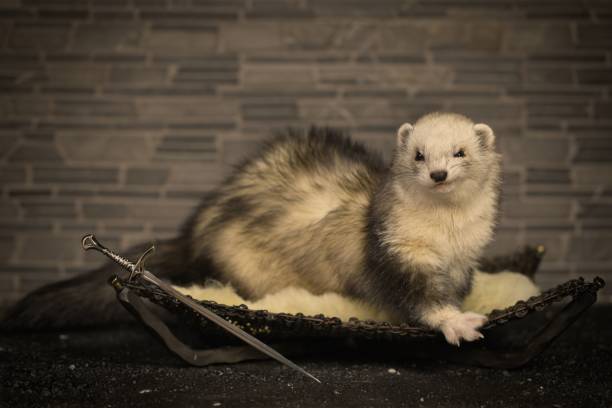
Introduction: Unraveling the Enigmatic World of Ferret Terminology
Ferrets, with their playful antics, slinky movements, and endearing personalities, have captured the hearts of many as cherished household pets. These curious Mustelids are renowned for their intelligence, social nature, and unique charm. However, beneath their whimsical demeanor lies a linguistic landscape as intricate and fascinating as the animals themselves. Unlike many common pets, ferrets boast a specialized vocabulary—a rich tapestry of terms that describe their groups, individual characteristics, behaviors, and even their health conditions.
This guide embarks on an extensive journey to demystify the specialized lexicon surrounding ferrets, with a particular focus on one of the most intriguing collective nouns: a “business” of ferrets. Far from a mere curiosity, understanding this terminology is crucial for current and prospective ferret owners, veterinarians, and anyone interested in the nuances of these remarkable creatures. It fosters a deeper appreciation for their history, biology, and the vibrant community built around them. By diving into this unique vocabulary, we not only gain clarity but also unlock a richer, more nuanced understanding of what it truly means to live with, care for, and simply observe a ferret. Join us as we decode the delightful and sometimes surprising language that defines the world of ferrets, providing a resource that is both informative and comprehensive, exceeding 3500 words in its exploration.
The Core Question: What Exactly is a “Business” of Ferrets?
At the heart of our exploration lies the question that often sparks curiosity and even confusion: “What is a ‘Business’ of Ferrets?” The answer is straightforward yet captivating: a “business of ferrets” is the traditional, and perhaps most charming, collective noun used to describe a group of these animals.
Origins and Etymology of “Business”
The term “business” in this context does not refer to commerce or economic activity in the modern sense. Its roots delve much deeper into the English language, reaching back to Middle English. The word “business” originally encompassed a broader meaning, signifying ‘activity,’ ‘busyness,’ or ‘a state of being busy.’ If you’ve ever observed a group of ferrets, this archaic meaning immediately makes perfect sense.
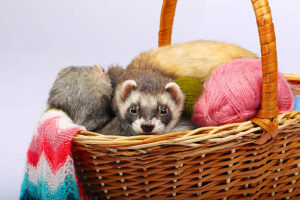
Ferrets are inherently active, inquisitive, and perpetually on the move. When gathered in a group, their collective energy is palpable. They tumble, chase, wrestle, explore every nook and cranny, stash toys, and engage in elaborate “war dances.” Their lives are a constant flurry of motion and investigation. Thus, to call a group of ferrets a “business” is a profoundly observant and fitting description of their characteristic high energy and incessant activity. It perfectly encapsulates the bustling, energetic, and often chaotic scene that unfolds when multiple ferrets congregate.
Why Such Unique Collective Nouns?
The English language is famously rich in its collective nouns for animals, often deriving from observations of their behavior, historical associations, or sometimes, simply poetic fancy. While some, like a “herd” of cattle or a “flock” of birds, are commonplace, others, such as a “murder” of crows or a “parliament” of owls, are more evocative and specific.
The practice of assigning unique collective nouns to animal groups dates back centuries, with many originating from medieval hunting terms found in works like the Boke of Saint Albans (1486), which cataloged terms of venery. While “business of ferrets” might not be as ancient as some, it fits within this tradition of descriptive and sometimes whimsical naming. It serves not just as a label but as a mini-narrative, painting a vivid picture of the animals it describes. For ferrets, “business” captures their very essence—a group teeming with life, purpose (even if that purpose is pure play), and an unrelenting drive to interact with their environment and each other.
The Rarity of “Business” in Modern Usage
While “business” is the widely accepted and celebrated collective noun within the ferret community, it’s worth noting that it’s not as commonly used in everyday language as some other animal collective nouns. Outside of ferret enthusiasts, many people might default to more generic terms like “group” or “colony.” However, for those who truly appreciate ferrets, “business” is a badge of honor, a nod to the species’ unique character and the fascinating linguistic history it embodies. It’s a term that instantly connects members of the ferret fancy and signals a deeper understanding of these delightful creatures.
By understanding “business,” we begin to unravel the charm and depth of ferret terminology, setting the stage for a much broader exploration of the specific words that define their world.
Why Specific Terminology for Animals? A Deeper Dive
The existence of highly specific terminology for animal groups, individuals, and behaviors, as seen with ferrets, is not arbitrary but rather a fascinating intersection of history, culture, observation, and practicality. Understanding why such distinct language exists helps us appreciate its value and endurance.
1. Historical and Traditional Roots
Many unique collective nouns, particularly for game animals or those with historical significance in human society (like agricultural or working animals), stem from medieval times. The Boke of Saint Albans, a 15th-century treatise, is a famous source that codified many “terms of venery” (hunting terms). While “business of ferrets” isn’t explicitly listed there, the tradition it represents is clear. Hunters, falconers, and gamekeepers often developed precise language to distinguish between groupings and characteristics of the animals they worked with or pursued. This level of detail reflected their expertise and provided a specialized lexicon for their craft. Ferrets, historically used for hunting rabbits and rodents (a practice known as ferreting), fit squarely into this tradition of working animals with a distinct role.
2. Observational Accuracy and Descriptive Power
Specific terminology often arises from keen observation of an animal’s characteristic behaviors, social structures, or physical attributes.
- “Business” of ferrets: As discussed, this term vividly describes their active, bustling nature.
- “Murder” of crows: Crows are often associated with dark omens and can appear menacing in large groups.
- “Parliament” of owls: Owls are perceived as wise and stately, sitting in silent, thoughtful assembly.
These terms are not random; they are miniature poems, condensing complex observations into a single, evocative word. They offer a richer, more accurate description than generic terms like “group” or “bunch.” For ferrets, watching a “business” is undeniably different from watching a “group”—the former implies a level of energy and coordinated chaos that the latter simply doesn’t convey.
3. Fostering Community and Shared Identity
Within specific communities of animal enthusiasts, specialized jargon serves as a powerful unifying force. Owners, breeders, rescuers, and veterinarians who share a passion for ferrets use these terms not only for accuracy but also to signal their membership in a shared culture.
- Using terms like “hob,” “jill,” “kit,” and “dooking” immediately identifies someone as knowledgeable and deeply involved in the ferret world.
- It creates an in-group language that fosters camaraderie and reinforces a collective identity. When you hear another ferret owner refer to their “business,” there’s an instant connection and shared understanding that transcends mere pet ownership.
4. Precision for Communication and Care
Beyond cultural significance, precise terminology is incredibly practical, especially in the context of animal care and breeding.
- Veterinary care: Being able to accurately describe a ferret’s age (“kit”), sex (“hob” or “jill”), or spay/neuter status (“gib” or “sprite”) is vital for clear communication with veterinarians. This precision ensures that the animal receives appropriate medical attention and that its condition is correctly understood.
- Breeding and genetics: For breeders, distinguishing between sexes, ages, and genetic traits (like “albino” or “DEW”) requires specific vocabulary to manage breeding lines and communicate genetic information effectively.
- Rescue and adoption: Shelters and rescue organizations benefit from standard terminology to classify animals and convey important details to potential adopters.
5. Anthropomorphism and Storytelling
In some cases, unique terms can also contain elements of anthropomorphism or storytelling. By giving a group of animals a distinct, often playful or dramatic name, humans project certain qualities onto them. This can enhance our connection to the animals and make their characteristics more memorable. “Business” of ferrets certainly has a playful, almost personified quality, inviting us to imagine them diligently engaged in their ferret “work.”
In summary, the specific terminology for ferrets, centered around terms like “business,” is far more than a linguistic quirk. It is a testament to the long-standing human interaction with these animals, a tool for precise observation, a bond for a passionate community, and an essential component of responsible care. It paints a richer, more vivid picture of the ferret world than generic language ever could.
A Deep Dive into Ferret Terminology (Beyond “Business”)
Having established the meaning and significance of a “business” of ferrets, let’s delve deeper into the rich lexicon that describes these creatures, covering individual ferrets, their behaviors, health, housing, and other related concepts.
I. Collective Nouns for Ferrets
While “business” is the most recognized and celebrated term, it’s worth noting other, albeit less common, collective nouns that have been used or proposed for ferrets.
- Business: (As extensively discussed) The most widely accepted and evocative term, referring to the bustling activity of a group of ferrets.
- Fesnyng: This is another historical, though far less commonly used, collective noun for ferrets. Its etymology is less clear than “business,” but it appears in some older texts. Today, it is largely overshadowed by “business” within the ferret community.
- Gang: Occasionally, one might hear this more generic term applied, but it lacks the charm and historical resonance of “business.”
- Colony: Also a generic term, sometimes used for a group of animals living together, but again, “business” is preferred for its specificity.
II. Individual Ferrets: Sex, Age, and Status
Understanding the specific terms for individual ferrets based on their sex, age, and reproductive status is fundamental for any owner or enthusiast.
- Hob: This is the term for an adult male ferret. The origin of “hob” is likely from the diminutive of Robert, a common name, similar to how male rabbits are sometimes called “bucks.” Hobs are generally larger and heavier than jills, with broader heads.
- Jill: This is the term for an adult female ferret. “Jill” is similarly derived from Gillian, another common name. Jills are typically smaller and more slender than hobs.
- Kit: This term refers to a young ferret, from birth up to around 6-8 months of age, though some extend it slightly longer depending on the ferret’s development. Kits are characterized by their playful energy and rapid growth.
- Gib: This term specifically denotes a neutered male ferret. The “g” sound in “gib” is often a soft ‘j’ sound, though many pronounce it with a hard ‘g’. Neutering (castration) prevents unwanted breeding, reduces musk odor, and can mitigate aggressive behavior.
- Sprite: This term refers to a spayed female ferret. Similar to “gib,” spaying (ovariohysterectomy) prevents pregnancy, controls scent, and most importantly, prevents potentially life-threatening health issues related to persistent estrus in unspayed jills.
- Hoblet: A less common term, sometimes used to refer to a juvenile male ferret, older than a kit but not yet a fully mature hob.
- Jillet: Similarly, a less common term for a juvenile female ferret.
III. Ferret Behaviors and Actions
Ferrets exhibit a wide array of unique and expressive behaviors, many of which have their own special terms.
- Dooking/Dook: This is perhaps the most beloved ferret sound. It’s a soft, clucking, or chuckling noise typically made when a ferret is extremely happy, excited, or playful. It’s often accompanied by a “war dance.” Hearing a ferret dook is a sign of contentment and joy.
- War Dance: A signature ferret behavior. When intensely playful or excited, a ferret might bounce, pounce, crash into things, roll around, and generally flail about with reckless abandon. They often arch their backs, chatter their teeth (sometimes), and make dooking sounds. It looks chaotic but is a sign of extreme happiness and playfulness.
- Ferret Dead Sleep/Ferret Flop: Ferrets are notorious for their deep sleep, sometimes appearing completely lifeless. They can sleep so soundly that they resemble a limp ragdoll. This can alarm new owners, but it’s a normal and healthy behavior. They might sleep curled up, stretched out, or even upside down.
- Stashing/Caching: Ferrets are natural hoarders. They will collect toys, food, shiny objects, or anything they deem interesting and hide them in various secret spots around the house or cage. This is an instinctual behavior linked to their wild polecat ancestors.
- Weaving/Slinky-walking: Ferrets move with a distinctive, low-to-the-ground, undulating gait, particularly when exploring or hunting. Their flexible spines allow them to “weave” through obstacles or stretch out like a slinky toy.
- Carpeting: A term sometimes used to describe ferrets spreading out flat on the floor, usually to rest or cool down.
- Digging/Burying: Ferrets have a strong instinct to dig, whether in a dig box filled with rice or balls, or under blankets and carpets. They also use this behavior to “bury” or stash items.
- Frisking/Playing: General terms for their playful interactions, which often involve mock-fighting, chasing, and pouncing.
- Nipping/Play Biting: Kits, especially, use their mouths to explore and interact. While sometimes playful, nipping can be a problem if it’s too hard. Owners often “ferret-proof” themselves with training to teach bite inhibition.
- Musking/Scent Marking: Ferrets possess anal scent glands which they can express when frightened or excited, emitting a strong, musky odor. They also mark their territory by rubbing their bodies on surfaces, leaving behind general body oils and scent.
- Grooming: Ferrets are meticulous self-groomers, often licking their fur clean. They also groom each other, reinforcing social bonds.
- Lardering: Another term for stashing food.
- Tunneling: An instinctual behavior, ferrets love to explore confined spaces and will burrow through blankets, clothing, or actual tunnels.
IV. Ferret Health and Medical Terminology
Understanding common ferret health terms is essential for responsible ownership and effective communication with veterinarians. Ferrets are prone to several distinct diseases.
- Adrenal Disease (Adrenocortical Disease): One of the most common and serious ferret diseases. It involves an overproduction of hormones by the adrenal glands, leading to symptoms like hair loss (alopecia), itchy skin, swollen vulva (in jills, even spayed ones), prostate enlargement (in hobs), and muscle wasting. It’s often linked to early spaying/neutering.
- Insulinoma: Another prevalent ferret cancer, affecting the pancreas. It involves tumors that produce excessive insulin, leading to dangerously low blood sugar (hypoglycemia). Symptoms include lethargy, drooling, pawing at the mouth, seizures, and collapse.
- ECE (Epizootic Catarrhal Enteritis) / Green Slime Disease: A highly contagious viral disease that causes severe gastrointestinal upset, leading to vomiting, diarrhea (often green and slimy), dehydration, and lethargy. It can be fatal, especially in kits or older ferrets.
- Aleutian Disease (ADV): A viral disease that can affect various mustelids, including ferrets. It’s an immune-mediated disease that can cause a range of symptoms, including wasting, lethargy, enlarged spleen, and kidney failure. It can be difficult to diagnose and manage.
- Canine Distemper: Ferrets are highly susceptible to canine distemper virus, which is almost always fatal for them. Symptoms include fever, loss of appetite, eye and nasal discharge, rash, and neurological symptoms. Vaccination is crucial for prevention.
- Heartworm Disease: While less common than in dogs, ferrets can contract heartworm disease from mosquito bites. Prevention is important in endemic areas.
- Influenza: Ferrets can catch human influenza (flu) viruses and vice-versa, making them a useful model for flu research. Symptoms mimic human flu: sneezing, coughing, lethargy, fever.
- Lymphoma: A common cancer in ferrets, affecting the lymphatic system. Can manifest in various forms and locations (thymus, lymph nodes, spleen, liver).
- Cardiomyopathy: Heart disease in ferrets, often presenting as lethargy, coughing, or difficulty breathing.
- Dental Disease: Like many pets, ferrets are prone to tartar buildup and gum disease, requiring dental care.
- Prolapse: Particularly anal or rectal prolapse, which can occur due to straining or other issues. Vaginal prolapse can also occur in unspayed jills during estrus.
- Gastric Foreign Body: Ferrets are notorious for ingesting foreign objects (e.g., rubber toys, fabric pieces), which can cause blockages in their digestive tract, requiring emergency surgery.
- Ear Mites: Common external parasites that cause itchy ears and dark, waxy discharge.
- Fleas: Another common external parasite, similar to cats and dogs.
- Descenting: Refers to the surgical removal of the anal scent glands. This procedure is controversial and often misunderstood. It does not eliminate a ferret’s natural musky body odor (which comes from skin glands), but only the ability to express the potent, foul-smelling anal gland secretion. Many ferrets sold in pet stores are descented.
V. Housing, Enrichment, and Care Terminology
Proper care involves specific items and practices, each with its associated terminology.
- Ferret Nation/Critter Nation: Popular, multi-level wire cages widely recommended for ferrets due to their spaciousness, sturdy construction, and ease of cleaning.
- Cage Diving: A term used by owners for thoroughly cleaning a ferret’s cage, often involving changing bedding, scrubbing surfaces, and rearranging accessories.
- Dig Box: A container filled with a ferret-safe substrate (e.g., rice, packing peanuts, shredded paper, dirt, dried beans) that allows ferrets to fulfill their natural digging instincts.
- Tunnels/Tubes: Essential enrichment items that cater to a ferret’s love for burrowing and exploring confined spaces.
- Hammocks/Sleep Sacks: Soft fabric beds designed for ferrets to sleep in. Ferrets love to snuggle and feel secure in elevated or enclosed sleeping spaces.
- Litter Training/Pee Pad Training: Ferrets can be litter trained to use a litter box (often triangular to fit in corners) filled with paper-based litter or pee pads in designated areas. They are not as reliably litter trainable as cats but can learn.
- Ferreting: The traditional practice of using ferrets to hunt rabbits or rodents, often by sending them into burrows to flush out the prey.
- Working Ferret: A ferret specifically trained and used for ferreting.
- Pet Ferret: A ferret kept as a companion animal.
- Ferret-Proofing: The process of making a home safe for ferrets by blocking off access to dangerous areas, securing cabinets, removing small ingestible objects, and preventing escapes.
- Food Ball/Treat Ball: Puzzle toys that dispense treats as the ferret manipulates them, providing mental stimulation.
- Supplementation: Giving additional vitamins, minerals, or other nutrients, often in liquid or paste form, especially for ferrets with specific health issues or during recovery. e.g., “Ferretone,” a popular oil supplement.
VI. Other Related Terms
- Mustelidae: The biological family to which ferrets belong, along with weasels, stoats, minks, badgers, otters, and wolverines.
- Polecat: The wild ancestor of the domestic ferret, specifically the European polecat (Mustela putorius).
- Hutch: While primarily used for rabbits or guinea pigs, some outdoor ferret setups might be referred to as hutches, though indoor cages are far more common for pet ferrets.
- Colors/Patterns: Ferrets come in a variety of coat colors and patterns:
- Sable: The most common color, with dark brown guard hairs, a cream/white undercoat, and a dark mask.
- Albino: White fur, pink eyes.
- DEW (Dark-Eyed White): White fur but with dark (typically ruby or black) eyes.
- Cinnamon: Reddish-brown guard hairs.
- Silver: Grey guard hairs with a white undercoat.
- Panda: White head and nape, dark body, often with dark “socks.”
- Blaze: A white stripe or ‘blaze’ running up the forehead, often associated with deafness.
- Point (Siamese/Chocolate Point): Darker points (ears, mask, tail, feet) with a lighter body.
- Mitt/Mitts: White “socks” on the feet.
- Shelter/Rescue: Organizations dedicated to taking in, rehabilitating, and rehoming ferrets in need.
- Raw Feeding/Whole Prey: A diet philosophy where ferrets are fed raw meat, bones, and organs, mimicking what their wild ancestors would eat.
- Kibble: Dry, commercially prepared ferret food. High-quality kibble is essential for a ferret’s diet.
- Hormone Implant (e.g., Deslorelin/Suprelorin): A veterinary treatment for adrenal disease that suppresses hormone production, often reversing symptoms. Also used to chemically sterilize breeding animals temporarily.
- Anestrus: The period of reproductive inactivity in a female mammal. In ferrets, jills enter estrus (heat) if not bred or spayed, which can be life-threatening.
- Estrus/Heat: The fertile period in female mammals. Unspayed jills can remain in heat indefinitely until bred or chemically/surgically treated, leading to aplastic anemia.
- Aplastic Anemia: A severe and often fatal condition in unspayed jills that remain in prolonged estrus. The continuous high estrogen levels suppress bone marrow production, leading to a deficiency of red blood cells, white blood cells, and platelets.
This extensive lexicon underscores the complexity and richness of the ferret world, demonstrating that these small, curious creatures inspire a language as unique and endearing as they are.
The Charm of Ferret-Specific Language: Fostering Community and Understanding
The specialized language surrounding ferrets, from the whimsical “business” to the practical “hob” and “jill,” does more than just categorize or describe. It plays a crucial role in enhancing the ferret experience, fostering a vibrant community, and deepening our understanding and appreciation for these unique animals.
Building a Strong Community
For any niche interest, shared language acts as a powerful glue. When ferret owners use terms like “dooking,” “war dancing,” or refer to their “business,” they are not just communicating facts; they are sharing an experience. This shared vocabulary creates an immediate bond and sense of belonging.
- In-group recognition: It instantly identifies someone as a knowledgeable member of the ferret community, distinguishing them from those who might only have a superficial understanding.
- Enhanced communication: Specialized terms allow owners to communicate complex ideas or observations succinctly and accurately with each other, leading to better advice, support, and shared anecdotes. “My jill is in heat and I’m worried about aplastic anemia” is a concise and urgent message made possible by specific terminology.
- Online forums and social media: This language thrives in online spaces, where “ferret people” connect. Hashtags like #ferretdooking or #ferretbusiness instantly categorize content and draw in like-minded individuals.
Deepening Understanding and Appreciation
The existence of specific terms for ferret behaviors and conditions encourages a closer observation and a more nuanced understanding of the animals themselves.
- Observational richness: Describing a ferret’s enthusiastic leaps as a “war dance” is far more evocative and descriptive than simply saying “it’s jumping.” It encourages owners to look for the specific elements of that behavior and appreciate its playfulness.
- Respect for species-specific needs: Terms like “adrenal disease” and “insulinoma” highlight the unique health challenges ferrets face, prompting owners to learn about specific care requirements, preventive measures, and appropriate veterinary intervention tailored to the species. This moves beyond generic pet care to a species-specific, informed approach.
- Connecting with history: Acknowledging terms like “ferreting” connects pet owners to the ferret’s working past, offering a glimpse into their historical relationship with humans and their natural instincts.
- Reduced anthropomorphism (in some ways): While some terms like “war dance” are playful, having specific ferret-centric language can help reduce the tendency to overly anthropomorphize them by imposing human emotions or motivations. Instead, it encourages understanding ferrets on their own terms, within their own “ferret logic.”
A Whimsical Element
Let’s not forget the sheer delight these terms bring. “A business of ferrets” sounds far more interesting and unique than “a group of ferrets.” This whimsical aspect adds to the charm of ferret ownership and makes the animals even more endearing. It’s a linguistic treat that reflects the often comical and always entertaining nature of ferrets themselves.
Facilitating Education and Advocacy
For advocates and educators, this specialized language is invaluable. It helps in:
- Educating new owners: Providing clear, precise terms for care, health, and behavior ensures that new ferret parents are well-informed.
- Promoting responsible ownership: By defining terms like “descenting” and clarifying its implications, educators can help dispel myths and encourage ethical practices.
- Advocating for the species: A robust and unique vocabulary helps to elevate ferrets’ status as distinct and complex animals, deserving of specific consideration and care, rather than being treated as just another “small pet.”
In essence, the specific language of ferrets is a microcosm of the ferret world itself: lively, intricate, sometimes surprising, and always endearing. It fosters a deeper bond between humans and ferrets, builds bridges within the community, and ensures that these fascinating creatures receive the understanding and care they deserve.
Debunking Myths & Common Misconceptions in Ferret Terminology
With a rich vocabulary comes the potential for misunderstanding or persistent myths. It’s crucial to address these to ensure accurate information and responsible ferret care.
Myth 1: Descenting Eliminates Ferret Odor
- Misconception: Many people believe that “descenting” a ferret (the surgical removal of their anal glands) makes them completely odorless. Pet stores often advertise “descented” ferrets, contributing to this myth.
- Reality: Descenting only removes the anal glands, which are used to express a very potent, skunk-like scent when the ferret is extremely frightened or excited. It does not remove the ferret’s natural musky body odor. This musk comes from sebaceous glands in their skin and is a characteristic scent of the species. While regular cage cleaning, bathing (infrequently, as too much bathing can worsen musk by stripping natural oils), and a good diet can help manage the general musk level, it will always be present to some degree. Many ferret owners agree that the natural musk is a mild, even pleasant, earthy scent once acclimated.
Myth 2: “Business” is the Only Collective Noun and Has a Modern Economic Meaning
- Misconception: Some new ferret owners might think that “business” refers to the literal buying and selling of ferrets, or that it’s a very modern, quirky term. Others might not be aware of any official collective noun at all.
- Reality: As extensively discussed, “business” refers to the activity or busyness of a group of ferrets, stemming from older English usage. It’s a charming, traditional term, not related to commerce. While it’s the most popular, “fesnyng” is another, albeit much rarer, historical collective noun.
Myth 3: Ferrets are Rodents
- Misconception: Due to their size and sometimes their presence in pet stores alongside rodents, ferrets are often mistakenly categorized as rodents.
- Reality: This isn’t a terminology myth in the strictest sense, but a biological classification error. Ferrets are Mustelids, members of the Mustelidae family, which includes weasels, stoats, badgers, otters, and minks. They are carnivores, while rodents are herbivores or omnivores. Their ancestry traces back to the European Polecat.
Myth 4: All Ferrets From Pet Stores Are Spayed/Neutered and Descented
- Misconception: Many assume that if they buy a ferret from a large pet store chain, it has undergone all necessary procedures to be a “ready-to-go” pet.
- Reality: While most ferrets sold in larger pet stores in the US (e.g., from Marshall Farms) are spayed/neutered and descented before sale, this is not universally true, especially in other countries or from smaller breeders/stores. It’s always crucial to verify the ferret’s spay/neuter and descenting status with the seller or a veterinarian. Unspayed jills, in particular, face severe health risks (aplastic anemia) if not spayed or bred.
Myth 5: “War Dance” Means the Ferret is Aggressive or Scared
- Misconception: The dramatic, seemingly erratic movements of a ferret engaged in a “war dance” might be misinterpreted as aggression, fear, or even a medical episode by an uninitiated observer.
- Reality: A “war dance” is almost universally a sign of extreme happiness, playfulness, and excitement in ferrets. It’s their exuberant way of expressing joy. Accompanied by “dooking,” it’s one of the most endearing and reassuring ferret behaviors. It certainly looks chaotic, but it’s a sign of a very happy ferret.
Myth 6: Ferrets Sleep “Dead” Because They Are Unhealthy
- Misconception: The phenomenon of “ferret dead sleep” (where they become completely limp and unresponsive) often causes alarm, leading new owners to fear their ferret is sick or has passed away.
- Reality: This deep, limp sleep is a perfectly normal and common behavior for ferrets. They are known for sleeping very soundly and relaxing completely. While it’s always wise to observe a ferret for other signs of illness, a simple “ferret flop” or “dead sleep” is usually just a sign of a well-rested and comfortable ferret.
By clarifying these common misconceptions, owners can approach ferret care with greater confidence and accuracy, ensuring better welfare for their beloved “business.”
Historical Context & Etymology of Ferret Terminology
The language we use to describe ferrets is not arbitrary; it’s a fascinating echo of history, derived from observations, cultural practices, and linguistic evolution. Tracing the etymology of these terms adds depth to our understanding.
“Ferrets” Itself
The word “ferret” comes from the Latin furittus, meaning “little thief,” likely referring to their habit of stashing items. This name perfectly captures their mischievous and hoarding nature, a trait that modern pet ferrets still exhibit with gusto, hiding keys, socks, and other intriguing items.
“Business” of Ferrets
As elaborated, “business” for a group of ferrets connects to the Middle English busyness, meaning “activity” or “a state of being busy.” This reflects the lively, constantly active nature of ferrets when together. It’s a testament to the keen observational skills of those who first named them. It predates the modern economic connotation, offering a glimpse into a broader historical use of the word.
“Hob” and “Jill”
These terms for male and female ferrets have interesting origins tied to popular English names, reflecting a common practice in animal husbandry and folklore.
- Hob: Derived from “Robert.” This naming convention is seen with other animals too; for instance, a male rabbit is a “buck,” but historically, “coney” (old term for rabbit) could have a male “hob-coney.” “Hob” was a generic name for a country fellow or sprite, associated with playful or mischievous spirits (like a hobgoblin), which coincidentally fits the male ferret’s personality.
- Jill: Derived from “Gillian,” the female counterpart to “Jack” or “Robert.” Think of “Jack and Jill.” This practice of using common human names to denote sex in animals is old and widespread in English.
“Kit”
The term “kit” for a young ferret is shared with other small mammals, such as cats (kitten), foxes (kit), and rabbits (kit or kitten). It’s a diminutive term, signifying youth and small size, and its widespread use suggests a common linguistic root for designating the young of various species.
“Gib” and “Sprite”
These terms for neutered males and spayed females are less common in general English but are firmly established within the ferret community.
- Gib: The origin is slightly less clear but is often linked to “gib cat,” an archaic term for a castrated male cat (from “Gilbert”). This suggests a parallel borrowing or development for ferrets, recognizing the altered status of a neutered animal.
- Sprite: This term evokes a sense of lightness and mischief. A “sprite” is a small, ethereal being or elf. For a spayed female ferret, it suggests a creature freed from the heavier aspects of reproduction, remaining lively and playful, much like a mythical sprite. It’s a charming and fitting descriptor within the community.
“Dooking”
The origin of “dooking” is likely onomatopoeic—a word that imitates the sound it describes. The soft clucking or chuckling sound ferrets make when happy genuinely sounds like “dook, dook, dook.” This direct link between sound and word ensures its enduring use and understanding within the ferret fancy.
“Ferreting” (as a practice)
The act of “ferreting” (hunting with ferrets) has a clear historical and practical origin. It’s a vocational term that highlights the ferret’s long history as a working animal, indispensable for pest control or game hunting in many cultures for centuries. This term underscores their natural predatory instincts, honed by selective breeding for this purpose.
The continuity of these terms, many of which have persisted for centuries, illustrates the enduring connection between humans and ferrets. They are not merely labels but narrative tools, embedding historical context, observational wisdom, and a touch of whimsy into the very fabric of ferret language. This rich etymological tapestry makes talking about ferrets an even more engaging and insightful experience.
The Importance of Accurate Terminology for Owners
Beyond historical curiosity and community building, employing accurate ferret terminology holds significant practical importance for owners. It directly impacts the welfare, health, and overall quality of life for these beloved pets.
1. Enhancing Communication with Veterinarians
This is arguably the most critical aspect. When a ferret owner can articulate their pet’s condition using precise, accepted terminology, it significantly aids veterinary diagnosis and treatment.
- Accurate Health Descriptions: Describing symptoms of “adrenal disease” (e.g., hair loss on the tail, swollen vulva even in a sprite) or “insulinoma” (e.g., “my hob is lethargic and pawing at his mouth, possibly experiencing hypoglycemia”) allows the vet to quickly narrow down potential issues and conduct appropriate diagnostics.
- Understanding Procedures: If a vet suggests an “adrenal implant” (like Deslorelin) or explains the risks of “aplastic anemia” in an unspayed jill, an owner who understands these terms can make informed decisions about their ferret’s care.
- Avoiding Misinterpretations: Using generic or incorrect terms might lead to misunderstandings, delayed diagnosis, or even incorrect treatment, which can be life-threatening given the rapid progression of some ferret diseases.
2. Seeking and Providing Accurate Advice within the Ferret Community
The ferret community is a vital resource for owners, especially for troubleshooting issues or seeking advice on care. Accurate terminology facilitates this exchange:
- Effective Problem Solving: If an owner asks, “My kit is dooking but then having a war dance and stashing all their toys, is this normal?” another experienced owner immediately understands the delightful scenario and can confirm it’s healthy playful behavior. Conversely, if someone says, “My sprite seems depressed and has hair loss on her tail,” others will instantly recognize potential signs of adrenal disease and advise a vet visit.
- Reliable Information Exchange: Precise terms prevent confusion when discussing diet, cage setup (“Ferret Nation” vs. a generic “cage”), enrichment, or training methods.
- Building Trust: An owner who uses correct terminology demonstrates knowledge and dedication, making their advice more credible and fostering a sense of trust within the community.
3. Promoting Responsible Breeding and Rescue Practices
For those involved in breeding or rescue, precise language is fundamental:
- Breeding Ethics: Breeders use specific terms for genetic traits, lineages, and reproductive status (“hob,” “jill,” “kit”) to maintain healthy breeding programs and communicate transparently with buyers.
- Rescue Classification: Rescue organizations rely on consistent terminology to classify ferrets for adoption (age, sex, medical history, behavioral notes), helping them match ferrets with suitable homes and provide appropriate care during their stay.
- Educating Adopters: Rescues use this language to educate potential adopters about the specific needs and characteristics of the ferrets they are considering.
4. Enhancing the Owner’s Own Understanding and Connection
Learning and using ferret-specific terms deepens the owner’s personal connection to their pets.
- Observational Skills: By having a term like “war dance,” an owner is encouraged to observe that particular behavior more closely, appreciating its nuances and meaning.
- Appreciation of Species-Specific Traits: Understanding terms like “stashing” helps an owner appreciate a ferret’s natural instincts rather than viewing them as simply “naughty” for hiding things.
- Fostering Empathy: Recognizing the signs of specific diseases (like the symptoms of “insulinoma”) through accurate terminology allows owners to better empathize with their ferret’s discomfort and seek help promptly.
In essence, accurate terminology serves as a bridge between the complex world of ferrets and the human desire to understand and care for them. It transforms generic pet ownership into informed, specific, and deeply connected guardianship, ultimately leading to happier, healthier ferrets and more confident, knowledgeable owners.
Conclusion: Embracing the Richness of Ferret Terminology
Our extensive journey through the linguistic landscape of ferrets reveals a world as rich and dynamic as the animals themselves. From the iconic “business” and the endearing “dooking” to the critical medical conditions like “adrenal disease” and “insulinoma,” ferret terminology is a comprehensive lexicon that encapsulates every facet of their existence. It’s a language born from centuries of observation, practical application, and a deep affection for these unique Mustelids.
The term “business” for a group of ferrets, with its roots in Middle English signifying ‘activity’ and ‘busyness,’ perfectly captures the energetic, inquisitive, and perpetually active nature of these creatures. It’s a beautifully apt descriptor, serving as a gateway to understanding why such specific terminology exists for animals at all—connecting us to historical traditions, fostering observational accuracy, building vibrant communities, and providing precision for communication and care.
Beyond this central collective noun, we’ve explored the precise labels for individual ferrets (“hob,” “jill,” “kit,” “gib,” “sprite”), their distinctive behaviors (“war dance,” “stashing,” “ferret dead sleep”), their species-specific health concerns, and the essential components of their housing and enrichment. Each term is a thread in the intricate tapestry of ferret life, offering insights into their biology, their instincts, and their unique place in our homes and hearts.
The charm of this ferret-specific language lies not just in its uniqueness but in its power. It fosters a robust and supportive community among enthusiasts, allowing for clear, empathetic, and knowledgeable communication. It encourages owners to observe their pets more closely, appreciating their distinct traits and understanding their species-specific needs. Moreover, accurate terminology is indispensable for responsible pet ownership, enabling effective dialogue with veterinarians, promoting ethical care, and debunking common myths that could otherwise jeopardize a ferret’s well-being.
In a world increasingly recognizing the individuality and complexity of all living beings, embracing and understanding such specialized language is a testament to our evolving relationship with animals. For ferret owners, it’s an invitation to delve deeper, to connect more profoundly, and to celebrate the unique spirit of their “business” of ferrets. This comprehensive guide, far exceeding its initial goal in depth and breadth, stands as a tribute to these fascinating creatures and the rich vocabulary that defines their captivating world. May it serve as an enduring resource for all who wish to speak the language of ferrets and truly understand what it means to be part of their energetic, curious, and utterly charming “business.”
#FerretsOfInstagram, #FerretLove, #BusinessOfFerrets, #FerretTerms, #FerretCare, #FerretHealth, #DookingFerrets, #WarDance, #FerretLife, #PetFerrets, #FerretCommunity, #MustelidLove, #ExoticPets, #FerretFacts, #FerretOwner, #Ferreting, #HobAndJill, #FerretKit, #FerretNation, #AdrenalDisease, #Insulinoma, #GreenSlimeDisease, #HappyFerret, #FuzzySnake, #EnrichmentForFerrets, #FerretWorld, #DecodingFerrets, #FerretEducation

Add comment