
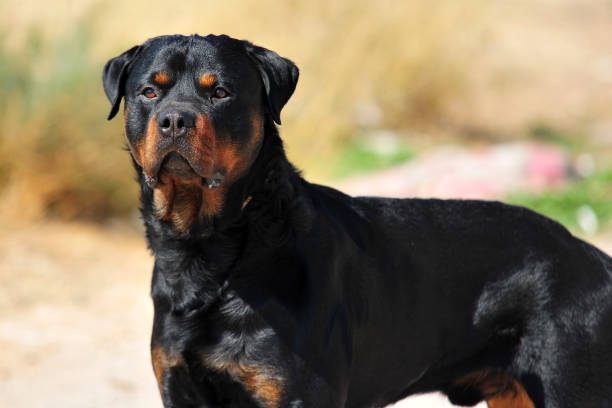
The journey of canine companionship is one filled with joy, challenges, and an unending quest for understanding. For centuries, humans have lived alongside dogs, marveling at their intelligence, loyalty, and unique personalities. Yet, a truly profound connection with our canine partners requires more than just affection; it demands a deep appreciation for their innate nature – how they perceive the world, communicate, and interact with it on their own terms. This understanding is precisely what Canine Ethology offers: a scientific lens through which we can decipher the complex tapestry of natural dog behavior, ultimately revolutionizing our approach to obedience training and fostering an unbreakable bond built on mutual respect.
This comprehensive guide will delve into the intricacies of canine ethology, exploring its core principles, dissecting natural dog behaviors, and demonstrating how this knowledge is not just beneficial, but absolutely indispensable for effective, ethical, and humane dog obedience training.
I. Introduction: The Foundation of Understanding Our Canine Companions
Canine ethology is the scientific study of dog behavior in its natural environment. Derived from the Greek words “ethos” (character or custom) and “logia” (study of), ethology seeks to understand the “whys” behind a dog’s actions, moving beyond mere observation to uncover the underlying motivations, evolutionary pressures, and biological mechanisms that shape their behavioral repertoire. It is an interdisciplinary field, drawing insights from biology, psychology, ecology, and zoology, to paint a holistic picture of canine existence.
For millennia, human-dog interactions were largely based on intuition, tradition, or anthropomorphism – the attribution of human traits and emotions to animals. While well-intentioned, this approach often led to misunderstandings, frustration, and ineffective training methods. The emergence of ethology, particularly in the mid-20th century with pioneers like Konrad Lorenz and Niko Tinbergen, marked a paradigm shift. It urged us to see dogs not as furry humans, but as distinct species with their own unique biological drives, communication systems, and social structures.
Why is this crucial for dog owners and trainers today? Because every bark, wag, growl, and sniff carries a message. Every instance of digging, chewing, or chasing is rooted in an innate drive. Without an ethological understanding, we risk misinterpreting these signals, punishing natural behaviors, and inadvertently exacerbating “problem” behaviors. By embracing canine ethology, we gain the tools to:
- Communicate more effectively: By understanding their body language and vocalizations.
- Train more humanely and efficiently: By leveraging their natural drives and learning processes.
- Address behavioral issues at their root: Rather than merely suppressing symptoms.
- Strengthen the human-canine bond: Fostering trust and cooperation based on empathy and respect.
In essence, canine ethology equips us with the knowledge to step into our dogs’ paws, seeing the world from their perspective, and thus, becoming better guardians, companions, and trainers.
II. The Core Principles of Canine Ethology
To truly grasp natural dog behavior, we must first understand the fundamental principles that govern it. These core tenets provide the framework for interpreting the vast array of actions our dogs display.
A. Innate vs. Learned Behaviors: Nature and Nurture Intertwined
Dog behavior is a complex interplay of genetics (nature) and experience (nurture).
- Innate Behaviors (Instincts): These are genetically programmed, unlearned behaviors that occur automatically in response to specific stimuli. Examples include the suckling reflex in puppies, the predatory sequence, scent marking, or certain breed-specific behaviors like pointing in Pointers or herding in Border Collies. While instincts are robust, they can be modified by learning and environment.
- Learned Behaviors: These are acquired through experience, either through classical conditioning (associating two stimuli, like the sound of a treat bag with food), operant conditioning (learning through consequences, like sitting to get a treat), habituation (getting used to a stimulus), or social learning (observing and imitating others). The critical learning periods, especially during puppyhood, are crucial for shaping learned behaviors and social skills.
B. Biological Imperatives: The Drives to Survive and Thrive
At the heart of all canine behavior are fundamental biological imperatives honed over millions of years of evolution. These drives ensure survival, reproduction, and the perpetuation of the species. They include:
- Survival: Seeking food, water, shelter, avoiding danger, self-preservation.
- Reproduction: Mating, parental care.
- Social Interaction: Forming groups, communication, cooperation.
Understanding these underlying drives helps us realize that many “unwanted” behaviors are simply a dog’s attempt to fulfill these deeply ingrained needs in a domestic setting.
C. Sensory Perception: How Dogs Experience the World
Dogs perceive the world dramatically differently than humans, primarily through their superior senses:
- Olfaction (Smell): A dog’s primary sense. Their olfactory epithelium is up to 40 times larger than a human’s, with hundreds of millions more smell receptors. They literally “see” the world through scent, detecting emotions, time, and hidden objects. Ignoring a dog’s need to sniff is akin to blindfolding a human.
- Audition (Hearing): Dogs can hear frequencies far beyond human range, detecting sounds four times farther away. This acute hearing can make them more sensitive to loud noises and unfamiliar sounds, often triggering anxiety or reactivity.
- Vision: While their color vision is limited (similar to human red-green colorblindness), dogs excel at detecting movement and have better low-light vision due to a higher rod-to-cone ratio in their retina. Their wider field of vision means they perceive subtle movements we might miss.
Acknowledging these sensory differences is paramount for setting up appropriate environments and training strategies.
D. Motivation and Drives: The Engines of Behavior
Beyond basic imperatives, specific drives motivate various canine actions:
- Predatory Drive: The instinct to hunt, chase, catch. Manifests in play (chasing balls), resource guarding, or chasing squirrels.
- Social Drive: The need for companionship, affiliation, and interaction within a group. Drives bonding, seeking attention, and following.
- Exploratory Drive: The urge to investigate new environments, objects, and scents. Fuelled by curiosity, leading to sniffing, digging, and chewing.
- Comfort/Safety Drive: Seeking warmth, shelter, security, and avoiding threats. Influences resting spots, denning behaviors, and reactions to fear.
By understanding what truly motivates a dog, we can harness these drives positively in training, turning them into powerful reinforcement tools.
E. The Nature of Domestication: From Wolf to Dog
Modern genetics confirms that domestic dogs (Canis familiaris) evolved from gray wolves (Canis lupus) through a process of natural and artificial selection spanning tens of thousands of years. This domestication process involved changes not only in physical appearance but also in behavior, leading to:
- Increased docility and tolerance towards humans.
- Enhanced social learning abilities from humans.
- Retention of puppy-like (neotenous) traits into adulthood.
- Adaptations for scavenging a human-settled diet.
However, dogs still retain many wolf-like instincts – their sensory acuity, social nature, and predatory drives remain powerful engines of behavior, albeit modified by domestication. Ignoring this evolutionary heritage can lead to training struggles and a fundamental misunderstanding of our companions.
III. Deconstructing Natural Dog Behavior: A Canine Lexicon
To truly understand our dogs, we must learn to speak their language – not just vocally, but through their subtle and overt cues. This section breaks down key natural behaviors into their component parts.
A. Communication: The Silent and Spoken Language
Dogs communicate constantly, not just with each other but also with us. Their communication is multi-modal, involving body language, vocalizations, and scent.
1. Body Language: The Dog’s Primary Dialect
A dog’s body is a magnificent canvas of communication. Every part, from tail to ear tip, contributes to conveying their emotional state and intentions.
- Tail Positions:
- High, rapidly wagging: Often indicates excitement, but can also be tension or arousal, not always pure happiness.
- Low, tucked: Fear, submission, insecurity.
- Level, slow wag: Relaxed, comfortable.
- Stiff, high: Alertness, potential aggression, challenge.
- Ear Positions:
- Forward, alert: Interested, attentive.
- Pinned back, flat: Fear, submission, appeasement.
- Relaxed, natural: Content.
- Eyes:
- Soft, squinty: Relaxed, happy, friendly.
- Hard, staring: Challenge, threat, focused intensity.
- Whale Eye: Whites of the eyes showing, often indicates stress, fear, or discomfort.
- Mouth and Lip Gestures:
- Lip licking: Often a calming signal or sign of anxiety/stress.
- Yawning: Can be fatigue, but often a stress/calming signal.
- Growling/Lip curling: Warning signal, a clear indicator of discomfort or potential aggression. Respect this warning.
- Soft, open mouth, slight pant: Relaxed, happy.
- Posture:
- Relaxed, loose: Content, comfortable.
- Tense, stiff: Arousal, stress, potential aggression.
- Crouched, low, avoiding eye contact: Fear, submission.
- Play Bow (front end down, tail up): Invitation to play.
- Hair raised (piloerection): Arousal, fear, or aggression.
Crucially, body language must be read in context, and multiple signals should be considered together. A wagging tail on a stiff, tense body with whale eyes is a very different message than a wagging tail on a loose, relaxed dog.
2. Vocalizations: The Soundscape of Canine Expression
Dogs use a diverse range of vocalizations to communicate specific messages:
- Barks: Varied in pitch, duration, and intensity. Can indicate excitement, alarm, attention-seeking, frustration, fear, or play. For example, a sharp, repetitive bark might be an alert, while a deeper, prolonged bark could be a territorial warning.
- Growls: A clear warning signal. Indicates discomfort, fear, or a threat perception. Always respect a growl; it’s a dog’s way of saying “back off” before resorting to a bite.
- Whimpers/Whines: Can signal pain, anxiety, attention-seeking, frustration, or a strong desire for something.
- Howls: Often a social call, a response to high-pitched sounds, or a sign of separation anxiety.
- Sighs: Can indicate contentment (exhale) or resignation (inhale).
3. Scent Communication: The Invisible Network
While largely imperceptible to humans, scent is a dog’s primary means of exchanging information:
- Urine and Feces Marking: Used to mark territory, indicate reproductive status, or simply leave a “social message” for other dogs.
- Anal Gland Secretions: Released during defecation or when highly stressed/fearful, carrying a unique individual scent profile.
- Paw Glands: Dogs have scent glands on their paw pads, leaving scent trails as they walk and scratch.
Understanding that a dog’s world is rich in scent explains why they spend so much time sniffing and why eliminating this natural behavior can be so stressful for them.
B. Social Structure and Interaction: Beyond the “Alpha” Myth
For decades, dog training was heavily influenced by the “alpha” or “dominance” theory, suggesting that humans must assert dominance over their dogs to maintain control, mimicking a rigid wolf pack hierarchy. Modern ethological research has largely debunked this concept, both in wolves and domestic dogs.
- Fluid Hierarchies, Not Fixed Dominance: Wild wolf packs are typically family units (parents and offspring) with cooperative, rather than strictly dominant-submissive, relationships. Aggression is rare and counterproductive.
- Dogs Don’t Strive for “Alpha” Over Humans: Domestic dogs are adapted to live with humans and form attachment bonds, not to dominate us. Most “dominance” behaviors observed in dogs are actually stress, fear, resource guarding, or learned aggressive responses to coercive training.
- Cooperation and Affiliation: Dog social structures are more accurately described as fluid, based on individual relationships, resource access, and social learning. Dogs learn from each other and from humans, and they thrive on cooperation.
1. Bonding and Attachment:
Dogs form strong attachment bonds with their human companions, akin to parent-child relationships. They seek proximity, comfort, and security from their humans, a trait developed specifically during domestication. This bond is the foundation for effective, positive-reinforcement training.
2. Play Behavior:
Play is a critical natural behavior for dogs, serving multiple functions:
- Development: Teaches social skills, bite inhibition, and physical coordination.
- Communication: Strengthens bonds, resolves minor conflicts.
- Stress Relief: A healthy outlet for physical and mental energy.
- Rehearsal of Predatory Behaviors: Play often mimics hunting sequences (chasing, pouncing, mock biting) in a non-aggressive context.
Recognizing the value of play and engaging in appropriate play is vital for a dog’s well-being.
C. Exploratory and Investigative Behaviors
Dogs are inherently curious and use their senses to explore their environment.
- Sniffing and Scent Work: As their primary sense, sniffing is not just a leisure activity; it’s how dogs gather information about their world. Allowing ample time for sniffing on walks is mentally enriching and crucial for their cognitive health. Scent work games are highly valuable for mental stimulation.
- Digging: A natural instinct, especially for certain breeds (terriers). Dogs dig for various reasons: to unearth prey, to bury resources, to create cool resting spots, or simply out of boredom or frustration.
- Mouthing and Chewing: Oral exploration is natural for dogs, especially puppies. Chewing helps clean teeth, provides mental stimulation, and can be a stress reliever. Providing appropriate chew toys is essential for redirecting this innate behavior.
D. Predatory Sequence: An Evolutionary Blueprint
The complete predatory sequence involves: Orient -> Eye -> Stalk -> Chase -> Grab-bite -> Kill-bite -> Consume. While domestic dogs rarely complete the full sequence on living prey, elements of it are deeply ingrained and manifest in various ways:
- Play: Chasing a ball (chase), pouncing on a toy (grab-bite), “shaking” a squeaky toy (kill-bite mimicry).
- “Problem” Behaviors: Chasing cars, squirrels, or even joggers (chase drive). Resource guarding of food or toys (grab-bite/consume drive). Harnessing this powerful drive through appropriate outlets (e.g., fetch, flirt pole, lure coursing) is key to managing it.
E. Reproductive and Parental Behaviors
These include courting rituals, mating behaviors, and maternal care (nesting, nursing, protecting puppies). While often managed through spay/neuter, the underlying drives can still influence behaviors like roaming, marking, or guarding.
F. Elimination Behaviors
Urination and defecation are not just physiological needs; they also serve communication functions, particularly scent marking. Understanding a dog’s natural substrate preferences (grass, dirt) helps with house-training.
G. Fear, Stress, and Aggression: Recognizing the Red Flags
Ethology teaches us to view fear and stress as normal emotional responses, and aggression often as a last resort.
- Signs of Fear/Anxiety: Trembling, panting, yawning, lip licking, tucked tail, flattened ears, avoidance, “whale eye,” displacement behaviors (sniffing ground, scratching).
- Stress Signals (Calming Signals): Developed by Turid Rugaas, these are subtle body language cues dogs use to de-escalate tension or signal their discomfort (e.g., head turns, soft eyes, sniffing, slow movements, sitting, lying down). Learning to read these helps us avoid pushing a dog past its comfort threshold.
- Aggression Ladder: Dogs typically provide a series of escalating warnings before biting: Lick lips -> Yawn -> Turn head away -> Turn body away -> Growl -> Snap air -> Nudge/nip -> Bite. Understanding this ladder emphasizes that a bite is usually a failure of earlier communication signals being ignored.
- Fight, Flight, Freeze, Fiddle (Appease): These are innate defensive responses to perceived threats. A dog might try to flee, freeze in place, appeasingly lick or roll over, or, if all else fails, defend itself with aggression (fight).
Recognizing these signals early allows for intervention and prevention, creating a safer environment for both dogs and humans.
IV. Integrating Ethology into Dog Obedience Training: A Smarter Approach
The true power of canine ethology lies in its practical application to dog obedience training. By understanding a dog’s natural inclinations, we can design training programs that are not only more effective but also deeply respectful of their biological and psychological needs.
A. Understanding Motivation: The Key to Effective Training
At its core, all training hinges on motivation. Ethology helps us decipher why a dog performs a certain action. Is the dog digging because it’s bored (lack of mental stimulation, unmet exploratory drive)? Is it barking because it’s anxious (unmet security drive) or seeking attention (unmet social drive)?
- Leveraging Natural Drives as Rewards: Instead of solely relying on food, we can use a dog’s innate drives as powerful motivators. For a dog with a high predatory drive, chasing a toy is a stronger reward than a treat. For a social dog, a game of fetch with their human is highly reinforcing. For a scent hound, a chance to sniff a specific area can be the ultimate reward.
- Fulfilling Innate Needs: Training should not just teach commands but also provide outlets for natural behaviors. A well-exercised, mentally stimulated dog is far more receptive to learning and less likely to exhibit “problem” behaviors stemming from unmet needs.
B. Communicating Effectively with Your Dog
Ethology bridges the communication gap between species.
- Reading Your Dog: Applying knowledge of body language, vocalizations, and calming signals allows us to interpret our dog’s emotional state, anticipate their actions, and respond appropriately. If a dog is showing stress signals, pushing them further will be counterproductive and potentially harmful.
- Clear Human Communication: Our own body language, tone of voice, and consistency are crucial. Dogs are masters at reading our non-verbal cues. If we say “sit” but our body language is tense or inconsistent, we create confusion. Avoiding anthropomorphism helps us avoid misinterpreting a dog’s actions (“he’s being stubborn” often means “he doesn’t understand” or “his motivation isn’t high enough”).
C. Respecting Breed-Specific Tendencies
Different breeds were developed for specific tasks, imbuing them with distinct behavioral predispositions.
- Harnessing Instincts:
- Herding Breeds (Border Collies, Australian Shepherds): Thrive on activities like herding games, Treibball, or agility, which mimic their natural working drives.
- Scent Hounds (Beagles, Basset Hounds): Excel at nose work, tracking, and long, sniff-filled walks.
- Retrievers (Labradors, Golden Retrievers): Love fetch, swimming, and carrying objects.
- Terriers (Jack Russell, Cairn Terrier): Enjoy digging pits, “ratting” games, or flirt poles.
- Managing Challenges: Understanding these predispositions also helps manage potential challenges. A high-prey-drive Greyhound will need careful recall training and leash management. A guarding breed might need early and extensive socialization to mitigate over-protective tendencies. Training should channel these instincts constructively, not suppress them.
D. Addressing Problem Behaviors Ethologically
Many common behavioral issues arise when a dog’s natural drives are unmet, misdirected, or when they are experiencing fear or stress.
- Barking: Instead of punishing barking, ethology dictates identifying the trigger. Is it alert barking (territorial drive), attention-seeking (social drive), separation anxiety (distress), or fear-based? Addressing the root cause (e.g., providing enrichment, desensitizing to triggers, teaching alternative behaviors) is far more effective than just silencing the symptom.
- Digging: Provide an appropriate digging pit in the yard, offer more mental stimulation, or investigate if it’s stress-related.
- Chewing/Destructive Behavior: Ensure the dog has plenty of appropriate, durable chew toys. Increase physical exercise and mental enrichment to reduce boredom or anxiety-driven chewing.
- Leash Reactivity/Aggression: Often rooted in fear, frustration, or a perceived need for self-defense. Ethological approaches focus on counter-conditioning (changing negative associations to positive ones) and desensitization (gradually exposing the dog to the trigger at a safe distance), rather than punishment which only increases fear and can suppress warning signs.
- Separation Anxiety: This is a distress response rooted in hyper-attachment. Solutions involve building independence, gradual desensitization to departures, and sometimes medication, rather than simply punishing destructive behavior.
E. The Power of Positive Reinforcement and Force-Free Methods
Ethology strongly advocates for positive reinforcement and force-free training methods, as they align directly with how animals naturally learn and thrive.
- Aligning with Natural Learning: Dogs, like all animals, naturally repeat behaviors that lead to positive outcomes (rewards) and avoid those that lead to negative ones (punishment). Positive reinforcement harnesses this natural learning mechanism, making training clear, enjoyable, and sustainable.
- Building Trust and Cooperation: Force-free methods, which avoid intimidation, pain, or fear, build a strong foundation of trust and cooperation between dog and handler. The dog learns that interacting with its human predicts good things, fostering a willing desire to engage and learn.
- Why Punishment Backfires: From an ethological perspective, punishment (especially physical or fear-based) has numerous negative consequences:
- Suppresses Behavior, Not Motivation: It might stop the unwanted behavior temporarily, but the underlying reason remains unaddressed, likely resurfacing later or manifesting in other ways.
- Damages the Bond: It erodes trust and can create fear or resentment towards the handler.
- Creates Fear and Aggression: A dog repeatedly punished for growling or snapping might suppress these warning signs, leading to a “sudden” bite without overt warning, as its earlier communication was punished.
- Lack of Clarity: Punishment often doesn’t teach what to do, only what not to do, leaving the dog confused and anxious.
F. Socialization and Enrichment: Preventing Future Issues
Ethology highlights the critical importance of early experiences and ongoing environmental quality.
- Critical Socialization Periods: The period from 3 to 16 weeks of age is crucial for puppies to safely experience a wide variety of sights, sounds, people, and other friendly dogs. Lack of adequate socialization during this time can lead to lifelong fear, anxiety, and reactivity.
- Environmental Enrichment: Providing opportunities for mentally stimulating activities (puzzle toys, scent games, training), physical exercise, and species-appropriate outlets for natural behaviors (chewing, digging, sniffing) is essential for a dog’s psychological well-being. Enrichment prevents boredom, reduces stress, and fosters a balanced, adaptable dog.
- Providing Choice and Control: Ethology emphasizes the importance of giving dogs some agency and control over their environment, within safe and reasonable limits. This can reduce stress and increase confidence.
G. Environmental Management and Setting for Success
Proactive management is an ethological principle. Instead of waiting for a problem to occur, we modify the environment to prevent it.
- Puppy-Proofing: Removing tempting items ensures a puppy learns what can be chewed, not just that chewing is “wrong.”
- Securing Resources: Preventing resource guarding by ensuring appropriate space around food bowls or high-value toys.
- Leash Management: Avoiding situations that overwhelm a reactive dog keeps them below their threshold for reactivity.
H. Training Examples through an Ethological Lens
- Recall: Instead of just a rote command, recall can be trained by leveraging the dog’s predatory drive (making coming back a “chase” game with a toy) or social drive (making coming back a reunion with a loved one, full of praise and affection).
- Loose Leash Walking: Rather than yanking, teach focus and reward the dog for staying close and walking politely. This taps into their social following instinct and the desire for proximity to their human.
- Stay/Settling: This teaches impulse control and calm presence. It’s not about forcing stillness but rewarding quiet relaxation in various environments, recognizing a dog’s natural resting behaviors.
- Resource Guarding: Prevention is key: ensuring safe access to food, teaching “trade” with lower-value items for higher-value ones, and never challenging a dog for a resource. This respects their innate drive to protect valuable items.
V. Ethical Considerations and Responsible Dog Ownership
Canine ethology underpins ethical dog ownership and advocates for animal welfare. It reminds us that dogs are sentient beings with complex emotional lives and specific biological needs.
- Meeting Needs: Responsible ownership involves recognizing and consistently meeting a dog’s physical needs (nutrition, exercise, veterinary care) and psychological needs (social interaction, mental stimulation, security, choice).
- Respecting Species-Specific Behavior: It means accepting that some dog behaviors are natural and not inherently “bad,” but instead require appropriate outlets or management.
- Advocacy for Force-Free Training: Embracing ethology means rejecting outdated, confrontational training methods that rely on pain, fear, or intimidation. It promotes a future where all dog training is rooted in science, respect, and positive reinforcement.
VI. Conclusion: A Deeper Bond Through Deeper Understanding
Canine ethology is not merely an academic discipline; it is a profound philosophy for living with dogs. It shifts our perspective from viewing dogs as simple pets to recognizing them as sophisticated beings with intricate communication systems, powerful instincts, and a rich inner world shaped by thousands of years of evolution and domestication.
By immersing ourselves in the principles of ethology, we gain an unparalleled ability to:
- Deconstruct and understand behavior: Moving beyond superficial observation to the “why.”
- Communicate effectively: Bridging the species barrier with empathy and clarity.
- Train humanely and successfully: Harnessing natural drives and positive reinforcement.
- Prevent and resolve behavioral challenges: Addressing root causes, not just symptoms.
- Cultivate a truly harmonious relationship: Built on trust, mutual respect, and a deep appreciation for the unique nature of our canine companions.
The journey of understanding our dogs through an ethological lens is one of continuous learning, observation, and adaptation. It is a rewarding path that not only transforms our dogs’ lives for the better but also enriches our own, fostering an enduring bond that transcends language and truly celebrates the magnificent creature that is the domestic dog. Embrace canine ethology, and embark on a richer, more meaningful partnership with your best friend.
#CanineEthology, #DogBehavior, #NaturalDogBehavior, #DogTrainingTips, #ObedienceTraining, #PositiveReinforcement, #ForceFreeTraining, #DogCommunication, #UnderstandingDogs, #DogPsychology, #DogLife, #PuppyTraining, #BehavioralScience, #ResponsibleDogOwnership, #AnimalWelfare, #DogLove, #HappyDog, #TrainYourDog, #DogEducation, #CanineCompanion, #DogsofInstagram, #YouTubeDogs, #DogLearning, #DogWellness, #EthicalDogTraining






Add comment